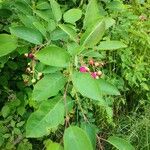
Amelanchier ovalis
Serviceberry · Snowy-mespilus · Garden serviceberry · Grape pear · Juneberry
Description
Source: leafsnapAmelanchier ovalis, commonly known as snowy mespilus (a name which is also attached to the related A. lamarckii) is a serviceberry shrub. Its pome fruits are edible and can be eaten raw or cooked. The species is native to central and southern Europe, as well as North Africa and the Middle East.
🌳 Besides its decorative appeal, snowy mespilus is an important food source for various wildlife, especially birds and mammals. The plant’s berries hold seeds that travel through animals’ digestive systems, thereby helping disperse the species to new locations. These nutrient-dense fruits also act as a key food supply for animals during periods when food is scarce. Furthermore, the flowers provide nectar for pollinators, supporting the survival of both the plant and the pollinating species.
Care Guide
💧 Water
Snowy mespilus thrives in conditions similar to its natural temperate habitats, requiring moderate moisture levels. It's best to water the plant every three weeks, as it can withstand short periods of dryness. Usually cultivated outdoors, snowy mespilus benefits from mulching, which helps retain soil moisture during its active growing season.
What's the best way to water my Snowy mespilus plant?
To ensure excellent root development, place a garden hose at the base of your plants. Avoid spraying the leaves directly, especially if they are exposed to direct sunlight outdoors. If you want to moisten the roots, you can use bubblers for each plant or soaker hoses that cover the entire garden or bed. When adding or removing plants, make sure to push the roots deeply. After watering, drain any excess water and allow the soil to dry before watering again. Watering at ground level can help prevent diseases. On a sunny day, you can spray the entire bush with water. Whether your Snowy mespilus is in a pot or planted in the ground, remember that it prefers deep watering instead of light sprinkling.
What should I do if I give Snowy mespilus too much or too little water?
An overwatered Snowy mespilus can exhibit signs such as yellowing, dropping, and wilting leaves, as well as a dull and unhealthy appearance with mushy stems. If these signs start to show, it's best to adjust your watering schedule. On the other hand, wilting can also occur as a result of under watering, with crispy and dry leaves being a common indicator. In such cases, check the soil for dryness and provide a thorough watering when necessary. However, keep in mind that even with enough water, the Snowy mespilus may still display dryness and yellowing of leaves due to root damage. Once the plant recovers, the yellowing of leaves will stop. For indoor Snowy mespilus plants, always check the moisture levels in the pot and avoid overwatering. If you notice any black spots, allow the soil to dry out by withholding water for a few days. Overwatering can lead to root rot, indicated by discolored and slimy roots. To prevent root rot, ensure that the soil is not excessively soggy and consider transferring the plant to a different pot if necessary. When planting Snowy mespilus outdoors, make sure to dig deeper and check for dry soil using your fingers, as this could indicate under watering. Adequate watering is essential for the plant's recovery.
How often do I need to water my Snowy mespilus plant?
To ensure the healthy growth of Snowy mespilus, it is important to follow a few watering guidelines. When it comes to potted plants, they should be watered deeply, using a gallon of water each time. This is because the water storage capacity of pots is limited, and the soil tends to dry out quicker. In colder regions, watering should be done every 3 to 5 days. It is best to water the plant early in the morning when the soil feels dry, both indoors and outdoors. To determine if watering is required, check the soil's moisture level. If the top 2-3 inches of soil are dry, it is time to water the plant thoroughly. During hot days, be mindful of checking the moisture levels daily, as the heat can cause the soil in the pot to dry out rapidly. For those with a garden, regular irrigation is necessary. In hot climates, watering once a week is suggested. However, it is essential to water only when about 2 to 3 inches of soil have become too dry, indoors or outdoors. Take rainfall into consideration and avoid watering excessively to prevent root rot. Snowy mespilus plants typically grow during spring and fall, and when they are outdoors, adding a 3 to 4 inch layer of mulch can help conserve water. Additionally, sandy soil requires more frequent watering due to its quick drainage, while clay soil allows for less frequent watering, usually every 2-3 days, to avoid root rot. To keep track of watering, it may be helpful to mark the dates on a calendar. Pay attention to any drooping leaves, as this could indicate that watering is needed sooner than expected.
How much water should I give my Snowy mespilus?
The Snowy mespilus generally needs about a gallon of water on a regular basis. For potted plants, water them deeply until you see water dripping from the bottom of the pot. Allow the soil to dry before watering again. You can use a water calculator or moisture meter to determine the amount of water you give your plant in a week. During the flowering period, provide plenty of water but let the soil dry out to prevent root rot. If the Snowy mespilus is planted outdoors and receives enough rainfall, it may not need additional watering. When it is young or newly planted, ensure it receives 1-2 inches of rain per week. As it grows, it can rely on rainfall alone. Only water it fully during hot weather or if there is no rainfall for 2-3 weeks. Water during cooler times of the day to prevent heat damage. Additional watering may be required during prolonged dry spells.
Should I change how often I water my Snowy mespilus depending on the time of year or the weather?
The Snowy mespilus needs to be planted outdoors and relies on rain for watering, except during persistent dry weather when it will need additional watering. During the spring and fall growing seasons, the soil should be kept moist but not soggy. Alternating between dry and moist soil conditions will promote optimal growth. In the summer, hot weather can cause water to evaporate quickly, so more frequent watering may be necessary if there is a lack of rainfall. During winter, the Snowy mespilus needs less water as it drops its leaves and goes dormant. A well-draining soil mixture like terracotta can help water evaporate faster during this period. Once the Snowy mespilus starts leafing out and going dormant, watering can be stopped, and it can rely on fall and winter rains for survival. After spring, you can cultivate and encourage the growth and blooming of your Snowy mespilus as temperatures warm up. Adequate drainage is important throughout the year since the plant doesn't like excessive water or drought during flowering. When planting in pots, keep in mind that the roots have limited growth, so regular watering is necessary, especially during the summer. Shallow sprinkles should be avoided as they encourage fungal growth and don't reach the roots. Avoid letting the Snowy mespilus dry out completely in the fall or winter, even during dormancy. Adequate drainage is crucial during this time to prevent the plant from sitting in water and potentially dying. Applying mulch can help reduce stress, conserve water, and promote healthy blooming.
☀️ Light Full sun
The snowy mespilus does best when it receives unobstructed sunlight throughout the day, supporting optimal health and growth. Across its different growth stages it can tolerate some shade, but reduced light may lessen its vigor. Originating from habitats with abundant light, excessive sun exposure can produce stress symptoms.
What are the sunlight requirements for Snowy Mespilus?
Snowy Mespilus, or Amelanchier ovalis, requires ample sunlight to thrive, ideally benefiting from full sun exposure of more than 6 hours of sunlight daily for optimal health and growth. However, it shows some flexibility towards shade during its various growth stages, although weaker solar exposure might affect its vigor negatively. It's important to observe the movement of sunlight in your garden and choose spots that balance light and shade properly to ensure the plant's happiness. Artificial lighting can be a vital solution for indoor plants or during less sunny seasons, with different wattage requirements based on the plant’s sunlight needs.
What symptoms indicate Snowy Mespilus is receiving inadequate sunlight?
Symptoms of inadequate sunlight in Snowy Mespilus include smaller new leaves, leggy or sparse growth, faster leaf drop, slower or no new growth, lighter-colored new leaves, chlorosis (leaves turning yellow), sunscald (damage from intense sunlight), leaf curling (as a defense mechanism against excessive sunlight), wilting (due to increased water loss), and leaf scorching (brown, dry edges on leaves due to excessive sunlight). These symptoms highlight the plant's sensitivity to both insufficient and excessive sunlight.
What solutions can help Snowy Mespilus with light deficiencies?
To address light deficiencies in Snowy Mespilus, consider gradually moving the plant to a sunnier location to receive at least 6 hours of direct sunlight daily, using south-facing windows for indoor plants, or utilizing artificial light sources for additional support. For outdoor plants, it's essential to adapt them gradually to avoid sunburn. Reducing obstructions by pruning or relocating the plant to sunlight-rich areas can also be beneficial. Ensure new growth has adequate sunlight and understand that parts of the plant affected by previous insufficient sunlight may not recover but can be supplemented by healthy new growth after adjusting light exposure.
🌡️ Temperature 5–32.2°C
Snowy mespilus is a plant adapted to moderate climates, growing best with temperatures between 41 and 89.6 °F (5 and 32 ℃). Ideally, warmer summer months will be near the top of that range, while winters should be cooler but not falling below freezing.
What is the optimal temperature range for Snowy Mespilus (Amelanchier ovalis)?
Snowy Mespilus (Amelanchier ovalis) thrives best in moderate climates, with an ideal temperature range of 41 to 89.6 °F (5 to 32 °C). During the warmer summer months, temperatures should ideally be at the higher end of this range, whereas cooler winters should maintain lower, though non-freezing, temperatures. This plant is highly cold-tolerant and does not require additional measures for frost protection during winter. To prepare for winter, it's recommended to water the plant generously before the first freeze of autumn to ensure the soil is moist when it freezes. This helps the plant avoid drought and water scarcity during the colder months and into early spring.
What should you do if the Snowy Mespilus experiences temperatures below its cold threshold?
Snowy Mespilus is extremely cold-tolerant, capable of withstanding winter temperatures above -25°C (-13°F). However, if temperatures drop below this threshold, the plant might not show immediate damage during winter, but come spring, its branches may become brittle and dry, and it may fail to produce new shoots. To address this issue, it is recommended to prune away any dead branches that have not produced new leaves in the spring. This helps the remaining parts of the plant to recover and grow healthily once the warmer weather returns.
How should you care for Snowy Mespilus in high temperatures?
Snowy Mespilus struggles in high temperatures, particularly when the mercury rises above 32°C (89.6°F). In such conditions, it may experience significant leaf drop, and in severe cases, the plant can wither and die. To mitigate damage from high temperatures, trim away any sunburned and dried-up parts of the plant. Additionally, relocating the plant to an area with shade during the midday and afternoon sun can be beneficial, as can using a shade cloth. Ensuring that the plant is watered in the morning and evening will help keep the soil moist and support the plant through periods of extreme heat.
💨 Humidity
🪴 Soil 6-7
🌱 Fertilizer
The Snowy mespilus plant needs adequate nutrients to produce fruit at its best. Fertilize in early spring to encourage new growth and flower development. Regular fertilization keeps the plant healthy, helps it yield more delicious fruit, and prevents nutrient-deficiency problems like yellowing leaves and poor fruit production.
Why is it necessary to put fertilizer on my Snowy mespilus plant?
Regular fertilization is important for the Snowy mespilus plant to ensure it remains healthy and produces delicious fruit. The growth of plants, particularly fast-growing types, depletes the soil of nutrients. Without regular fertilization, plants may experience various problems. Nutrient deficiency can result in issues such as yellow leaves, reddish discoloration, irregular shapes, withered tips, or significant damage across the plant. Bark disorders, slow growth, poor shoot development, and a lack of fruit production can also occur as a result of nutrient deficiencies.
When should I fertilize my Snowy mespilus tree?
The best time to fertilize Snowy mespilus is in early spring, before the buds emerge. During this time, the plant is using its stored reserves to grow, and fertilizing a few weeks before it blooms gives enough time for the nutrients to be absorbed. It's also important not to fertilize in autumn, as this can lead to excessive foliage growth that is vulnerable to winter damage.
When is the best time to not put fertilizer on my Snowy mespilus?
To ensure proper growth of Snowy mespilus, it is important to be mindful of fertilizing practices. In the first year of growth, it is best to avoid fertilizing altogether. Even in subsequent years, it is advisable to only provide fertilizer if necessary. If you have pruned 20% or more of the plant in the previous year, refrain from fertilizing. Similarly, if the plant is diseased or damaged, it is better not to fertilize as this can exacerbate problems. Remember that fertilizer is not a cure-all; it is important to address the underlying issues before considering fertilization. Avoid fertilizing Snowy mespilus after the peak of summer, as this can lead to excessive growth just before winter. Additionally, refrain from fertilizing during hot and dry periods, as dry soil is not as effective in delivering fertilizer to the plant. Fertilization at this time can also promote growth that requires more water, which may not be readily available. It is best to apply fertilizer earlier in the season when temperatures are cooler. Lastly, keep in mind that Snowy mespilus can absorb fertilizer applied to neighboring plants or lawns, so be cautious to avoid inadvertently over-fertilizing.
What kind of plant food does my Snowy mespilus tree need?
Using fertilizer that contains a balance of nitrogen, phosphorus, and potassium can bring many benefits to plants. Nitrogen is important for leaf growth and chlorophyll production. Phosphorus helps support the root system and promotes the development of blossoms, fruits, and seeds. Potassium plays a role in photosynthesis and the movement of water and nutrients throughout the plant. When choosing a fertilizer, you can opt for a commercial one that is specifically designed for a particular type of tree. Alternatively, you can use organic sources of nitrogen such as manure, feather meal, or blood meal. To ensure you apply fertilizer accurately, conducting a soil test can give you a better understanding of the condition of your soil. For commercial fertilizers, if your soil lacks sufficient phosphorus and potassium according to the soil test, you can use a balanced granular fertilizer with a ratio of 10-10-10 or similar. In most cases, nitrogen in the soil is continuously depleted with rainfall. If your soil already has enough phosphorus and potassium, it would be more appropriate to use a high-nitrogen fertilizer with a ratio of 6-2-1 or 10-2-2.
How should I apply fertilizer to my Snowy mespilus plant?
To ensure proper fertilization for your Snowy mespilus, it is important to follow specific fertilizer instructions and conduct research on proper usage. Avoid over-fertilizing the tree, as this can be detrimental. For fruit trees like the Snowy mespilus, it is crucial to use the correct amount of fertilizer. As a general guideline, you can estimate the amount based on the tree's age or trunk diameter. Use approximately one-tenth of a pound of fertilizer per year or per inch of trunk, with a maximum of one pound. It's worth noting that you should not fertilize a Snowy mespilus during the first few years. When applying granular or organic fertilizers, such as blood meal, sprinkle them around the tree's base, extending to the drip line. Be careful not to let the fertilizer touch the trunk. Over time, the granules will break down and seep into the soil, being absorbed by the roots. After fertilizing, spread a one-inch layer of compost around the tree's base and ensure thorough watering.
🪴 Pot & Repot
To ensure optimal growth, snowy mespilus requires pots with excellent drainage. This helps prevent root rot and provides sufficient aeration.
✂️ Pruning
Snowy mespilus is a beautiful deciduous shrub, valued for its white flowers. To keep it healthy and enhance its ornamental appeal, it's best to prune it in late winter. During pruning, focus on removing dead wood, thinning out crowded branches, and maintaining the plant’s shape. This process improves air circulation, encourages vigorous blooming, and controls the shrub's size.
🌿 Propagating
🐛 Diseases & pets
☠️ Toxicity
The seeds of the plant can be toxic if eaten in a large quantity (similar to apple seeds; indeed, this plant is more closely related to apple trees than to blueberry shrubs). This toxicity is destroyed after cooking or drying. To be on the safe side, don't eat too many fresh serviceberries.
Characteristics
- Plant Type
- Tree, Shrub
- Life Cycle
- Perennial
- Genus
- Amelanchier
- Family
- Rosaceae
- Hardiness Zone
- 5-7
- Mature Height
- 4.88 m
- Mature Spread
- 3.05 m
- Leaf Color
- Green, Yellow, Red, Orange
- Leaf Type
- Deciduous
- Flower Color
- White
- Flower Size
- 2.54 cm to 5.08 cm
- Bloom Time
- Mid spring, Late spring
- Planting Time
- Spring, Autumn
- Harvest Time
- Early summer, Mid summer
- Native Area
- Turkey, Austria, Romania, Bulgaria, Poland, Greece, Morocco, Germany, Iraq, Italy, Spain, Switzerland, France, Albania, Algeria, Hungary, Belgium, Portugal