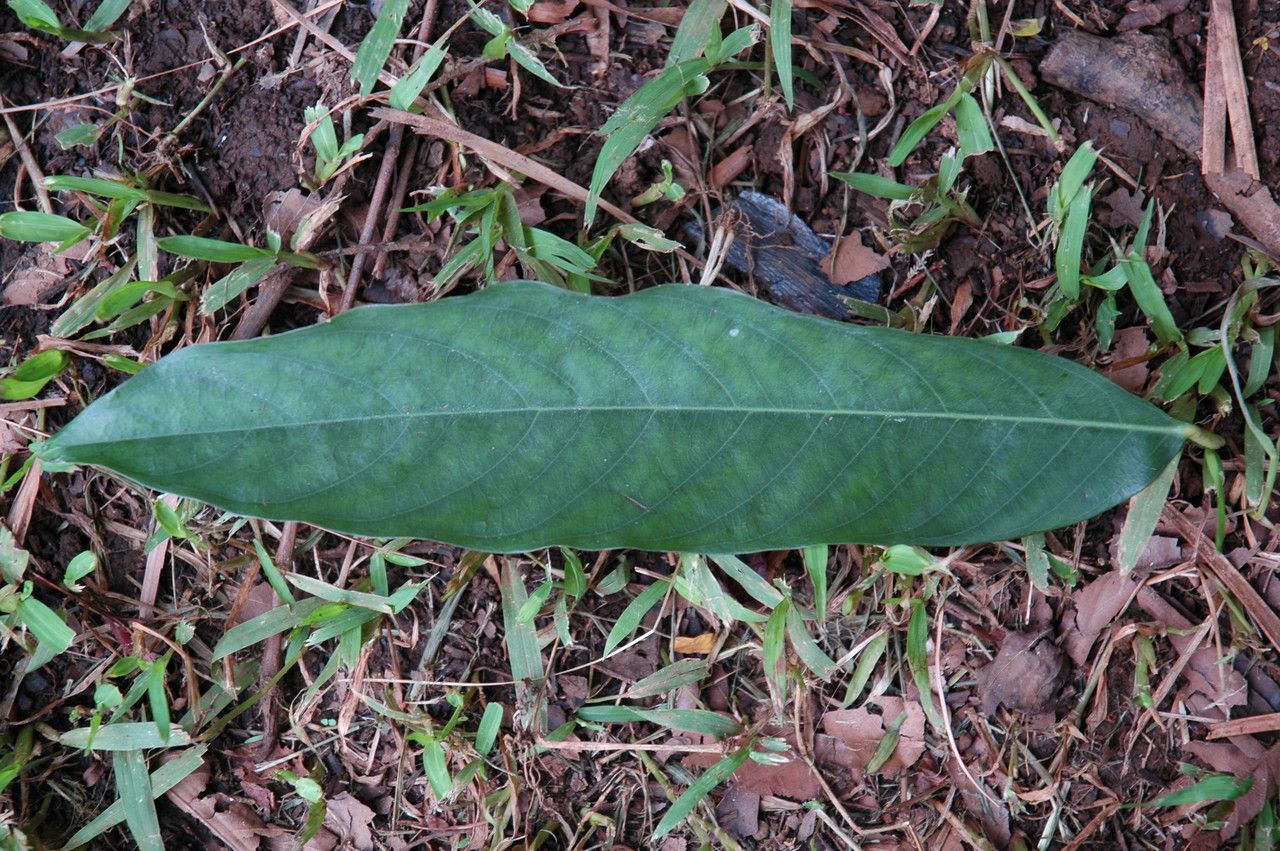
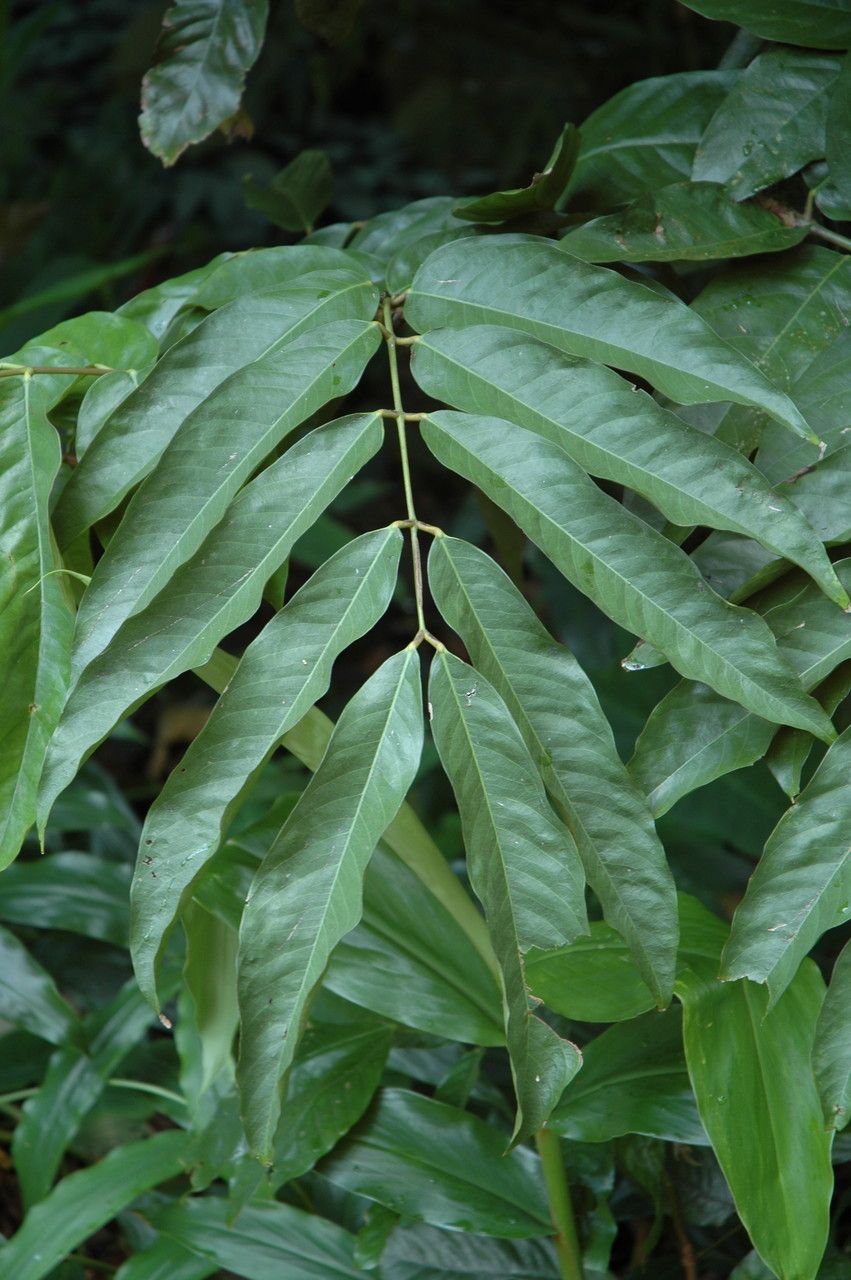
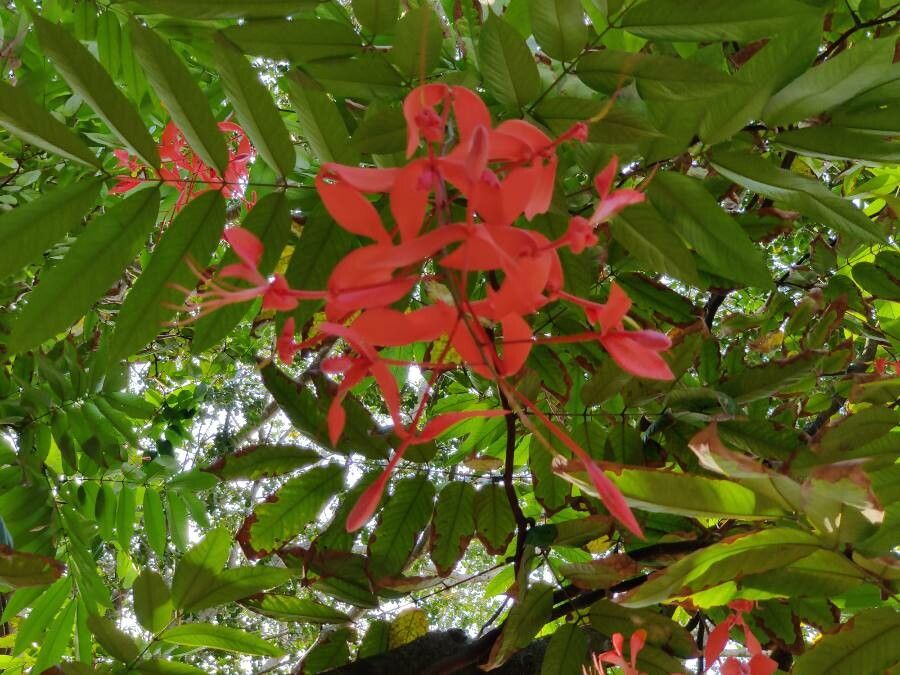
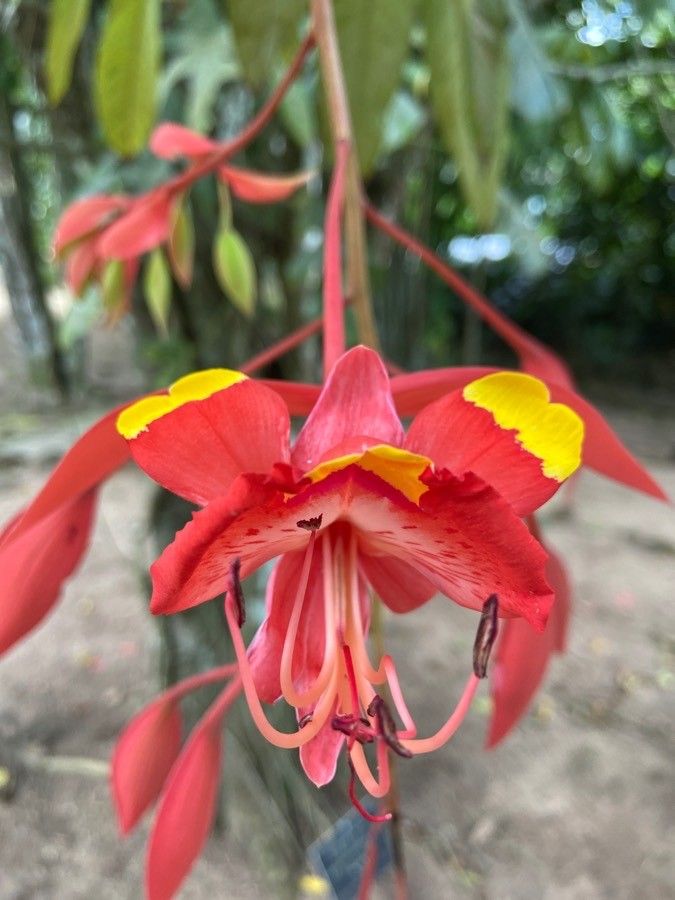
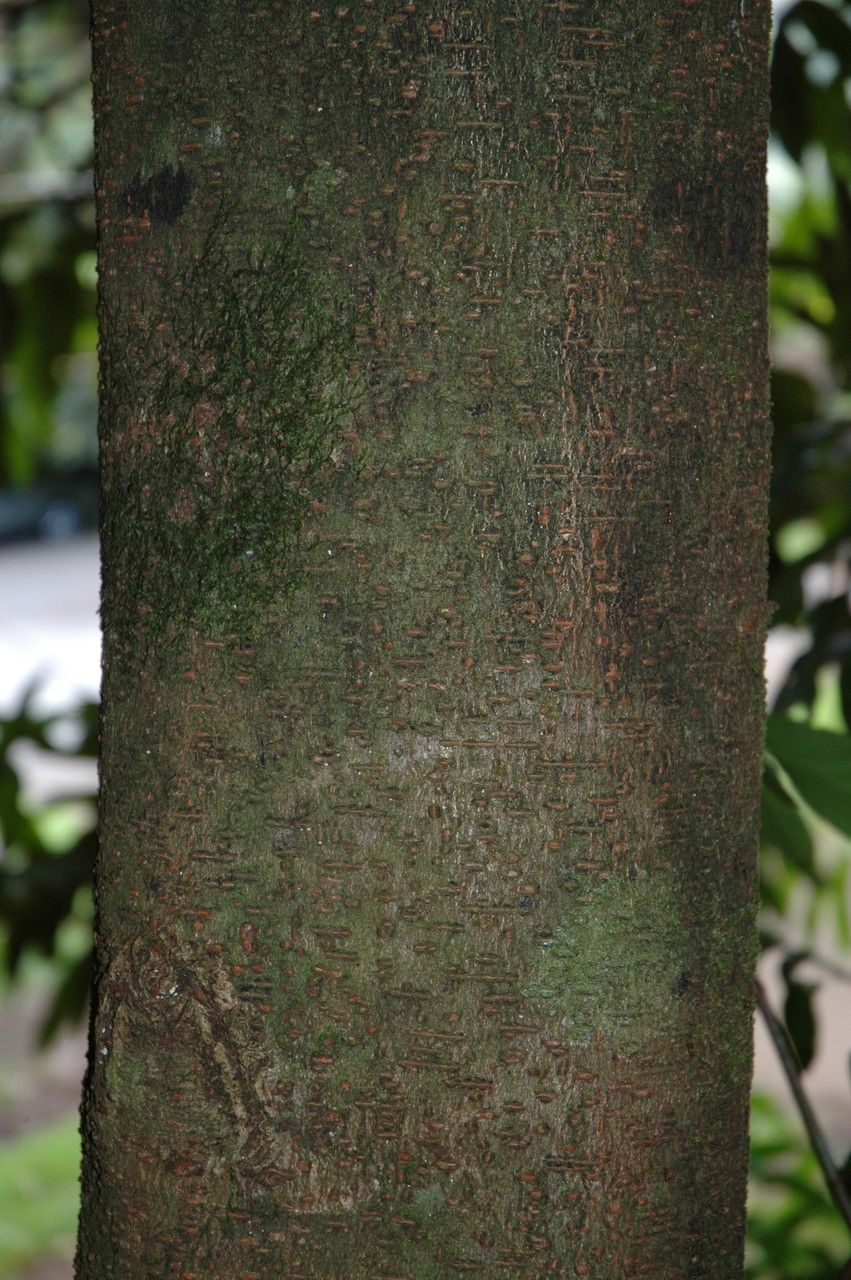
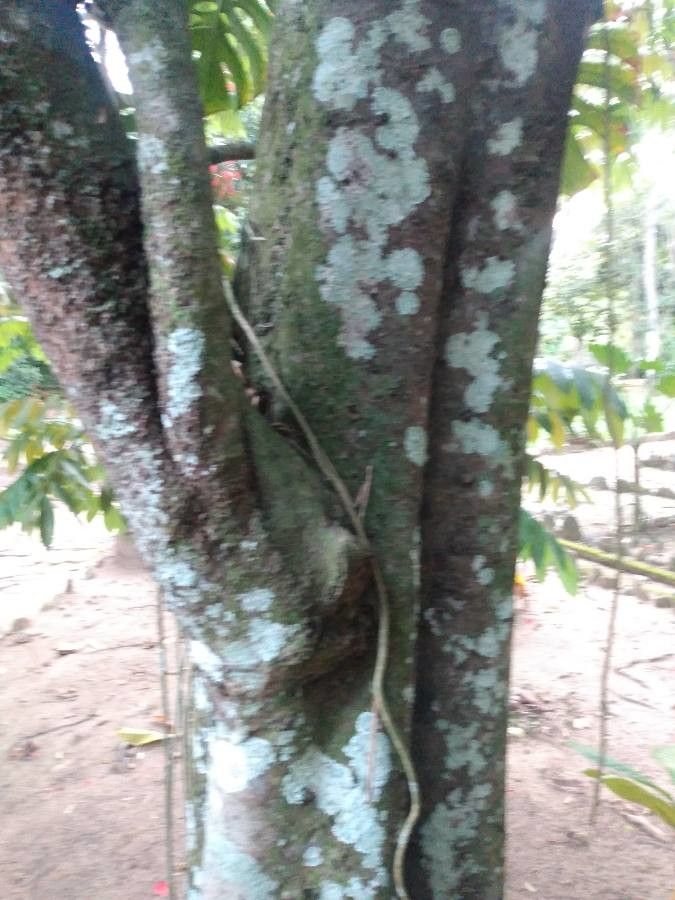
Amherstia nobilis (Burmese: သော်ကကြီး [θɔ̀ka̰ dʑí]; the Pride of Burma, in the family Fabaceae) is a tropical tree with large, showy flowers. It is the only member of the genus Amherstia. It is widely cultivated for ornament in the humid tropics, but is very rare in the wild and has only been collected from its native habitat a few times. It is native to Burma (Myanmar), hence the common name. The scientific name commemorates Lady Amherst, (as does Lady Amherst's pheasant) and also her daughter Sarah. Another common name, orchid tree, is also used for members of the genus Bauhinia.
Tree of heaven is fairly resistant to disease and is generally not prone to illnesses. Regarding care, this plant is relatively low-maintenance. Planted outdoors, it needs little watering and larger specimens usually do not require pruning. Smaller plants, however, should be pruned after they have bloomed. Tree of heavent is suitable for anyone with an outdoor area, such as a garden or deck, and does not require much care experience.
How to keep Amherstia Nobilis.
Light
The tree of heaven does best with abundant sunlight. It requires light at every stage of development, reflecting its origins in open, sunny areas. Both too much and too little light can harm its health, causing leaf discoloration or stunted growth.
Water
Originating from tropical environments, the tree of heaven thrives in high humidity and prefers consistent moisture, requiring watering approximately every two weeks. As an outdoor plant with a broad canopy, it benefits from rainwater, which enhances its growth cycles and complements its watering schedule.
Temperature
The tree of heaven comes from tropical areas, where the climate is normally warm and humid. Consequently, it is suited to high temperatures and humidity. It is sensitive to sudden temperature shifts and prefers a consistent temperature, so indoor temperature fluctuations should be avoided. It generally cannot endure cold and needs warmer conditions to grow. If the surrounding temperature becomes too low, the plant may stop growing or even die.
Fertilizer
The ideal time to fertilize a Tree of heaven is early spring, when it comes out of dormancy. Doing so supports overall growth and flower development. Fertilization improves the foliage, stems, and branches and encourages flowers that are larger, more vibrant, and longer-lasting. It also helps transfer nutrients from the roots to the flowers and enhances the plant’s health and resistance to disease.
Pruning
Pruning the tree of heaven from early to late winter is beneficial for its health and appearance. Removing dead branches and improving airflow helps the tree flourish. When pruning, concentrate on preserving its natural shape and reducing overcrowded growth. Using clean, sharp tools ensures quick recovery and promotes vibrant blooms, which helps prevent pests and encourages healthier growth.
Botanical profile.
- Plant Type
- Tree
- Life Cycle
- Perennial
- Genus
- Amherstia
- Family
- Fabaceae
- Hardiness Zone
- 12-15
- Mature Height
- 17.98 m
- Mature Spread
- 13.41 m to 28.65 m
- Leaf Color
- Green
- Leaf Type
- Evergreen
- Flower Color
- Red
- Flower Size
- 5.08 cm to 7.62 cm
- Bloom Time
- All year round
- Planting Time
- Summer, Autumn
- Harvest Time
- All year round
- Native Area
- Bangladesh, Myanmar
Other names.
Reader questions.
What are the sunlight requirements for the Tree of Heaven?
The Tree of Heaven (Amherstia nobilis) thrives in full sun, requiring above 6 hours of sunlight daily to grow healthily. It's crucial to observe the sunlight's movement through your garden to ensure that you choose locations that provide a perfect balance of light and shade, catering to the plant's needs. This careful placement ensures the plant's happiness and robust growth.
What are the essentials for growing a healthy Tree of Heaven?
For a Tree of Heaven to grow healthy, it requires ample sunlight throughout all its growth stages, drawing from its origins in sunny, open habitats. Both excessive and inadequate light can lead to health issues like leaf discoloration or stunted growth. In environments where natural sunlight is insufficient, especially during winter or in less sunny spaces, artificial lighting can be a vital solution. Indoor plants benefit from LED lights that provide 30-50W/sq ft for full sun plants, 20-30W/sq ft for partial sun plants, and 10-20W/sq ft for full shade plants. The lights should be placed 12-36 inches above the plant, mimicking natural sunlight as closely as possible and kept on for 8-12 hours per day.
What are the key symptoms of insufficient light for the Tree of Heaven?
When the Tree of Heaven is exposed to insufficient light, you might notice symptoms like smaller new leaves, leggy or sparse growth, premature leaf drop, stunted or halted growth, lighter-colored or yellow leaves (chlorosis), damage from excessive sunlight like sunscald, leaf curling, wilting due to water loss, and leaf scorching. These symptoms indicate the plant's struggle with inadequate lighting conditions.
How can I address light-related issues for my Tree of Heaven?
To address light-related issues for your Tree of Heaven, consider moving plants to sunnier locations gradually, ensuring they receive at least 6 hours of direct sunlight daily. For indoor plants, using artificial light such as a desk or ceiling lamp for at least 8 hours daily or investing in professional grow lights can help supplement their light needs. Outdoors, transition the plants to better-lit spots carefully to avoid sunburn. Removing obstructions or transplanting smaller plants to areas with better sunlight and drainage can significantly improve their health. Note that parts of the plants damaged by light issues may not recover, but new growth will be healthy after adjusting the light exposure.