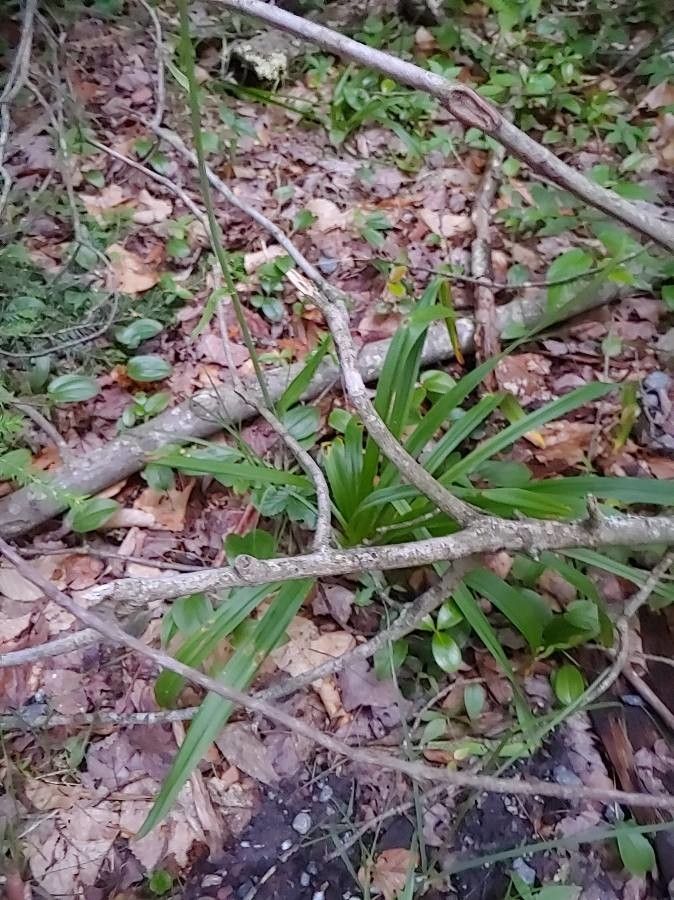
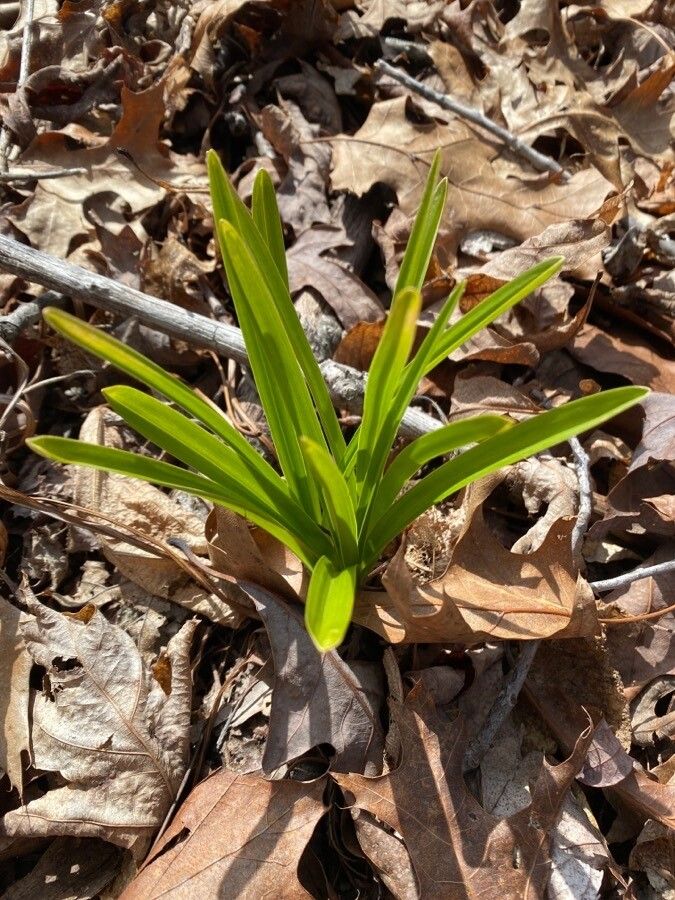
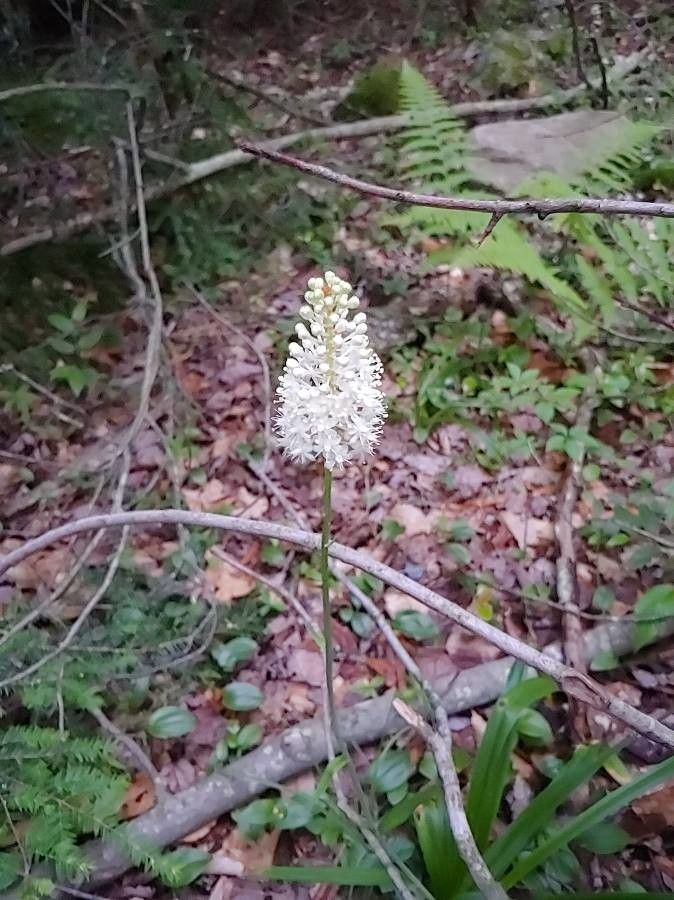
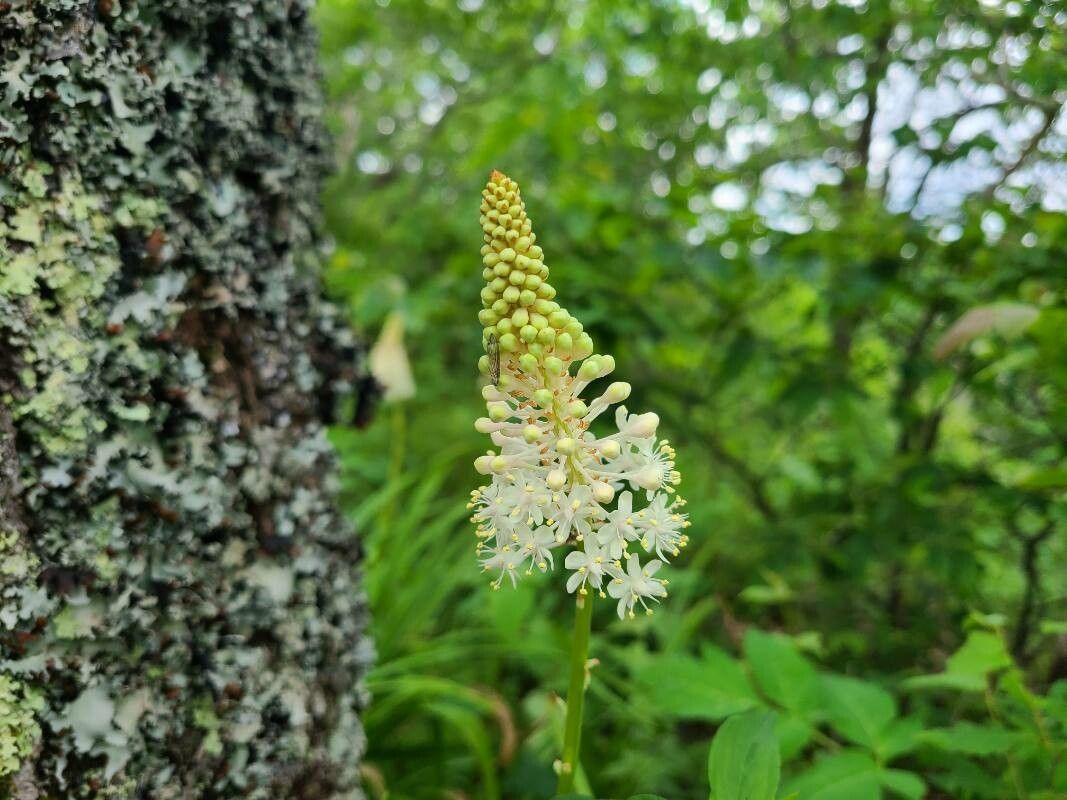
Amianthium muscitoxicum, commonly known as fly poison or eastern fly poison, is a perennial herbaceous plant native to the eastern United States. Belonging to the Melanthiaceae family, it can grow up to 3 feet tall. The plant features long, narrow leaves that form a basal rosette, and it produces a tall spike of small white flowers in late spring or early summer.
Despite its name, Amianthium muscitoxicum is not toxic to flies. However, it can be poisonous to humans and animals if ingested. The entire plant contains toxic alkaloids that can cause vomiting, diarrhea, and potentially death if consumed in large quantities.
Native Americans have used this plant for medicinal purposes for centuries. It was believed to possess antispasmodic properties and was used to treat epilepsy and other nervous disorders.
Amianthium muscitoxicum prefers moist soils in shaded areas such as woodlands or along stream banks. While it can be an attractive addition to gardens, caution should be exercised when planting due to its toxicity.
Fly poison has strong disease resistance and is generally not prone to illnesses. Still, it can be vulnerable to pests and diseases present in its environment, though such infections are typically mild. Regarding care, the plant needs moderate maintenance. Regular pruning is necessary to keep a tidy appearance and encourage healthy growth. Fertilizing can also aid in boosting flowering. Fly poison is appropriate for anyone with outdoor space, like a garden or patio, and does not demand extensive gardening experience. It may need extra attention when kept indoors.
How to keep Amianthium Muscitoxicum.
Light
Fly poison performs best in places with moderate sunlight instead of locations with extreme light levels, since it originates from semi-exposed habitats. Excessive sun can damage the plant and result in poor growth, while insufficient light can also hamper its development.
Water
Fly poison, a plant native to moist woodlands, thrives in consistently moist environments and benefits from weekly watering. It requires natural light and seasonal rain, and it grows best when soil moisture mimics spring conditions. Although it can tolerate moderate drought, regular watering is crucial for maintaining its health and promoting stable growth.
Temperature
Fly poison is native to regions with temperatures between 41 and 89.6 °F (5 to 32 °C). It favors a temperate climate and may need measures like additional shading during hot summer months.
Fertilizer
The best time to fertilize a Fly poison is in early spring, when it is coming out of dormancy and beginning active growth. Fertilizing supplies essential nutrients needed for healthy development. Although Fly poison has relatively low fertilizer requirements, applying fertilizer annually can improve its survival and encourage better, longer-lasting flowers.
Pruning
Fly poison is a perennial plant known for its deep-green, toxic leaves and star-shaped flowers. To keep it healthy and attractive, prune the plant in early spring. This involves removing any damaged leaves and trimming back flower stalks after they have bloomed. Regular pruning not only promotes new growth but also improves air circulation, reduces the risk of disease, and maintains a tidy appearance.
Botanical profile.
- Plant Type
- Herb
- Life Cycle
- Perennial
- Genus
- Amianthium
- Family
- Melanthiaceae
- Hardiness Zone
- 4-8
- Mature Height
- 0.3 m to 1.37 m
- Mature Spread
- 30 cm to 61 cm
- Leaf Color
- Green
- Leaf Type
- Deciduous
- Flower Color
- White
- Flower Size
- 2.03 cm to 3.05 cm
- Bloom Time
- Mid spring, Late spring
- Planting Time
- Spring
- Harvest Time
- Summer
Other names.
Reader questions.
What are the sunlight requirements for Fly poison (Amianthium muscitoxicum)?
Fly poison thrives best in environments that mimic its natural habitat, which includes areas with average sunlight exposure. It requires about 3-6 hours of sunlight daily, favoring partially sunlit conditions over extreme light settings. Excessive sunlight can negatively impact its growth, causing issues such as poor development and chlorosis, while insufficient light can lead to symptoms like slower growth and leaf discoloration. Observing how sunlight moves through your garden and choosing spots that offer a balance of light and shade is crucial for the well-being of your Fly poison plants.
What is the native environment of Fly poison?
Fly poison, or Amianthium muscitoxicum, is native to environments where temperatures range from 41 to 89.6 °F (5 to 32 °C). It thrives in a temperate climate, although it may require added shading during the hotter summer months to protect it from extreme temperatures. Despite its strong resistance to cold, special protection measures should be implemented during winters when temperatures are expected to drop below -30°C. This involves covering the plant with insulating materials such as soil or straw and abundantly watering before the first freeze of autumn to ensure the soil remains moist and enters a frozen state, which helps prevent drought and water scarcity for the plant during the winter and early spring.
What are the effects of artificial lighting on Fly poison when natural sunlight is insufficient?
When natural sunlight is insufficient, particularly during winter or in less sunny spaces, artificial lighting becomes a crucial solution for indoor Fly poison plants. Adequate lighting is essential for optimal growth. LED lights, which can be customized to provide specific wavelengths required by plants, are a popular choice. The intensity of artificial light required varies with the type of plant; full sun plants need 30-50W/sq ft, partial sun plants need 20-30W/sq ft, and full shade plants need 10-20W/sq ft. The artificial light should be placed 12-36 inches above the plant and turned on for 8-12 hours per day to mimic natural daylight hours, ensuring faster, healthier growth.
How does Fly poison react to low temperatures?
Fly poison exhibits a strong tolerance to cold, ideally thriving when the temperature is maintained above 5°C. Over winter, it should not be exposed to temperatures below -25°C. When temperatures fall below -30°C, the plant may not show immediate changes during the winter, but there is a risk of decreased sprouting or even a complete lack of sprouting in the spring. If this occurs, it is advised to remove any parts of the plant that have failed to sprout in the spring as a remedial action.
What are common symptoms of light deficiency in Fly poison?
When Fly poison is grown indoors under insufficient light, it may display several symptoms indicating light deficiency. These include smaller new leaves, leggy or sparse growth, faster leaf drop, slower or no new growth at all, and lighter-colored or irregularly patterned new leaves. Excessive sunlight can lead to chlorosis (leaves turning yellow), sunscald, leaf curling, wilting, and leaf scorching. These symptoms highlight the plant's struggle with inadequate lighting or overexposure to intense sunlight, affecting its photosynthesis process and overall health.
What should be done if Fly poison is exposed to high temperatures?
During the summer months, Fly poison should ideally be kept in conditions below 32°C. Exposure to temperatures exceeding 35°C can lead to the leaves becoming lighter in color, prone to curling, susceptible to sunburn, and in severe cases, the entire plant may wilt and dry out. To mitigate these effects, trim away the sunburned and dried-up parts of the plant. Moving the plant to a location with shade during the midday and afternoon sun or employing a shade cloth can offer necessary protection. Additionally, ensure the soil is kept moist by watering the plant in the morning and evening.
How can you address insufficient sunlight for Fly poison plants?
To address insufficient sunlight for Fly poison plants, gradually move them to spots with more suitable sunlight exposure, starting with 3-6 hours of direct sunlight daily for indoor plants. This can be achieved by shifting them to sunnier spots each week or using artificial lighting such as desk or ceiling lamps, or professional grow lights for at least 8 hours a day. Outdoors, move your plants to a sunnier location gradually to prevent sunburn. Removing obstructions that block sunlight or transplanting smaller plants during their dormant period to a location with ample sunlight and good drainage are effective solutions. Note that parts of the plant affected by insufficient light may not recover, but new growth will be healthy with improved light exposure.