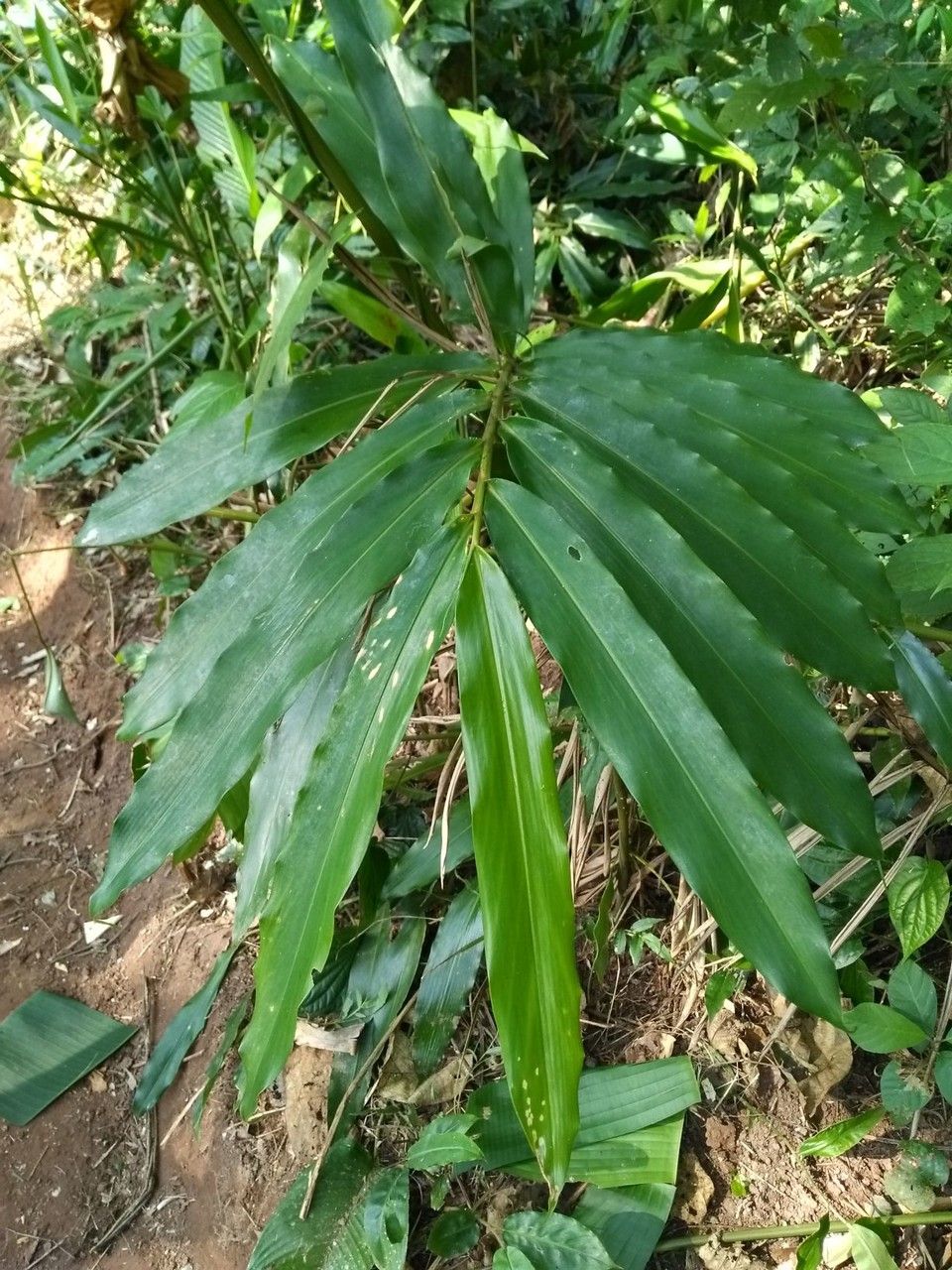
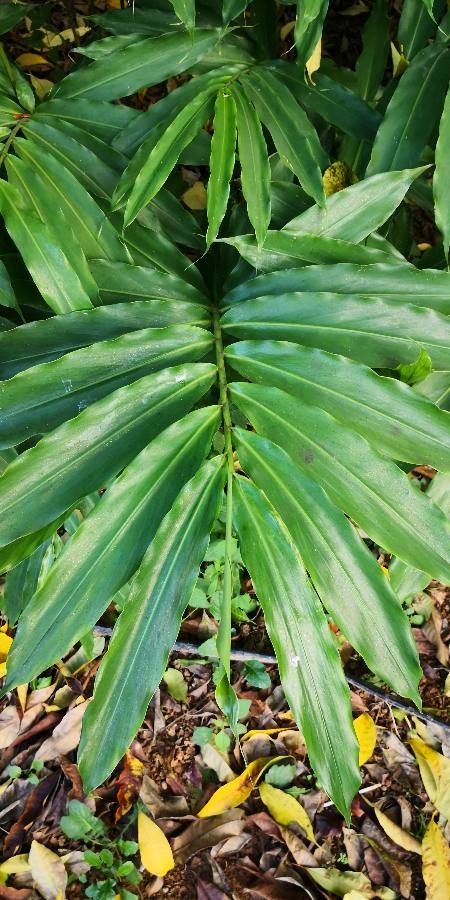
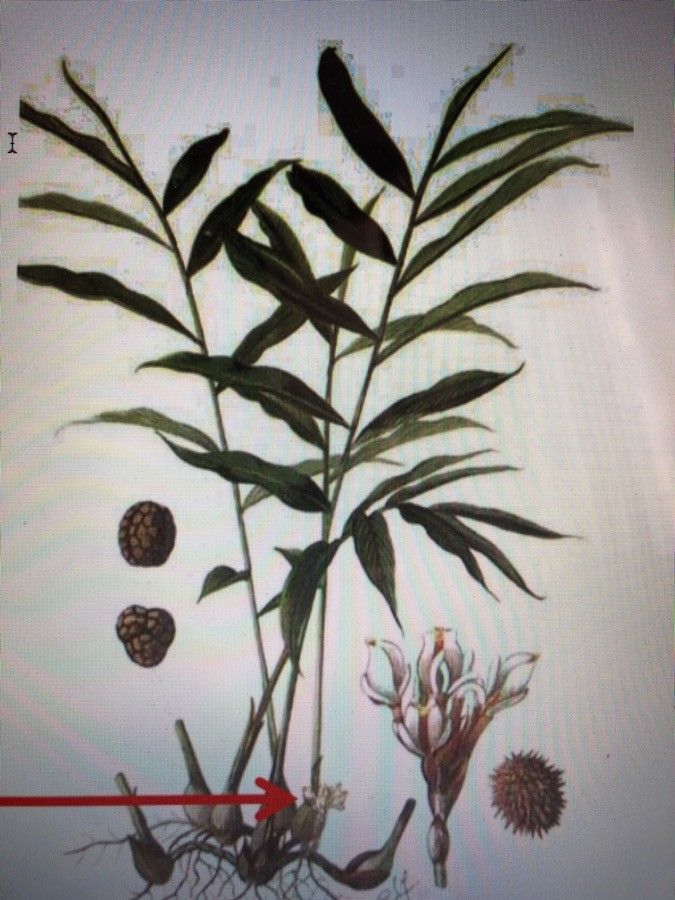
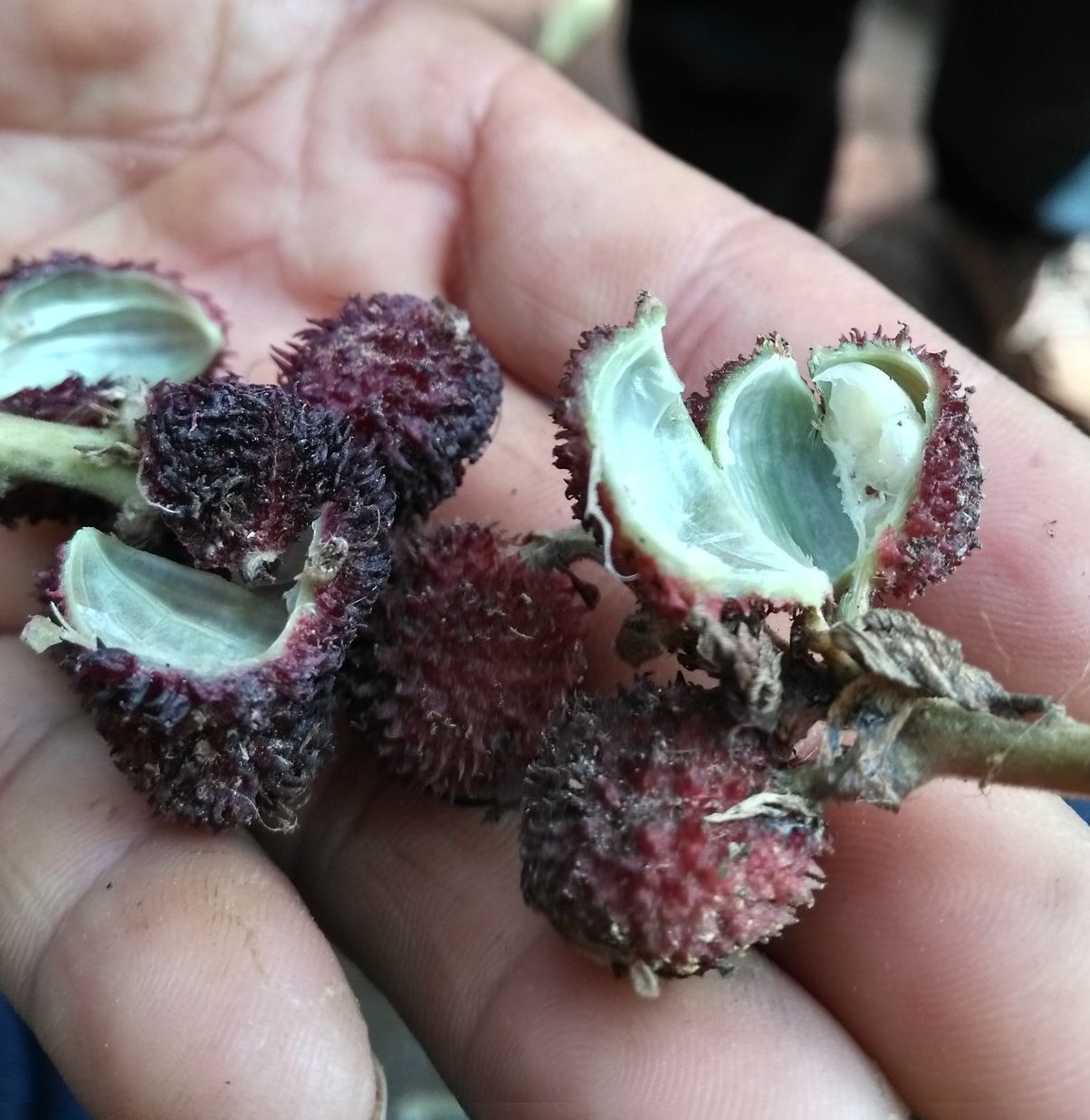
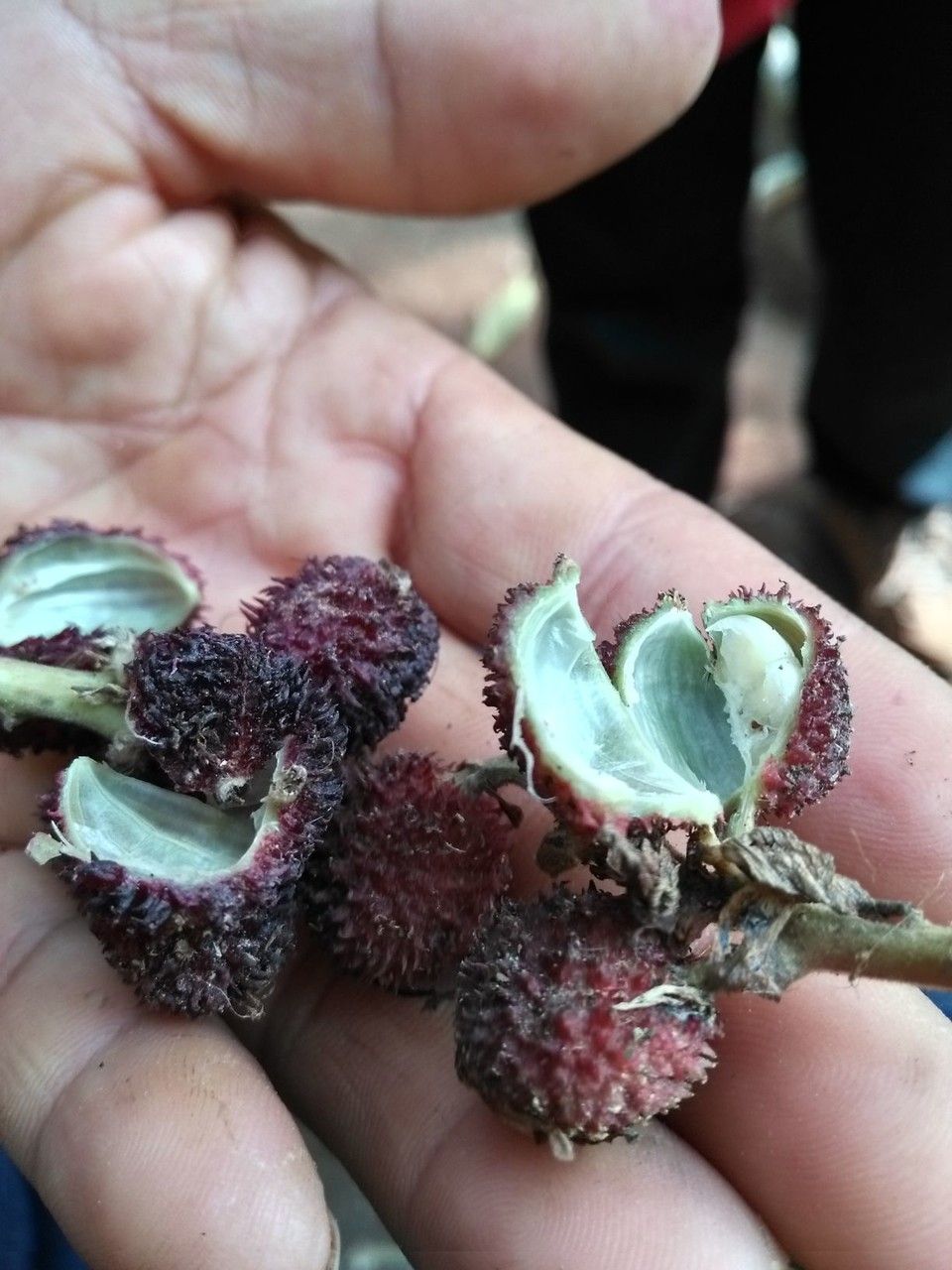
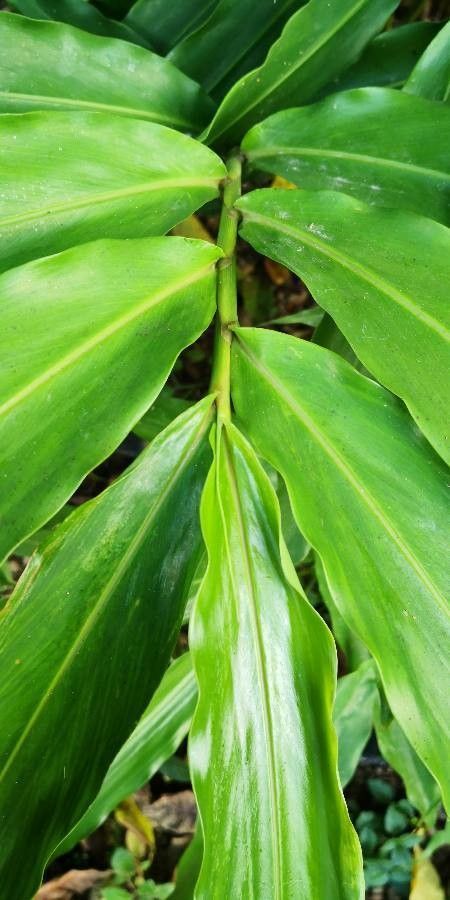
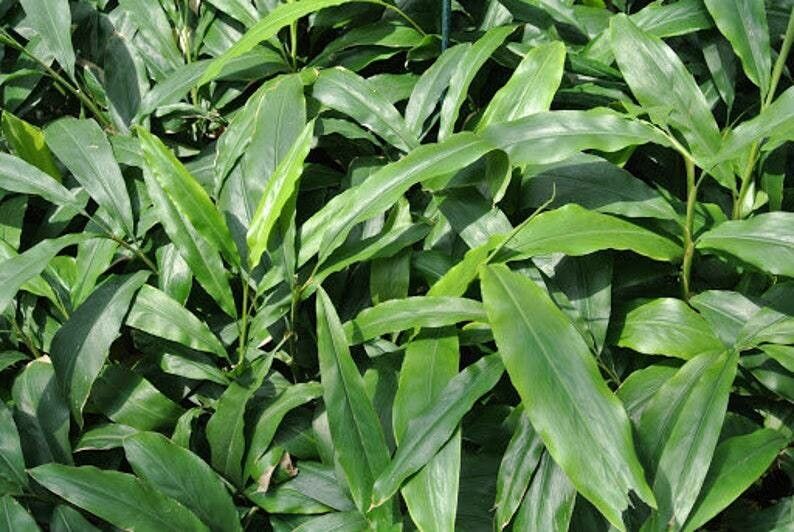
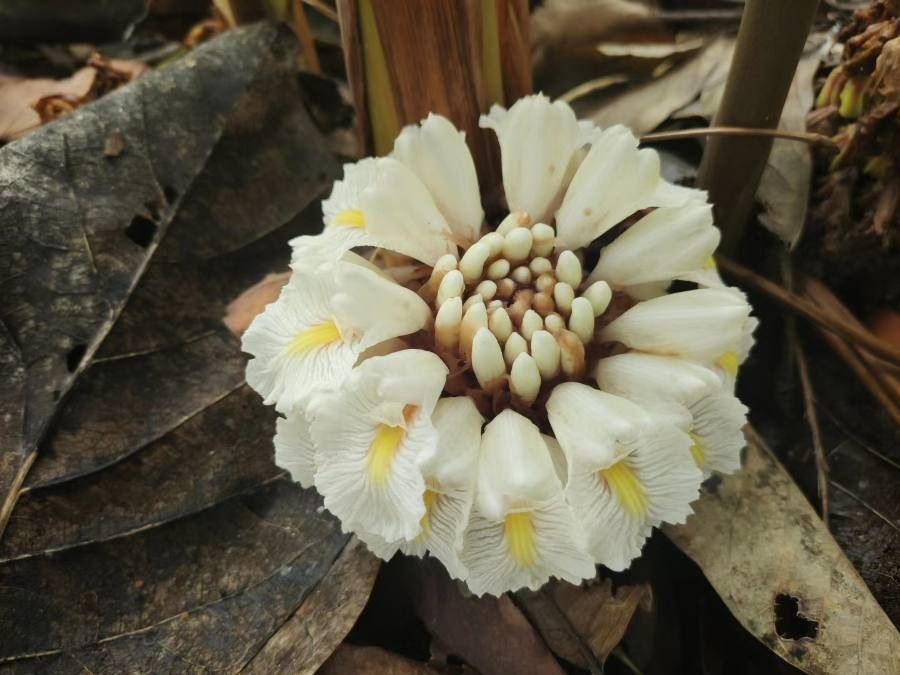
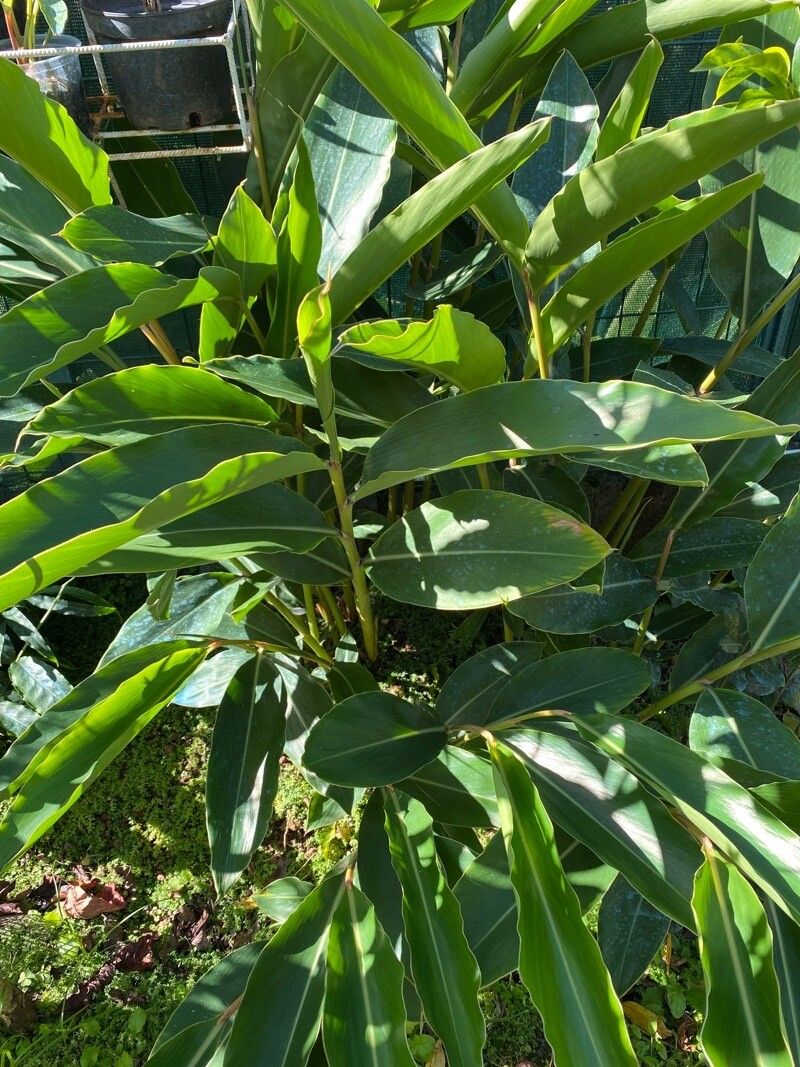
Wurfbainia villosa, also known by its basionym Amomum villosum, (Chinese: (Chinese: 砂仁; pinyin: shārén) is a plant in the ginger family that is grown throughout Southeast Asia and in South China. Similar to cardamom, the plant is cultivated for its fruits, which dry into pods when mature and contain strongly aromatic seeds. W. villosa is an evergreen plant in the ginger family, grow in the shade of the tree, 1.5 to 3.0 m high, whose branches and leaves are similar to ginger's. W. villosa has a characteristic that flowers spread on the ground can bear fruit while flowers on the branches can not. Its flowers bloom in March and April and are the colour of white jade.
Tavoy cardamom is fairly disease-resistant and typically not affected by illnesses. However, it can be vulnerable to pests and diseases present in its surroundings. Such infections are generally mild. Regarding care, it needs moderate maintenance. Regular pruning is necessary to preserve a neat appearance and encourage healthy growth. Applying fertilizer can also encourage flowering. Tavoy cardamom is suitable for anyone who has outdoor space, such as a garden or patio, and does not demand extensive care experience. It may need extra attention when grown indoors.
How to keep Amomum Villosum.
Light
Tavoy cardamom comes from habitats with dappled light, for example the understory of tropical forests or rocky areas that provide natural shade. It prefers partial sunlight but can also tolerate full shade.
Water
Tavoy cardamom flourishes in consistently moist soil, as it comes from humid tropical regions. This plant prefers high humidity and can tolerate moderate drought. For the best growth, water Tavoy cardamom weekly to maintain optimal moisture levels. When grown outdoors, adjust the watering schedule based on rainfall, paying extra attention during prolonged dry or wet periods.
Temperature
Tavoy cardamom is commonly found in climates with temperatures between 68 and 100 °F (20 and 38 ℃). Native to cooler forest habitats, it favors a temperate climate. In colder months, temperatures should be maintained within this range for optimal growth.
Fertilizer
Tavoy cardamom needs the most fertilizer during its active growth period, which occurs mainly in spring, summer, and early fall. Fertilizing supplies essential nutrients the soil may lack, encouraging healthy root and stem growth as well as attractive foliage, which is a key feature of this plant.
Pruning
Tavoy cardamom is known for its aromatic seeds and vigorous growth. To achieve the best results, prune the plant in early spring. Remove dead or overgrown stems to improve air circulation and encourage new growth. Use clean, sharp tools to minimize plant stress, increase yield, and enhance pest resistance.
Botanical profile.
- Plant Type
- Herb
- Life Cycle
- Perennial
- Genus
- Amomum
- Family
- Zingiberaceae
- Hardiness Zone
- 11
- Mature Height
- 1.52 m to 3.05 m
- Mature Spread
- 49 cm to 91 cm
- Leaf Color
- Dark Green
- Leaf Type
- Evergreen
- Flower Color
- White
- Flower Size
- 3.05 cm to 4.06 cm
- Bloom Time
- Summer
- Planting Time
- Spring, Summer, Autumn
- Harvest Time
- Late summer, Fall
Other names.
Reader questions.
What are the sunlight requirements for Tavoy cardamom?
Tavoy cardamom thrives with about 3-6 hours of sunlight daily, preferring environments that mimic the partial sun conditions of its native tropical forest understory or naturally shady areas. It is essential to observe the movement of sunlight through your garden to find spots that offer a balance of light and shade, optimizing the plant's health and happiness. While Tavoy cardamom does well in partial sun, it also has the resilience to tolerate full shade, making it a versatile choice for both bright and lower light conditions.
What are the ideal temperature conditions for Tavoy cardamom?
Tavoy cardamom thrives in climates where temperatures range from 68 to 100 °F (20 to 38 °C), originating in cooler forest ecosystems with a preference for temperate climates. To ensure optimal growth, it is crucial to maintain these temperature conditions, particularly during colder seasons. Since Tavoy cardamom is extremely heat-loving, exposure to cold temperatures can cause harm. Therefore, during autumn, it is advisable to bring outdoor-grown plants indoors, placing them near a bright window but at a certain distance from heaters, ensuring that the temperature remains above 20°C during winter. Any temperatures nearing 10°C are detrimental to the plant's health.
How can artificial lighting benefit indoor Tavoy cardamom plants?
When natural sunlight is insufficient, artificial lighting can provide a significant boost to the growth and health of indoor Tavoy cardamom plants. Choosing the correct type of artificial light, like LED lights, allows customization to meet the plant's specific light wavelength needs. The ideal artificial light intensity varies by plant type: 30-50W/sq ft for full sun plants, 20-30W/sq ft for partial sun, and 10-20W/sq ft for full shade plants. Positioning the light source 12-36 inches from the plant and ensuring proper lighting duration, typically 8-12 hours per day, mimics the natural light cycle and promotes vigorous growth.
What should I do if my Tavoy cardamom experiences low temperatures?
If your Tavoy cardamom is exposed to low temperatures, which it does not tolerate well, you may notice symptoms like lightening of the leaves' color when temperatures fall below 5°C, and frost damage can turn the leaves brown or black, leading to wilting and drooping. In such cases, you should trim off the frost-damaged parts of the plant and move it immediately indoors to a warm environment for protection against cold. Placing the plant near a south-facing window ensures ample sunlight; however, it's important to avoid placing the plant near heaters or air conditioning vents to prevent excessive dryness in the air.
What are the symptoms of inadequate lighting for Tavoy cardamom?
Symptoms of insufficient lighting in Tavoy cardamom include smaller new leaves, leggy or sparse growth, faster leaf drop, and a halt in new growth, indicating the plant's transition into survival mode. Leaves may exhibit lighter colors or irregular patterns due to reduced chlorophyll and essential nutrient production. In cases of excessive light, symptoms such as chlorosis, sunscald, leaf curling, wilting, and leaf scorching can occur, damaging the plant's ability to photosynthesize effectively and maintain overall health.
How can I protect my Tavoy cardamom from high temperatures?
To protect Tavoy cardamom from high temperatures during the summer, when it should be kept below 38°C, it is necessary to take action if the temperature exceeds 43°C, which can cause the leaves to lighten in color and increase susceptibility to sunburn. You should trim away the sunburned and dried-up parts of the plant and move it to a location that provides shade from the midday and afternoon sun. Additionally, watering the plant in the morning and evening to keep the soil moist can help manage the effects of high temperatures.
What solutions can improve light conditions for Tavoy cardamom?
Improving light conditions for Tavoy cardamom involves a combination of strategies for both indoor and outdoor plants. Indoors, gradually moving the plant to sunnier spots or using artificial light can enhance growth. Outdoor plants benefit from gradual relocation to sunny locations to prevent sunburn. Pruning nearby trees to reduce shade or transplanting smaller plants to sunnier areas may also be effective. While parts of the plant already affected by improper lighting may not recover, new growth should flourish under improved conditions.