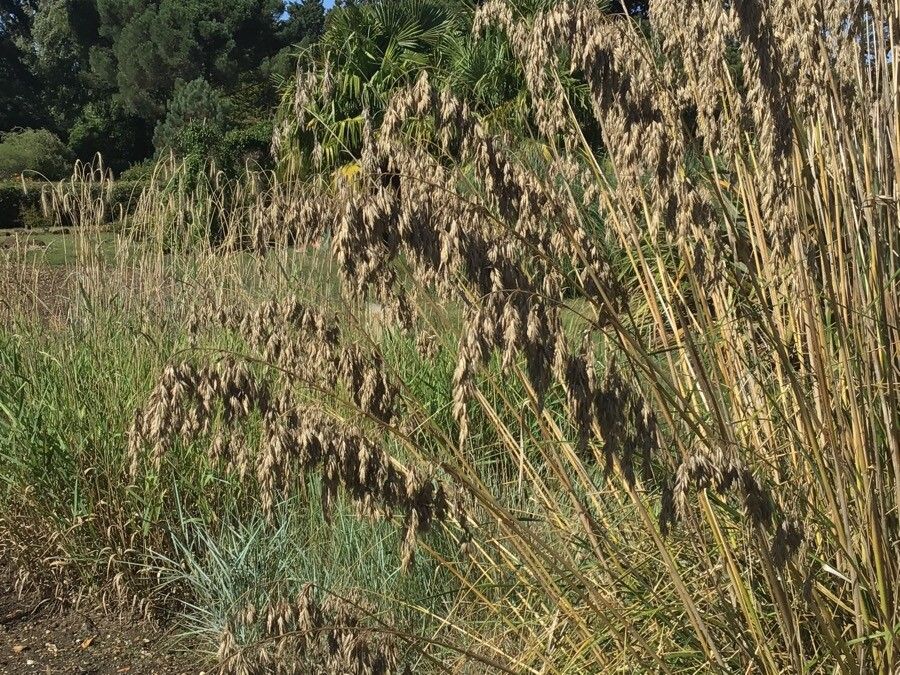
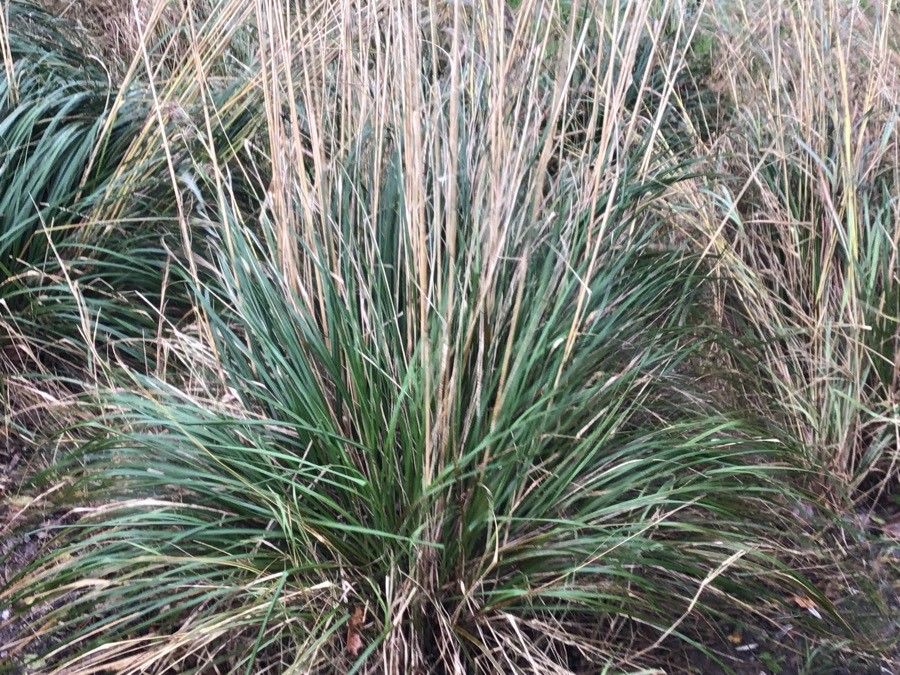
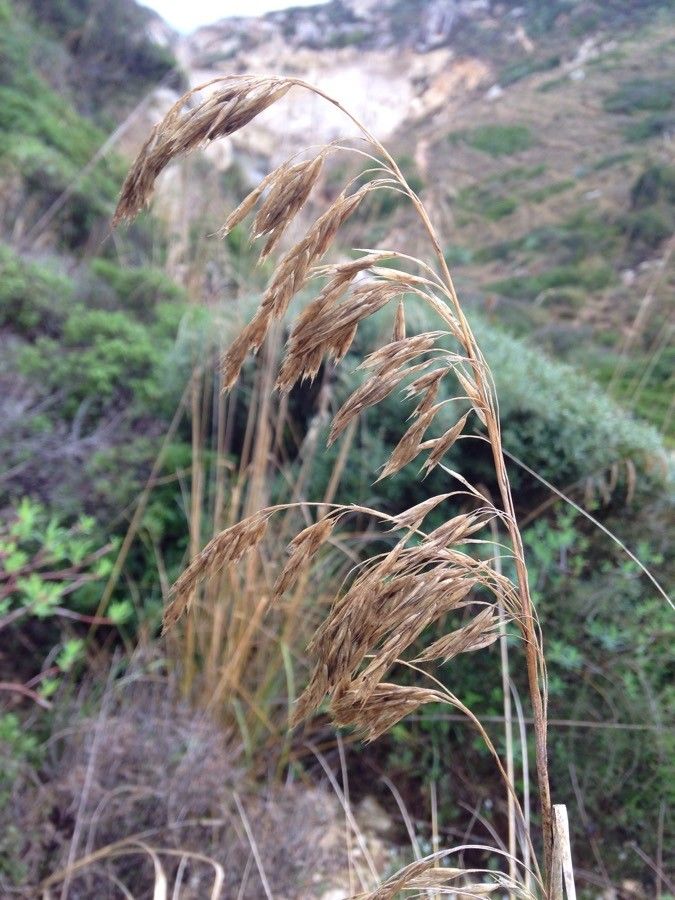
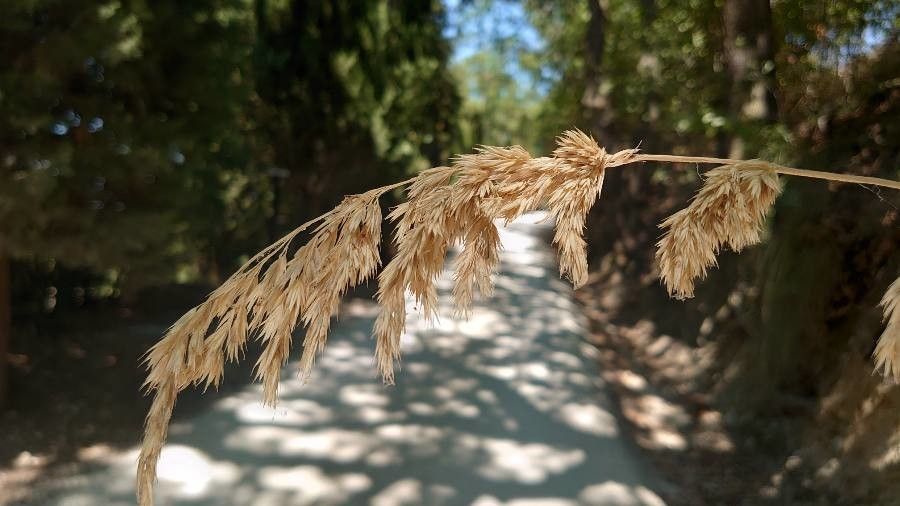
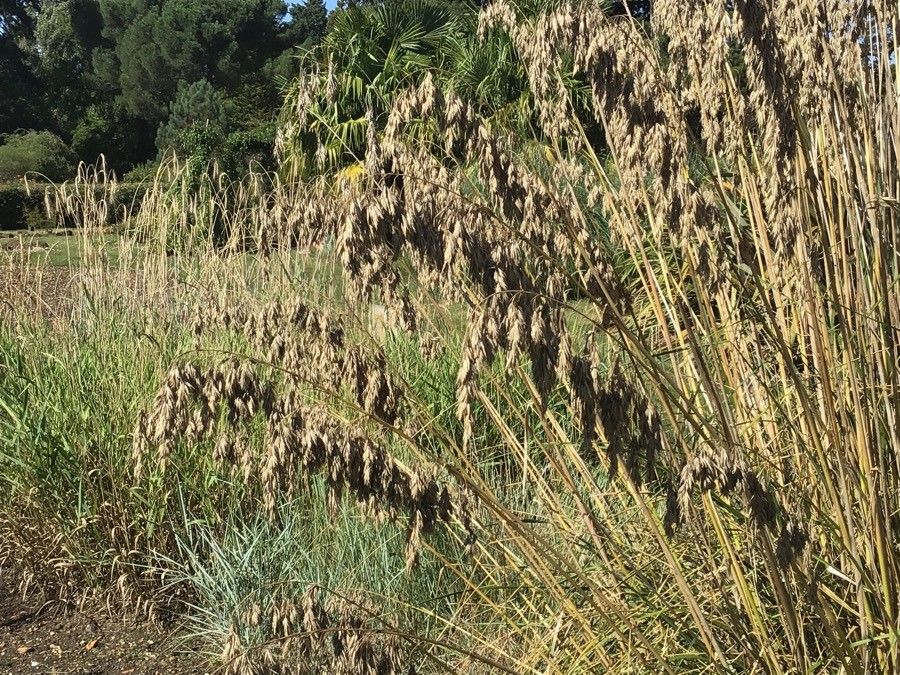
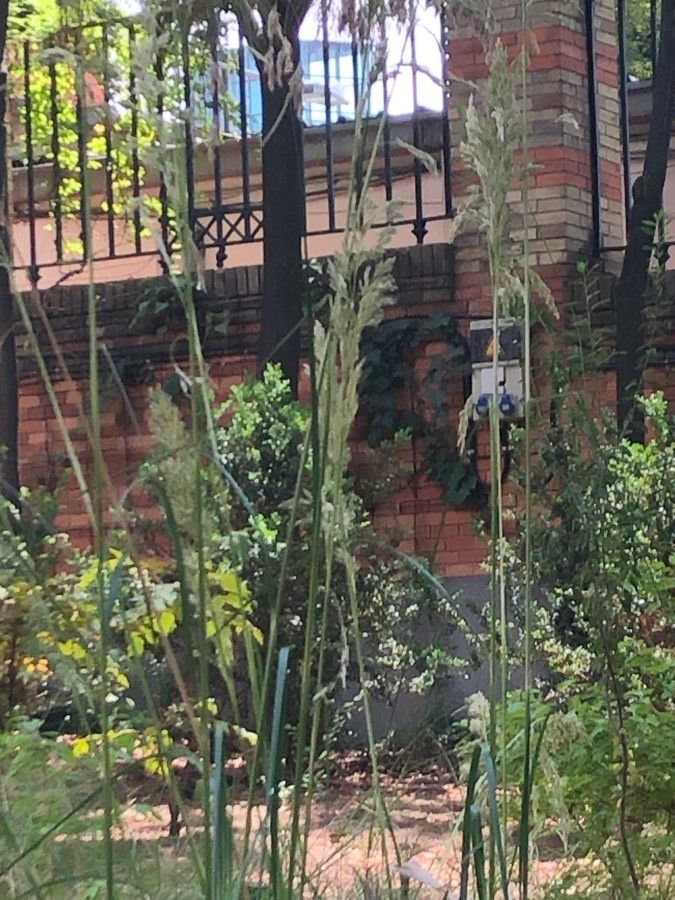
Ampelodesmos mauritanicus, commonly known as Mauritanian needlegrass or Moroccan grass, is a perennial grass species belonging to the Poaceae family. Native to the Mediterranean region, including North Africa, Spain, Italy, and Greece, this plant is well-adapted to its environment.
This species exhibits a clumping growth habit and can reach heights of up to 2 meters. It features long, narrow green leaves with pointed tips. The stems are tough and wiry, sporting sharp edges that can cause injury if handled carelessly.
Ampelodesmos mauritanicus thrives in well-drained soils and can grow in full sun or partial shade. Once established, it is remarkably drought-tolerant. Its robust nature makes it ideal for erosion control on slopes, while its distinctive appearance adds ornamental value to gardens and landscapes.
Beyond its aesthetic appeal, Ampelodesmos mauritanicus also offers medicinal benefits. It contains compounds such as flavonoids and tannins, which possess anti-inflammatory properties.
Overall, Ampelodesmos mauritanicus is a resilient grass species with unique physical traits. Its practical applications for erosion control, along with its medicinal uses, make it a valuable addition to any garden or landscape.
Mauritanian grass has strong resistance to disease and is typically not susceptible to illnesses. With respect to care, this plant is fairly low-maintenance. When grown outdoors it needs only light watering, and larger specimens usually do not require pruning. Smaller specimens, however, should be pruned after they finish blooming. Mauritanian grass is appropriate for anyone with an outdoor area, like a garden or deck, and does not demand much prior care experience.
How to keep Ampelodesmos Mauritanicus.
Light
Mauritanian grass is a perennial herbaceous plant that prefers sunny conditions and comes from open habitats, commonly thriving in meadows and grasslands. It favors full sun but can also tolerate partial sun.
Temperature
Mauritanian grass is fairly adaptable to temperature, tolerating high heat and considerable temperature swings. In hot weather, attention should be paid to irrigation and supplying suitable shade to avoid sunburn. Conversely, Mauritanian grass is relatively weak against low temperatures. While it can endure a certain amount of cold, very cold conditions may result in frost damage.
Fertilizer
Mauritanian grass needs extra nutrients to encourage healthy new growth. In spring, applying compost around the plant's base can effectively supply the required nourishment. Fertilizing helps promote vigorous growth and improves the plant's resistance to diseases and pests.
Pruning
Mauritanian grass is a durable perennial that thrives in sunny, dry conditions. To keep it healthy and encourage new growth, prune the grass in early spring to remove any dead foliage. Ensure good air circulation to prevent fungal issues, and remember that regular pruning not only boosts the grass's vitality but also enhances its ornamental appeal. Overall, Mauritanian grass is a low-maintenance plant.
Botanical profile.
- Plant Type
- Grass
- Life Cycle
- Perennial
- Genus
- Ampelodesmos
- Family
- Poaceae
- Hardiness Zone
- 8-11
- Mature Height
- 0.91 m to 2.13 m
- Mature Spread
- 49 cm to 91 cm
- Leaf Color
- Dark Green
- Leaf Type
- Evergreen
- Flower Size
- 0.51 cm to 1.02 cm
- Bloom Time
- Mid spring, Late spring
- Planting Time
- Spring, Autumn
- Harvest Time
- Early summer, Mid summer
- Native Area
- Libya, Tunisia, Italy, Spain, Algeria, Greece, Croatia, Morocco, France
Other names.