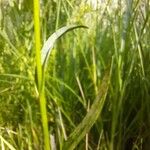
Anacamptis palustris
Bog orchid
Description
Source: leafsnapAnacamptis palustris is a species of orchid. It is found in Europe, North Africa and western Asia. This orchid is native to Western and Central Europe, the Mediterranean region, the Balearic Islands, Turkey, Western Asia, Algeria and Tunisia in North Africa, and Saudi Arabia.It is a perennial herbaceous flower, and can be found in humid pastures, wet meadows and swamps. It prefers calcareous soils in full sun. It flowers in spring. The species epithet palustris is Latin for "of the marsh" and indicates its common habitat.
Care Guide
💧 Water
The bog orchid flourishes in marshy environments, where it prefers consistent moisture but can withstand brief dry periods. To mimic its natural habitat, water it weekly. When grown indoors, the bog orchid thrives with high humidity, promoting lush growth and vibrant flowering during its active growing season.
How should I water my Bog orchid?
The way you water the Bog orchid depends on whether it is in an active growth phase or not. During active growth, you should water the soil and occasionally wet the leaves if the weather is warm. In winter or cool/wet weather, stick to watering the soil only. If the roots and leaves become dry or discolored, the orchid needs more water. If it receives too much water, it will look mushy and limp. Use a pot with good drainage for the orchid and water it multiple times per week during the growing season, ensuring that each watering drains quickly. The amount of water depends on the pot size, with larger pots needing less frequent watering. Use rainwater or distilled water that matches the temperature of the air as closely as possible.
What do I do if I give my Bog orchid too much or too little water?
To prevent killing your Bog orchid, it's important to avoid keeping the soil too wet for too long. While these plants need frequent watering when actively growing, they also require well-draining soil. Overwatering can lead to the plant becoming mushy and developing root rot. If this happens, you can trim away any rotten roots using sterile pruning shears. Afterward, repot the orchid in a container with good drainage and fill it with fast-draining potting mix. However, excessive repotting may not benefit the Bog orchid, so it's essential to find the right balance of watering. If you notice your orchid shriveling or feeling dry, it may be underwatered due to the soil drying out faster than you anticipated. In such cases, you should increase the frequency of watering.
How often do I have to water my Bog orchid?
During the active growth stage in spring and summer, it's best to water your Bog orchid once or twice per week. If the weather is hot and dry for extended periods, you may need to water it three times per week or more. In winter, you still need to water the orchid, but not as much. Two to three times per month should be sufficient to keep it alive during the coldest months. However, if you keep the orchid indoors, be aware that indoor locations can dry out the soil more quickly. You may need to water it more frequently. As fall approaches, gradually reduce the watering frequency from multiple times per week to a reduced schedule for winter.
What do I need to think about when watering my Bog orchid at different times of the year and when it is growing?
When planning the watering schedule for your Bog orchid, it's important to consider two growth phases. The first phase is the active growth period during spring and summer. During this time, you should water the plant multiple times per week. The second phase is the rest period that occurs for about two to three months in winter. During this period, the Bog orchid requires less water and fertilization. Watering once or twice per month is sufficient. In the fall, gradually reduce the watering frequency from multiple times per week to once or twice per month to prepare for the winter rest period.
What changes should I make when watering my Bog orchid indoors?
The Bog orchid needs a relatively humid environment to grow well. However, most indoor growing locations don't have enough moisture in the air for this plant. As a result, the plant and its soil may dry out faster compared to when grown outside. To counter this, it's a good idea to have a humidifier in the room where you grow the Bog orchid. You may also need to water it more often. But keep in mind that while this plant prefers humidity, it also needs proper air circulation to prevent excessive moisture and diseases. Adding a fan to the room is another way to ensure good airflow for the plant.
☀️ Light Partial sun
The bog orchid is native to places like forest understories and rocky areas, where it grows in naturally shaded conditions. It prefers partial sun but can also tolerate full sun or full shade, reflecting its adaptability and hardiness.
What are the sunlight requirements for Bog Orchid?
Bog Orchid requires partial sun, thriving on about 3-6 hours of sunlight daily. It can also tolerate full sun conditions, which means it can flourish with over 6 hours of sunlight. It's essential to monitor the movement of sunlight through your garden to find the ideal spot that offers a balanced environment of light and shade, ensuring the plant's well-being.
What essentials should be considered for growing Bog Orchid?
Bog Orchid, with its native habitat in forest understories or rocky areas, prefers partial sun but can also grow well in full shade. This makes it a versatile perennial herb. For indoor plants lacking natural sunlight, especially during winter or in darker spaces, artificial lighting like LED lights provides a necessary boost, simulating natural light conditions. The appropriate artificial lighting setup varies based on the plant's sunlight needs, ranging from 10-20W/sq ft for full shade plants up to 30-50W/sq ft for those requiring full sun.
What are the symptoms of light deficiency in Bog Orchid?
When Bog Orchid is grown under insufficient light, it may exhibit symptoms such as smaller new leaves, leggy or sparse growth, faster leaf drop, slower or halted growth, and lighter-colored or yellowing leaves due to chlorosis. Other symptoms include sunscald, leaf curling, wilting, and leaf scorching, which are indicative of excessive sunlight. Each of these signs points towards the need to adjust the plant's exposure to light, ensuring it receives the optimal amount for healthy growth.
How can I address light deficiency issues in my Bog Orchid?
To address light deficiency in Bog Orchid, gradually increase its exposure to sunlight by shifting it to sunnier spots each week until it receives the appropriate amount of direct sunlight, about 3-6 hours daily. For indoor or immovable plants, supplementing with artificial light, such as keeping a lamp on for at least 8 hours daily or using professional grow lights, can provide the necessary light. If outdoor plants are affected, ensure they are gradually moved to spots with better sunlight, avoiding abrupt changes that could cause sunburn. For plants blocked by obstacles like trees, consider pruning to improve sunlight access or transplanting smaller plants during their dormant period to more sunlit areas.
🌡️ Temperature 15–35°C
Bog orchid can tolerate a broad range of temperatures, but its distribution may still be constrained by different combinations of moisture and heat. It performs best in warm summers with adequate rainfall or watering. Extended periods of cloudy, rainy weather, as well as prolonged high temperatures, can raise the likelihood of the Bog orchid dying. In winter, proper protection from cold can improve the plant's survival rate.
💨 Humidity
🪴 Soil 6-7
🌱 Fertilizer
The best time to fertilize a Bog orchid is in early spring, as it is coming out of dormancy and starting active growth. Fertilizing supplies essential nutrients for healthy development. Although the Bog orchid needs relatively little fertilizer, applying it annually can improve its survival and encourage better, longer-lasting blooms.
🪴 Pot & Repot
✂️ Pruning
The Bog Orchid showcases striking flowers in wetland areas. To maintain its health, gently prune spent blooms from early to late spring and remove any dead foliage. Be careful to avoid heavy pruning, as it can stress the plant. To prevent disease, always use sterilized tools. Proper timing and making minimal cuts are crucial for promoting healthy growth and enhancing blooming.
🌿 Propagating
🐛 Diseases & pets
☠️ Toxicity
Characteristics
- Plant Type
- Herb
- Life Cycle
- Perennial
- Genus
- Anacamptis
- Family
- Orchidaceae
- Hardiness Zone
- 7-9
- Mature Height
- 49 cm
- Mature Spread
- 15 cm to 30 cm
- Leaf Color
- Green
- Leaf Type
- Deciduous
- Flower Color
- Purple, Lavender
- Flower Size
- 1.02 cm to 2.03 cm
- Bloom Time
- Late spring, Early summer
- Planting Time
- Spring, Summer
- Harvest Time
- Mid summer, Late summer