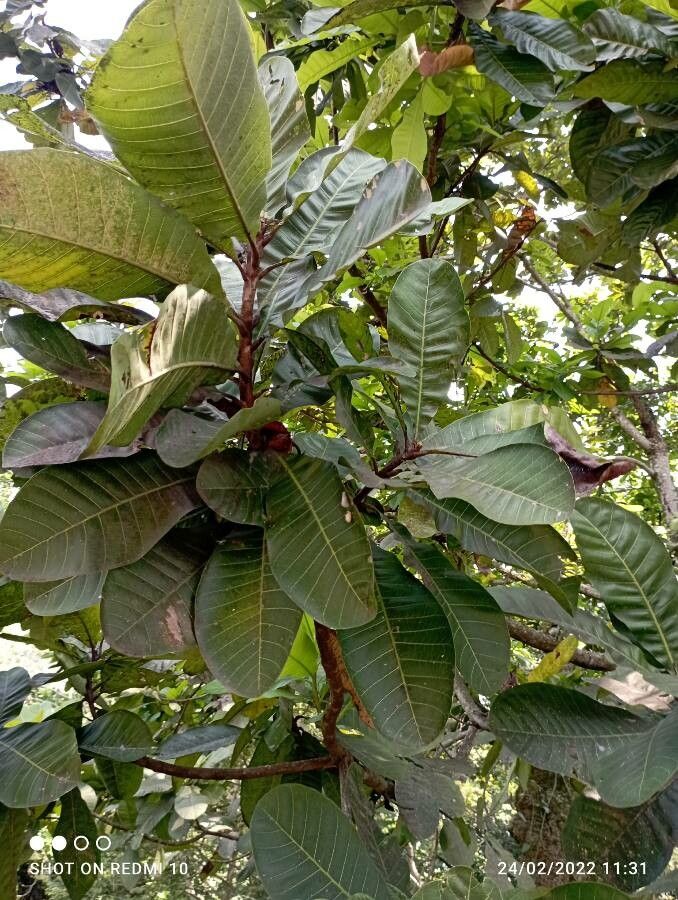
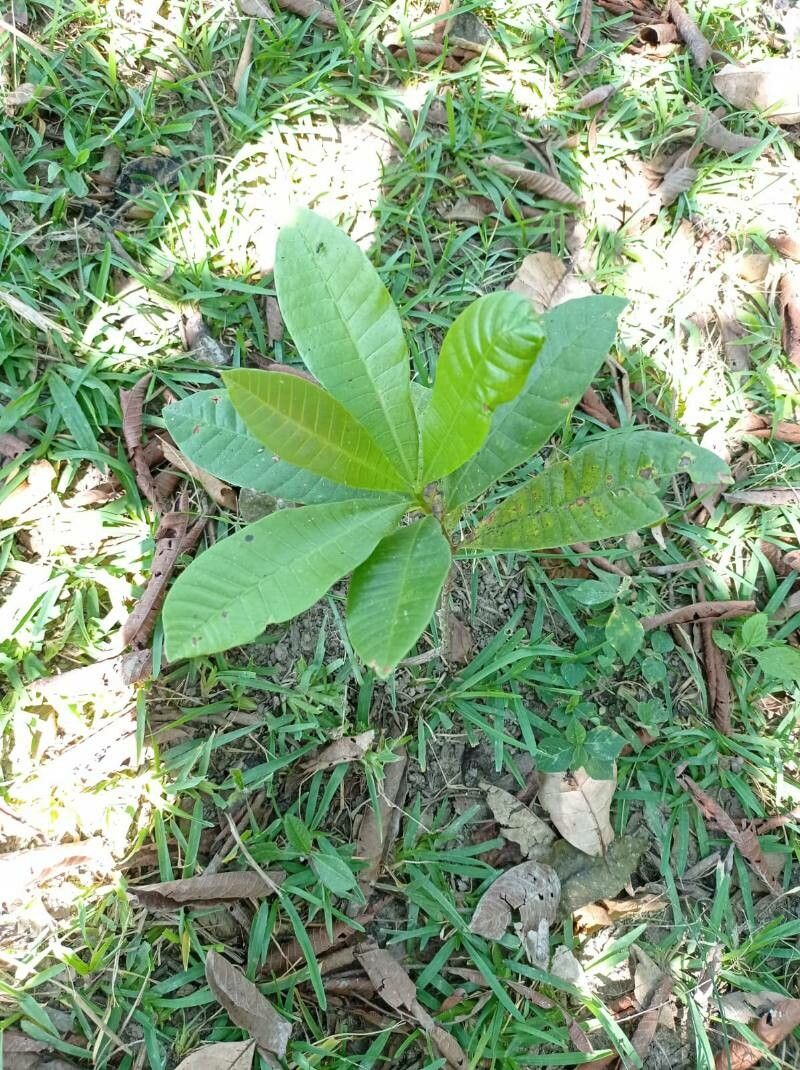
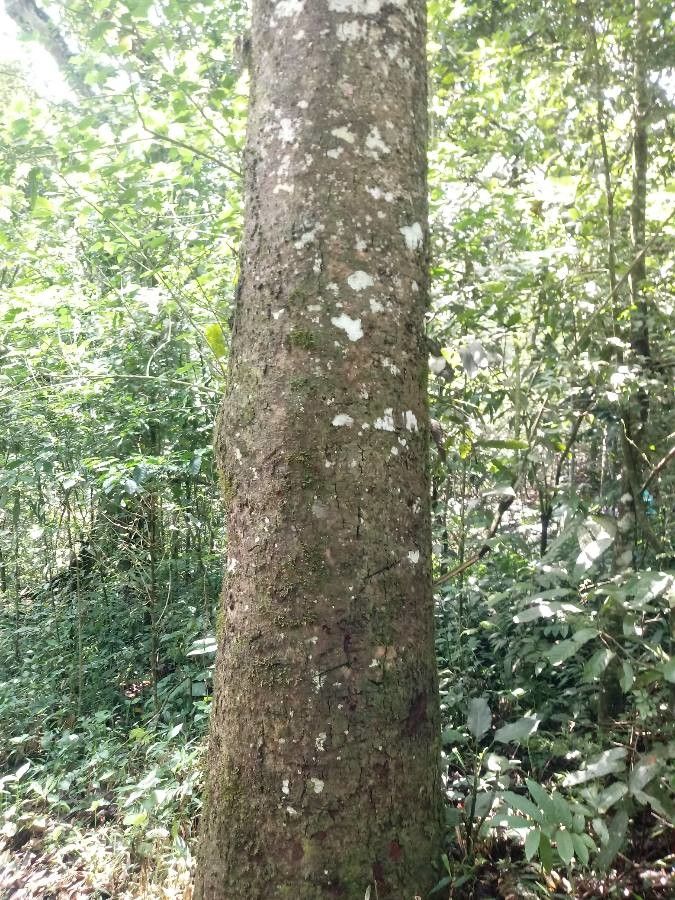
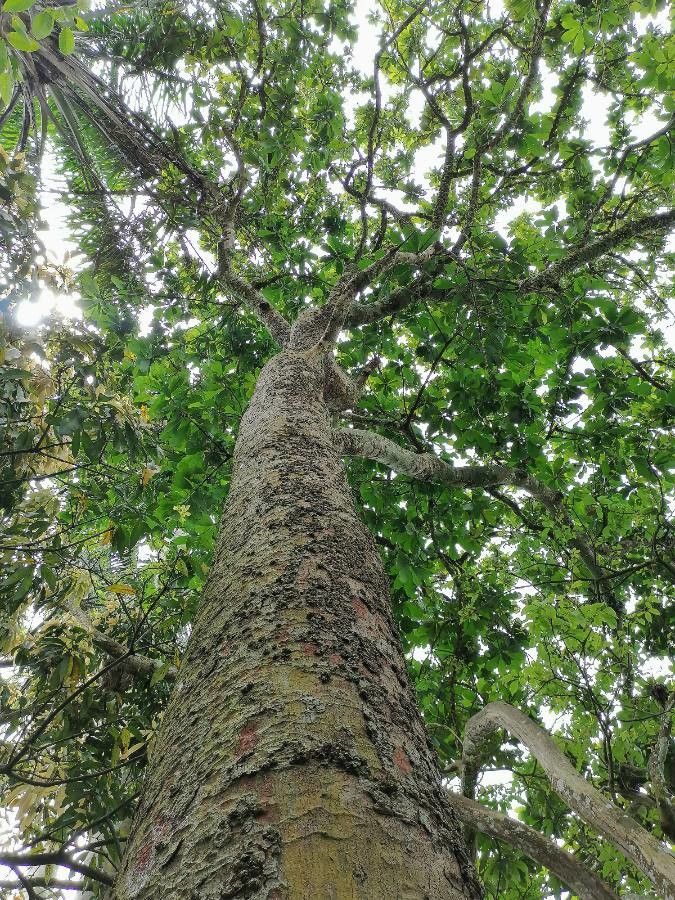
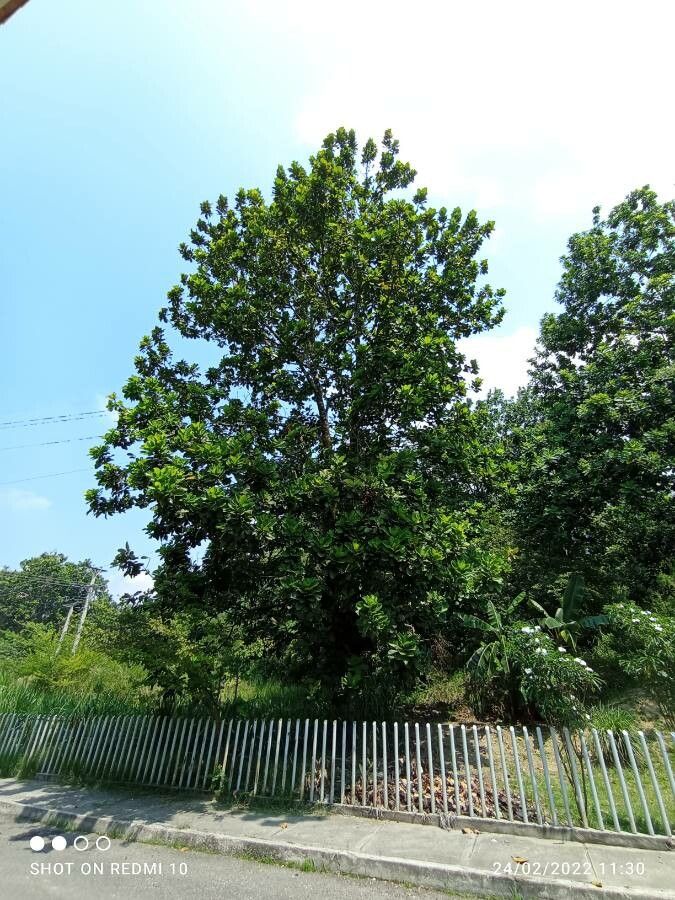
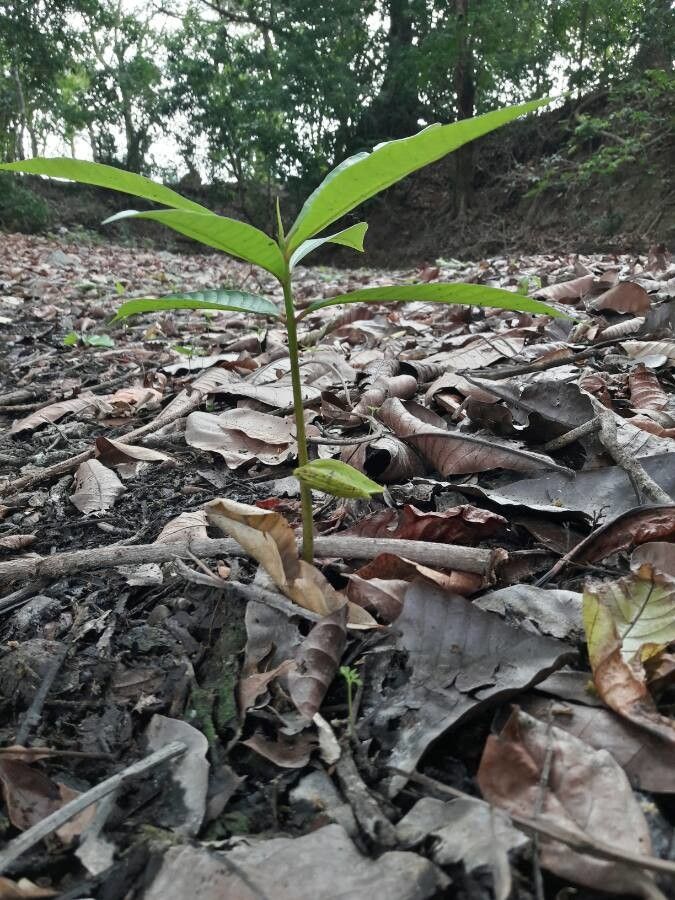
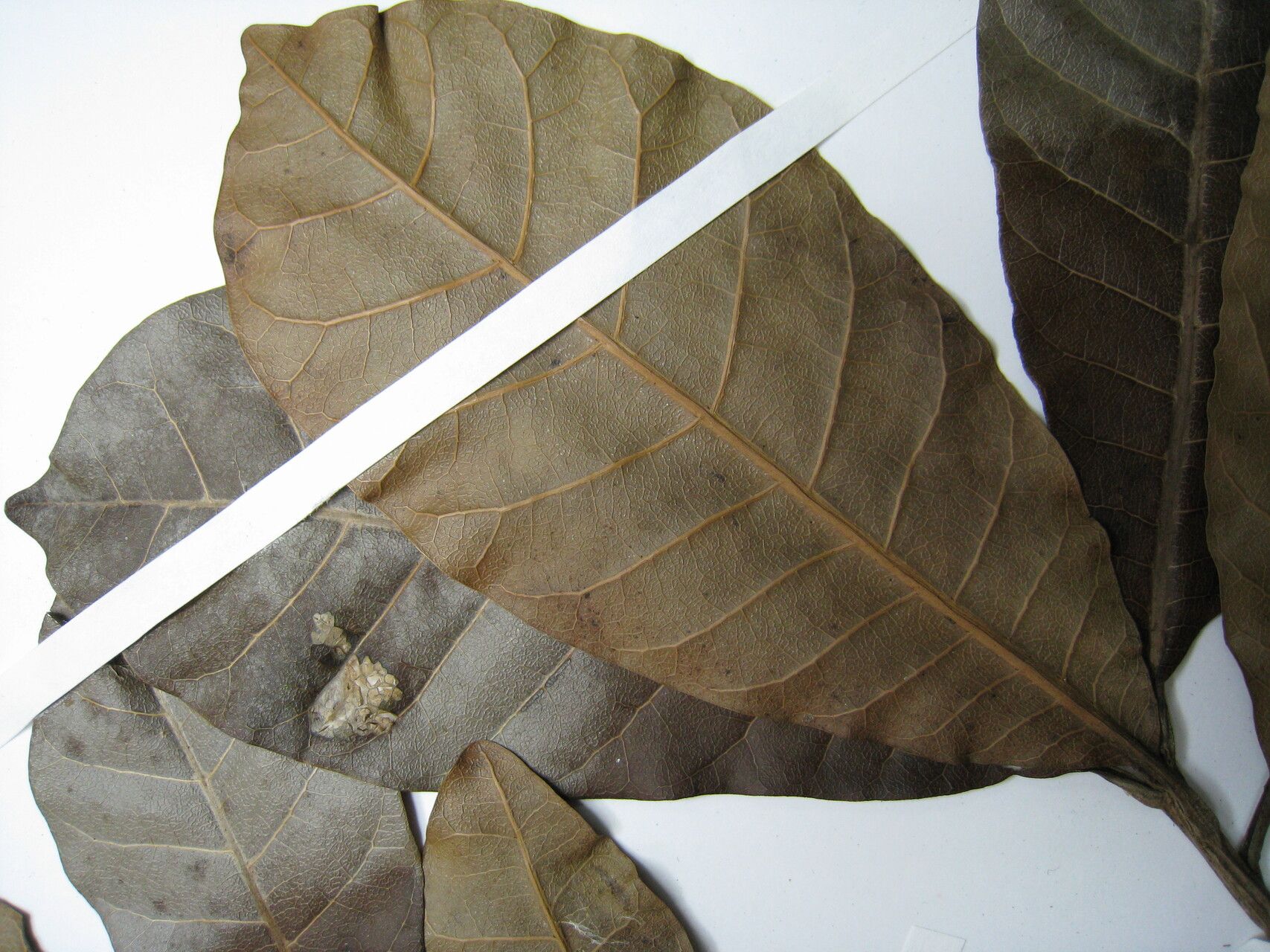
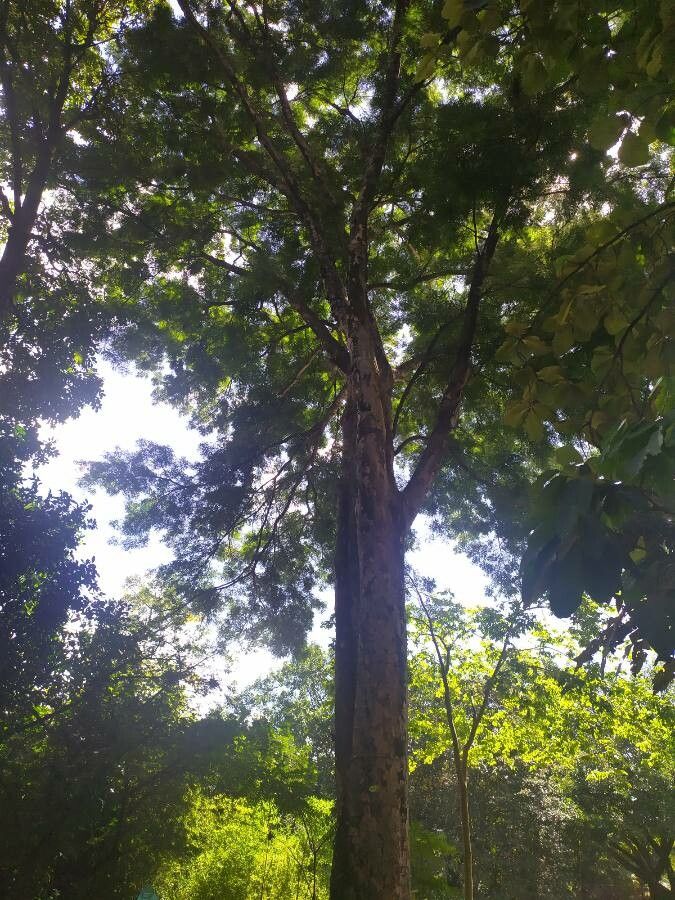
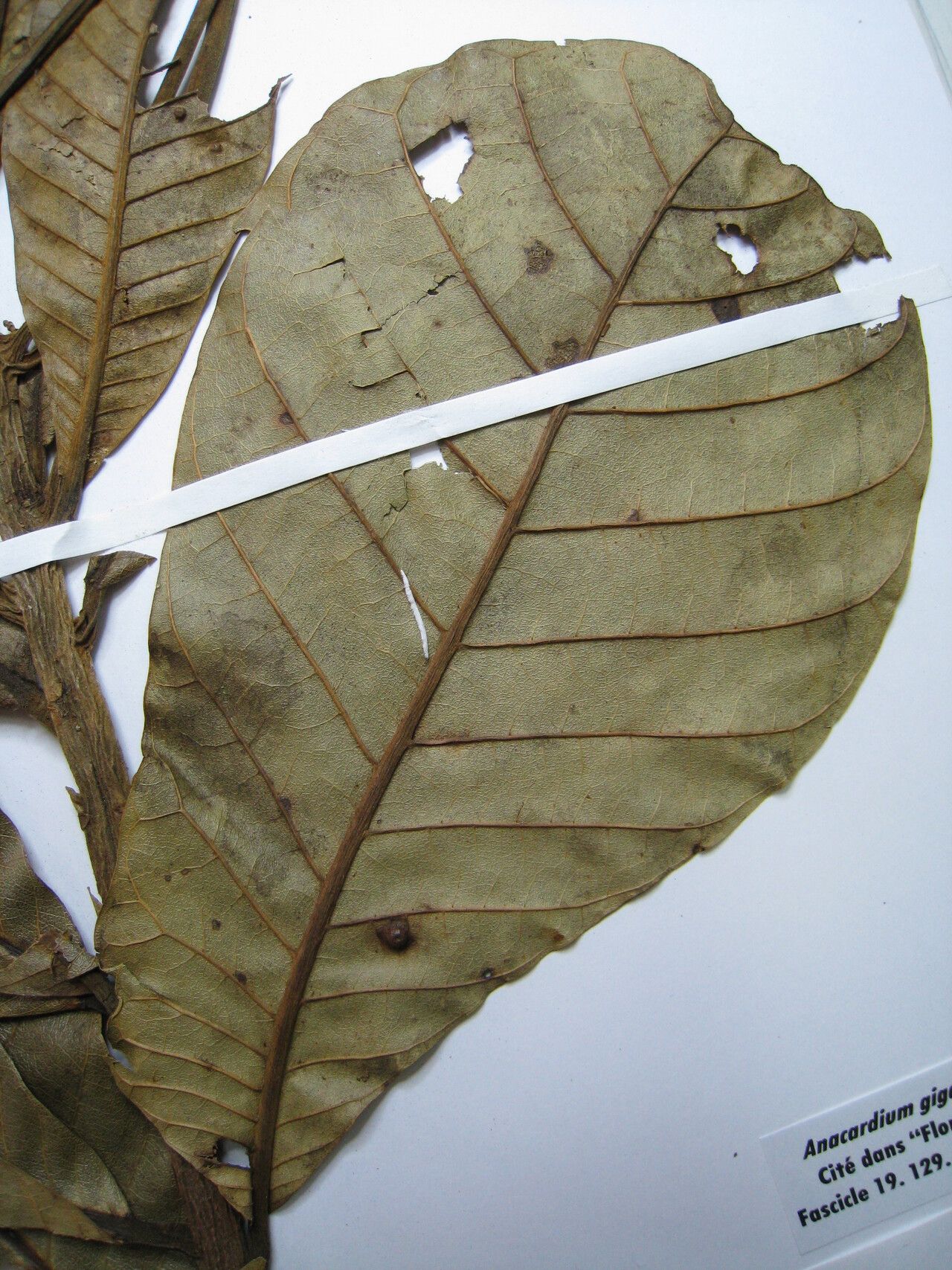
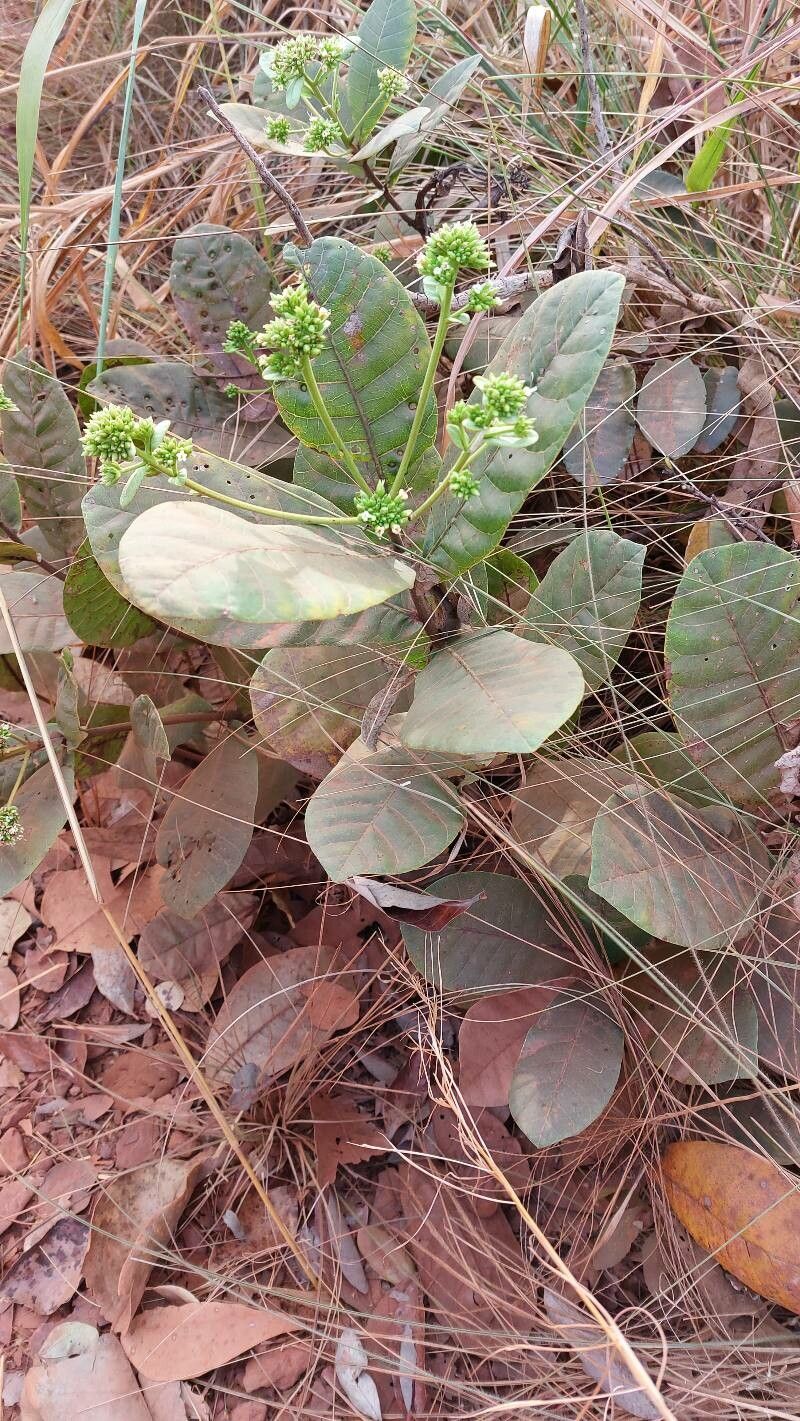
Anacardium excelsum, commonly known as the South American cashew or caja, is a tropical tree species belonging to the Anacardiaceae family. Native to South America, it can be found in countries such as Brazil, Colombia, Ecuador, and Peru. This tree can grow up to 30 meters tall and features a broad crown adorned with dark green leaves that are 10-20 cm long.
The fruit of Anacardium excelsum is a kidney-shaped drupe measuring about 2-3 cm in length. Encased in a hard outer shell, the fruit contains an edible kernel or nut inside. While similar in taste and appearance to the cashew nut, this nut is not commercially cultivated like its more well-known relative.
Indigenous people have utilized Anacardium excelsum for centuries for its medicinal properties. Extracts from the bark are believed to possess anti-inflammatory properties, making them useful in treating various ailments such as arthritis, fever, and diarrhea.
The wood from Anacardium excelsum is also highly prized for its durability and resistance to termites, making it ideal for construction purposes.
Overall, Anacardium excelsum plays a significant role in traditional medicine and serves as an important source of timber within its native range.
Wild cashew is well resistant to disease and is generally not susceptible to illnesses. In terms of care, this plant is fairly low maintenance. When grown outdoors it needs only minimal watering, and larger plants typically do not require pruning. Smaller plants, however, should be trimmed after they have finished blooming. Wild cashew is suitable for anyone with an outdoor area, such as a garden or a deck, and does not demand much plant-care experience.
How to keep Anacardium Excelsum.
Light
The wild cashew is native to open habitats, such as sunny meadows and forest margins, that provide abundant light. It performs best in Full Sun but can also tolerate Partial Sun, remaining adaptable to different light conditions.
Temperature
Wild cashew comes from tropical areas where the climate is generally warm and humid. As a result, it is well adapted to high heat and moisture. It does not tolerate sudden temperature shifts and prefers a steady thermal environment, so avoiding temperature fluctuations indoors is important. It generally cannot withstand cold conditions and needs relatively high temperatures to grow. If the environmental temperature falls too low, the plant may stop growing or even die.
Fertilizer
Fertilization is essential for the care of the Wild cashew. Regular feeding during the growing season helps maintain energy for its showy leaves and supports overall growth. Failing to fertilize can lead to unhealthy leaves, reduced ornamental appeal, and stunted or weak growth that is prone to breakage.
Pruning
Wild cashew is a large tropical tree known for its broad canopy and distinctive nut production. The best time for pruning is early spring, when you should focus on removing dead branches and thinning out crowded areas. This practice encourages growth, enhances resilience against strong winds, and reduces the risk of disease. Make sure to use clean, sharp tools to minimize damage to the tree.
Botanical profile.
- Plant Type
- Tree
- Life Cycle
- Perennial
- Genus
- Anacardium
- Family
- Anacardiaceae
- Hardiness Zone
- 10-12
- Mature Height
- 24.99 m to 39.93 m
- Mature Spread
- 14.94 m to 24.99 m
- Leaf Color
- Dark Green, Forest Green
- Leaf Type
- Evergreen
- Flower Color
- White
- Flower Size
- 0.51 cm to 0.76 cm
- Bloom Time
- Late winter, Early spring, Mid spring
- Planting Time
- Spring
- Harvest Time
- Late spring, Early summer, Mid summer
- Native Area
- Colombia, Honduras, Venezuela, Nicaragua, Ecuador, Costa Rica, Panama
Other names.