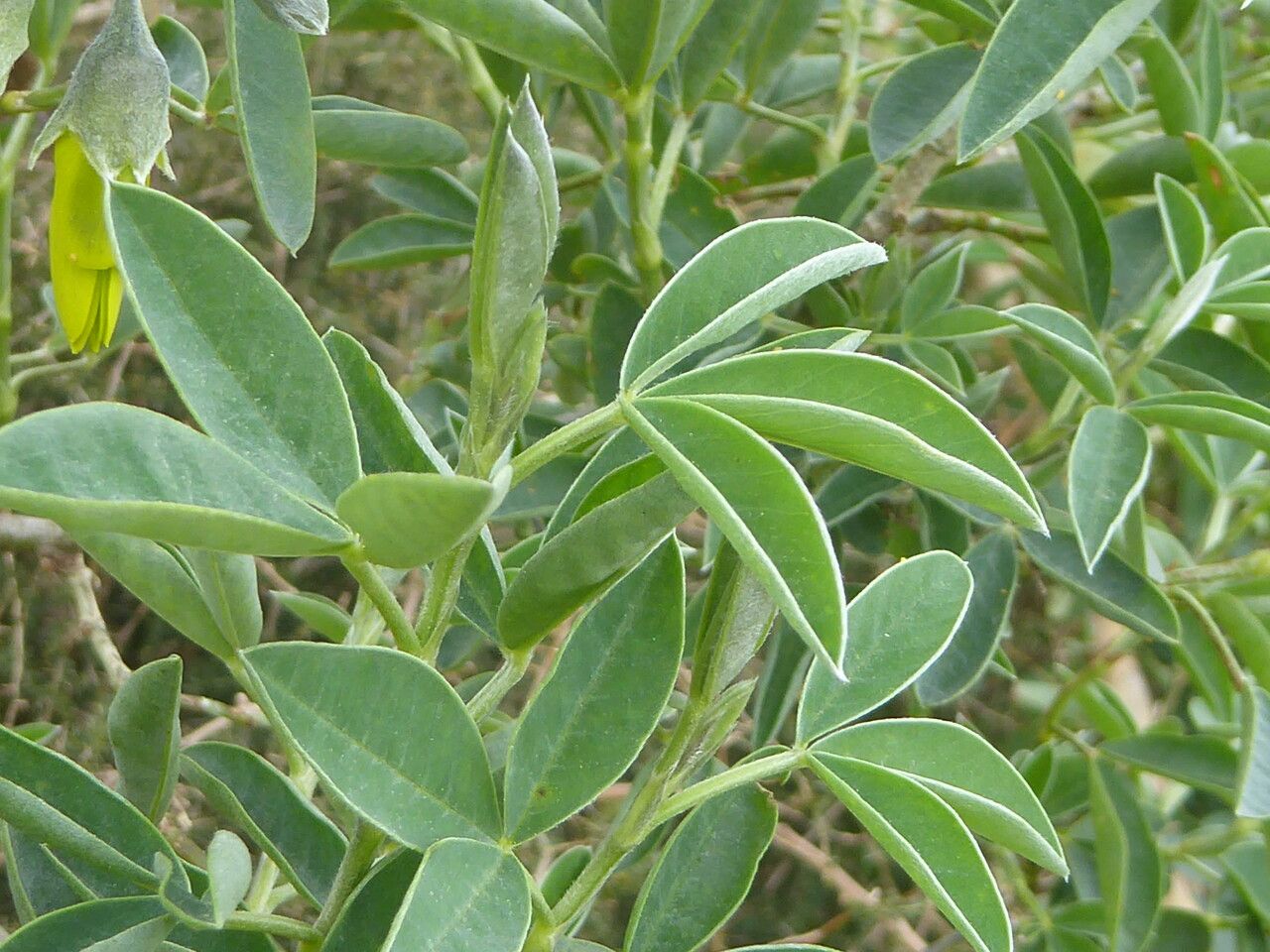
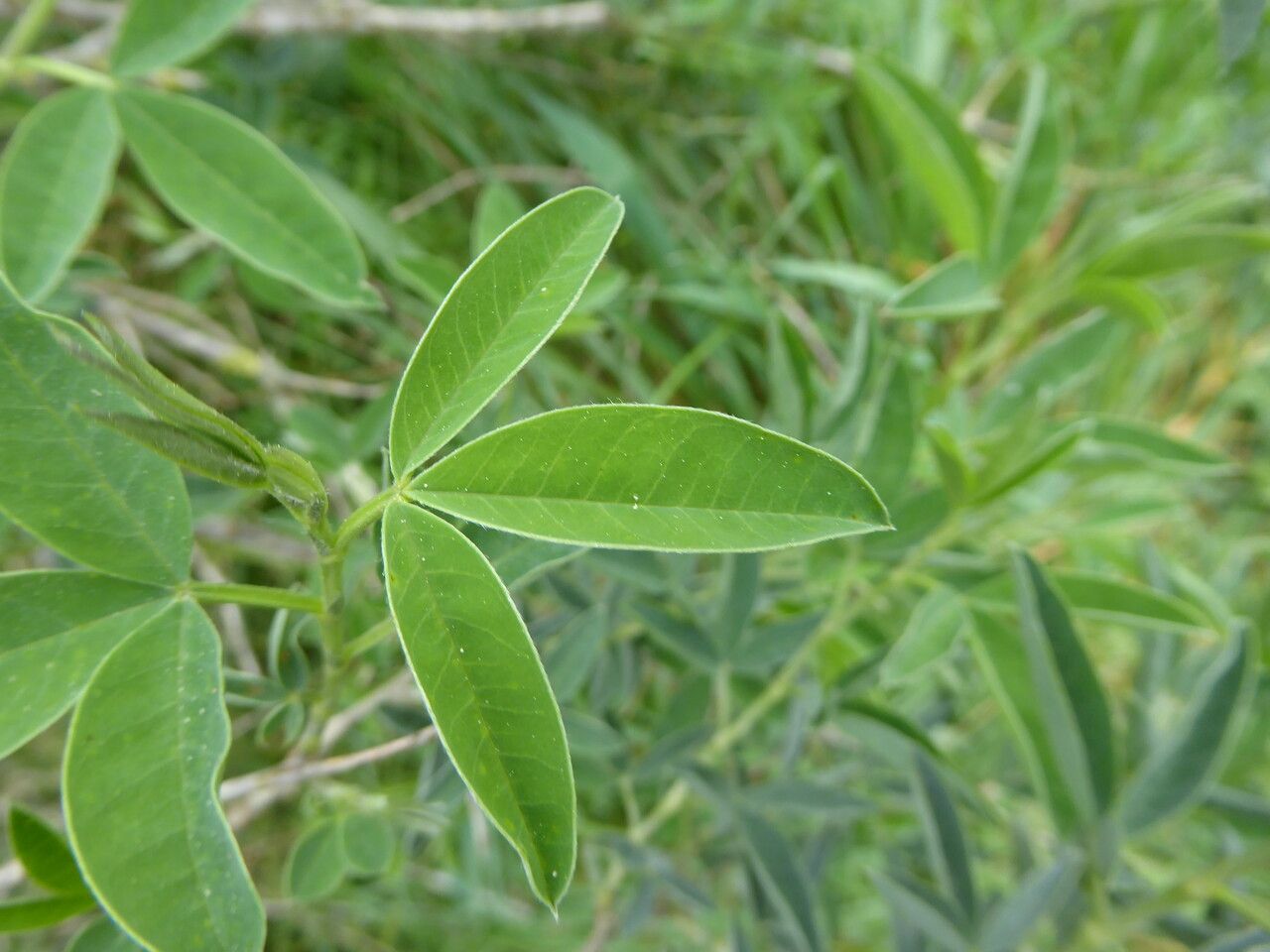
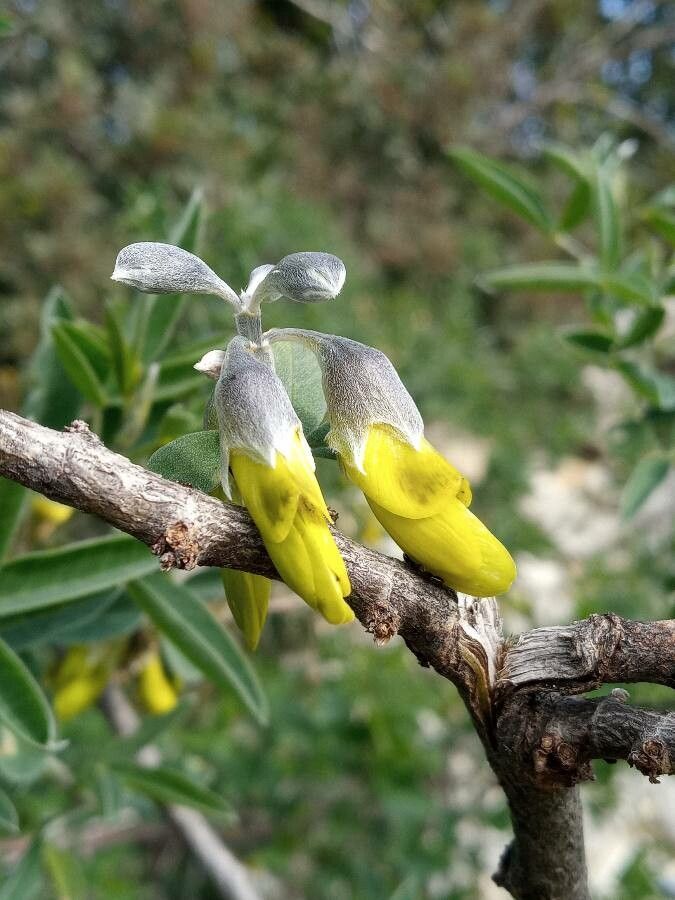
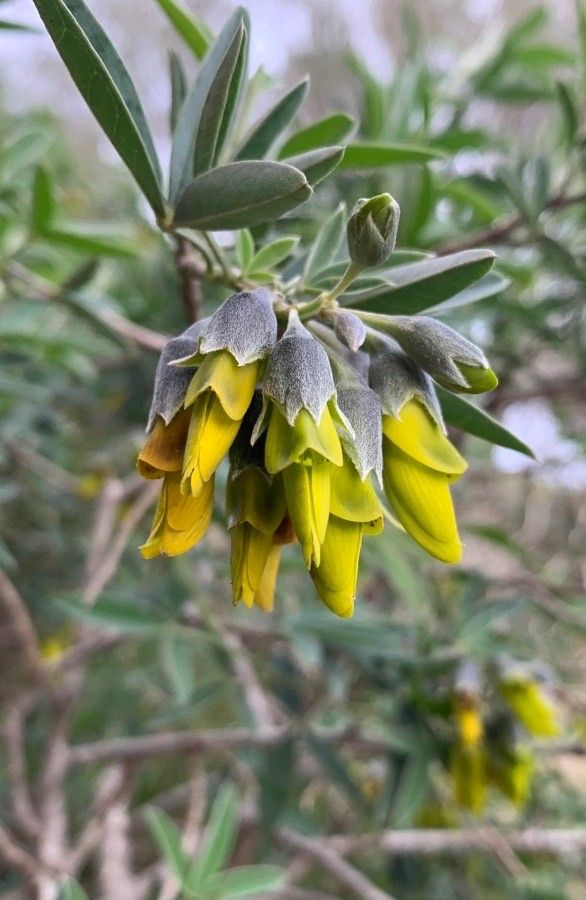
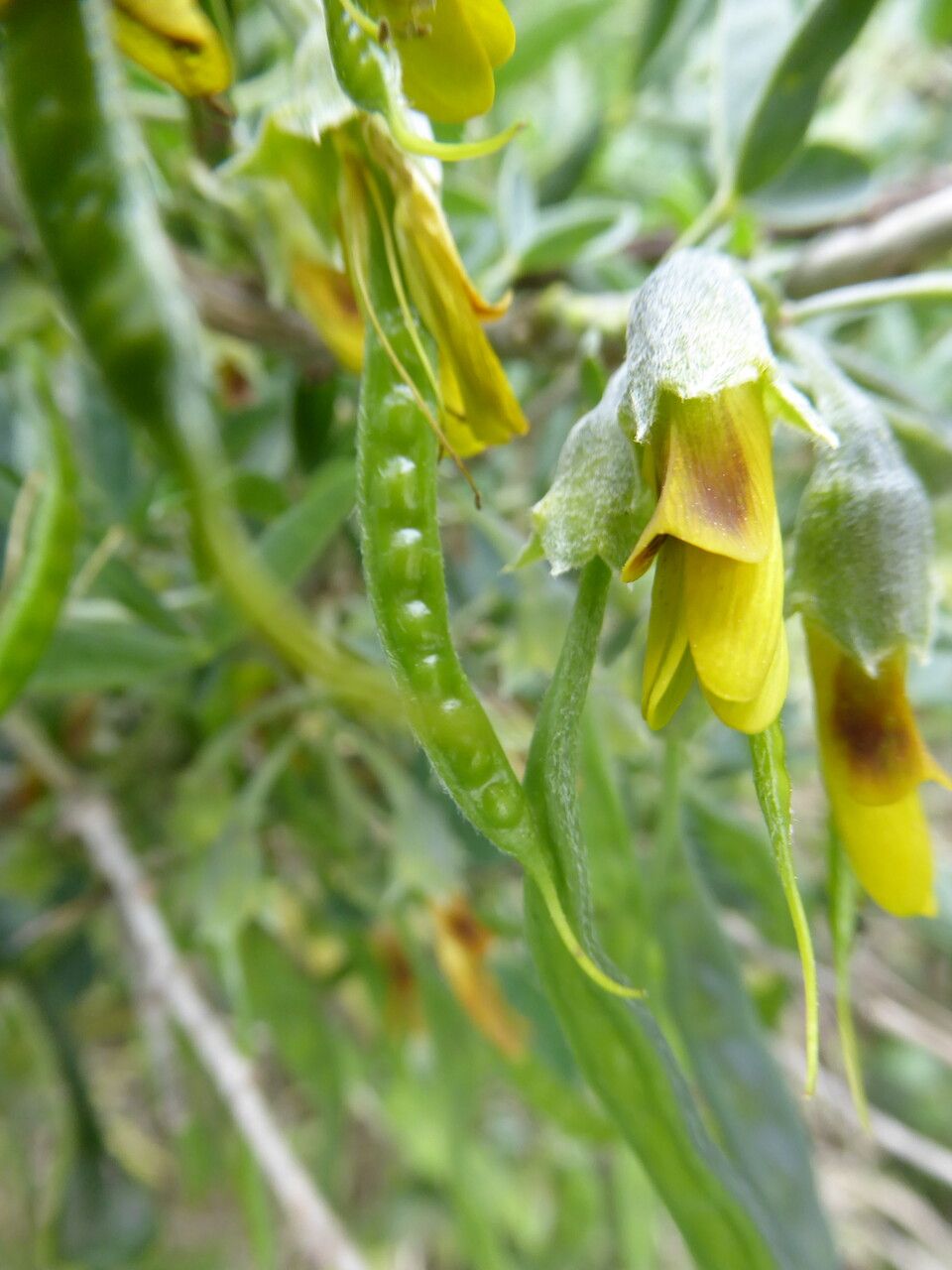
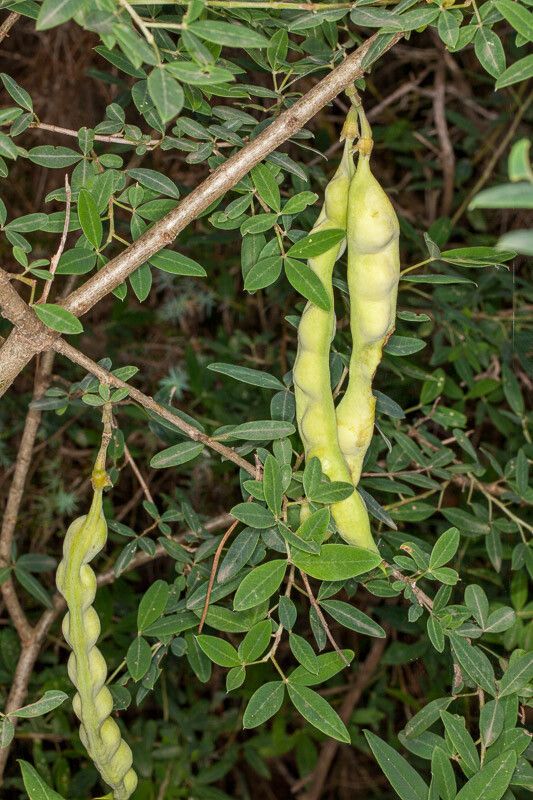
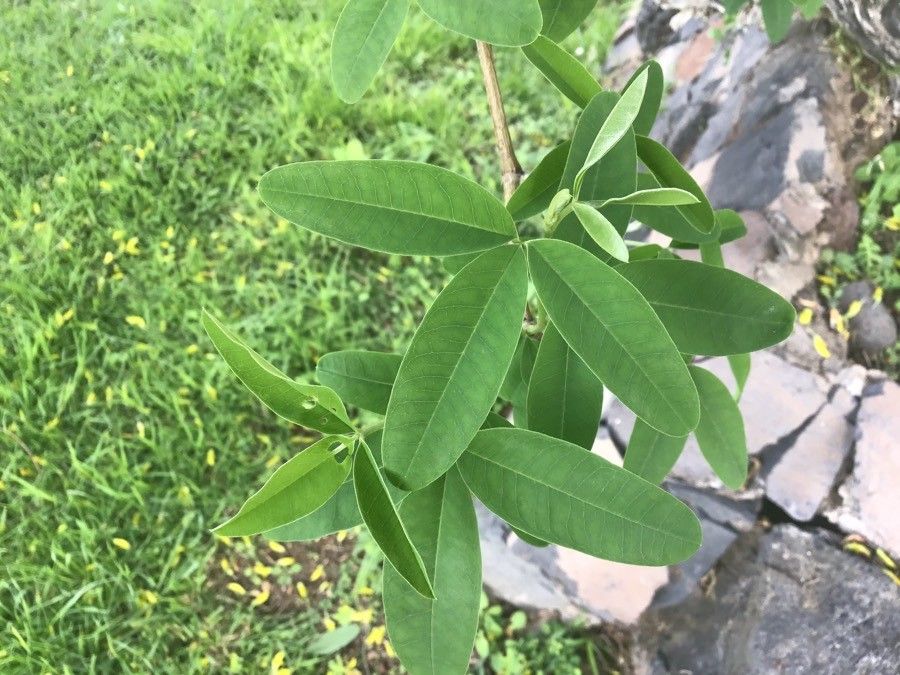
Anagyris foetida, commonly known as the Stinking Bean or the Mediterranean Pea, is a flowering plant in the Fabaceae family. It is native to Mediterranean regions and can be found in countries such as Spain, Portugal, Italy, and Greece.
The plant grows up to 1 meter in height and features a woody stem with small leaves composed of three leaflets. Its flowers are yellow with a red center and bloom from May to July. The fruit of Anagyris foetida is a pod containing several seeds.
Anagyris foetida has been used for medicinal purposes for centuries due to its anti-inflammatory properties. It has also served as an insecticide, thanks to its strong odor, which repels insects.
The plant prefers well-drained soil in full sun or partial shade and can tolerate drought conditions once established. It can also thrive in poor soil, making it an ideal choice for landscaping projects.
Overall, Anagyris foetida is an intriguing plant with unique properties that make it valuable both medicinally and horticulturally.
Bean clover is relatively disease-resistant and usually not prone to illnesses. However, it can be vulnerable to pests and diseases present in its surroundings. These outbreaks are generally minor. Regarding care, the plant calls for moderate maintenance. It should be pruned regularly to maintain an attractive appearance and healthy growth. Fertilizing can also encourage flowering. Bean clover works well for anyone with outdoor space, such as a garden or patio, and does not demand much gardening experience. It may need extra care when kept indoors.
How to keep Anagyris Foetida.
Light
Bean clover is a perennial herbaceous plant that prefers sunny conditions and comes from open habitats, frequently growing in meadows and grasslands. It favors full sun but can also tolerate partial sun.
Water
Bean clover flourishes in a Mediterranean climate where there is moderate rainfall and well-drained soil. It is drought-resistant and needs weekly watering without becoming oversaturated. Its deep root system helps maintain hydration, particularly during the crucial flowering stage in rocky outdoor areas.
Temperature
Bean clover occurs naturally in areas with temperatures ranging from 59 to 90 °F (15 to 32 ℃). It favors moderate to warm climates. To ensure proper growth, adjust indoor temperatures as the seasons change.
Fertilizer
Usually one spring application of fertilizer is enough for Bean clover, though repeated feedings can optimize growth. Apply fertilizer every one to one and a half months. Fertilizing improves the leaves' appearance and function, encouraging uniform color and a healthy texture. It also promotes root development and nutrient uptake, supporting long-term plant health.
Pruning
Bean clover, famous for its unique fragrance and vibrant yellow flowers, flourishes when pruned correctly. Essential techniques include removing dead branches to encourage new growth and shaping the plant. For the best results, prune between early and late spring. This timing helps ensure good air circulation, which prevents disease and enhances flowering.
Botanical profile.
- Plant Type
- Herb
- Life Cycle
- Perennial
- Genus
- Anagyris
- Family
- Fabaceae
- Hardiness Zone
- 8
- Mature Height
- 1.52 m
- Mature Spread
- 2.13 m to 3.05 m
- Leaf Color
- Green, Dark Green
- Leaf Type
- Semi-evergreen
- Flower Color
- Yellow
- Flower Size
- 0.51 cm
- Bloom Time
- Late winter, Early spring, Mid spring
- Planting Time
- Spring, Autumn
- Harvest Time
- Summer
- Native Area
- Saudi Arabia, Libya, Turkey, Tunisia, Montenegro, Cyprus, Greece, Croatia, Morocco, Yemen, Lebanon, Iraq, Portugal, Syria, Italy, Spain, Iran, Albania, Algeria, France
Other names.
Reader questions.
How should I water my Bean clover plant?
To properly water the Bean clover, it is recommended to use filtered water at room temperature. Tap water may contain harmful particles that can affect the plant's health. Since the Bean clover originates from warm environments, it is best to avoid using cold water as it can be a shock to the plant. Additionally, it is not advisable to water the plant from above as it can cause issues with the foliage. Instead, apply filtered room temperature water directly to the soil until it is fully soaked. This helps to moisturize the roots and facilitate the spread of nutrients throughout the soil, benefiting the plant's overall growth.
What are the sunlight requirements for bean clover?
Bean clover, or Anagyris foetida, is a perennial herbaceous plant that thrives in full sun to partial sun conditions. Full sun refers to areas that receive above 6 hours of sunlight a day, while partial sun refers to about 3-6 hours of sunlight daily. It's crucial to watch how sunlight moves through your garden to choose the best spots for your plants, ensuring a balance of light and shade to keep them happy.
What is the native climate for Bean Clover?
Bean clover, scientifically known as Anagyris foetida, thrives in environments where the temperature ranges from 59 to 90 °F (15 to 32 °C). It flourishes in moderate and warm climates, ideally adjusting to the indoor temperature as the seasons change. Thanks to its strong cold resistance, the bean clover generally does not require special frost protection measures in winter. However, protection is advised if winter temperatures are expected to fall below -10°C, using materials like soil or straw for coverage. Prior to the first freeze of autumn, it's recommended to water the plant abundantly to keep the soil moist, which helps prevent drought and water scarcity during the colder months and into early spring.
What should I do if I give my Bean clover too much water or too little water?
Overwatering is a more common issue and can be harmful to your Bean clover. It can cause wilting and yellowing of the stems and leaves. Over time, it can also lead to diseases like root rot, mold, and mildew, which can kill the plant. Underwatering is less common, as Bean clover is fairly drought-tolerant. However, if it happens, the leaves will become brittle and brown. It's important to notice signs of overwatering early, as some diseases may not be reversible if left too long. Reduce watering immediately if you see early signs. Check the soil drainage, and replace it with a well-draining mix if it's poor. If your Bean clover is not receiving enough water, increase watering until the signs of underwatering are gone.
What are the essentials for growing bean clover?
Bean clover is a sun-loving perennial that originates from open habitats like meadows and grasslands, preferring full sun but also tolerating partial sun conditions. For indoor plants that can't get enough natural sunlight, especially in winter or less sunny spaces, artificial lighting plays a critical role. Indoor plants benefit from adequate artificial lighting, with LED lights being a popular choice because they can be customized to provide specific light wavelengths needed by plants. Full sun plants need 30-50W/sq ft of artificial light, partial sun plants 20-30W/sq ft, and full shade plants 10-20W/sq ft. The lights should be placed 12-36 inches above the plant to mimic natural sunlight and kept on for 8-12 hours per day to simulate the length of natural daylight hours.
How does Bean Clover react to low temperatures?
Bean clover is notably cold-tolerant and prefers conditions where the temperature stays above 15°C. During the colder winter months, it's important to ensure the temperature does not drop below -5°C. Should temperatures plunge below -10°C, the plant might not exhibit noticeable changes immediately; however, a decrease in sprouting or a complete lack of sprouting might be observed come springtime. To address this, any parts of the plant that have failed to sprout by spring should be removed to promote healthy growth.
How frequently should I water my Bean clover?
If your Bean clover is in a pot, the most precise way to determine if it needs watering is by checking the soil moisture. Insert your finger into the soil and if the top two to three inches are dry, it's time to water. If your Bean clover is planted outdoors in the ground, you can use the same method. When the top few inches of soil are dry, it's time to add water. Typically, during spring and early fall, watering once a week using this method is sufficient. However, in extremely hot weather, you may need to water twice or more per week. Nevertheless, mature and well-established Bean clover plants have an impressive ability to tolerate drought.
What are the symptoms of light deficiency in bean clover?
When bean clover is placed in an area with inadequate lighting, it may exhibit several symptoms indicating light deficiency. These symptoms include smaller new leaves, leggy or sparse growth, faster leaf drop, slower or no new growth, lighter-colored new leaves, chlorosis (leaves losing green color), sunscald (damaged leaves or stems from intense sunlight), leaf curling, wilting, and leaf scorching. Each of these symptoms helps in identifying whether your bean clover is getting enough light or if adjustments are necessary to meet its light requirements.
What should be done if Bean Clover experiences high temperatures?
In the heat of summer, it's critical to keep bean clover's environment below 32°C. Exposure to temperatures over 35°C can cause the plant's leaves to lighten in color, become prone to curling, susceptible to sunburn, and in extreme cases, lead to the entire plant wilting and drying up. To mitigate these effects, it's advisable to trim away any sunburned or dried parts of the plant, move it to a shaded location away from the midday and afternoon sun, or use a shade cloth. Additionally, watering the plant in the morning and evening will help keep the soil moist and protect the plant from the harsh effects of high temperatures.
How much water does my Bean clover plant need?
When watering your Bean clover, it's important not to hold back on the amount of water you give. Make sure the first two to three inches of soil are dry before watering, and then water thoroughly until the soil is completely saturated. You should add enough water to cause excess water to flow through the drainage holes at the bottom of the pot. If you don't see excess water draining, it means you haven't watered enough, but be careful not to let the water accumulate in the soil as that could harm the plant. On the other hand, if water is not draining properly, it may indicate that the soil doesn't drain well, which is bad for the plant. If the plant is outside, it generally only needs around 1 inch of rain per week.
How can I address light deficiency symptoms in bean clover?
To combat light deficiency symptoms in bean clover, it's key to gradually move the plants to areas with more sunlight or improve indoor lighting. For indoor plants, gradually shifting them to a sunnier location or using artificial lighting can help. Keep a south-facing window curtain open during the day or use professional plant grow lights for sufficient light. Outdoors, gradually acclimatize your plants to avoid sunburn. Pruning obstructions or transplanting to sunny locations with good drainage can also enhance sunlight exposure. Note that parts of the plant affected by insufficient sunlight may not recover, but new growth should be healthy once light exposure increases.
How should I water my Bean clover as it grows?
The water needs of the Bean clover can vary based on its growth stages. For instance, when your Bean clover is young or has been recently transplanted, it will require more water than usual. This is because during these stages, the plant focuses on developing new roots that will support future growth. These young roots need more moisture to thrive. Once the Bean clover has been established for a few seasons, it will require less water. Additionally, during the bloom period, the plant may need extra water as flower development requires a significant amount of moisture.