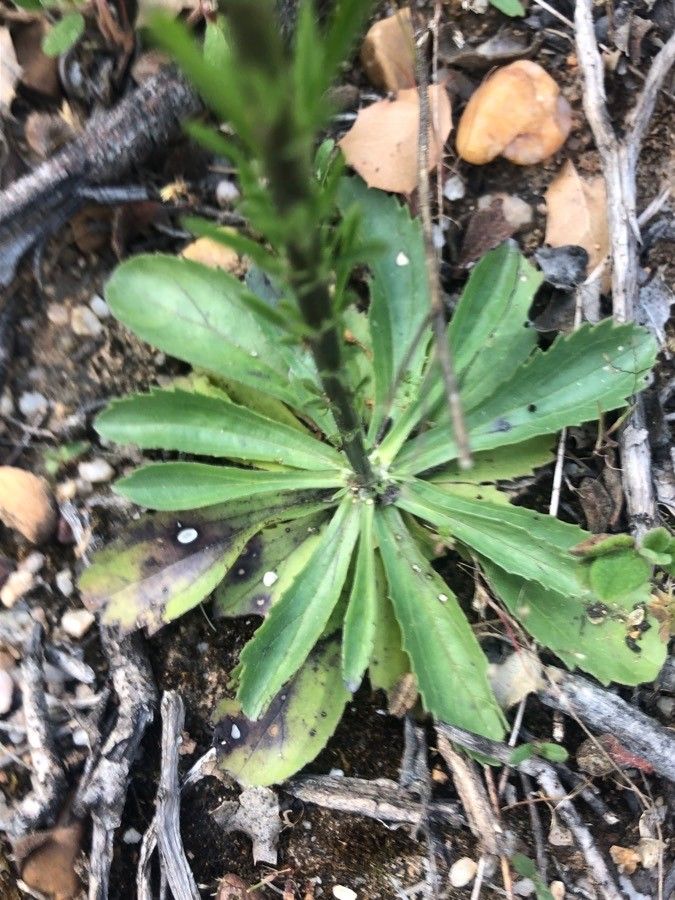
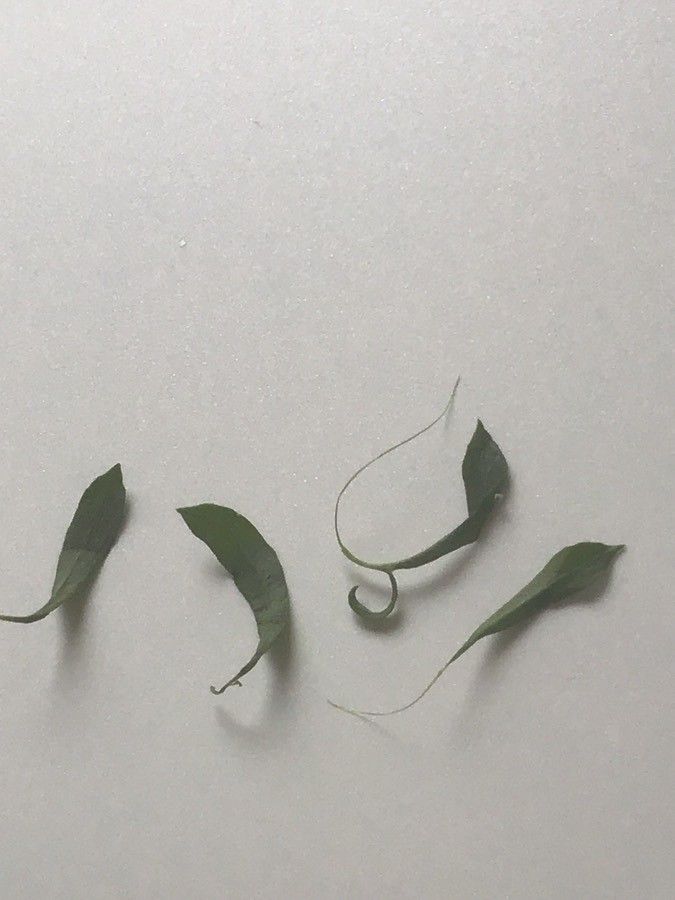
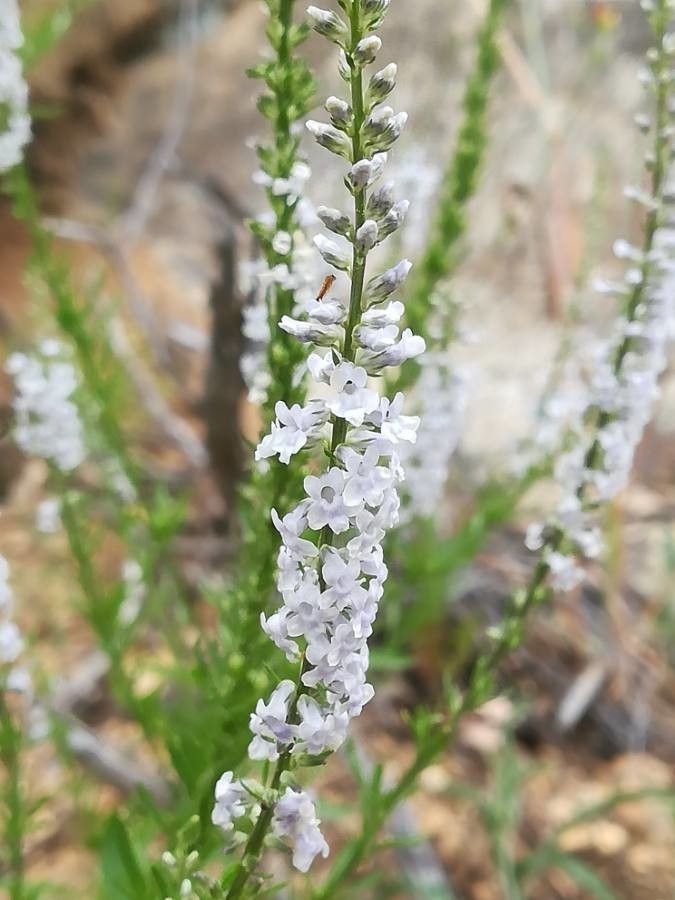
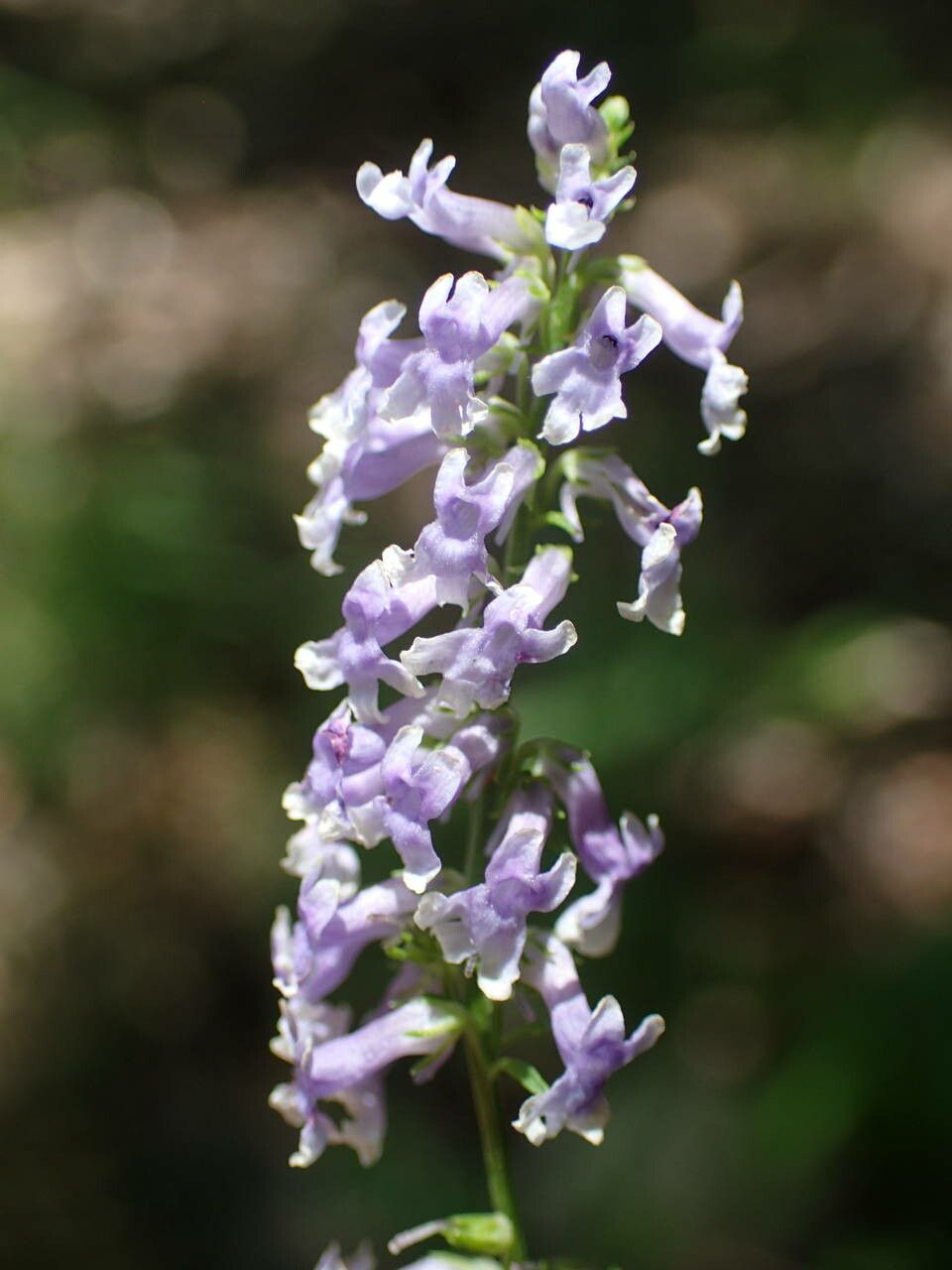
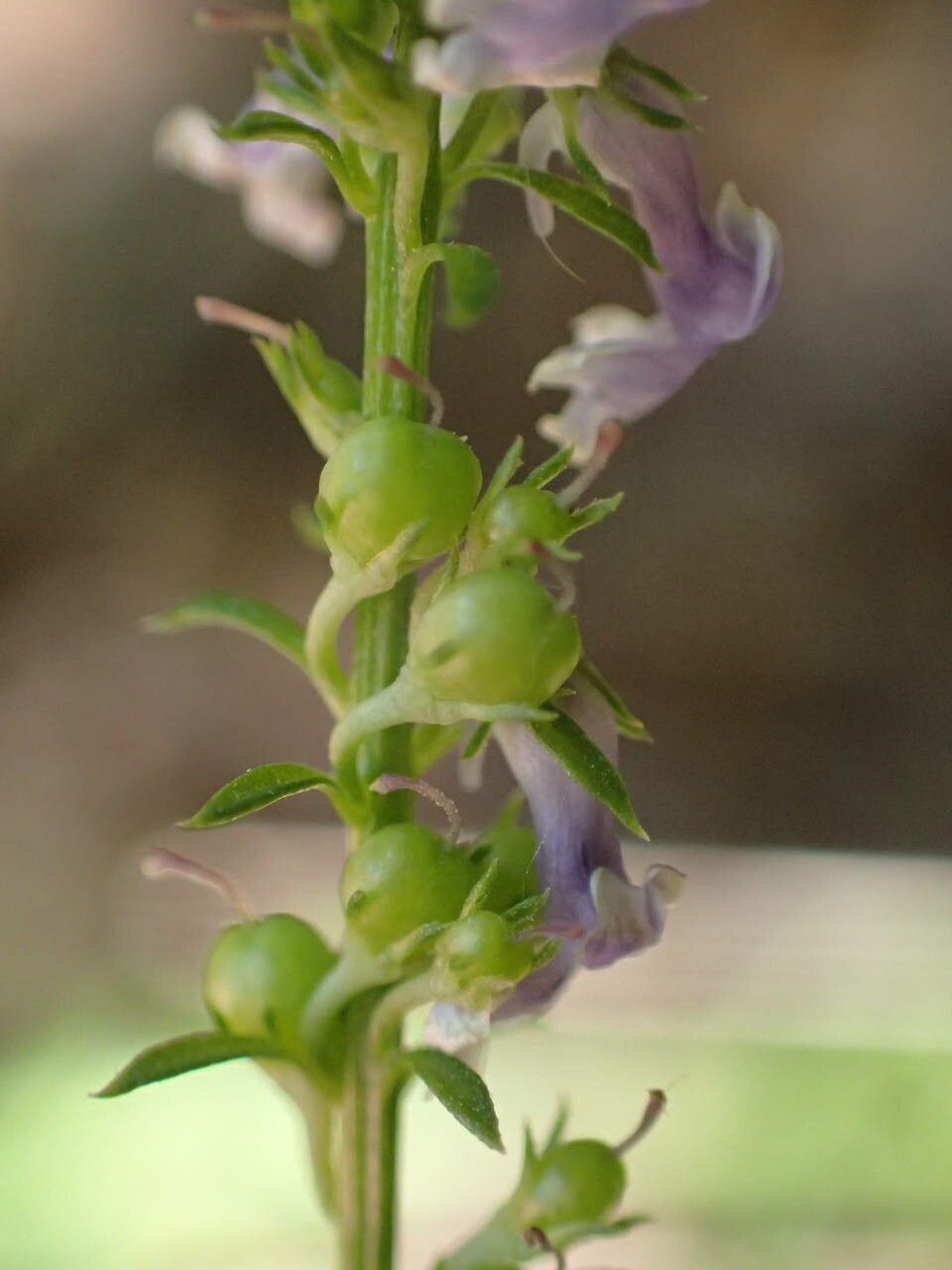
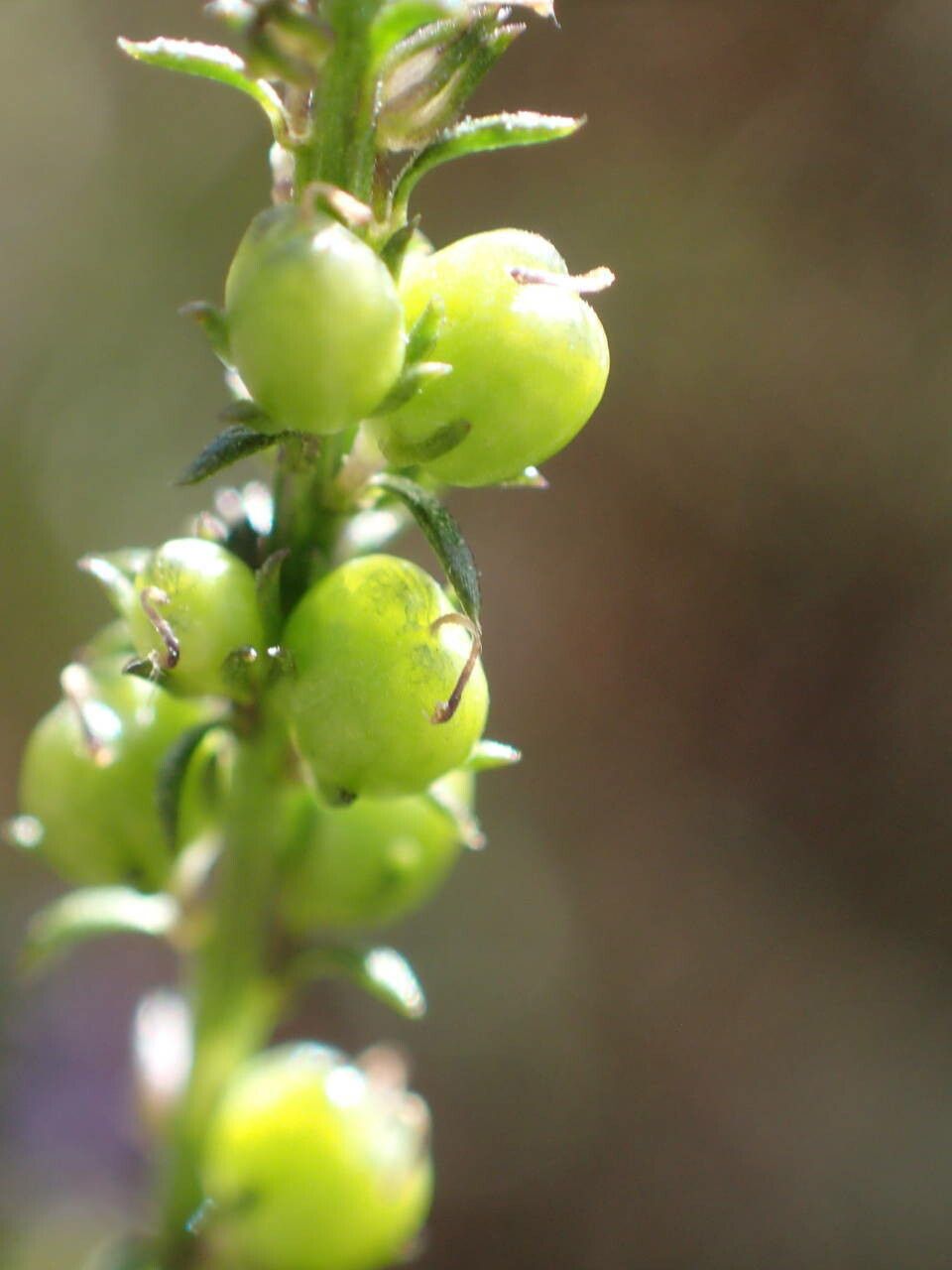
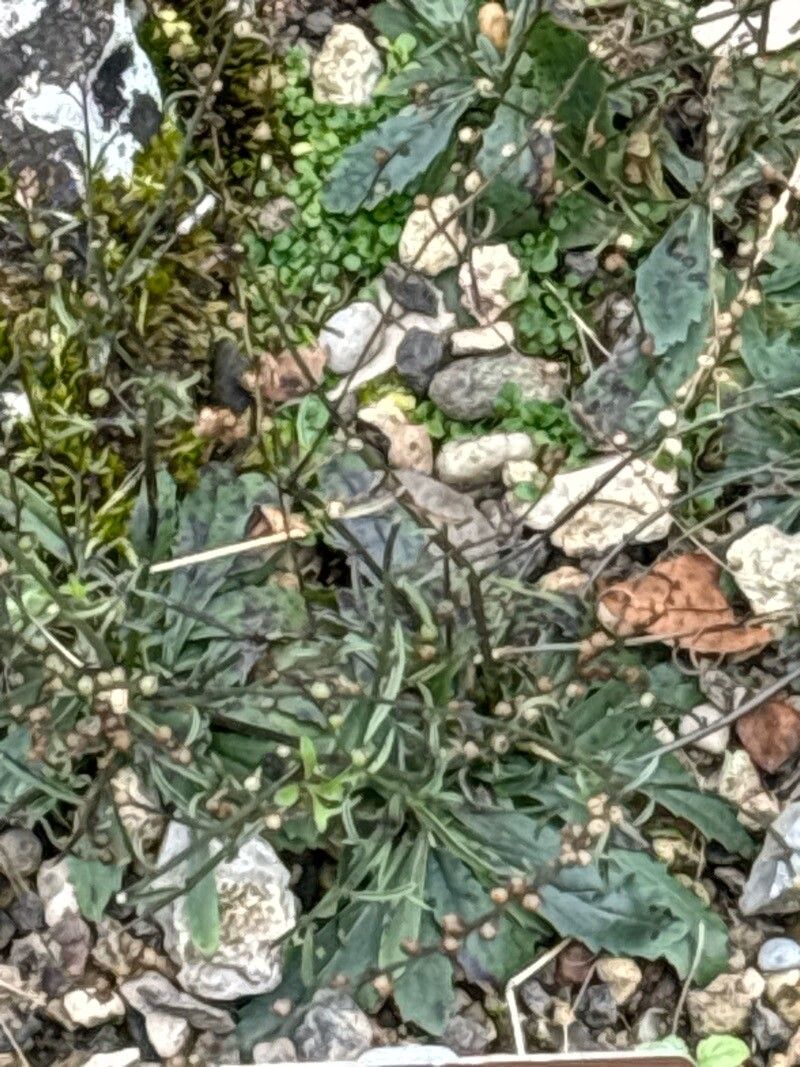
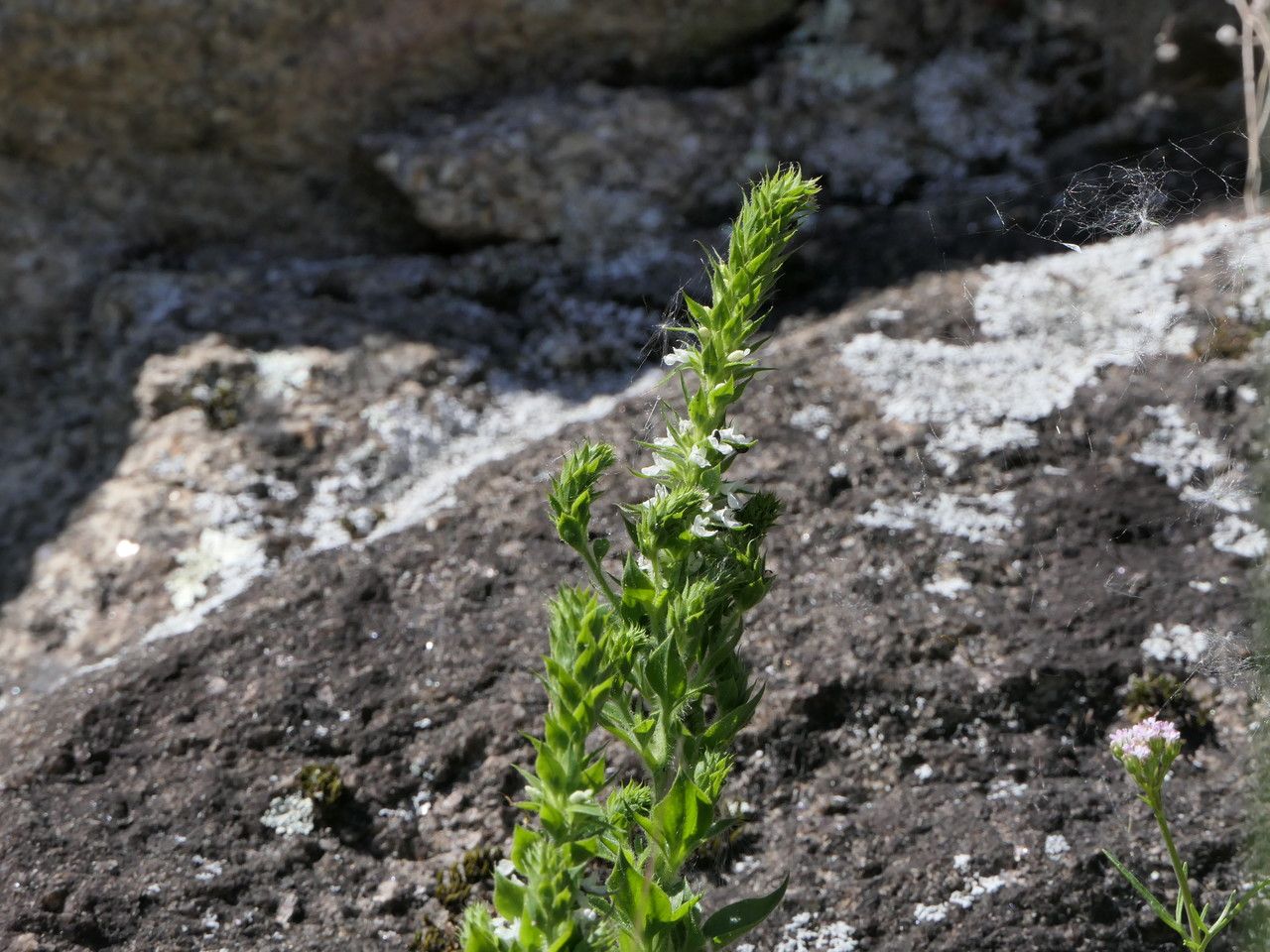
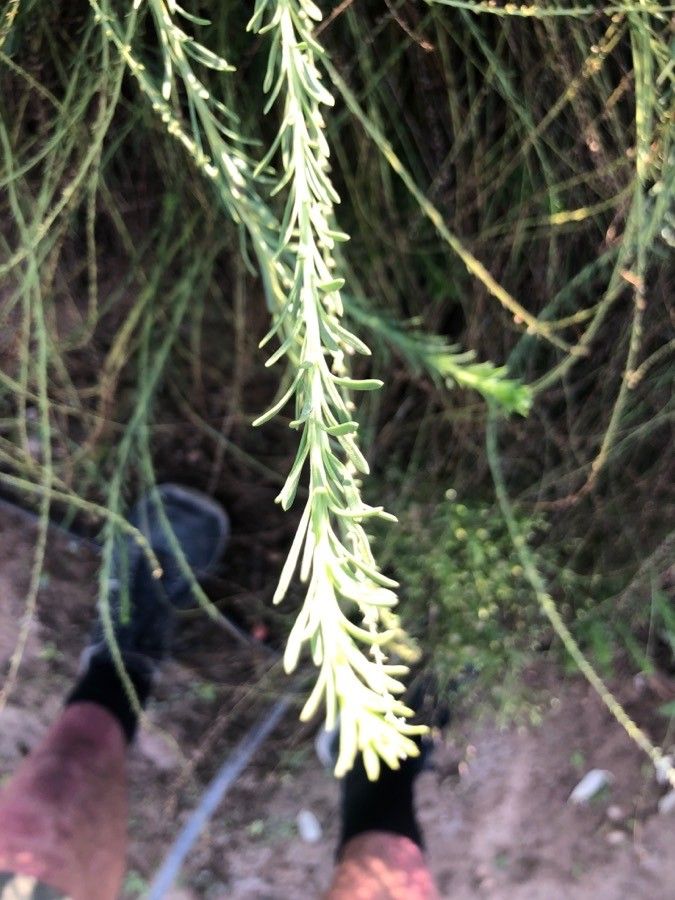
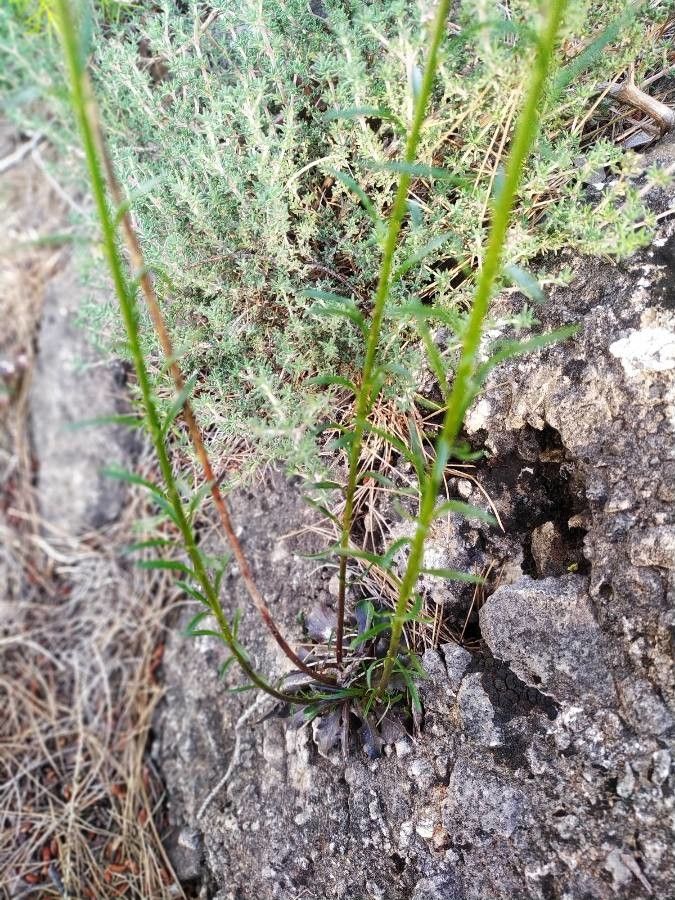
Anarrhinum bellidifolium, commonly known as Daisy-leaved Toadflax, is a perennial herbaceous plant belonging to the Plantaginaceae family. Native to the Mediterranean region, it thrives in rocky areas, meadows, and along roadsides. The plant reaches a height of 30-60 cm and has a bushy appearance, with numerous stems arising from the base. Its leaves are lance-shaped with serrated edges and are arranged alternately along the stem.
The flowers of Anarrhinum bellidifolium are small and tubular with five petals, giving them a daisy-like appearance. They bloom from late spring through summer in shades of pink or purple on long spikes that rise above the foliage. Known for its attractive flowers, this plant is an excellent choice for garden borders or rock gardens.
Anarrhinum bellidifolium prefers well-drained soil and thrives in full sun or partial shade. Once established, it can tolerate drought conditions. The plant requires minimal maintenance, but regular deadheading can promote continuous blooming throughout the growing season.
In traditional medicine, Anarrhinum bellidifolium has been used as an anti-inflammatory agent for treating respiratory ailments such as bronchitis and asthma. This is due to its high content of flavonoids, which possess anti-inflammatory properties.
Overall, Anarrhinum bellidifolium is a visually appealing perennial herbaceous plant that adds color and interest to any garden setting. Additionally, it offers medicinal benefits through its traditional use in herbal medicine practices.
Daisy-leaved toadflax is fairly disease-resistant and usually not easily affected by illnesses. However, it can be vulnerable to pests and diseases present in its environment. These problems are generally mild. In terms of care, the plant needs moderate maintenance. Regular pruning is required to maintain a good appearance and healthy growth. Fertilizing can also help encourage flowering. Daisy-leaved toadflax is suitable for anyone with outdoor spaces like a garden or patio and does not demand extensive care experience. It may need more attention when grown indoors.
How to keep Anarrhinum Bellidifolium.
Light
Daisy-leaved toadflax comes from sunny, open habitats and does best in full sun. Although it will tolerate some shade, it favors direct sunlight for peak growth. This plant, which can be annual or biennial, is recognized for its preference for sun.
Water
Daisy-leaved toadflax, a plant native to the Mediterranean regions, thrives in moderate climates with a balance of sunlight and moisture. It prefers to be watered once a week, although it can withstand short periods of drought. When grown outdoors, it benefits from seasonal rainfall, which helps promote steady growth without water stress.
Temperature
Daisy-leaved toadflax can tolerate a wide range of temperatures, but its distribution may still be restricted by different combinations of moisture and heat. It does best in warm summer conditions with sufficient rainfall or watering. Long periods of cloudy, rainy weather, as well as extended high temperatures, can increase the chance of Daisy-leaved toadflax dying. In winter, protecting the plant from cold can raise its likelihood of survival.
Fertilizer
Daisy-leaved toadflax requires regular feeding to encourage flowering but does not tolerate excessive fertilizer. It should receive small, frequent doses of fertilizer throughout its life, especially during the main period of active growth and while it is flowering. Continue feeding your Daisy-leaved toadflax until it stops blooming.
Pruning
The daisy-leaved toadflax is characterized by its daisy-like leaves and delicate flowers. To shape the plant and remove spent blooms, lightly prune it from early to late spring. Regular pruning improves airflow and light penetration, promoting healthy, vibrant growth. However, be careful not to over-prune, as maintaining its natural form is important to ensure the daisy-leaved toadflax stays vigorous and attractive.
Botanical profile.
- Plant Type
- Herb
- Life Cycle
- Biennial, Perennial
- Genus
- Anarrhinum
- Family
- Plantaginaceae
- Hardiness Zone
- 7-9
- Mature Height
- 61 cm
- Mature Spread
- 15 cm to 30 cm
- Leaf Color
- Green, Dark Green
- Leaf Type
- Semi-evergreen
- Flower Color
- White
- Flower Size
- 0.51 cm to 0.76 cm
- Bloom Time
- Late spring, Early summer, Mid summer
- Planting Time
- Spring, Summer, Autumn
- Harvest Time
- Mid summer, Late summer, Early fall
- Native Area
- Germany, Portugal, Italy, Spain, France
Other names.
Reader questions.
How should I water my Daisy-leaved toadflax plant?
To properly water the Daisy-leaved toadflax, it is recommended to use filtered water at room temperature. Tap water may contain harmful particles, so filtered water is preferable. The water should be at room temperature or slightly warmer because this plant is native to warm environments and cold water can be stressful for it. It is advisable not to water the plant from above, as it can cause issues with the foliage. Instead, water the soil with the filtered room temperature water until it is completely soaked. This helps moisten the roots, allowing them to continue spreading in the soil and absorbing essential nutrients.
What are the sunlight requirements for Daisy-leaved toadflax?
Daisy-leaved toadflax, botanically known as Anarrhinum bellidifolium, thrives best in bright, open environments. It requires full sun, which means it needs more than 6 hours of sunlight daily, to grow optimally. The plant can tolerate partial sun, approximately 3-6 hours of sunlight, but full exposure is preferred for its health and growth. Keeping an eye on sunlight movement through your garden and choosing spots that balance light and shade effectively will ensure the wellbeing of your plants.
What should I do if I give my Daisy-leaved toadflax too much or too little water?
Overwatering is a common issue for Daisy-leaved toadflax and can cause wilted, yellow leaves, as well as diseases like root rot, mold, and mildew. Underwatering is less common but can cause brittle, brown leaves. It's important to notice signs of overwatering early and reduce watering immediately. If the soil drains poorly, replace it with a well-draining potting mix. If underwatering is suspected, water more regularly until the signs subside.
How can artificial lighting be used for Daisy-leaved toadflax grown indoors?
Indoor Daisy-leaved toadflax plants sometimes don't get enough natural sunlight, especially during winter or in areas of the home that receive less sun. In these cases, artificial lighting becomes crucial for the plant's growth. LED lights, which can be tuned to provide specific light wavelengths necessary for the plant, are a popular choice. Full sun plants, like Daisy-leaved toadflax, generally need 30-50W per square foot of artificial light. The light source should be placed 12-36 inches above the plant to mimic natural sunlight conditions, and it's important to ensure that most plants get 8-12 hours of light per day for healthy growth.
How often should I water my Daisy-leaved toadflax plant?
If you have a potted Daisy-leaved toadflax plant, the most accurate way to determine if it needs water is by checking the soil moisture. Simply stick your finger into the soil and if the top two to three inches are dry, it's time to water. For Daisy-leaved toadflax planted outdoors, you can use a similar method. When the top few inches of soil have dried out, it's a sign to provide water. Typically, during spring and early fall, watering once a week is sufficient. However, in extremely hot weather, you may need to water two or more times per week. It's worth noting that mature, well-established Daisy-leaved toadflax plants are quite resilient to drought.
What are the symptoms of inadequate light for Daisy-leaved toadflax?
When Daisy-leaved toadflax does not receive sufficient light, it may show several symptoms indicating light deficiency. These can include smaller new leaves than the previously matured ones, leggy or sparse growth, faster leaf drop, slower or no new growth, and leaves that may appear lighter colored due to a lack of chlorophyll and essential nutrients. In some cases, especially when exposed to excessive sunlight, the plant can suffer from chlorosis, where leaves lose their green color, sunscald, leaf curling, wilting, and even leaf scorching.
How much water does my Daisy-leaved toadflax plant need?
To properly water your Daisy-leaved toadflax, don't be hesitant when it comes to the amount of water you give. Make sure the top two to three inches of soil are dry before watering, then give it a good soak. It's important to add enough water so that it starts to drain out of the bottom of the pot. If you don't see any water draining, you may have not given enough water. However, it's crucial to avoid letting the water accumulate in the soil, as this can harm the plant. Additionally, if there's no water draining from the pot, it could be a sign of poorly draining soil, which is bad for the plant's health. If the plant is outdoors, one inch of rain per week should be enough.
What solutions can help Daisy-leaved toadflax get adequate sunlight?
To ensure Daisy-leaved toadflax receives enough sunlight, gradually relocate your plants to sunnier spots. Indoors, place them near a south-facing window, keeping curtains open during the day, or use artificial lighting for at least 8 hours daily. Outdoors, adjust plant positions weekly to gently acclimate them to increased sunlight, avoiding sudden exposure that may lead to sunburn. For ground plants, identify and reduce obstructions like overhanging branches, or consider transplanting smaller plants to sunnier locations during their dormant period for better sunlight exposure and growth.
When is the best time to water my Daisy-leaved toadflax as it grows?
The water needs of the Daisy-leaved toadflax can change depending on its growth stages. When it's young or recently transplanted, it requires more water as it focuses on developing new roots. These roots need extra moisture to support future growth. However, as the plant matures, it requires less water. Another stage that requires more water is during the bloom period, as flower development utilizes a significant amount of moisture.
How do I water my Daisy-leaved toadflax during different seasons?
The Daisy-leaved toadflax requires the most water in the hottest months of the year. In the peak of summer, you may need to water the plant more than once a week, depending on how quickly the soil dries. In contrast, during winter, the plant will go into a dormant phase and will require significantly less water. In fact, you may not need to water it at all during winter. If you do choose to water the plant in winter, it should only be done about once a month. Overwatering during this time can increase the risk of the Daisy-leaved toadflax getting a disease.
How is watering my Daisy-leaved toadflax different if I do it inside or outside?
The Daisy-leaved toadflax is commonly grown indoors by gardeners who do not live in temperate or tropical regions. When growing this plant indoors, it's important to consider that soil in a container can dry out faster than ground soil. Factors such as air conditioning units can also contribute to quicker drying, meaning you may need to water the Daisy-leaved toadflax more frequently compared to if it was planted outside. In outdoor conditions, you may not need to water the plant as often, especially if you receive regular rainfall. However, if you choose to grow the plant indoors, you will need to water it more frequently since relying on rainwater to moisten the soil is not possible.