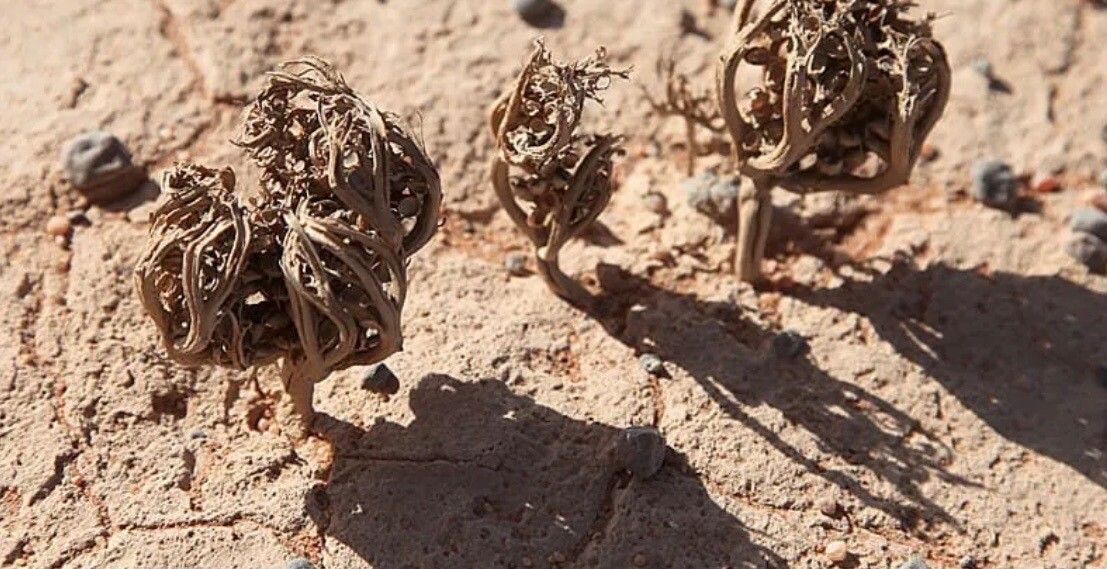
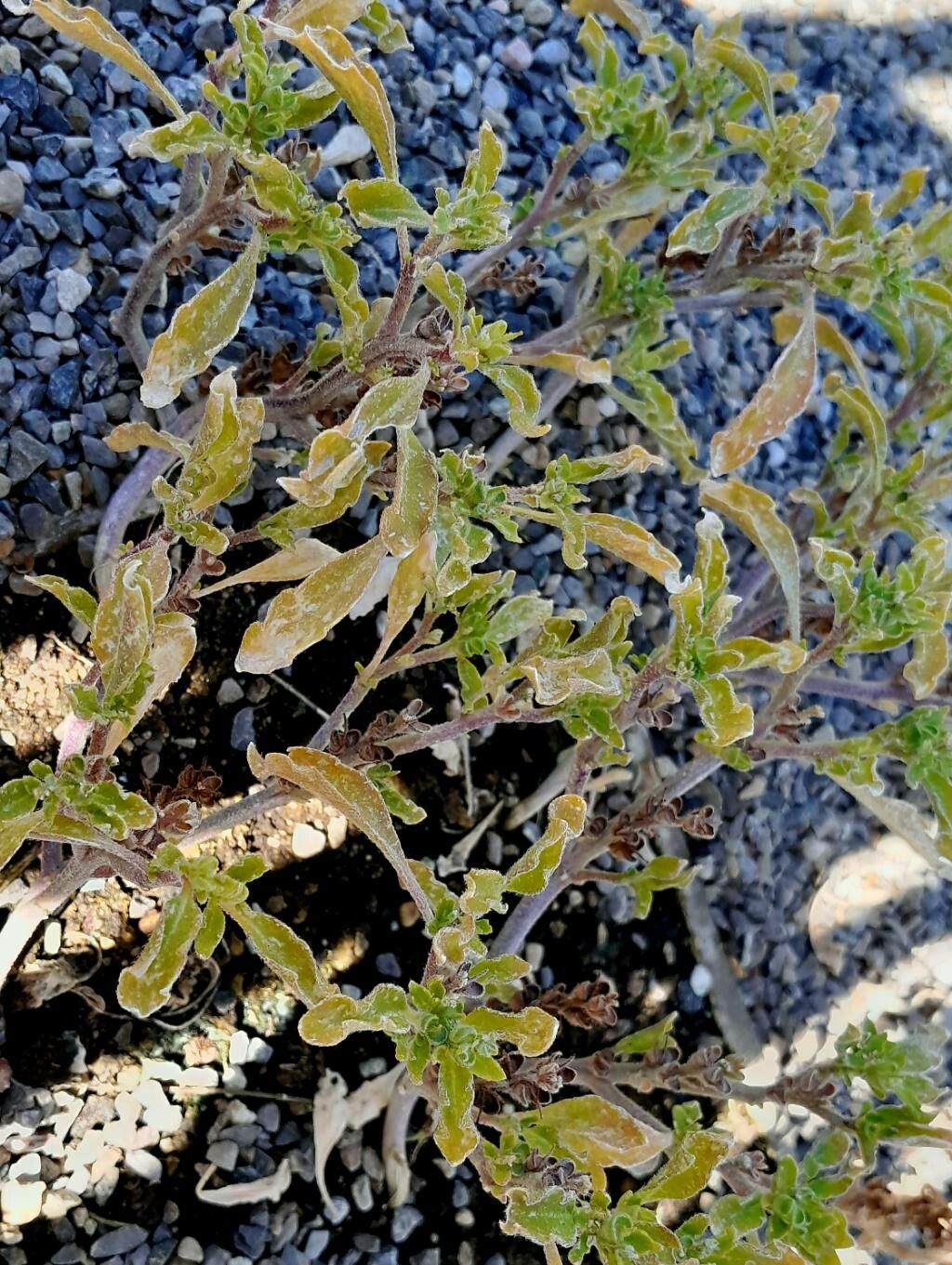
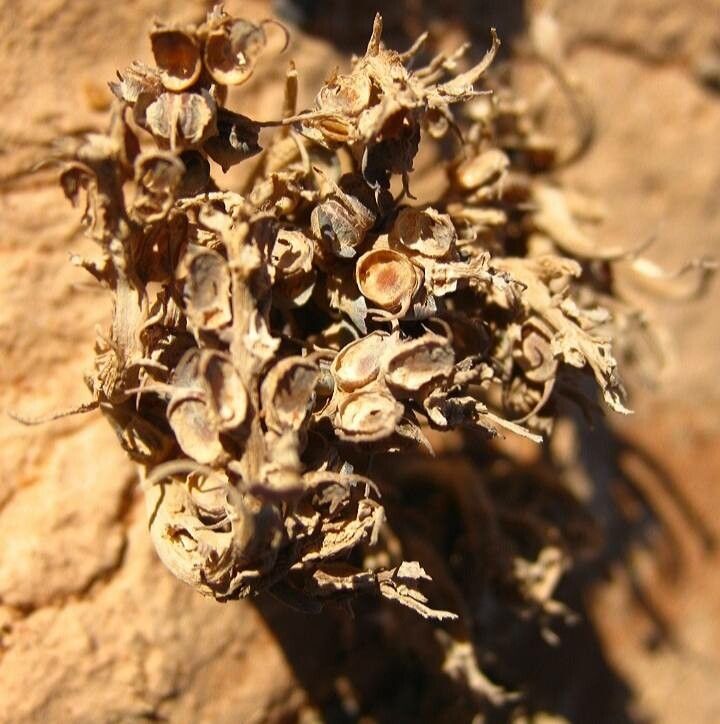
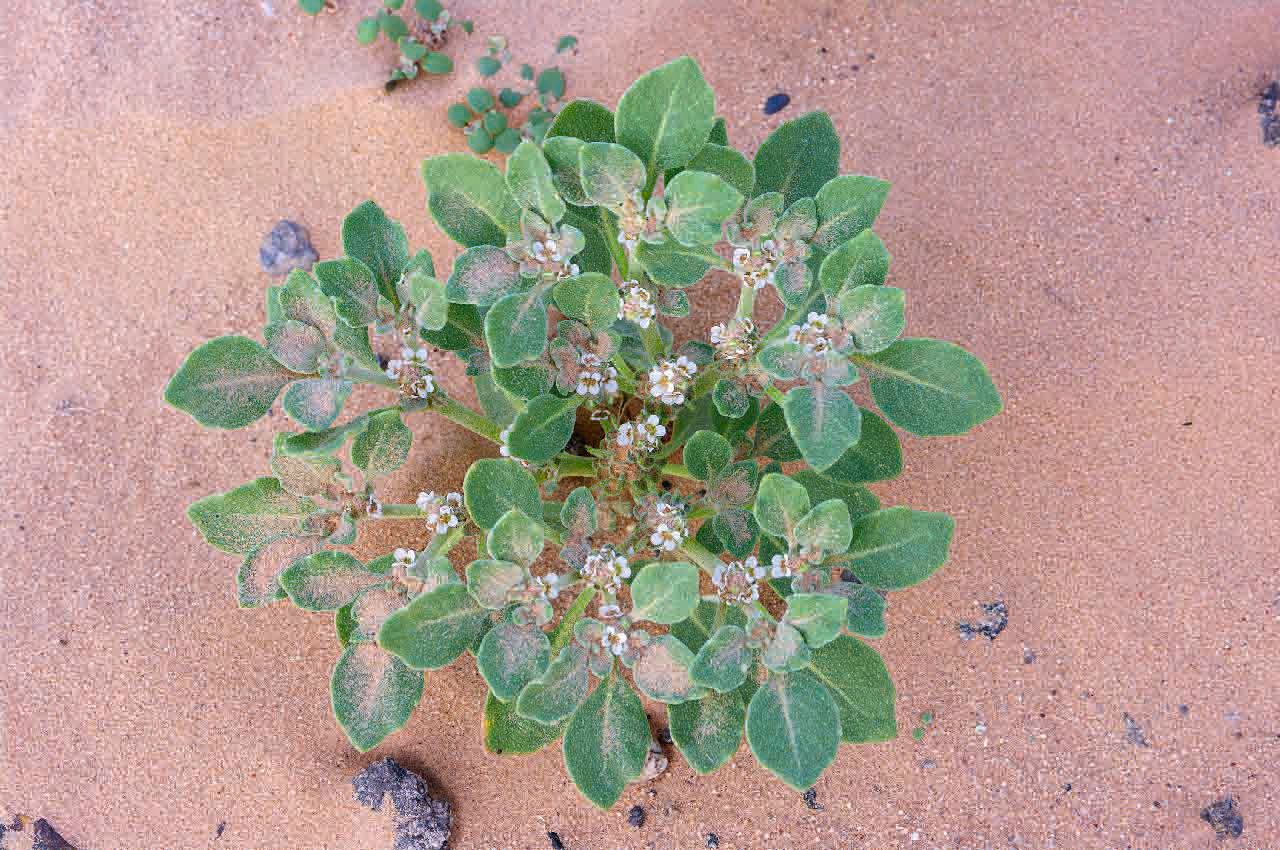
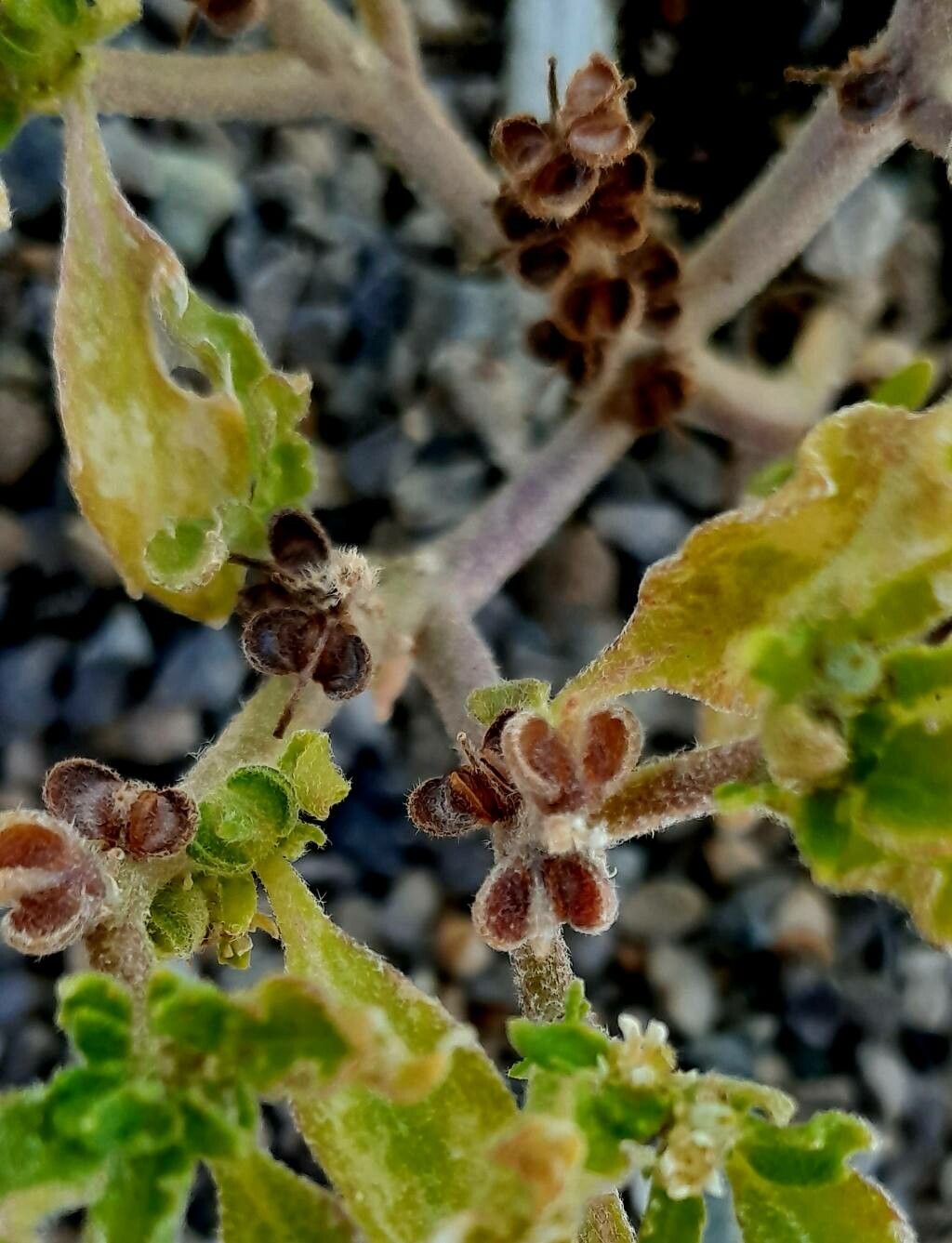
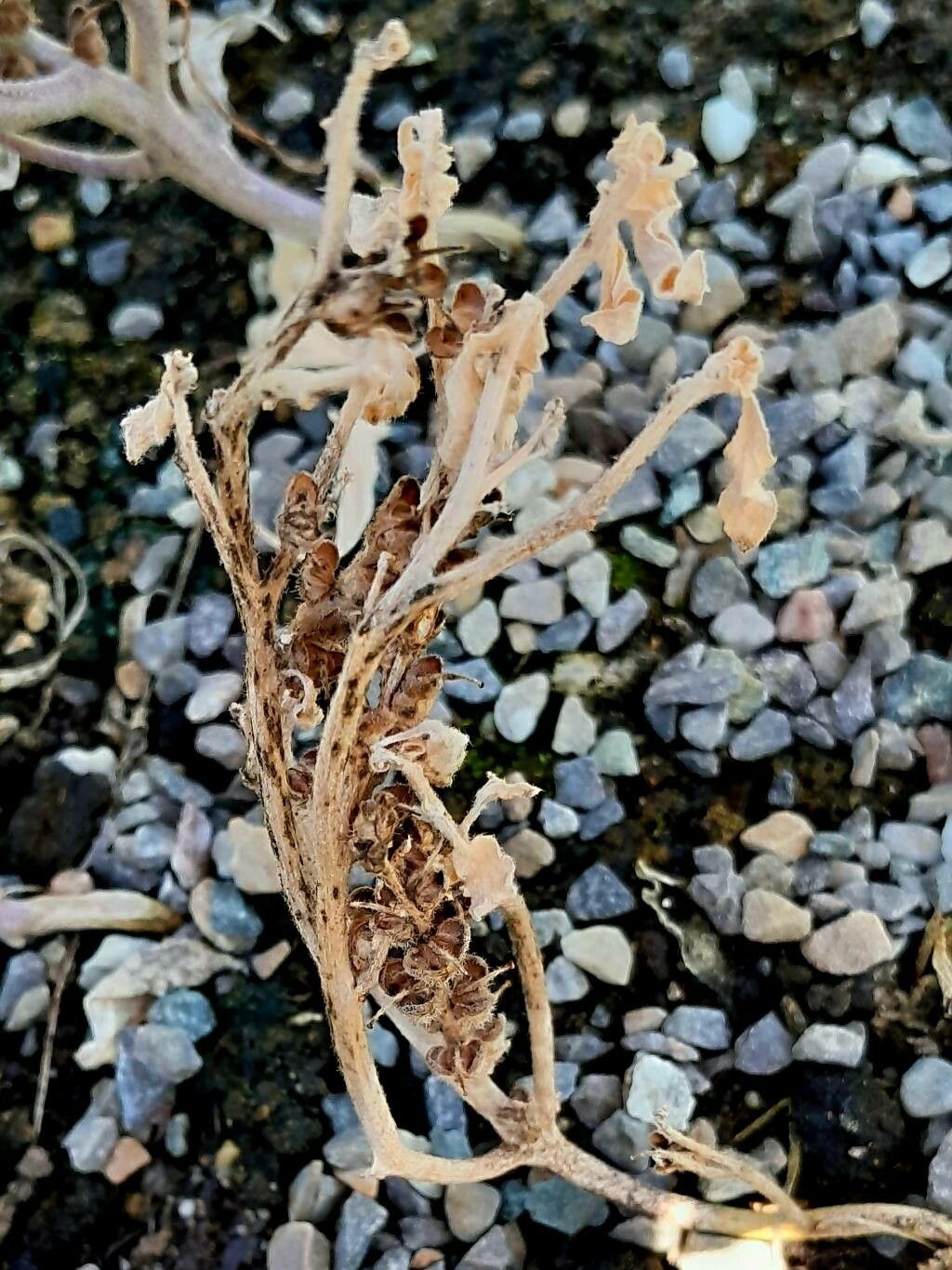
Anastatica hierochuntica, commonly known as the Rose of Jericho or the Resurrection Plant, is a small desert plant belonging to the family Brassicaceae. Native to the arid regions of North Africa and Southwest Asia, it is renowned for its remarkable ability to endure extreme drought conditions. This plant possesses a unique adaptation mechanism that enables it to thrive in harsh environments. During dry periods, it curls up into a ball-like shape, appearing lifeless. However, upon the return of moisture, it unfurls its leaves and resumes growth. The Rose of Jericho has been used for centuries in traditional medicine to treat various ailments such as fever, headaches, stomach aches, and respiratory problems. Additionally, its association with resurrection has led to its use in religious ceremonies by some cultures. In recent years, there has been growing interest in Anastatica hierochuntica due to its potential as an eco-friendly alternative for water storage systems or irrigation methods in arid regions facing water scarcity. Overall, Anastatica hierochuntica is an intriguing plant with unique survival mechanisms that have fascinated people throughout history. Its potential uses make it an important species worthy of further study from both ecological and medicinal perspectives.
Botanical profile.
- Plant Type
- Herb
- Life Cycle
- Annual
- Genus
- Anastatica
- Family
- Brassicaceae
- Hardiness Zone
- 9-11
- Mature Height
- 5 cm to 10 cm
- Mature Spread
- 5 cm to 15 cm
- Leaf Color
- Gray, Light Gray
- Leaf Type
- Semi-evergreen
- Flower Color
- White
- Flower Size
- 0.20 cm to 0.25 cm
- Bloom Time
- Mid spring, Late spring
- Planting Time
- Spring, Summer
- Harvest Time
- Early summer, Mid summer
- Native Area
- Saudi Arabia, Libya, Egypt, Tunisia, United Arab Emirates, Sudan, Oman, Mauritania, Pakistan, Iran, Algeria, Kuwait, Morocco, Yemen, Qatar
Other names.