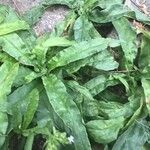
Anchusa capensis
Annual anchusa · Summer-forget-me-not · Cape alkanet · Cape bugloss · Cape-forget-me-not
Description
Source: wikipedia (CC BY-SA)Anchusa capensis, is a species of flowering plant in the family Boraginaceae, native to Namibia, South Africa and Lesotho. The genus Anchusa is from the Greek word anchousa, which makes reference to its use as a dye base for cosmetic paint obtained from the roots of another plant in the genus Anchusa tinctoria. The species capensis translates to ‘from the Cape’ referring to South Africa
Care Guide
💧 Water
☀️ Light Full sun
Cape bugloss is a perennial herbaceous plant that enjoys sunlight and comes from open habitats, often flourishing in meadows and grasslands. It prefers full sun but can also withstand partial sun.
🌡️ Temperature 15–35°C
Cape bugloss can tolerate a broad range of temperatures, but its distribution may still be constrained by certain combinations of moisture and heat. It does best in warm summers with sufficient rainfall or watering. Extended stretches of cloudy, rainy weather, as well as prolonged high temperatures, can raise the likelihood of Cape bugloss dying. In winter, protecting it from cold can improve its survival rate.
💨 Humidity
🪴 Soil 6-8
🌱 Fertilizer
Early spring, when Cape bugloss is coming out of dormancy and starting active growth, is the best time to fertilize. Fertilizing supplies essential nutrients for healthy growth. Even though Cape bugloss has relatively low fertilizer requirements, yearly fertilization can improve its survival and encourage better, longer-lasting flowers.
🪴 Pot & Repot
✂️ Pruning
Cape bugloss is distinguished by its vibrant blue flowers. To promote healthy growth, prune the plant in early to late spring after the last frost, making sure to remove any dead stems. Thinning the plant is important to enhance air circulation, which helps minimize the risk of disease. Regularly deadhead the flowers to extend the blooming period and maintain a healthier appearance. For the best results, follow the regional guidelines specific to your area.
🌿 Propagating
🐛 Diseases & pets
☠️ Toxicity
Characteristics
- Plant Type
- Herb
- Life Cycle
- Perennial
- Genus
- Anchusa
- Family
- Boraginaceae
- Hardiness Zone
- 7-10
- Mature Height
- 20 cm to 46 cm
- Mature Spread
- 25 cm to 30 cm
- Leaf Color
- Green
- Leaf Type
- Semi-evergreen
- Flower Color
- Blue, Purple
- Flower Size
- 1.02 cm to 1.52 cm
- Bloom Time
- Mid spring, Late spring, Summer, Early fall
- Planting Time
- Spring, Summer, Autumn
- Harvest Time
- Summer, Fall
- Native Area
- South Africa, Lesotho, Botswana