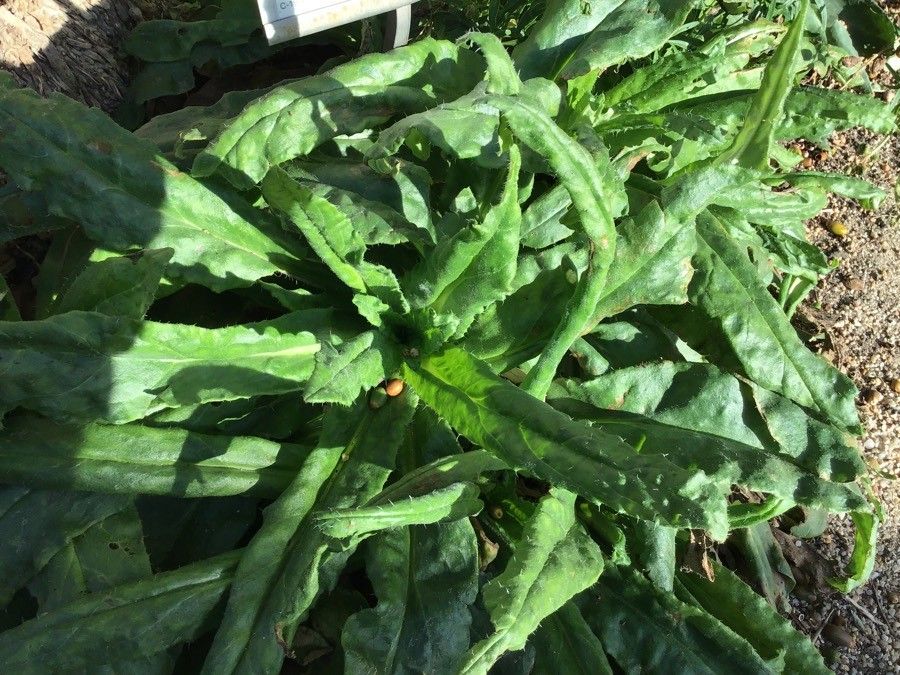
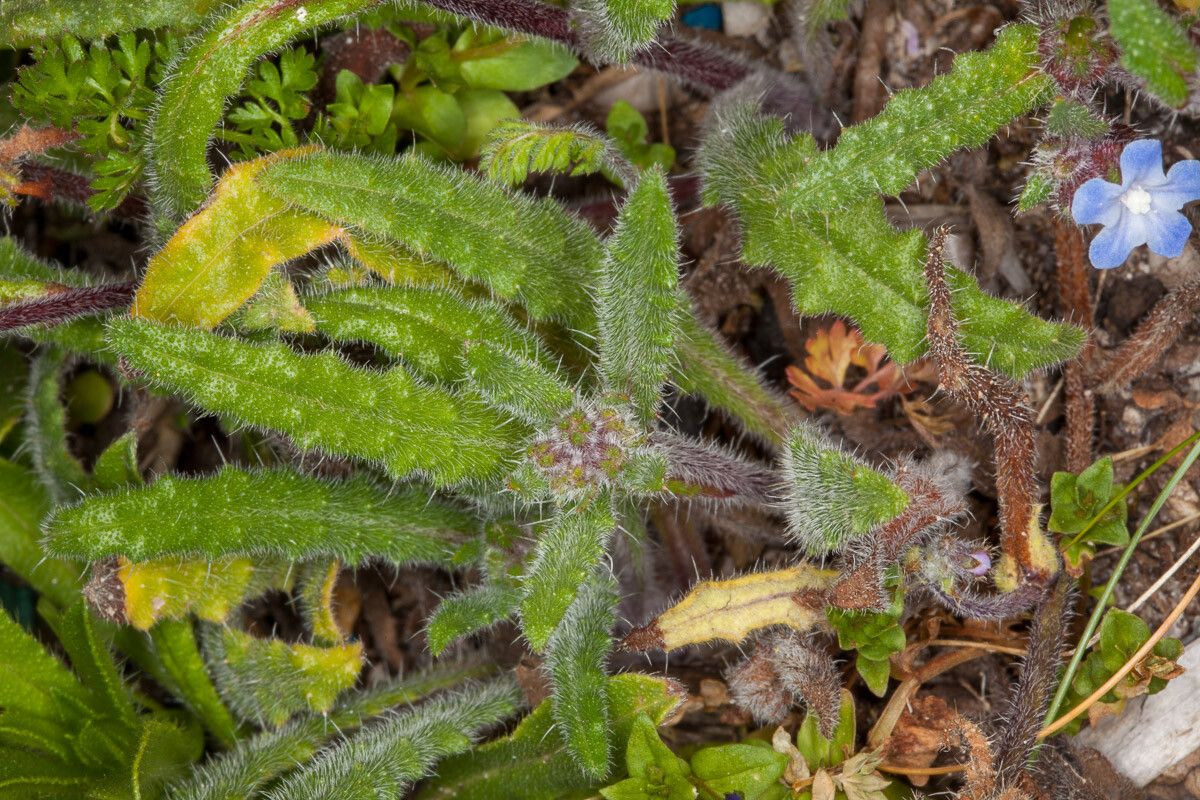
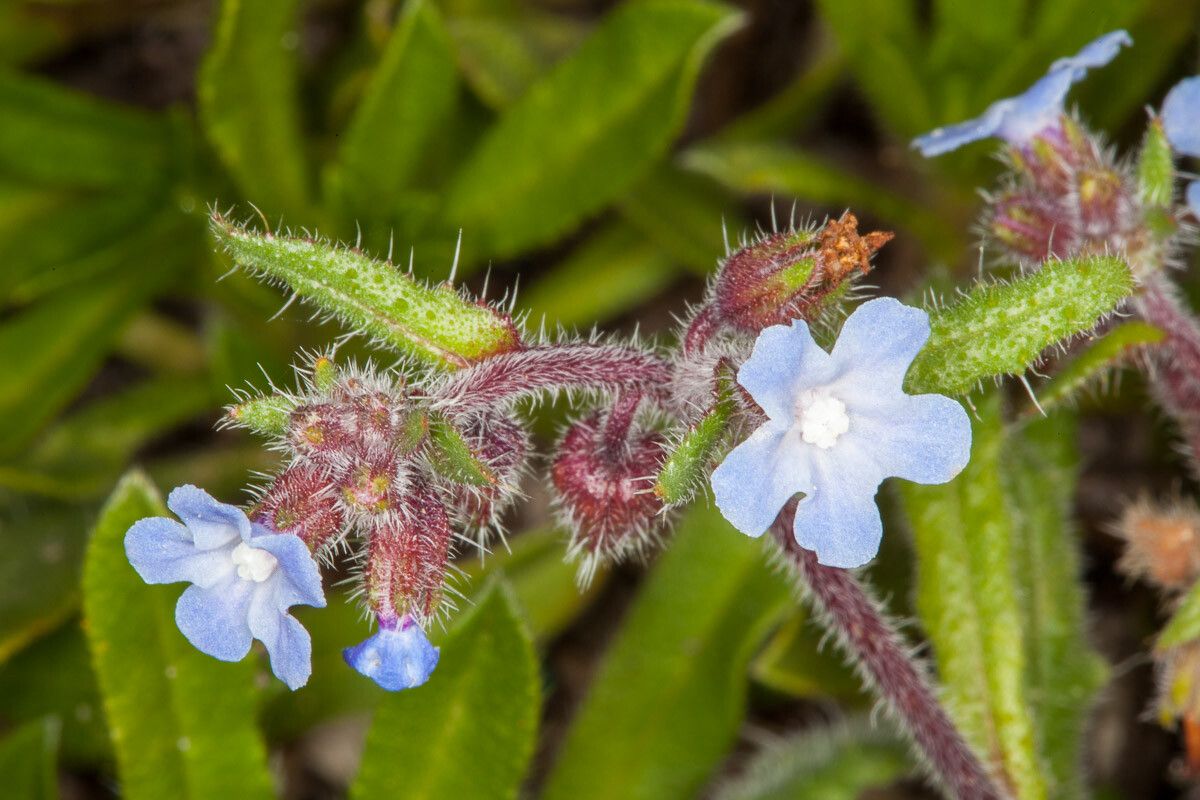
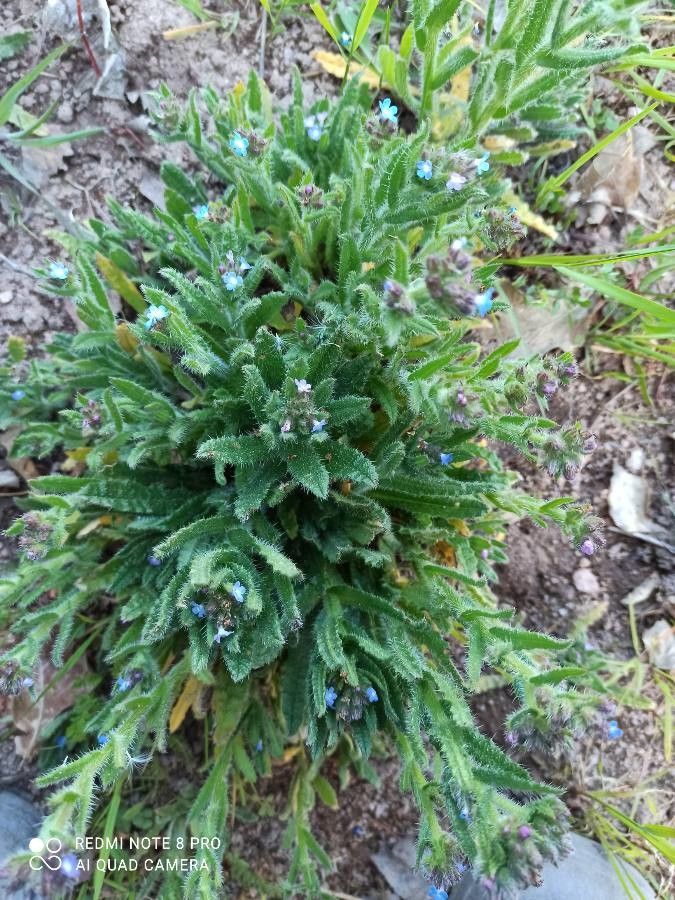
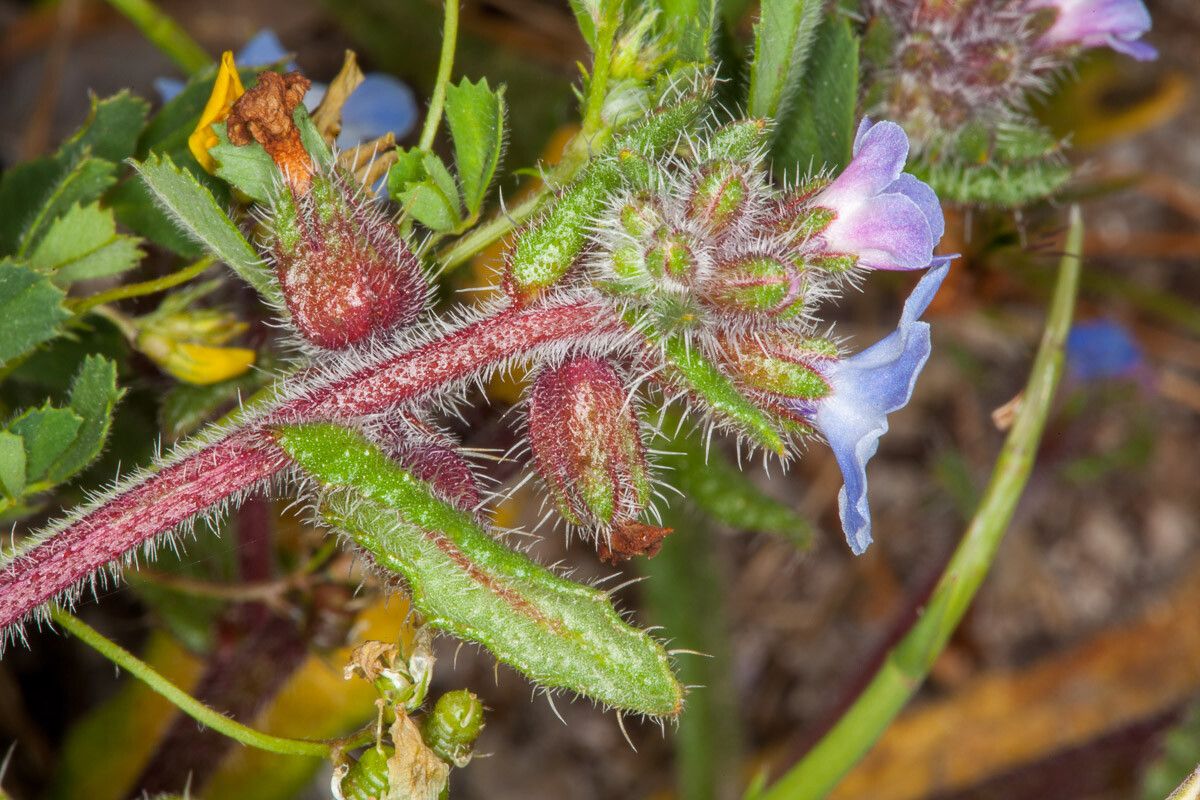
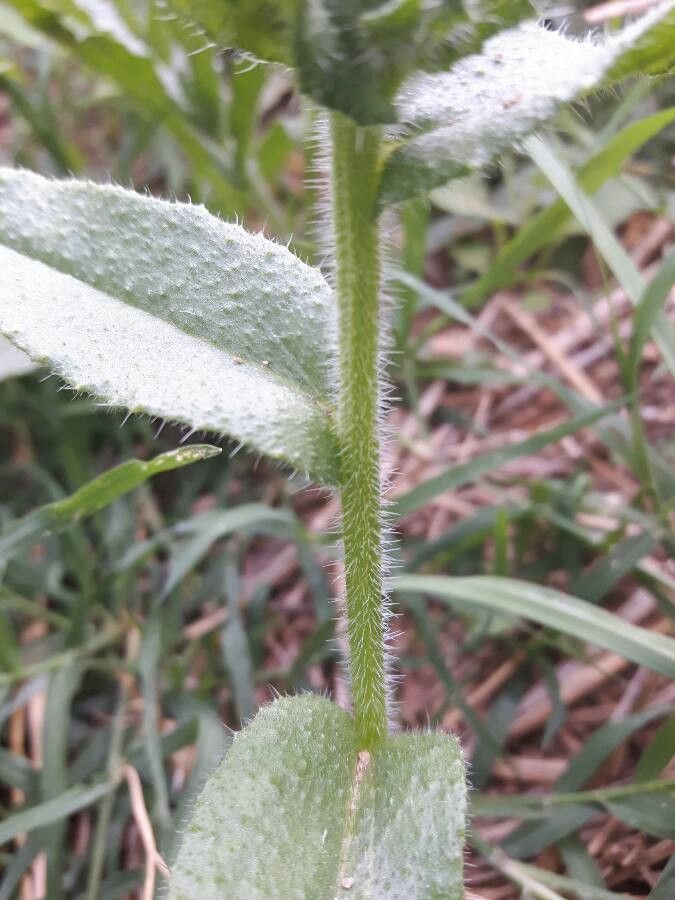
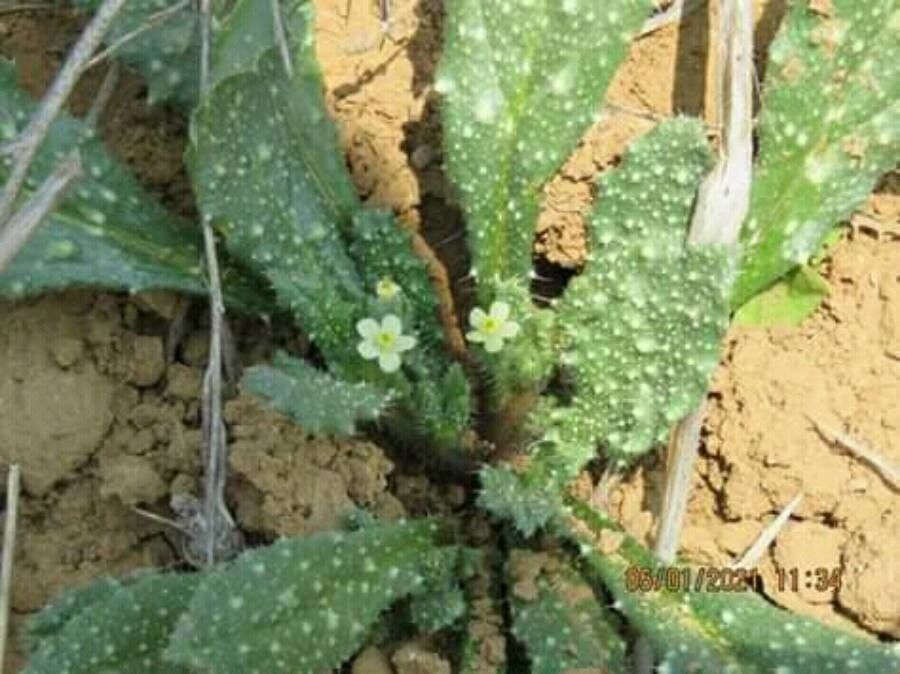
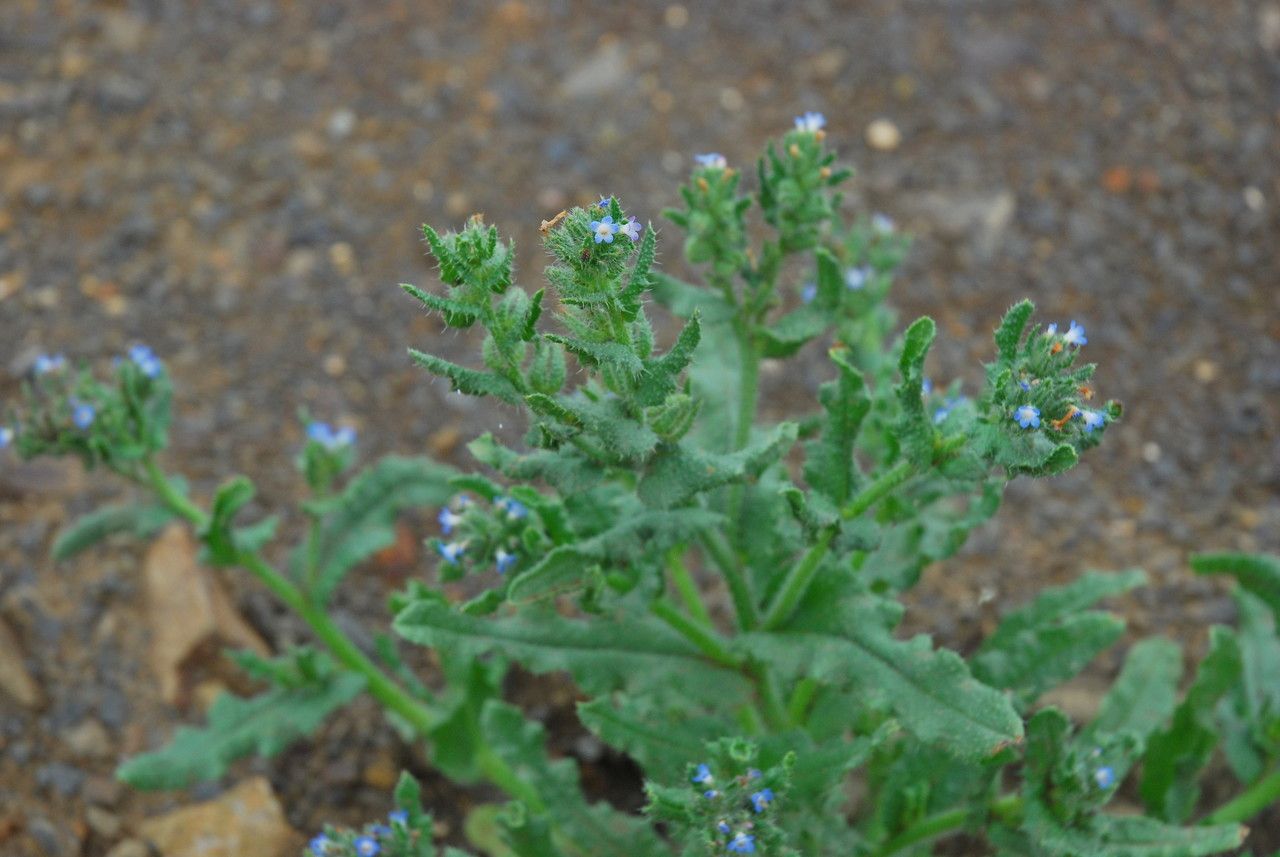
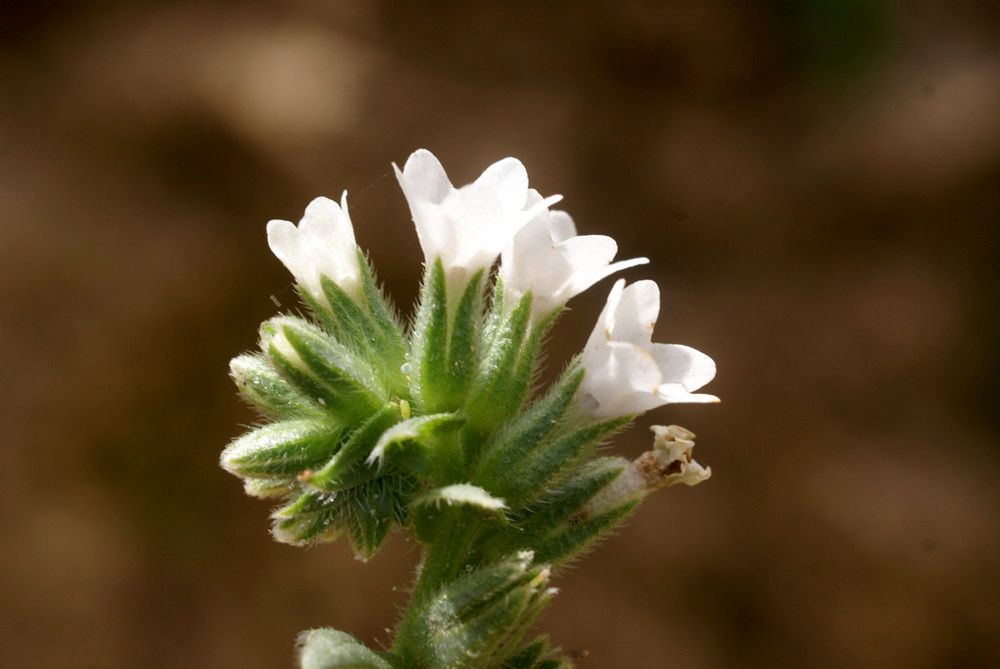
Anchusa crispa is a species of plant in the family Boraginaceae. It is found in France and Italy. Its natural habitats are Mediterranean-type shrubby vegetation and sandy shores. It is threatened by habitat loss.
Hybrid bugloss is fairly resistant to diseases and typically does not suffer from many illnesses. Still, it can be affected by pests and diseases present in its environment. Such infections tend to be mild. Regarding maintenance, this plant is moderate in its needs. It should be pruned regularly to preserve an attractive appearance and encourage healthy growth. Applying fertilizer can also boost flowering. Hybrid bugloss is well-suited for anyone who has outdoor areas like a garden or patio and doesn't demand extensive plant-care experience. If kept indoors, it may need more attentive care.
How to keep Anchusa Crispa.
Light
Hybrid bugloss is native to light-filled, open locales where it flourishes under full sun exposure. It can endure semi-shade but its growth thrives best under direct sun. Recognised for its fondness for sunlight, this yearly and bi-yearly plant thrives in such conditions.
Temperature
The Hybrid bugloss can acclimate to varied temperature conditions, yet its distribution could still be constrained by different combinations of water and heat circumstances. It fares best in hot climates with sufficient rain or watering during the summer months. Extended bouts of overcast and wet weather, coupled with long durations of elevated temperatures, can heighten the chance of the Hybrid bugloss perishing. In the colder months, appropriate protection against the chill may enhance the survival rate of the plant.
Fertilizer
To encourage flowering, Hybrid bugloss requires consistent fertilization, but not excessively so. It prefers small amounts of fertilizer, administered often throughout its entire life span, particularly during the times of maximal growth and flowering. Continue feeding your Hybrid bugloss until it ceases to bloom.
Pruning
Buglosse crèpue is known for its vibrant blue flowers and rosette-forming leaves. Pruning the old stems in early spring stimulates new growth and enhances blooming. Regular pruning also improves air circulation, prevents overcrowding, and reduces the risk of disease. Be sure to use clean, sharp tools to minimize stress on the plant and the potential for infection.
Botanical profile.
- Plant Type
- Herb
- Life Cycle
- Biennial
- Genus
- Anchusa
- Family
- Boraginaceae
- Hardiness Zone
- 5-9
- Mature Height
- 30 cm to 61 cm
- Mature Spread
- 30 cm to 46 cm
- Leaf Color
- Green, Dark Green
- Leaf Type
- Deciduous
- Flower Color
- Blue, Purple
- Flower Size
- 1.02 cm to 1.52 cm
- Bloom Time
- Mid spring, Late spring, Early summer, Mid summer
- Planting Time
- Spring, Summer
- Harvest Time
- Summer
- Native Area
- Libya, Egypt, Tunisia, Turkey, Montenegro, Cyprus, Bulgaria, Greece, Croatia, Lebanon, Serbia, Syria, Italy, Albania, Algeria, France
Other names.
Reader questions.
What are the sunlight requirements for Buglosse crêpue (Anchusa crispa)?
Buglosse crêpue (Anchusa crispa) thrives in conditions where it can receive various amounts of sunlight. For optimal growth, the plant requires 'Full sun,' which means it should receive over 6 hours of sunlight daily. Alternatively, it can also flourish under 'Partial sun,' needing about 3-6 hours of sunlight. It's important to observe the movement of sunlight through your garden, selecting locations that offer a harmonious blend of light and shade. This careful placement ensures that your plants remain healthy and happy, benefiting from the ideal light conditions tailored to their needs.
What is Buglosse crêpue?
Buglosse crêpue, known botanically as Anchusa crispa, is a plant species without further detailed information provided here regarding its essentials, content, additional facts, or symptoms associated with it.