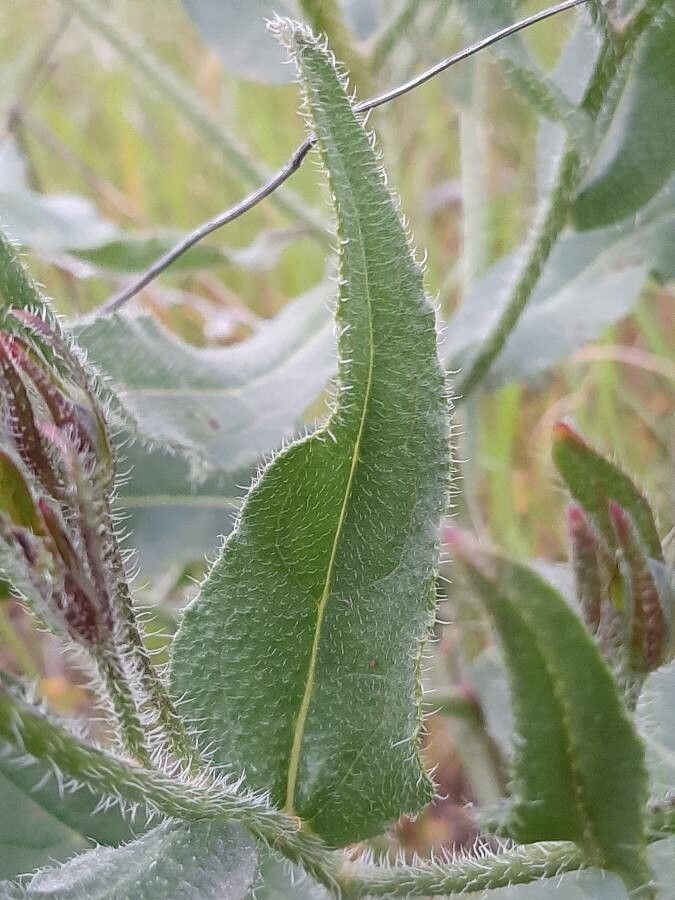
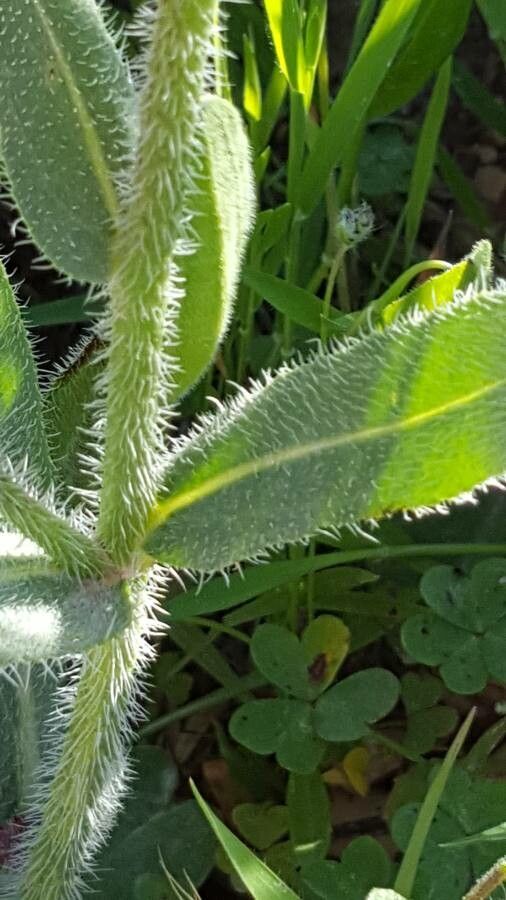
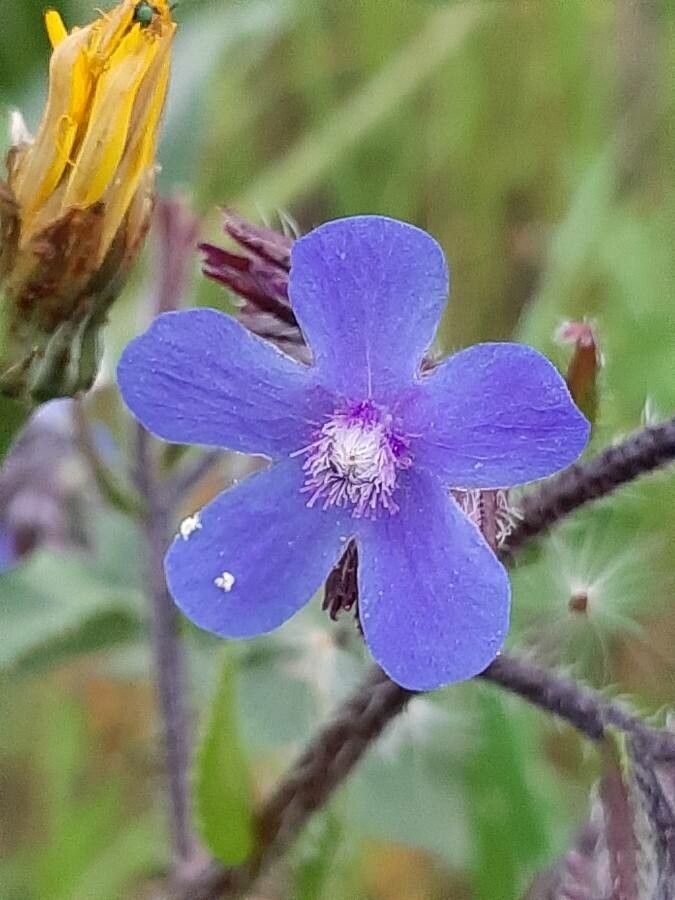
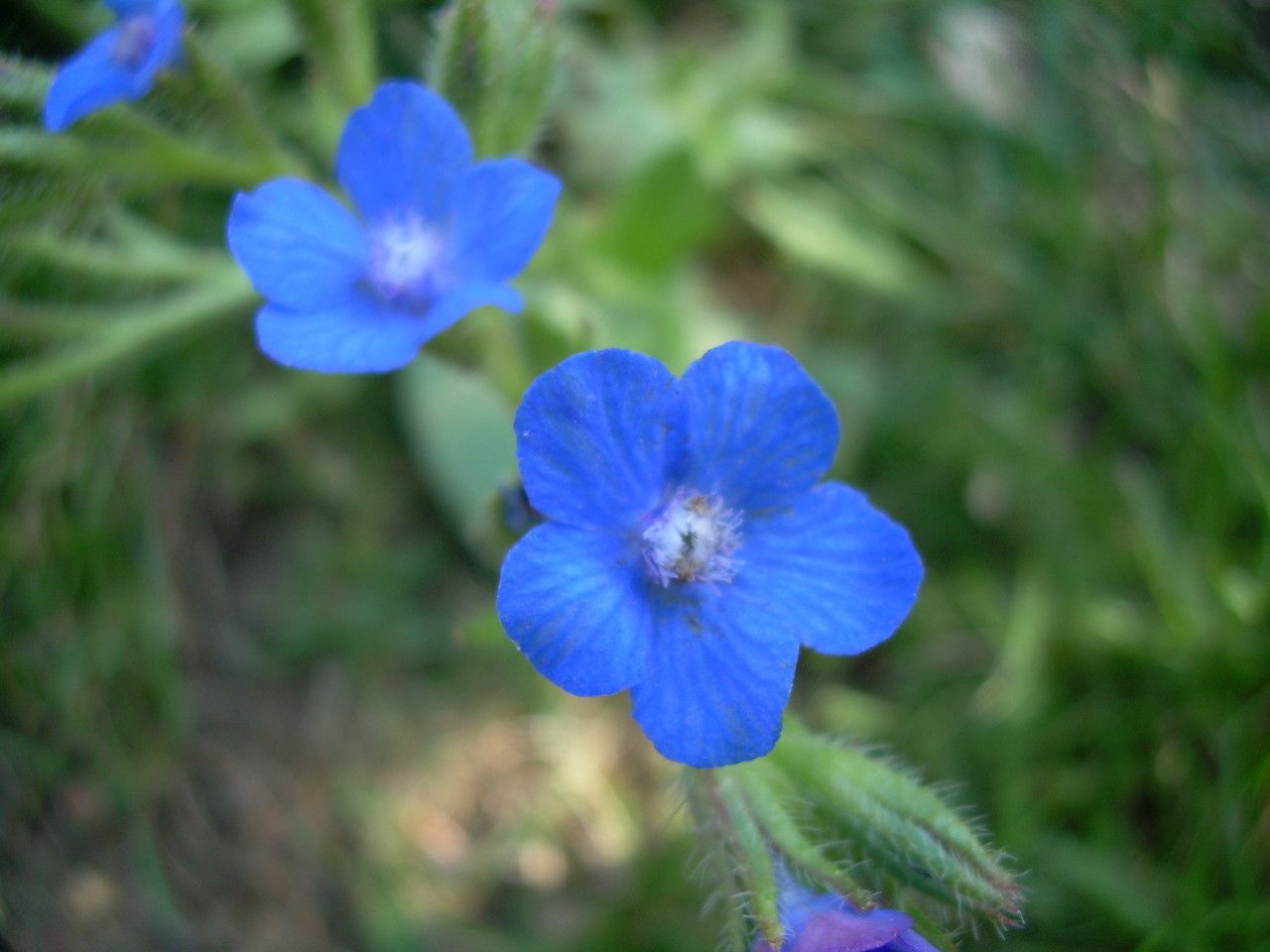
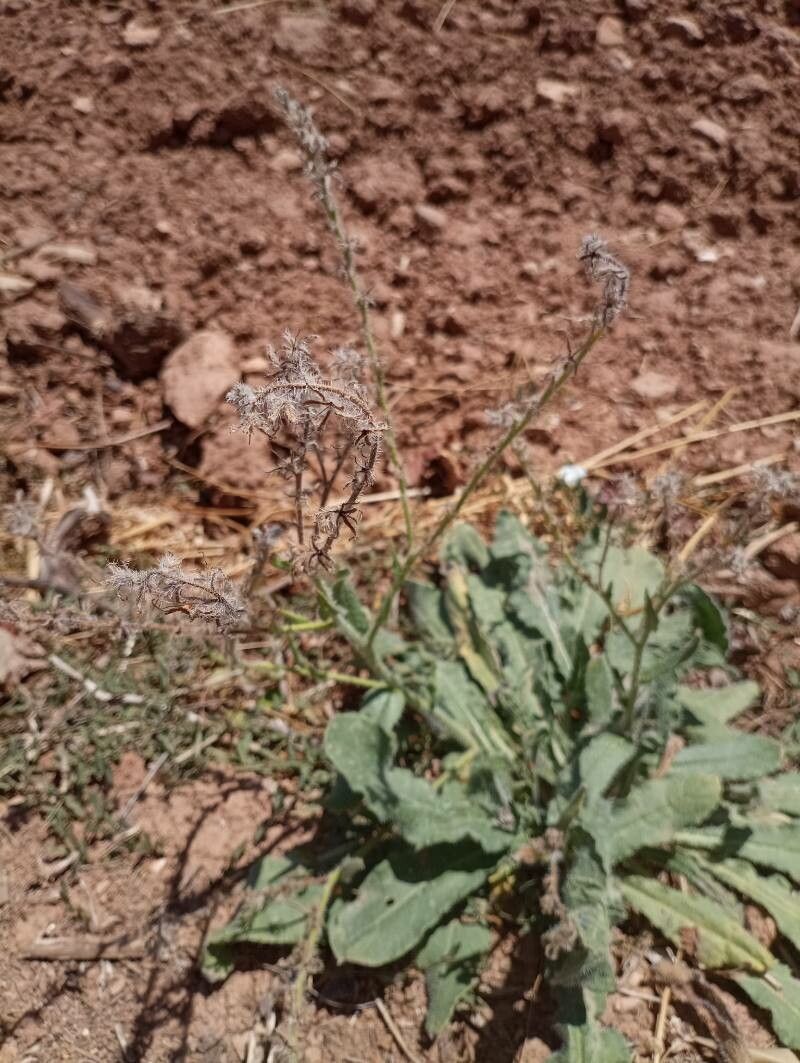
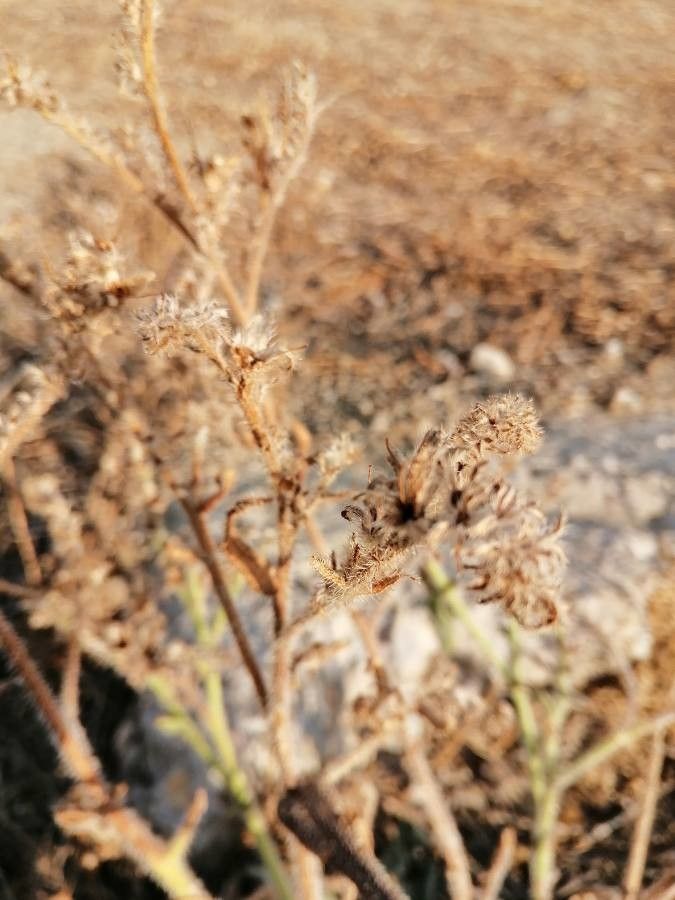
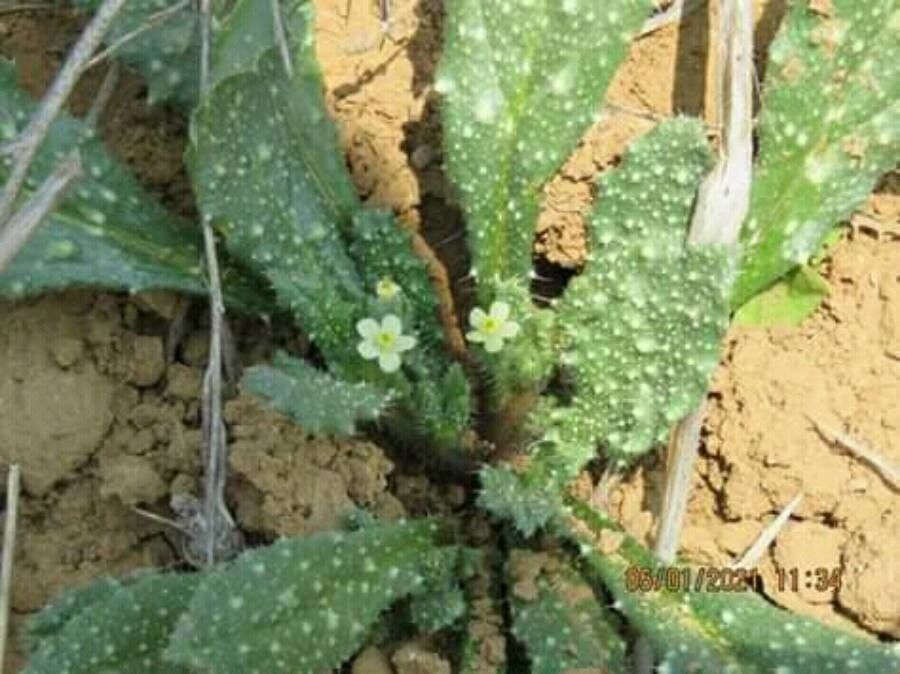
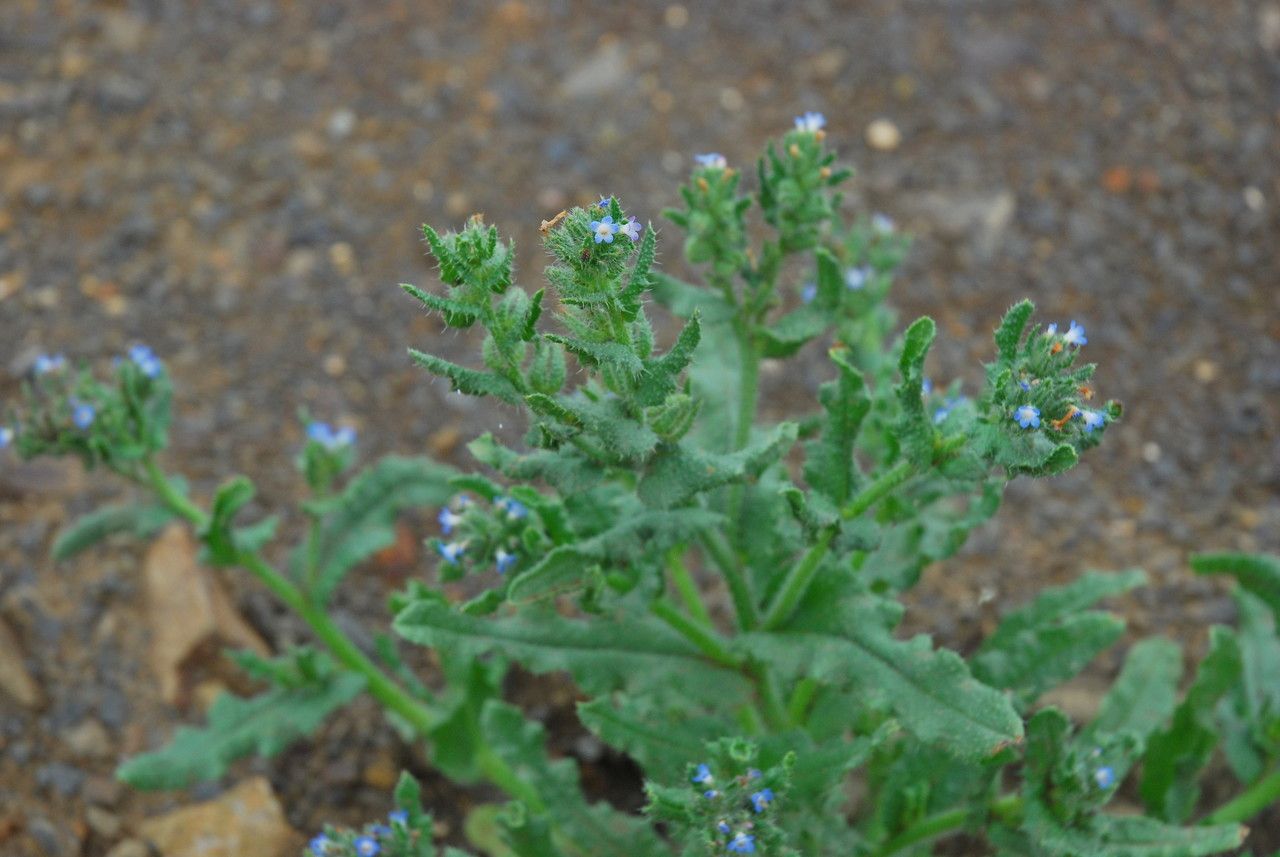
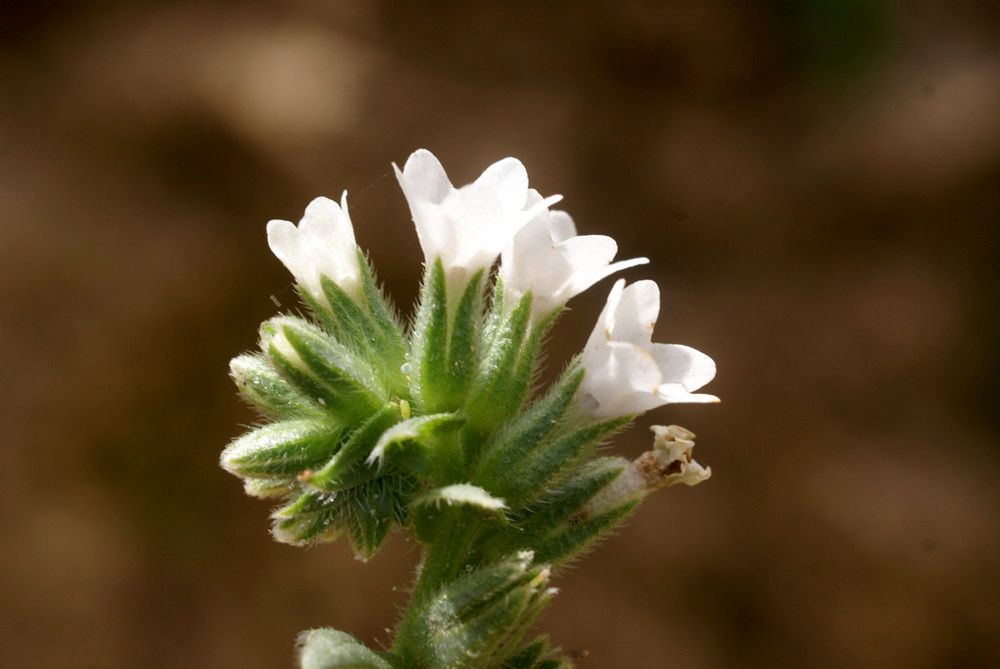
Anchusa italica, commonly known as Italian bugloss or summer forget-me-not, is a herbaceous perennial plant that belongs to the Boraginaceae family. Native to the Mediterranean region, it thrives in rocky areas, meadows, and along roadsides. This plant can grow up to 1 meter in height and features hairy, lance-shaped leaves with pointed tips. Its bright blue flowers, adorned with white centers, bloom from late spring through summer, attracting bees and butterflies.
Once established, Anchusa italica is drought-tolerant but prefers well-drained soil in full sun or partial shade. It has also been used medicinally for its anti-inflammatory properties. However, caution is advised as the plant contains pyrrolizidine alkaloids, which can be toxic if ingested in large quantities.
Overall, Anchusa italica is a striking addition to any garden, offering beautiful blue flowers throughout the summer months and providing a haven for pollinators such as bees and butterflies.
Italian bugloss shows good resistance to disease and is generally not highly susceptible to illnesses. Still, it can be affected by pests and diseases found in its environment. Those infections tend to be mild. Regarding care, this plant needs a moderate level of attention. It should be pruned regularly to preserve an attractive appearance and healthy growth, and fertilizing can encourage more blooms. Italian bugloss is a good choice for anyone with outdoor areas like a garden or patio and does not demand extensive gardening experience. It may need extra care when cultivated indoors.
How to keep Anchusa Italica.
Light
Italian bugloss does best when it gets abundant sunshine throughout the day, though it is somewhat adaptable and will tolerate partial shade. Its native habitat includes places with plenty of sun. Too much sunlight can cause leaf burn, while insufficient sunlight can hinder its growth and flower production.
Temperature
Italian bugloss is native to habitats with temperatures between 68 and 95°F (20 to 35℃). It flourishes in these warmer conditions and may need to be grown indoors or have temperature adjustments during cooler seasons.
Fertilizer
The best time to fertilize an Italian bugloss is in early spring, as it emerges from dormancy and starts active growth. Fertilizing supplies essential nutrients for healthy development. Although Italian bugloss has relatively low fertilizer requirements, applying fertilizer annually can improve its survival and encourage better, longer-lasting blooms.
Botanical profile.
- Plant Type
- Herb
- Life Cycle
- Perennial, Biennial
- Genus
- Anchusa
- Family
- Boraginaceae
- Hardiness Zone
- 3-8
- Mature Height
- 49 cm
- Mature Spread
- 61 cm
- Leaf Color
- Green
- Leaf Type
- Deciduous
- Flower Color
- Blue
- Flower Size
- 2.54 cm to 5.08 cm
- Bloom Time
- Mid spring, Late spring, Early summer, Mid summer
- Planting Time
- Spring
- Harvest Time
- Summer
- Native Area
- Libya, Turkey, Slovakia, Montenegro, Pakistan, Slovenia, Morocco, Croatia, Uzbekistan, Russia, Iraq, Romania, Portugal, France, Tajikistan, Tunisia, Cyprus, Bulgaria, Armenia, Greece, Ukraine, Lebanon, Serbia, Afghanistan, Syria, Kyrgyzstan, Kazakhstan, Italy, Spain, Iran, Albania, Azerbaijan, Algeria, Hungary, Turkmenistan
Other names.