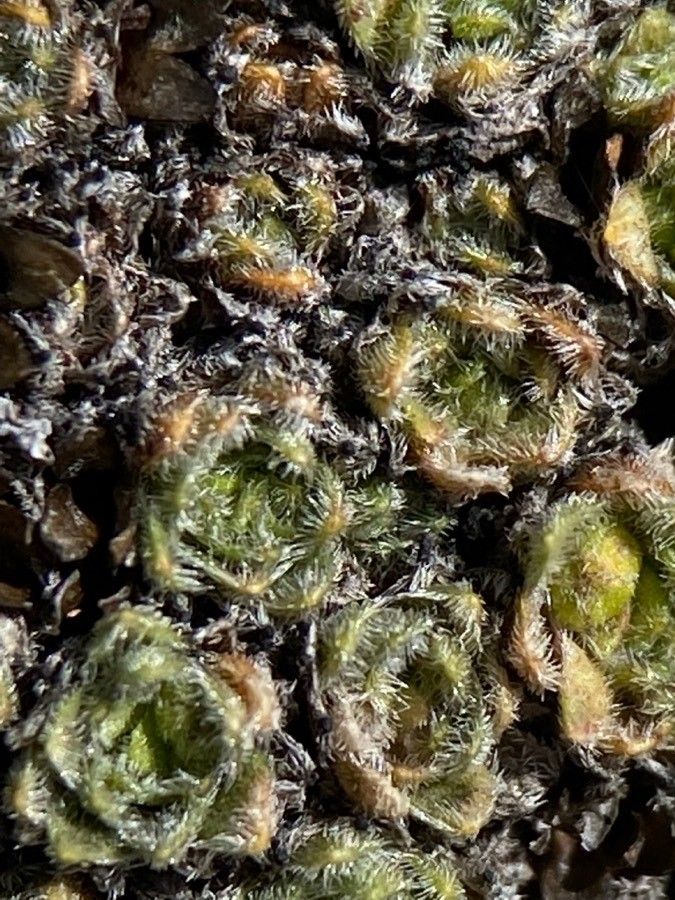
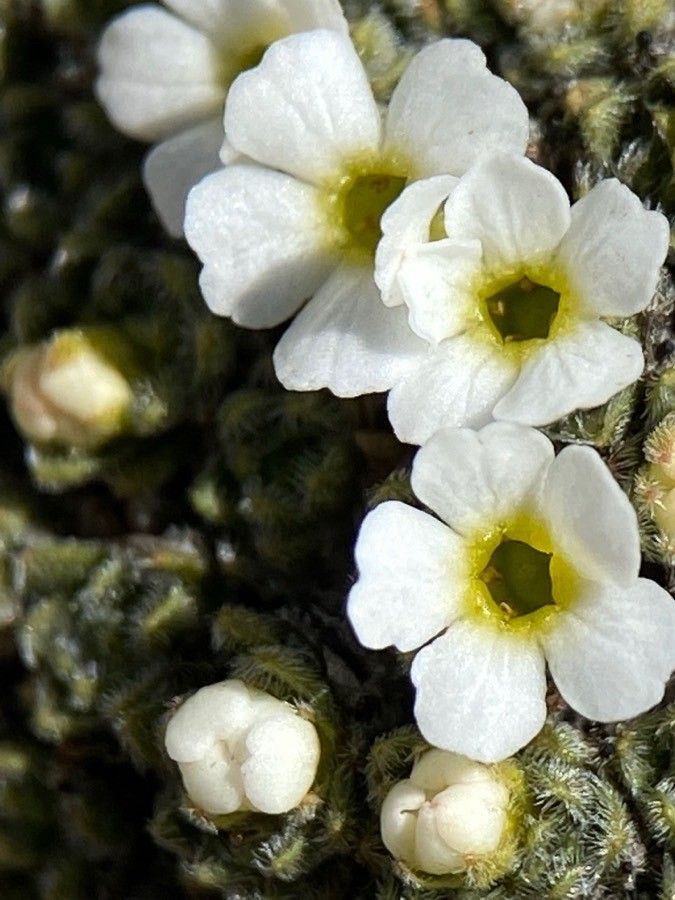
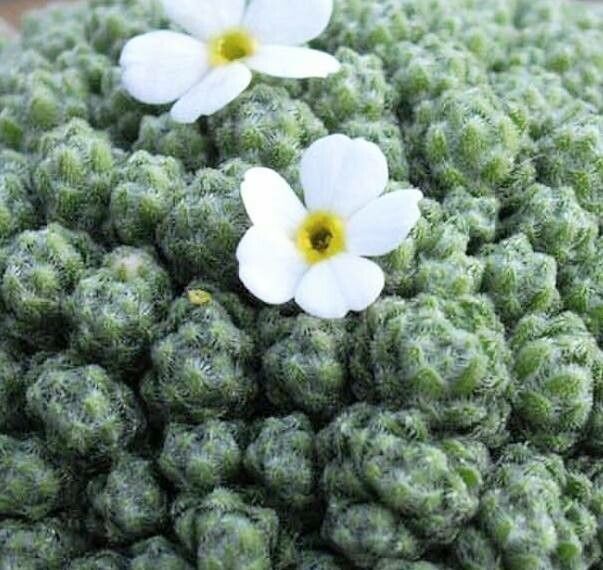
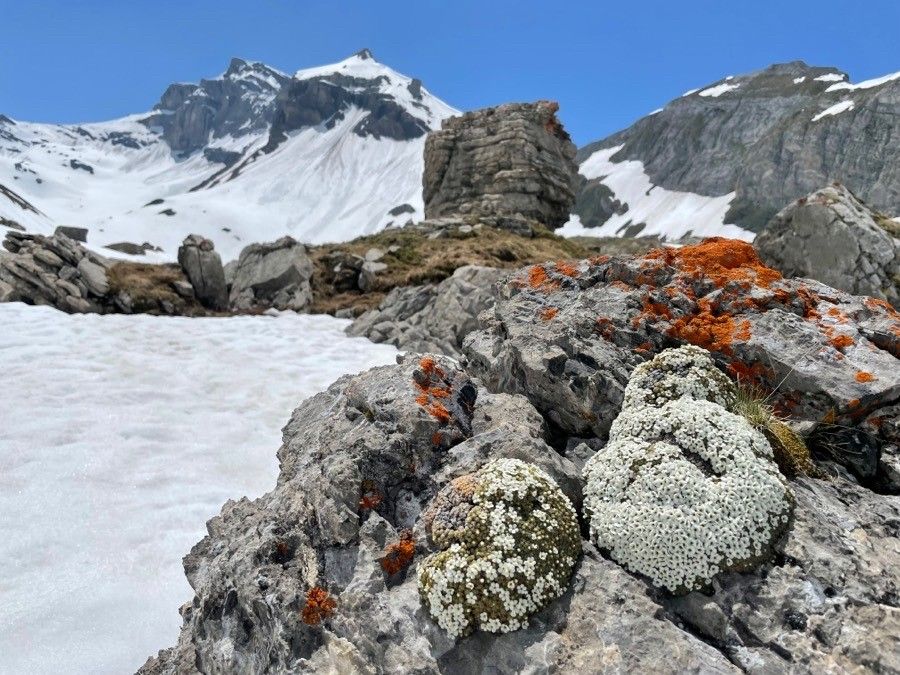
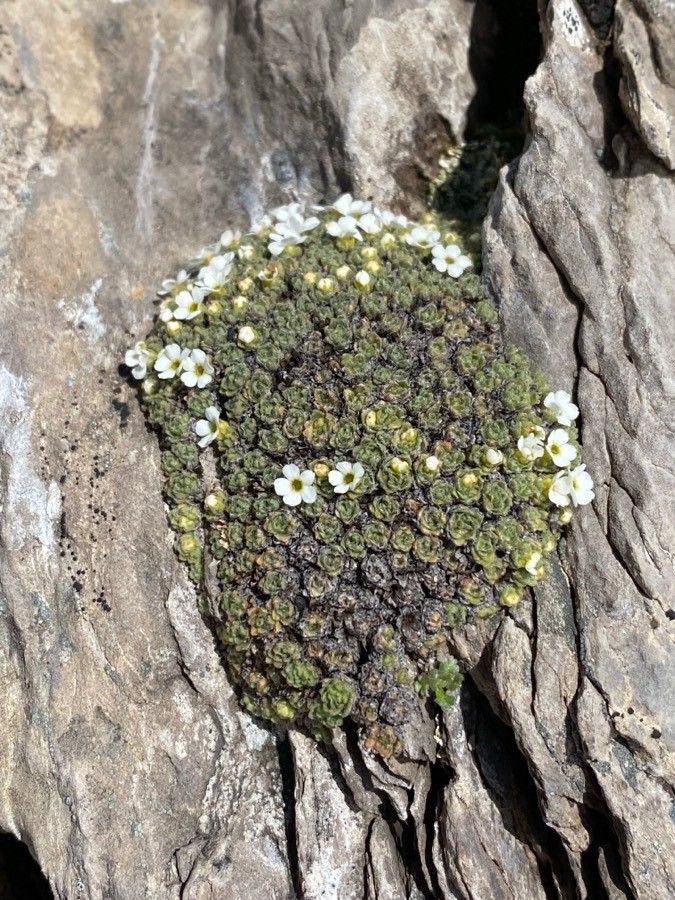
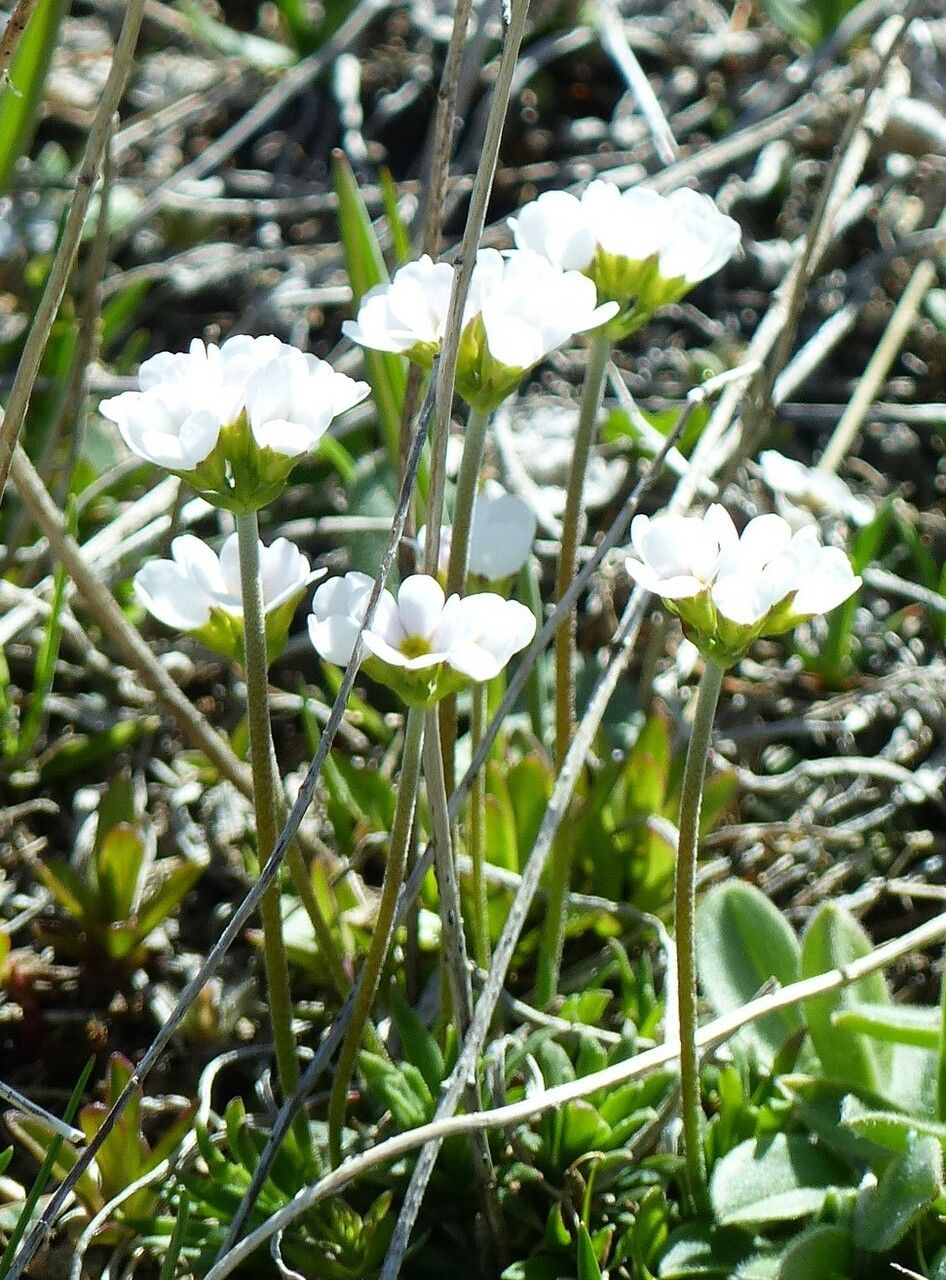
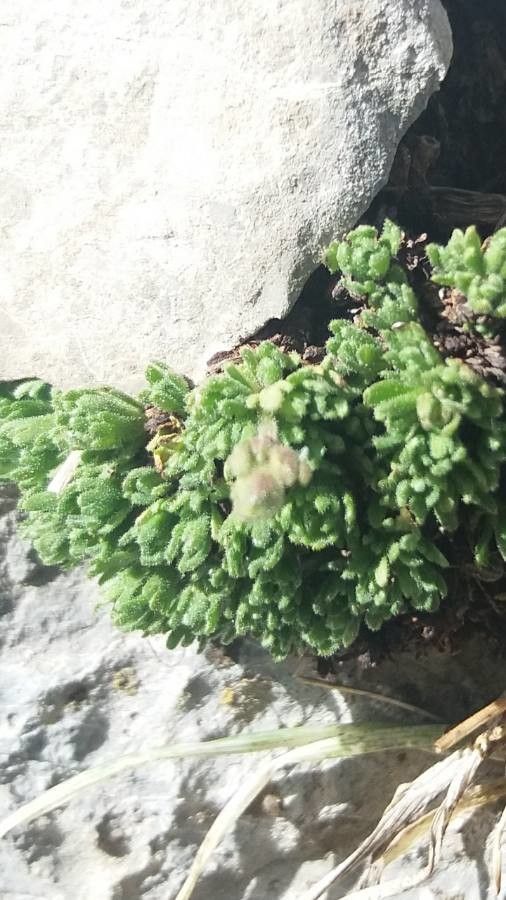
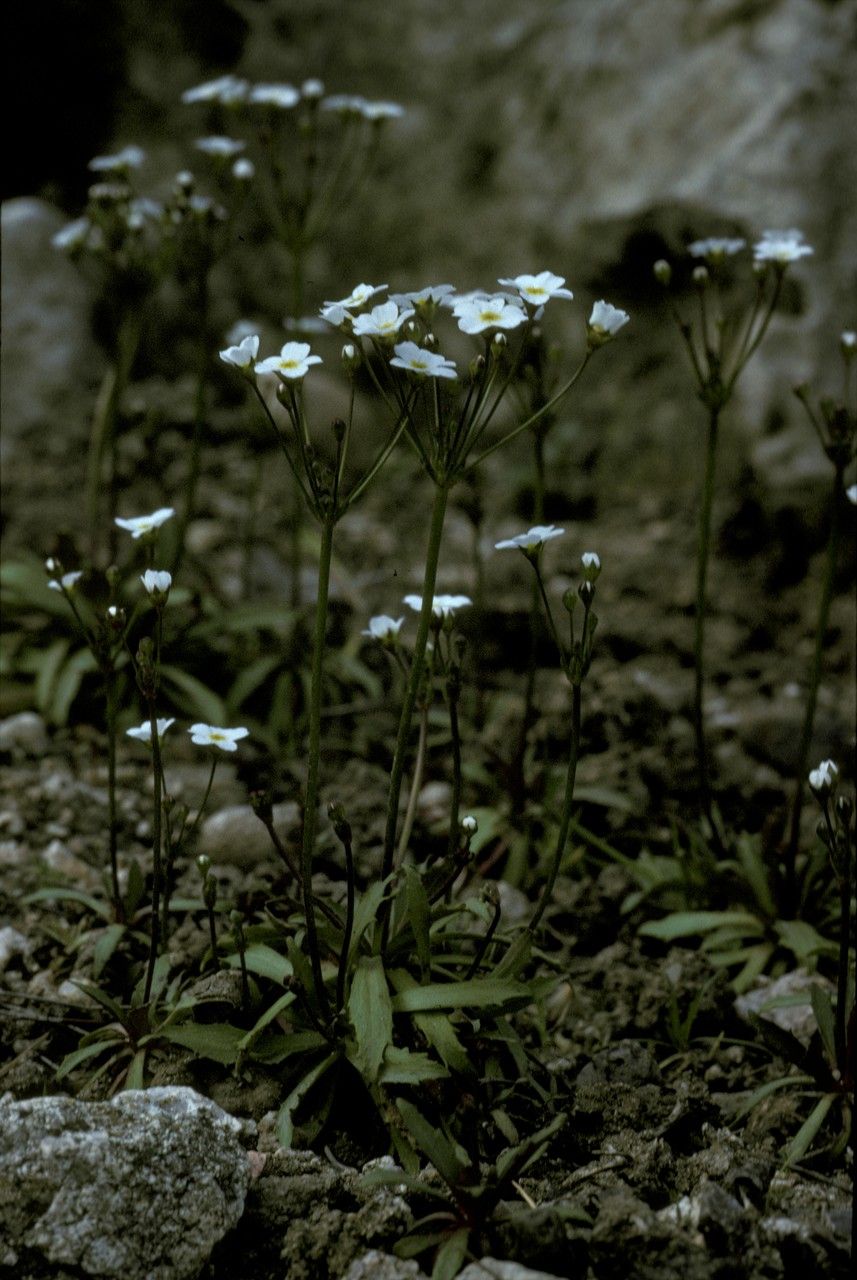
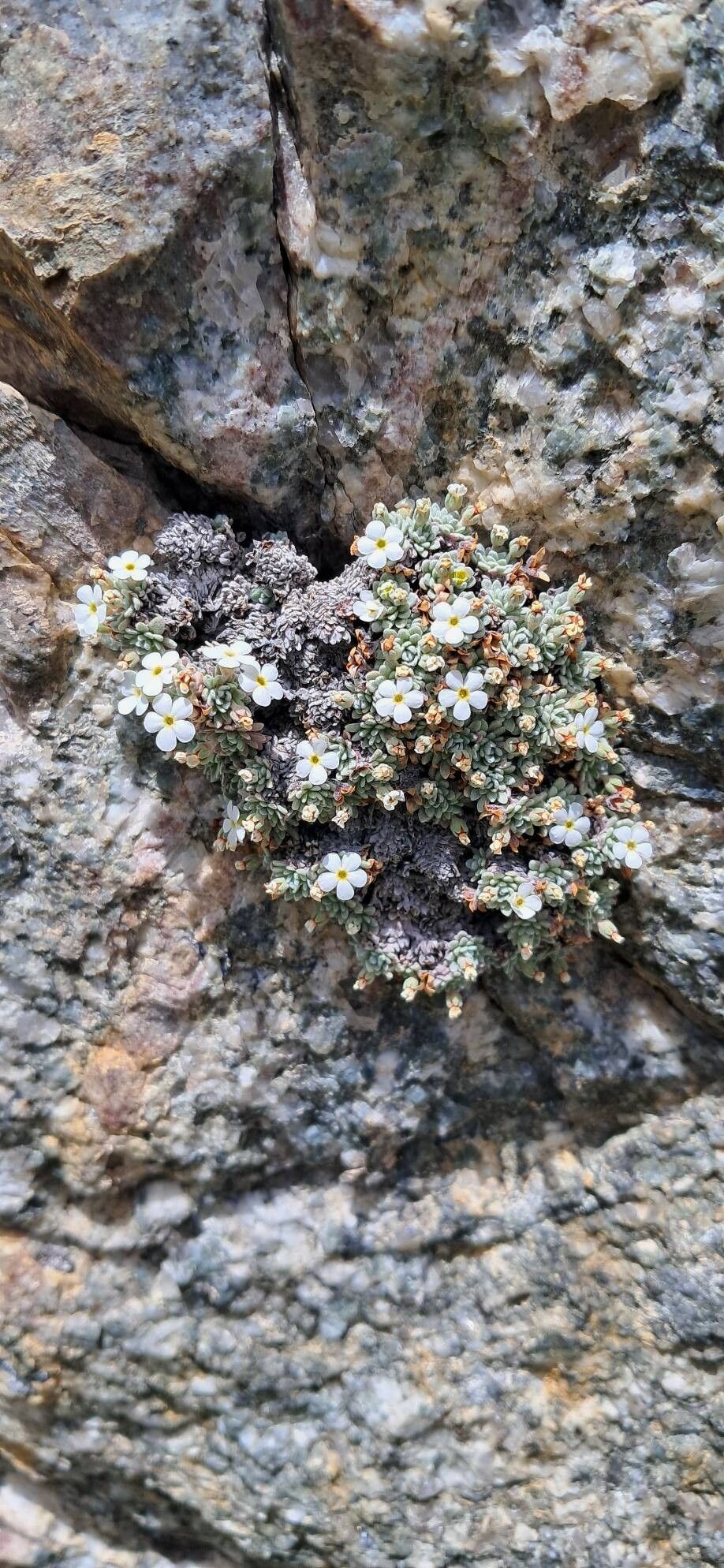
Androsace helvetica is a plant in the family Primulaceae. Androsace helvetica is widely distributed in the Alps, where it is absent from areas with siliceous bedrock and is rare and scattered in the south‐eastern Alps east of the Dolomites. Several occurrences are known from the central Pyrenees. It is a characteristic species of alpine and subnival communities on dry and exposed limestone rocks or calcareous schists. It forms dense, often hemispherical cushions, with imbricate dead leaves below the leaf rosette and exclusively simple hairs on the leaves.
Swiss rock jasmine is fairly disease-resistant and typically not prone to illnesses. Nevertheless, it can be affected by pests and diseases found in its environment. These problems are generally not serious. As for care, this plant needs moderate maintenance. It requires regular pruning to keep a neat appearance and promote healthy growth. Fertilizing can also help encourage flowering. Swiss rock jasmine is appropriate for anyone with outdoor space, such as a garden or patio, and does not demand extensive care experience. It may need extra attention when grown indoors.
How to keep Androsace Helvetica.
Light
Swiss rock jasmine is a sun-loving perennial herbaceous plant native to open habitats and commonly found in meadows and grasslands. It prefers full sun but can also tolerate partial sun.
Water
Swiss rock jasmine thrives in environments with moderate moisture, similar to its native alpine habitat. To ensure optimal health, it requires weekly watering. This plant is neither drought-tolerant nor dependent on high humidity. While it is generally cultivated outdoors, swiss rock jasmine enters a dormant state during the winter, which greatly reduces its water requirements.
Fertilizer
The best period to feed a Swiss rock jasmine is in the early spring, as it comes out of dormancy and begins active growth. The process of fertilization supplies vital nutrients necessary for its health. Despite the Swiss rock jasmine's minimal need for fertilization, carrying out this task annually can boost its chances of survival and stimulate superior, more enduring flowers.
Pruning
Swiss rock jasmine is a compact perennial with white flowers and silvery-green rosettes. Prune it from early to late spring by removing spent flowers and damaged leaves to encourage growth and flowering. Light pruning helps enhance the plant's shape and density, improves air circulation, prevents disease, and maintains its vitality.
Botanical profile.
- Plant Type
- Herb
- Life Cycle
- Perennial
- Genus
- Androsace
- Family
- Primulaceae
- Hardiness Zone
- 3-7
- Mature Height
- 1 cm to 3 cm
- Mature Spread
- 2 cm to 5 cm
- Leaf Color
- Green, Dark Green
- Leaf Type
- Semi-evergreen
- Flower Color
- White
- Flower Size
- 0.51 cm to 0.76 cm
- Bloom Time
- Mid spring, Late spring
- Planting Time
- Spring, Summer
- Harvest Time
- Early summer, Mid summer
- Native Area
- Germany, Austria, Italy, Spain, Switzerland, Slovenia, France
Reader questions.
How should I water my Swiss rock jasmine plant to keep it healthy?
To properly water the Swiss rock jasmine, it is recommended to use filtered water at room temperature. Tap water can have harmful particles, so filtered water is preferred. The plant should not be exposed to cold water, as it is accustomed to warm climates and cold water can be stressful for it. Instead of overhead watering, it is best to water the soil, pouring the filtered room temperature water until the soil is completely saturated. This method benefits the plant by keeping the roots moist and allowing them to expand and absorb nutrients from the soil.
Why should I add fertilizer to my Swiss rock jasmine?
Fertilization plays a vital role in the growth of Swiss rock jasmine and other plants. It provides essential nutrients for both above-ground and below-ground growth. While Swiss rock jasmine has relatively low fertilization needs and can survive without it, annual fertilization is highly beneficial. It helps maintain the plant's health, promotes the development of longer-lasting flowers, and ensures the plant looks its best. Therefore, those looking to enhance the appearance of their Swiss rock jasmine should prioritize annual fertilization.
What do I need to do if I give my Swiss rock jasmine too much or too little water?
Overwatering and underwatering can harm your Swiss rock jasmine, but overwatering is a more common issue. When this plant gets too much water, its stems and leaves may wilt and turn yellow. Overwatering for a long time can also cause root rot, mold, and mildew, which can kill your plant. Underwatering is less likely, as the Swiss rock jasmine can handle drought. But if it happens, the leaves will become brittle and brown. It's important to notice signs of overwatering quickly. Some diseases caused by overwatering, like root rot, may not be fixable if you wait too long. If you see early signs, reduce watering immediately. Check the soil's quality too. If it drains poorly, replace it with a loose, well-draining mix. If your plant needs more water, simply water it regularly until the signs disappear.
When should I put fertilizer on my Swiss rock jasmine?
The best time to fertilize a Swiss rock jasmine is in late winter to early spring when the plant is coming out of its dormant phase and starting to grow. Fertilizing at this time promotes healthy growth and helps the plant thrive for the season. Although early spring is the most advantageous, fertilizing in the fall is also acceptable. However, it is not recommended to fertilize during summer and winter.
How often do I need to water my Swiss rock jasmine?
If your plant is in a pot, the most precise way to determine if your Swiss rock jasmine needs water is to check the soil by plunging your finger into it. If the top two to three inches of soil are dry, it is time to water it. If you grow your Swiss rock jasmine outdoors in the ground, you can use a similar method to test the soil. Again, if you find that the top few inches of soil have dried out, it is time to water it. During spring and early fall, this method usually means watering the plant once a week. However, during extremely hot weather, you may need to increase watering to twice a week or more. That being said, mature and well-established Swiss rock jasmine plants can tolerate drought well.
When is it best to not put fertilizer on my Swiss rock jasmine?
To properly care for your Swiss rock jasmine, only fertilize it in late winter or early spring. This plant doesn't require frequent feeding, so one annual fertilization should be sufficient. Avoid fertilizing during the rest of the year, as it can easily lead to overfertilization and complications. The only exception is if you missed fertilizing in the spring, in which case you can feed it in the fall. Also, refrain from fertilizing during the winter when the plant is in a dormant growth phase and doesn't produce new growth.
How much water does my Swiss rock jasmine require?
To properly water your Swiss rock jasmine, don't hold back on the amount of water you give it. Make sure the top two to three inches of soil are dry before watering, then give it a good, thorough soak. You want enough water to completely saturate the soil and flow out of the drainage holes at the bottom of the pot. If you don't see excess water draining, you may not have given enough water. However, be careful not to let water accumulate in the soil, as this can be dangerous for the plant. On the other hand, if water doesn't drain properly from the pot, it could indicate poorly draining soil, which is harmful to the plant's health. If the plant is outside, one inch of rain per week should be sufficient.
What kind of fertilizer should I use for my Swiss rock jasmine plant?
A general-purpose fertilizer with a balanced mix of nutrients is suitable for a Swiss rock jasmine. However, some nutrient blends, such as those with higher phosphorus levels, may provide even better results, especially for flowering plants like Swiss rock jasmine. Both granular and liquid forms of fertilizer can be used, as long as they contain sufficient nutrients. Additionally, you can enhance the soil for your Swiss rock jasmine using organic methods like composting and adding manure, which help create a healthy growing environment.
How should I water my Swiss rock jasmine at different stages of its growth?
The water needs of the Swiss rock jasmine depend on its growth stages. In the early years and after transplantation, you should provide more water to support root development and future growth. As the plant matures, it will require less water. During the bloom period, when flowers are developing, additional watering may be necessary.
How should I give fertilizer to my Swiss rock jasmine?
To fertilize a Swiss rock jasmine, the most common method is to use granular or pellet fertilizer. It is important to fertilize the plant as it transitions from its dormant winter phase to active growth. In early spring, wait for shoots to emerge from the soil before applying fertilizer. Alternatively, you can use a liquid fertilizer, but make sure to dilute it with water beforehand. Whether you choose granular or liquid fertilizer, it is advisable to moisten the soil before, during, and after applying the fertilizer.
How should I water my Swiss rock jasmine for different seasons?
The Swiss rock jasmine has different water needs throughout the year. In the hottest months of summer, it will require the most water. Depending on how quickly the soil dries out, you may need to water this plant more than once per week. However, during winter, the plant will enter a dormant phase and will need significantly less water. In fact, you may not need to water it at all during this time. If you do choose to water it during winter, make sure to only do so about once per month. Overwatering during this period increases the risk of diseases for the Swiss rock jasmine.
What will happen if I give too much fertilizer to my Swiss rock jasmine?
When caring for your Swiss rock jasmine, remember that it requires only a moderate amount of fertilizer each year. Giving it too much fertilizer can have negative consequences. Excessive fertilizer can lead to fertilizer burn, where the plant's roots lose nutrients and moisture, resulting in its decline. Overfertilizing also weakens the plant and makes it more susceptible to disease. Additionally, giving it too much fertilizer may cause the Swiss rock jasmine to produce fewer or no blooms, which is a major drawback considering its highly desired flowers.