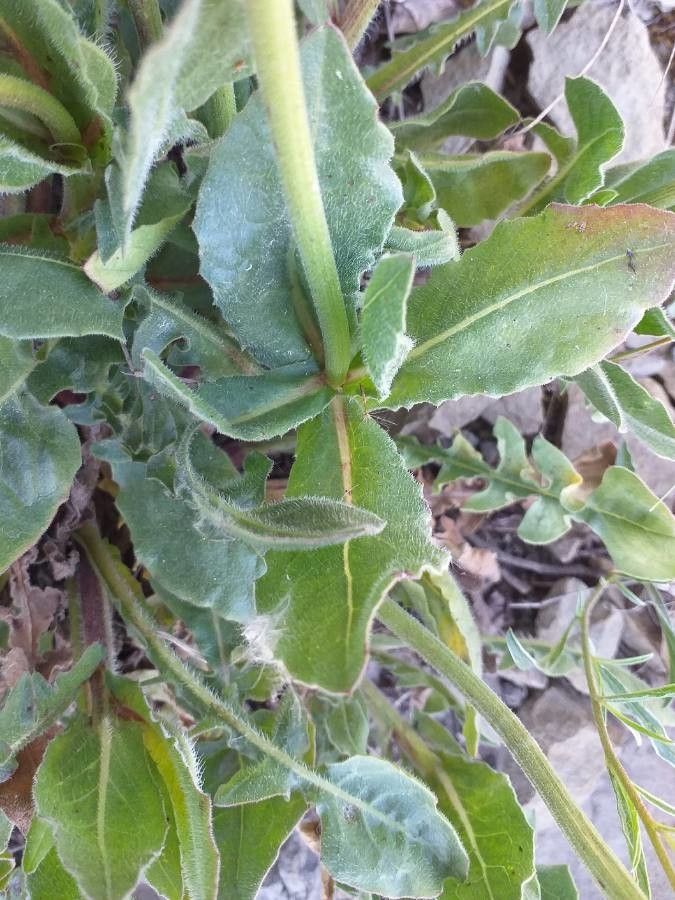
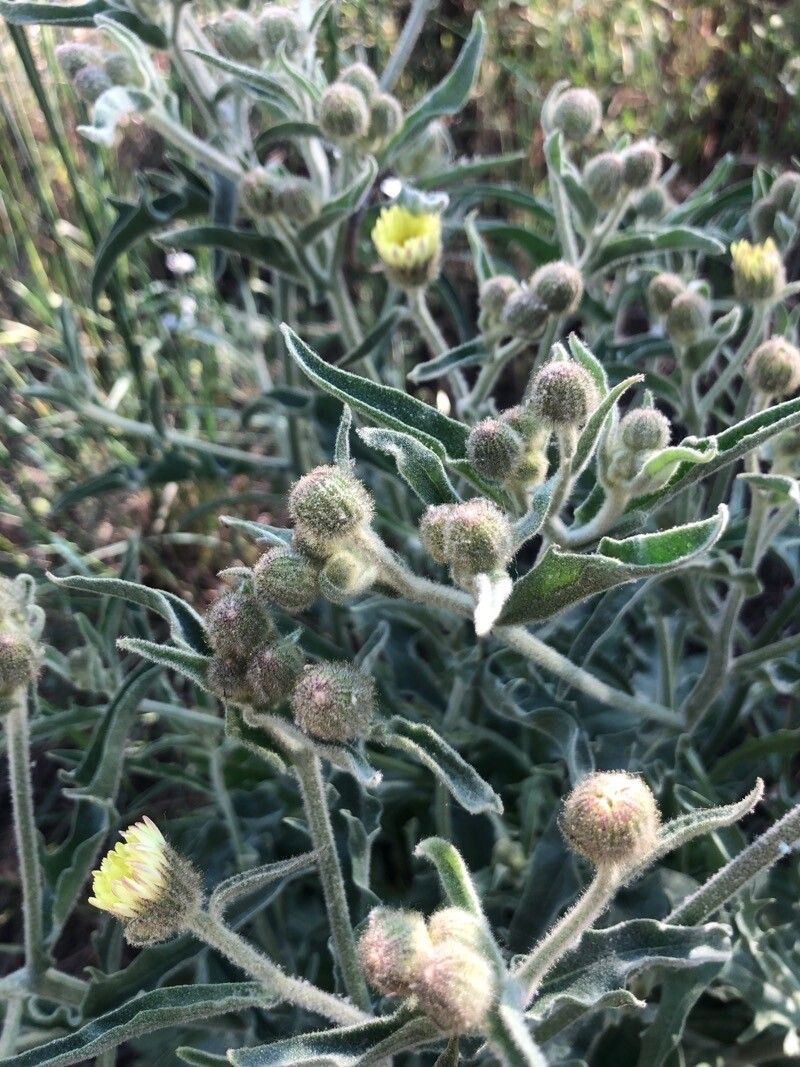
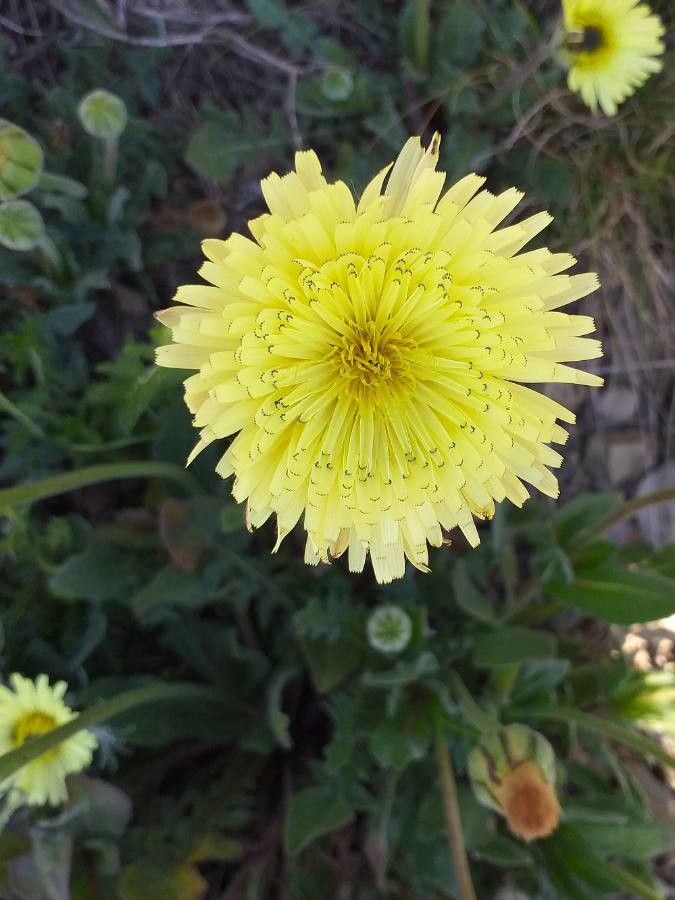
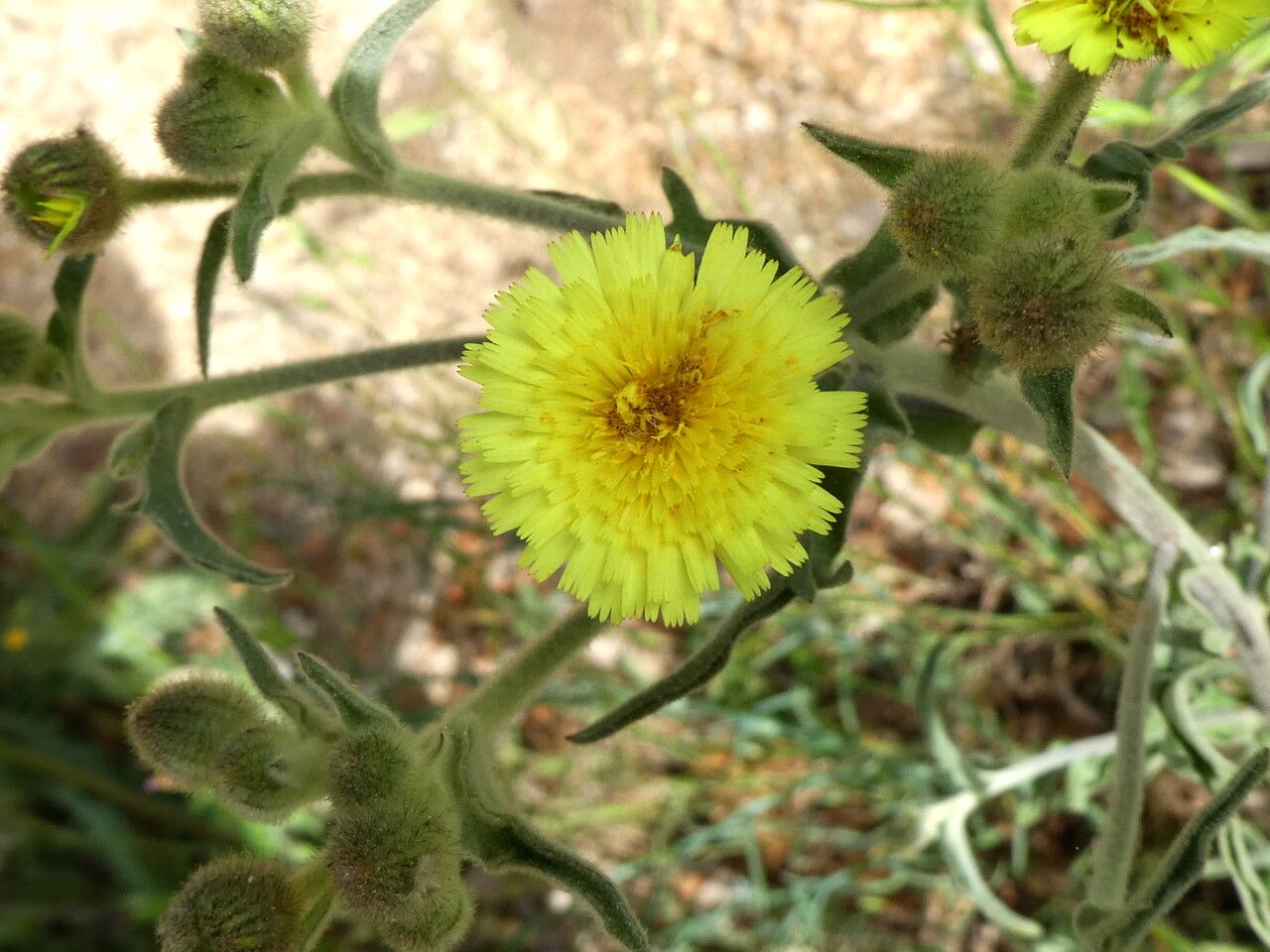
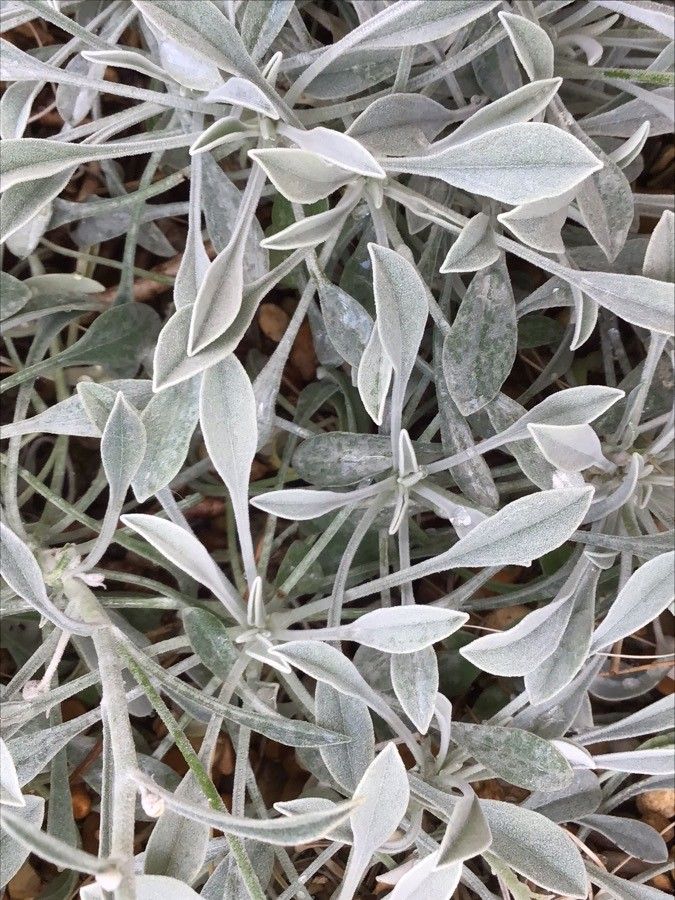
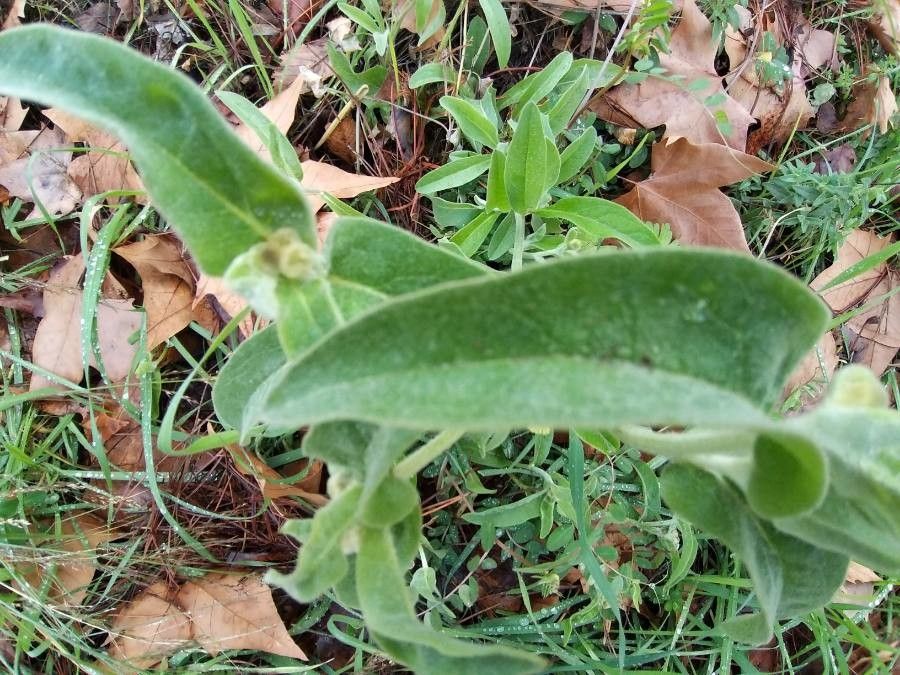
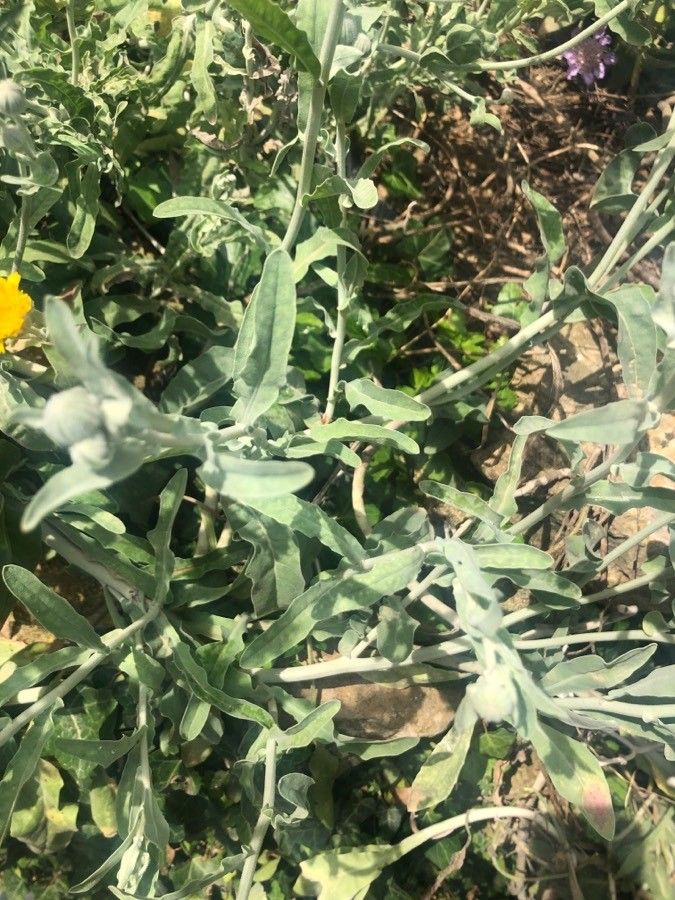
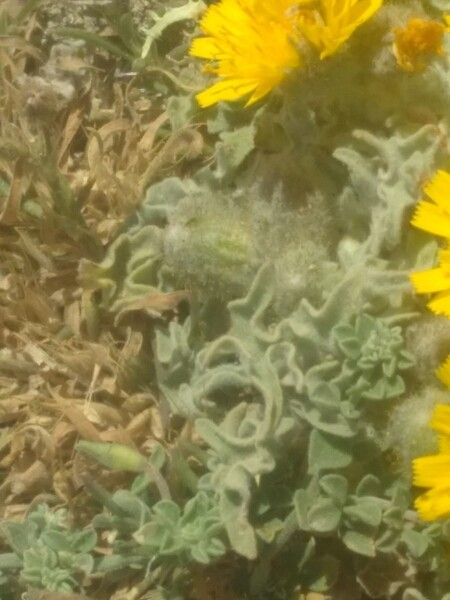
Andryala integrifolia is a perennial plant species that belongs to the Asteraceae family. Native to the Mediterranean region, it can be found in countries such as Spain, Portugal, and Morocco. The plant typically grows to a height of up to 50 cm and features a woody stem with lance-shaped, smooth-edged, grayish-green leaves.
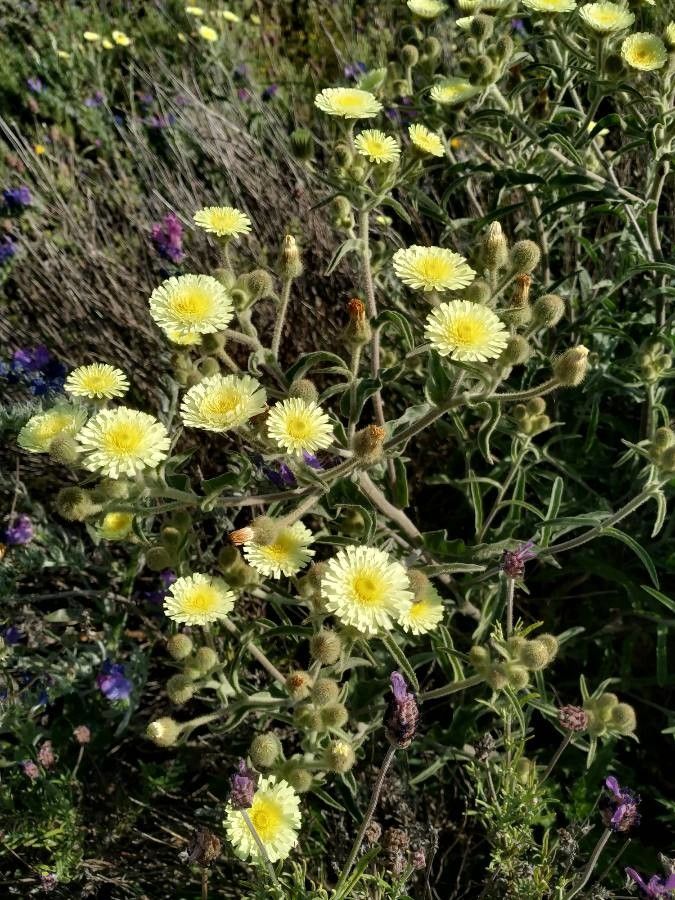
The flowers of Andryala integrifolia are yellow, with five petals arranged in a daisy-like shape. These blooms appear from late spring through summer, attracting pollinators such as bees and butterflies.
The plant thrives in well-drained soils with full sun exposure but can also tolerate partial shade. While it is drought-tolerant once established, it requires regular watering during its initial growth period.
Traditionally, Andryala integrifolia has been used for its medicinal properties, particularly its anti-inflammatory benefits. Additionally, its leaves have been used to make herbal tea believed to aid digestion.
Overall, Andryala integrifolia is an attractive ornamental plant that adds color to gardens while also offering medicinal benefits.
Common andryala is fairly disease-resistant and typically does not suffer from many illnesses. That said, it can be affected by pests and diseases present in its environment. Such infestations are generally mild. Regarding care, the plant needs moderate maintenance. Regular pruning is necessary to preserve a neat appearance and support healthy growth. Applying fertilizer can also encourage blooming. Common andryala is appropriate for people who have outdoor areas like a garden or patio and does not demand extensive gardening experience. When cultivated indoors, it may need extra attention.
How to keep Andryala Integrifolia.
Light
Common andryala grows best with steady, all-day sunlight and tolerates variations. Having germinated in abundant sun in its native habitat, it can endure periods of reduced light, though prolonged deprivation may result in stunted growth and a less vigorous appearance. Excessive sun, however, is generally not a problem.
Water
Common andryala thrives in areas with moderate rainfall and needs weekly watering to stay healthy. It is neither tolerant of drought nor does it love high humidity, so it requires consistent moisture throughout the year. As an evergreen plant, common andryala retains its leaves and needs regular watering even during the colder months.
Humidity
This plant prefers dry conditions, so don't mist it. However, watering it less often can also thrive in higher humidity.
Temperature
Common andryala originates from temperate regions and needs a temperature range of 68 to 95 °F (20 to 35 ℃) for optimal growth. Seasonal adjustments may be necessary to maintain that range.
Fertilizer
Common andryala responds well to regular, light fertilizer applications to encourage healthy leaf development. Fertilize Common andryala about once a month during the summer. Nitrogen is essential for foliage, and supplying nitrogen-rich sources helps Common andryala flourish.
Pruning
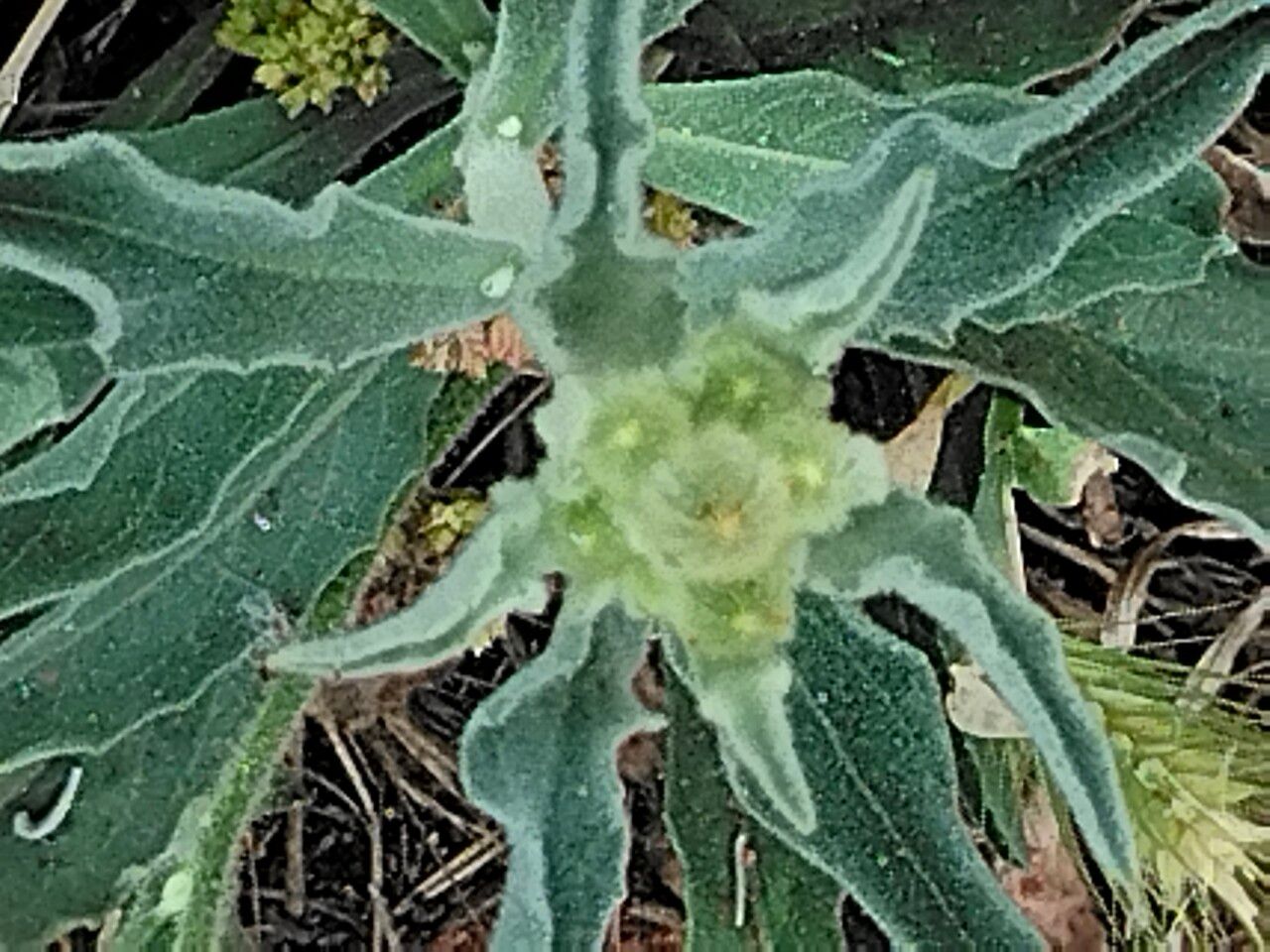
Andryala is characterized by its bright yellow flowers and woolly stems. To keep the plant healthy, it is best to prune it from early to late spring, which helps remove dead stems and encourages new growth. Thinning out the plant improves air circulation and allows more light to reach the inner areas. Regular pruning helps maintain the plant’s shape, control its size, and promotes prolonged blooming, all of which contribute to a vibrant garden presence.
Botanical profile.
- Plant Type
- Herb
- Life Cycle
- Annual
- Genus
- Andryala
- Family
- Asteraceae
- Hardiness Zone
- 9
- Mature Height
- 30 cm to 76 cm
- Mature Spread
- 20 cm to 40 cm
- Leaf Color
- Green, Blue
- Leaf Type
- Evergreen
- Flower Color
- Yellow
- Flower Size
- 1.52 cm to 7.62 cm
- Bloom Time
- Summer
- Planting Time
- Spring
- Harvest Time
- Late summer, Early fall
- Native Area
- Libya, Tunisia, Portugal, Italy, Spain, United Kingdom, Algeria, Morocco, France
Other names.
Reader questions.
How should I water my Common andryala plant?
There are several ways to water Common andryala: you can use a garden hose with a spray nozzle, a watering can, or any other common watering tool. This plant is not too particular about the type of water it receives, so rainwater, tap water, or filtered water all work fine. It's generally best to avoid watering from overhead, as this can harm the leaves and flowers and potentially cause disease. Instead, setting up a drip irrigation system is often the most effective method for watering Common andryala, as it ensures even and direct water application to the soil. If you have a container-grown Common andryala, you can use a cup, watering can, or tap to water it directly onto the soil.
What are the sunlight requirements for Common andryala (Andryala integrifolia)?
Common andryala thrives best under the consistent, full-day exposure to the sun, requiring above 6 hours of sunlight for optimal growth. It is tolerant of any variations in light conditions. Initially, it sprouts with ample sun in its native habitat and can withstand periods of reduced light, though extended deprivation can lead to stunted growth and a less flourishing appearance. Overexposure to sunlight is typically unproblematic for this plant. When cultivating Common andryala indoors or in less sunny spaces, especially during winter, artificial lighting can offer a vital solution. LED lights are a popular choice as they can be customized to provide the specific wavelengths of light that plants need, with full sun plants requiring 30-50W/sq ft, partial sun plants needing 20-30W/sq ft, and full shade plants 10-20W/sq ft. The appropriate distance for the light source is 12-36 inches above the plant to mimic natural sunlight, and most plants need 8-12 hours of light per day.
What is the optimal temperature range for growing Common andryala?
Common andryala, known botanically as Andryala integrifolia, thrives best in temperate environments with a preferred temperature range of 68 to 95 °F (20 to 35 °C). To ensure optimal growth, seasonal adjustments may be necessary to maintain this temperature range. Although Common andryala possesses some cold tolerance and generally does not need additional measures when temperatures are above 0°C, protection is required if temperatures are expected to drop below freezing. Temporary measures, such as wrapping the plant with plastic film, fabric, or other materials, can be employed for cold protection, and these should be removed once temperatures rise again.
What should I do if I give my Common andryala plant too much or too little water?
The solution for underwatering Common andryala plants is simple. If you notice that your plant lacks moisture, start watering it more regularly. On the other hand, overwatering can be a serious problem, especially if you don't catch it early. When overwatered, Common andryala plants are at risk of developing diseases that can cause them to decline and die. To prevent this, it's important to choose a suitable location for your plant that receives plenty of sunlight, as sunlight helps dry the soil. Additionally, the location should have good drainage to allow excess water to drain instead of pooling and causing waterlogged soil. If you have overwatered your Common andryala plant in a pot, you may need to transfer it to a new pot. The previous container may not have had good drainage or enough drainage holes. When repotting your overwatered plant, ensure you use loose soil and a pot that drains efficiently.
What are the signs of inadequate light exposure in Common andryala?
Common andryala may exhibit several symptoms indicating inadequate light exposure. These include smaller new leaves compared to older ones, leggy or sparse growth where the spaces between leaves or stems become longer, leading to a thin and stretched-out appearance, faster leaf drop as the plant conserves resources, slower or halted growth due to survival mode, lighter-colored new leaves indicating a lack of chlorophyll and essential nutrients, chlorosis where leaves lose their green color and turn yellow, sunscald seen as pale, bleached, or necrotic areas on plant tissue, leaf curling as a defense mechanism to minimize water loss and damage, wilting due to increased water loss and difficulty in maintaining hydration, and leaf scorching characterized by brown, dry, and crispy edges or patches on leaves.
How does Common andryala react to low temperatures, and what should be done?
Common andryala shows moderate tolerance to low temperatures, ideally thriving when the temperature remains above 20°C. It is crucial to keep the plant above 0°C during winter months. Exposure to temperatures below -5°C may cause the leaves to droop; while they may recover in mild cases, severe cold can lead to wilting and eventual loss of leaves. To mitigate frost damage, it is advisable to trim off the frost-damaged parts and take preventive measures against future cold exposures. Wrapping the plant with non-woven fabrics or cloths and constructing a wind barrier can offer protection against the cold wind.
How frequently should I water my Common andryala?
Common andryala requires regular watering throughout the growing season. In the spring, water once a week. As the season progresses and temperatures rise, increase watering to two to three times per week. It is important not to exceed this rate as it can harm the plant. Regardless of watering frequency, ensure that the soil remains moist but not wet. When it comes to potted Common andryala, watering needs differ. Potted soil can dry out faster, so increase watering frequency to a few times per week compared to once per week for plants in the ground.
How can light exposure problems be remedied for Common andryala?
To ensure optimal growth of Common andryala, gradually moving plants to a sunnier location each week until they receive at least 6 hours of direct sunlight daily is crucial. For indoor plants, using a south-facing window and keeping curtains open during the day for maximum sunlight exposure is beneficial. If the plant is large or not easily movable, consider using artificial light and keeping a desk or ceiling lamp on for at least 8 hours daily, or investing in professional plant grow lights. Outdoors, it's vital to move plants gradually to the best spot for sunlight to adapt without experiencing sunburn. Identifying and reducing obstructions such as trees by pruning branches and leaves can also help. For smaller plants, consider transplanting during their dormant period, usually late winter or early spring, to a location with ample sunlight and good drainage.
What measures should be taken for Common andryala during high temperatures?
During summer, it is essential to keep Common andryala's temperature below 35°C to prevent heat stress. Exposure to temperatures above 38°C can cause the leaves to lighten in color, the leaf tips may dry and wither, and the leaves might curl, increasing the plant's susceptibility to sunburn. To alleviate damage from high temperatures, trim away the sunburned and dried parts of the plant. Moving the plant to a shaded location or utilizing shade cloth can protect it from the harsh midday and afternoon sun. Additionally, watering the plant in the morning and evening helps keep the soil adequately moist, aiding in its heat stress recovery.
How much water does my Common andryala plant need?
Determining how much water to give to your Common andryala can be done in a few different ways. Some gardeners prefer to rely on the moisture of the soil, watering until the top six inches feel damp. On the other hand, using a specific measurement is also a common approach. Generally, two gallons per week is recommended, but factors like temperature and soil dryness should be considered. Keep in mind that these guidelines may lead to overwatering if your plant requires less water. When growing in a container, a different method should be used. Ensure that all layers of soil are moist by checking with your finger or noticing a slight trickle of excess water from the drainage holes.
How can I know if I'm giving enough water to my Common andryala?
Avoiding overwatering your Common andryala can be challenging. These plants have deep roots that require weekly soil moistening, but they are also highly prone to root rot. Overwatering can cause browning and other issues. Underwatering is less of a concern since these plants can survive without extra watering for some time. However, if you wait too long, the plant may wilt and develop dry leaves.
How often should I water my Common andryala during different seasons?
As the season progresses, it is important to adjust the watering schedule for your Common andryala. In spring, watering once a week should be sufficient. However, as the summer heat intensifies, you may need to increase watering frequency to about three times a week. This is especially crucial for Common andryala grown in containers, as container soil tends to dry out faster in warm weather. In autumn, while your Common andryala is still blooming, you can expect it to require slightly less water due to the cooler temperatures and less intense sunlight compared to summer.