Anemone sylvestris
Snowdrop anemone · Snowdrop windflower · Wood Anemone · Tovsippa · Dedițel de pădure
Description
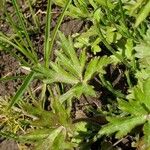
Source: leafsnapAnemone sylvestris, commonly known as the snowdrop anemone, is a herbaceous perennial plant in the buttercup family. Native to Europe and Asia, it thrives in woodlands, meadows, and along riverbanks. Typically, the plant reaches heights of 30-40 cm and spreads 30-60 cm wide. The snowdrop anemone produces striking white flowers that bloom from late spring to early summer. These cup-shaped flowers have five petals and a yellow center and are borne on long stems above the dark green, deeply lobed foliage. Anemone sylvestris prefers moist but well-drained soil and can grow in either partial shade or full sun. It is relatively easy to cultivate, requiring minimal maintenance once established. The plant also has several medicinal properties, owing to its alkaloid content, which has been used for centuries for its analgesic effects. Additionally, it has been employed as an herbal remedy for ailments such as headaches, rheumatism, and fever. Overall, Anemone sylvestris is a beautiful addition to any garden or landscape, with its attractive foliage and stunning white flowers making it stand out during its blooming period. Its medicinal benefits further enhance its appeal, making it highly desirable to gardeners worldwide.
🌳 Aside from its ornamental value, the snowdrop anemone contributes to ecological landscaping. Its capacity to naturalize in woodlands and shady spots emphasizes its role in stabilizing ecosystems and supplying habitat for wildlife. Additionally, it can act as an indicator species for specific soil conditions, providing information about the health and makeup of the environment where it grows.
Care Guide
💧 Water Every 7 days
The snowdrop anemone flourishes in temperate climates with consistent moisture levels. It thrives in evenly moist soil and requires weekly watering to maintain its health. This herbaceous perennial is ideally grown outdoors, where it can benefit from natural rainfall during its peak growing season.
How should I water my Snowdrop anemone?
To properly water the Snowdrop anemone, it is recommended to use filtered water at room temperature. Tap water may contain harmful particles for this plant. The ideal temperature is room temperature or slightly warmer since the Snowdrop anemone is accustomed to warmer environments and cold water can be detrimental to its health. It is best to avoid watering from above as it can cause problems with the foliage. Instead, gently water the soil with filtered room temperature water until it is completely saturated. This is beneficial for the plant as it provides moisture to the roots and aids in nutrient absorption.
What should I do if I give too much or too little water to my Snowdrop anemone?
Snowdrop anemones can be negatively affected by both overwatering and underwatering, but overwatering is a more common problem. If your Snowdrop anemone receives too much water, its stems and leaves may wilt and turn yellow. Overwatering for extended periods can also lead to diseases like root rot, mold, and mildew, which can be fatal for your plant. Underwatering is less likely to occur, as Snowdrop anemones tolerate drought fairly well. However, if it does happen, the leaves may become brittle and brown. It is essential to recognize the signs of overwatering early when caring for your Snowdrop anemone. Some diseases caused by overwatering, such as root rot, may be irreversible if not addressed promptly. If you notice signs of overwatering, reduce your watering schedule immediately. Additionally, assess the soil quality where your Snowdrop anemone is growing. If the soil drains poorly, replace it with a loose, well-draining potting mix. Conversely, if your Snowdrop anemone shows signs of underwatering, increase your watering frequency until the signs improve.
How often should I water my Snowdrop anemone? Could you tell me the frequency in which I should water my Snowdrop anemone?
If your Snowdrop anemone is in a pot, you can check if it needs water by sticking your finger into the soil. If the top two to three inches are dry, it's time to water it. If your Snowdrop anemone is planted outdoors, you can use the same method to test the soil. When the top few inches of soil are dry, it's time to water the plant. Typically, during the spring and early fall, you'll need to water it about once a week. However, during extremely hot weather, you may need to water it two or more times per week. It's worth noting that mature, well-established Snowdrop anemones can tolerate drought well.
How much water does my Snowdrop anemone require?
When watering your Snowdrop anemone, don't hesitate to give it a generous amount of water. Make sure that the top two to three inches of soil are dry before watering. It is best to thoroughly soak the soil, ensuring that water flows through the drainage holes at the bottom of the pot. If excess water isn't draining, you may have not given enough water. However, be careful not to let the water accumulate in the soil, as this can harm the plant. If there is no water draining from the pot, it could mean that the soil is not draining well, which is not good for the plant's health. When the plant is outside, about 1 inch of rain per week should be sufficient.
What is the best way to water my Snowdrop anemone as it grows?
The water needs of the Snowdrop anemone can vary depending on its growth stages. In the early years or after being transplanted, more water is required due to the plant focusing on developing new roots. These roots need extra moisture to support future growth. As the plant matures, less water is needed. Additionally, during the bloom period, more water may be necessary as flower development requires a significant amount of moisture.
☀️ Light Partial sun
The snowdrop anemone prefers a spot where sunlight filters through part of the day but can also survive in places with either constant sun or limited light. This adaptable light requirement reflects its woodland origins, where sunlight levels vary. Incorrect light exposure can impede healthy development.
What are the sunlight requirements for Snowdrop anemone?
Snowdrop anemone requires different amounts of sunlight depending on the condition. For partial sun, it needs about 3-6 hours of sunlight daily. In cases of full sun or full shade, it requires more than 6 hours of sunlight. It's crucial to observe your garden's light conditions to find the ideal spot that balances light and shade, promoting the plant's health. The snowdrop anemone, originating from woodland environments, is versatile and can thrive in varying light conditions, from filtered sun to constant or scarce exposure. However, inappropriate light can negatively affect its growth.
How does artificial lighting support indoor Snowdrop anemone growth?
When natural sunlight is not enough, especially during winter or in less sunny locations, artificial lighting becomes essential for Snowdrop anemone's indoor growth. It's advisable to use LED lights as they can be adjusted to provide specific light wavelengths needed by the plant. Full sun plants require 30-50W/sq ft, partial sun plants need 20-30W/sq ft, and full shade plants require 10-20W/sq ft of artificial light. The artificial light source should be placed 12-36 inches above the plant to emulate the natural sun and set to be on for 8-12 hours a day to mimic the natural sunlight duration for most plants.
What are the symptoms of insufficient light for Snowdrop anemone?
Snowdrop anemone may exhibit several symptoms when receiving insufficient light, including smaller new leaves, leggy or sparse growth, early leaf drop, slowed or ceased growth, and paler new leaves. Chlorosis, or yellowing of the leaves due to breaking down of chlorophyll from excessive sunlight, and conditions such as sunscald, leaf curling, wilting, and leaf scorching can also indicate inappropriate light exposure. These symptoms suggest the plant is not receiving the suitable light conditions it needs for optimal growth.
How can I remedy Snowdrop anemone's light exposure issues?
To address light exposure issues in Snowdrop anemone, follow these remedies: Indoors, gradually shift the plant to sunnier spots each week to achieve 3-6 hours of direct sunlight daily or use artificial lighting for at least 8 hours a day. Outdoors, slowly move the plants to sunnier locations weekly to prevent sunburn. For ground plantings, reduce sunlight obstructions by pruning nearby trees or transplanting the anemone to a brighter spot during its dormant period, ensuring good drainage and ample sunlight. Note that portions of the plant affected by insufficient light may not recover, but new growth should be healthy with improved light conditions.
🌡️ Temperature 5–32.2°C
Snowdrop anemone originates from temperate regions where average temperatures fall between 41 and 89.6 °F (5 to 32 ℃). It flourishes in places where temperatures stay within that range. In climates with marked seasonal swings, modify its surroundings to recreate those temperature conditions.
What is the native climate for Snowdrop anemone?
Snowdrop anemone (Anemone sylvestris) is native to temperate zones, thriving in areas where the average temperature ranges from 41°F to 89.6°F (5°C to 32°C). It is well-adapted to conditions within this temperature spectrum. The plant shows strong cold resistance, making special frost protection measures generally unnecessary, even in winter. However, in environments with extreme seasonal variations, it's important to adjust its surroundings to closely mimic these ideal temperature conditions.
How should Snowdrop anemone be protected during extreme winter conditions?
In cases where winter temperatures are expected to drop below -30°C, it is crucial to provide Snowdrop anemone with protection from the cold. This can be accomplished by covering the plant with soil or straw to insulate it. Additionally, watering the plant abundantly before the first freeze of autumn is recommended to ensure the soil stays moist and enters a frozen state. This preparation helps prevent drought and water scarcity for the plant during the winter and early spring months.
What should be done if Snowdrop anemone experiences low temperatures below its tolerance level?
Snowdrop anemone is capable of withstanding cold temperatures and generally thrives best when the temperature remains above 5°C. During winter, it’s important to keep the temperature above -25°C. If temperatures fall below -30°C, the plant may not show immediate damage but could exhibit reduced or non-existent sprouting in spring. In such cases, the solution involves removing any parts of the plant that have failed to sprout once spring arrives.
How can Snowdrop anemone be cared for during high temperatures?
During the hotter months, it is crucial to ensure that the temperature remains below 32°C for Snowdrop anemone. Should temperatures exceed 35°C, the plant's leaves may lighten in color, become prone to curling, suffer from sunburn, and in severe cases, the entire plant may wilt and dry out. To mitigate this, trim off any sunburned or dried-up parts of the plant. Move the plant to a shadier location or use a shade cloth to protect it from the midday and afternoon sun. Additionally, it’s beneficial to water the plant in the morning and evening to maintain soil moisture.
💨 Humidity normal (40-60%)
This plant will thrive in moderate humidity, which is probably the level in your home. However, misting it a few times a week can be very beneficial. Make sure the room has good ventilation.
🪴 Soil 5-7
🌱 Fertilizer
The best time to fertilize a Snowdrop anemone is in early spring, as it breaks dormancy and starts active growth. Fertilization supplies important nutrients needed for healthy growth. Although Snowdrop anemones have fairly low fertilizer requirements, applying fertilizer annually can improve their survival and encourage better, longer-lasting blooms.
Why is it important to add fertilizer to my Snowdrop anemone plant?
Fertilization is important for the Snowdrop anemone because it provides essential nutrients for the plant's growth. While the fertilization needs of the Snowdrop anemone are low, annual fertilization can greatly benefit the plant, ensuring its survival and promoting the development of longer-lasting flowers. Therefore, those wanting their Snowdrop anemone to thrive should regularly fertilize it.
When should I fertilize my Snowdrop anemone for best results?
The best time to fertilize a Snowdrop anemone is in late winter to early spring when it is coming out of dormancy and starting to grow. Fertilizing at this time helps the plant grow well. It is also acceptable to fertilize in the fall, but not recommended in summer or winter.
When is it not a good idea to fertilize my Snowdrop anemone?
To properly care for your Snowdrop anemone, it is best to limit fertilization to the late winter and early spring. This plant has low fertilization needs, so a single feeding during these seasons is enough. Overfertilizing during spring, summer, and fall can cause complications, unless you missed fertilizing in spring, in which case it is acceptable to fertilize in fall. It is not necessary to fertilize during winter because the Snowdrop anemone is in a dormant phase and does not undergo new growth. Therefore, it is not recommended to fertilize during most of the winter.
What kind of fertilizer does my Snowdrop anemone require?
Snowdrop anemones can benefit from various types of general-purpose fertilizers with balanced amounts of the main plant nutrients. Some gardeners believe that higher levels of phosphorus can lead to stronger roots and better flowers, making a phosphorus-rich fertilizer a good choice for these flowering plants. Whether in granular or liquid form, the key is to ensure that the fertilizer contains ample nutrients. Additionally, you can enhance the soil for your Snowdrop anemone using organic methods such as compost, manure, and similar materials, which help create a healthy growing environment.
How should I feed my Snowdrop anemone?
To fertilize a Snowdrop anemone, the most common method is to use granular or pellet fertilizer. It is important to remember that the best time to fertilize is when the plant is transitioning from its winter dormant phase to active growth. In early spring, once the plant starts to emerge from the soil, you can apply the fertilizer. Some people prefer to use liquid fertilizer instead of granular, in which case you should dilute it with water beforehand. Whether you choose granular or liquid, it is important to moisten the soil before, during, and after applying the fertilizer.
🪴 Pot & Repot Every 12 months
✂️ Pruning
The snowdrop anemone, known for its delicate white flowers and lush green foliage, benefits greatly from selective pruning. In early spring, begin by removing any dead stems. Later, trim away the spent blooms to promote healthy growth and maintain the plant's vigor. This practice not only improves air circulation and reduces the risk of disease but also extends the blooming season.
🌿 Propagating
🐛 Diseases & pets
☠️ Toxicity
Characteristics
- Plant Type
- Herb
- Life Cycle
- Perennial
- Genus
- Anemone
- Family
- Ranunculaceae
- Hardiness Zone
- 4-8
- Mature Height
- 30 cm to 46 cm
- Mature Spread
- 40 cm
- Leaf Color
- Green
- Leaf Type
- Deciduous
- Flower Color
- White
- Flower Size
- 2.54 cm to 5.08 cm
- Bloom Time
- Mid spring, Late spring, Early summer
- Planting Time
- Autumn
- Harvest Time
- Early summer, Mid summer