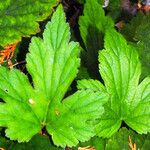
Anemone tomentosa
Hardy Grape Leaf Anemone · Japanese Anemone · Grapeleaf anemone · Hardy grapeleaf anemone
Description
Source: leafsnapProfuse silvery-pink flowers appear to float gracefully above deep green foliage that remains attractive throughout the season. This variety adds excellent late-season color to gardens and is lovely in bouquets. Known for its sturdiness, it is the most winter-hardy and vigorous of the fall-blooming anemones. Perennial.
🎭 Gifted, clever
Care Guide
💧 Water
☀️ Light Full sun
Japanese anemone prefers sites with full sun but can tolerate locations with moderate sunlight. It comes from regions that receive abundant sunshine. Both too much and too little sun can harm the plant, affecting its vigor and normal growth.
🌡️ Temperature 15–37.8°C
Japanese anemone generally grows best in temperature conditions similar to its native habitat, requiring temperatures from 59 to 100.4 °F (15 to 38 ℃). Seasonal adjustments can be made to replicate this preferred temperature range.
💨 Humidity
🪴 Soil 6-7
🌱 Fertilizer
Appropriate fertilization is vital for a Japanese anemone's health and appearance. Feed the Japanese anemone in summer, repeating the application monthly throughout the season. Nutrients power growth and maintain the plant's parts. Fertilizing improves the Japanese anemone's flower display, ensuring the best blooms.
🪴 Pot & Repot
✂️ Pruning
🌿 Propagating
🐛 Diseases & pets
☠️ Toxicity
Characteristics
- Plant Type
- Herb
- Life Cycle
- Perennial
- Genus
- Anemone
- Family
- Ranunculaceae
- Hardiness Zone
- 8-12
- Mature Height
- 0.4 m to 1.52 m
- Mature Spread
- 61 cm
- Leaf Color
- Dark Green, Forest Green
- Leaf Type
- Evergreen
- Flower Color
- White
- Flower Size
- 2.03 cm to 3.05 cm
- Bloom Time
- Mid summer, Late summer
- Planting Time
- Spring, Summer
- Harvest Time
- Late summer, Fall
- Native Area
- China