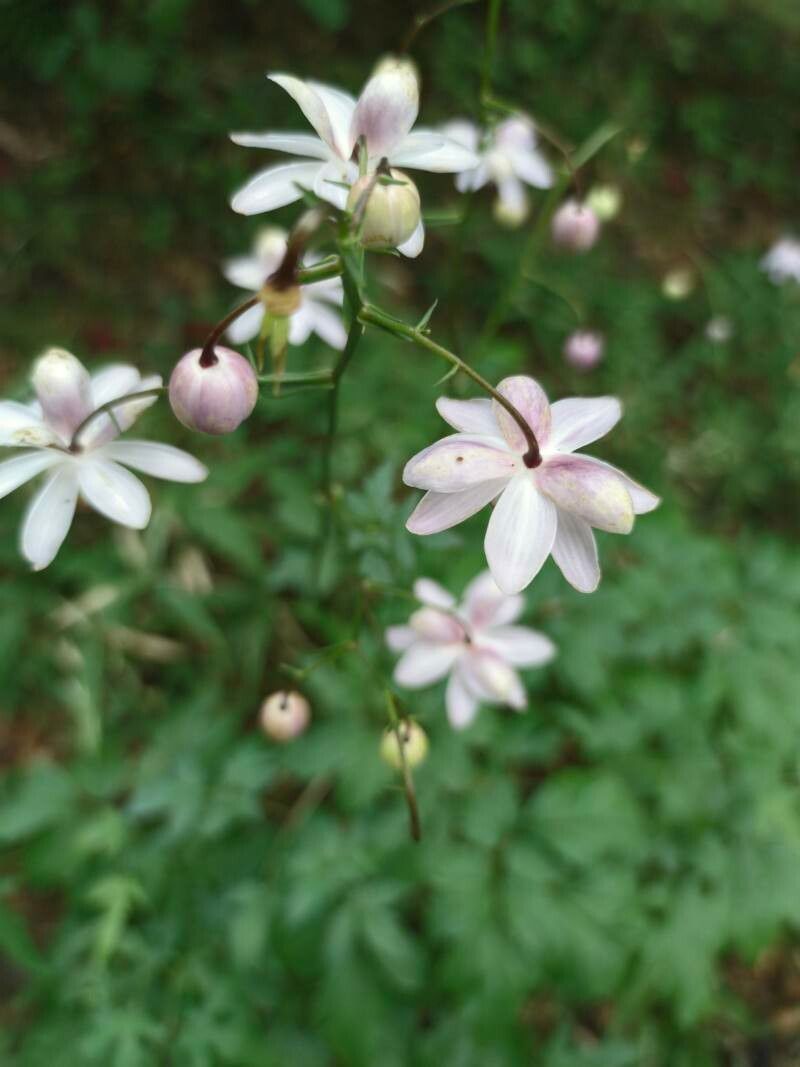
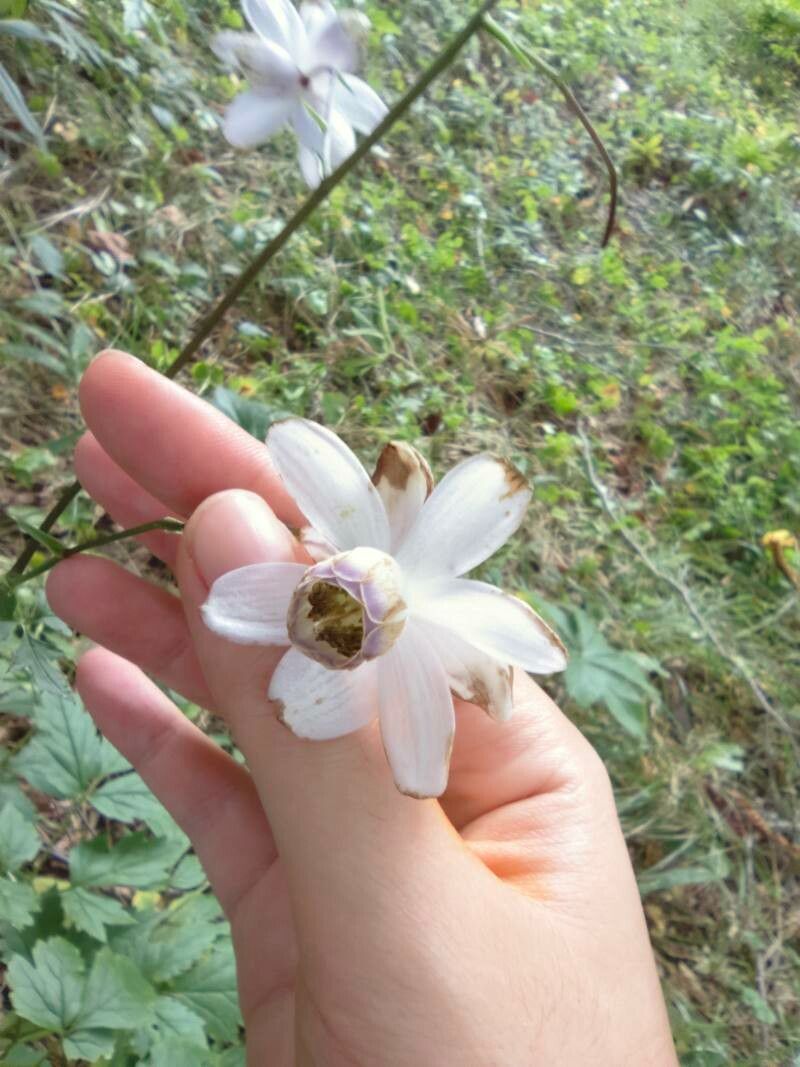
Anemonopsis, the false anemone, is a monotypic genus in the family Ranunculaceae, containing only the species Anemonopsis macrophylla, endemic to Japan's main island of Honshu. The generic name Anemonopsis refers to it being Anemone-like, and its specific epithet macrophylla means "large-leaved".
False anemone is fairly disease-resistant and generally not prone to illnesses. However, it can be vulnerable to pests and diseases present in its surroundings; these infections are usually mild. In terms of care, the plant requires moderate maintenance. It should be pruned regularly to maintain a neat appearance and healthy growth, and fertilizing can help encourage flowering. False anemone is appropriate for anyone with an outdoor area, such as a garden or patio, and does not demand much care experience. It may need more attention when grown indoors.
How to keep Anemonopsis Macrophylla.
Light
False anemone naturally occurs in places like forest understories or rocky sites, where it grows in natural shade. It prefers partial sun but can adapt to either full sun or full shade, demonstrating its adaptability and hardiness.
Water
False anemone thrives in moderate humidity and needs to be watered weekly to stay healthy. This deciduous plant adapts to seasonal changes in rainfall. It goes dormant during dry periods but flourishes in the rainy season.
Temperature
False anemone can adjust to a wide span of temperature conditions, though its range may still be restricted by various combinations of moisture and heat. It performs best in warm summer climates with sufficient rainfall or watering. Extended periods of cloudy, rainy weather or prolonged high temperatures can raise the chance of False anemone dying. In winter, suitable protection from cold can increase the plant's survival rate.
Fertilizer
The main time to fertilize False anemone is in early spring when the flowers are forming. The appropriate fertilizer promotes better blooms and helps False anemone produce attractive flowers. Fertilizing in early spring ensures excellent flowers during the season and supplies energy for dormant growth phases.
Pruning
False anemone showcases graceful, nodding flowers and lush foliage. To keep it healthy and vibrant, it's important to prune it from early to late spring. Remove any dead stems and thin out excess growth to improve air circulation, which encourages strong regrowth and vibrant blooms. Regular pruning not only boosts the plant's overall health but also enhances its visual appeal in the garden.
Botanical profile.
- Plant Type
- Herb
- Life Cycle
- Perennial
- Genus
- Anemonopsis
- Family
- Ranunculaceae
- Hardiness Zone
- 4-8
- Mature Height
- 61 cm
- Mature Spread
- 49 cm
- Leaf Color
- Green
- Leaf Type
- Deciduous
- Flower Color
- White
- Flower Size
- 3.05 cm to 4.06 cm
- Bloom Time
- Early summer, Mid summer
- Planting Time
- Spring, Summer
- Harvest Time
- Late summer, Early fall
- Native Area
- Japan
Other names.
Reader questions.
What are the sunlight requirements for False Anemone?
False Anemone thrives in partial sun, necessitating about 3-6 hours of sunlight daily. It's vital to observe the movements of sunlight through your garden to find the best balance of light and shade, ensuring the plant's well-being. Additionally, while False Anemone is adaptable and can grow in full shade, optimal growth occurs under partial sun conditions. This perennial herbaceous plant is native to environments such as forest understories or rocky areas, where it naturally experiences shade.
How can artificial lighting support indoor False Anemone?
For indoor False Anemones, artificial lighting is crucial, especially when natural sunlight is insufficient. LED lights are recommended as they can be tailored to provide specific wavelengths needed by plants. The amount of artificial light required varies by plant type: full sun plants need 30-50W/sq ft, partial sun plants 20-30W/sq ft, and full shade plants 10-20W/sq ft. The light should be placed 12-36 inches above the plant, mimicking the natural sunlight distance, with a duration of 8-12 hours per day to simulate natural daylight hours.
What are the symptoms of insufficient light for False Anemone?
False Anemone may exhibit several symptoms when exposed to insufficient light, including smaller new leaves, leggy or sparse growth, early leaf drop, halted or slowed growth, and leaves exhibiting pale shades or irregular color patterns. This indicates a struggle in photosynthesis and a need for better light conditions. Additionally, symptoms like chlorosis, sunscald, leaf curling, wilting, and leaf scorching can occur due to inadequate or excessive sunlight exposure, highlighting the importance of balancing light conditions for the plant.
What are solutions to counteract insufficient sunlight for False Anemone?
To address insufficient sunlight for False Anemone, consider gradually introducing the plant to sunnier spots, increasing exposure by an hour weekly until reaching 3-6 hours of direct sunlight. For large or immovable plants, artificial lighting, such as desk or ceiling lamps for a minimum of 8 hours daily, or professional grow lights, can provide necessary light. Outdoor plants should also be moved gradually to prevent sunburn. If obstructions like trees shade your plant, pruning branches may help. For smaller plants, consider transplanting during the dormant period to a sunnier location with good drainage, ensuring a healthier growth environment.