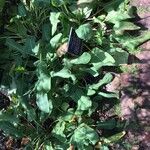
Anemopsis californica
Apache-beads · Lizard Tail · Yerba mansa
Description
Source: leafsnapAnemopsis californica, commonly known as yerba mansa, is a perennial herbaceous plant native to California and the southwestern United States. It belongs to the Saururaceae family and can grow up to 1 meter in height. The plant features large, glossy, heart-shaped leaves that emit a pleasant fragrance when crushed. Yerba mansa is renowned for its medicinal properties and has been used by Native American tribes for centuries as a natural remedy for various ailments. The plant contains essential oils that possess anti-inflammatory, antiseptic, and analgesic properties. The roots of yerba mansa are traditionally used to treat respiratory infections such as bronchitis and asthma. Additionally, it is applied topically on wounds or skin irritations due to its antiseptic properties. Beyond its medicinal applications, yerba mansa holds cultural significance among Native American tribes, who incorporate it in spiritual ceremonies. In summary, Anemopsis californica, or yerba mansa, is a valuable herbaceous plant with considerable cultural importance and ongoing medicinal uses.
Care Guide
💧 Water Every 7 days
Yerba Mansa is native to the wetlands of North America and thrives in consistently moist environments. For optimal health, it needs to be watered weekly. While it can tolerate short periods of dryness, it benefits greatly from rainwater during its growing season, which suits its preference for wet habitats.
How should I water my Yerba Mansa in the best way?
To properly care for your Yerba Mansa plant, it's best to use filtered water at room temperature. Tap water may have harmful particles, so filtering is important. The Yerba Mansa prefers warm environments, so using cold water can be a shock. Avoid overhead watering to prevent foliage issues. Instead, gradually soak the soil with filtered room temperature water until it is completely moist. This helps the roots spread and collect the necessary nutrients.
What should I do if I give my Yerba Mansa plant too much or too little water?
Overwatering your Yerba Mansa can cause its stems and leaves to wilt and turn yellow. It can also lead to diseases like root rot, mold, and mildew, which can be fatal to the plant. Underwatering is less common, but it can cause the leaves to become brittle and brown. If you notice signs of overwatering, such as wilting or yellowing leaves, you should reduce your watering schedule and check if the soil drains well. If your Yerba Mansa is not receiving enough water, simply water it more regularly until the signs of underwatering disappear.
How frequently do I need to water my Yerba Mansa?
If your Yerba Mansa plant is in a pot, the most reliable way to determine if it needs water is by sticking your finger into the soil. When the top two to three inches of soil feel dry, it's time to water it. In case you have the plant growing outdoors in the ground, you can use a similar method to check the soil. Once you find that the top few inches of soil have dried out, it's time to water it. For most of the year, you will likely need to water the plant once a week using this method. However, during very hot weather, it may be necessary to water it twice or more per week. On the bright side, mature and well-established Yerba Mansa plants can withstand drought quite well.
How much water does my Yerba Mansa plant require?
When watering your Yerba Mansa plant, don't hold back on the amount of water you give. Make sure the top two to three inches of soil are dry before watering. Give it a thorough soaking, enough to saturate the entire soil. You should add enough water for excess water to flow out of the drainage holes at the bottom of the pot. If you don't see any excess water draining, it means you haven't watered enough. However, be careful not to let water accumulate in the soil as this can harm the plant. On the other hand, if water doesn't drain through the pot, it could be a sign of poorly draining soil, which is not good for the plant's health. If the plant is outside, one inch of rainfall per week is sufficient.
How do I water my Yerba Mansa as it grows?
The water needs of the Yerba Mansa can vary depending on its growth stages. During the first few years of its life or when it has just been transplanted, it requires more water than usual. During these stages, the Yerba Mansa focuses on developing new roots to support future growth, which requires additional moisture. As the plant matures, its water needs decrease. The bloom period is another stage when the Yerba Mansa may require more water due to the development of flowers, which requires a considerable amount of moisture.
☀️ Light Full sun
Yerba mansa does best in bright sunlight that is strong but not excessively harsh. It tolerates periods of somewhat lower light and continues to grow. Coming from regions with plentiful sun, its health and development are largely dependent on adequate exposure. Too much shade or overly intense light can both impede its growth.
What are the sunlight requirements for Yerba Mansa?
Yerba Mansa requires full sun to thrive, which means it should receive above 6 hours of sunlight per day. However, it can also grow under partial sun, with about 3-6 hours of sunlight. It's crucial to observe how sunlight moves through your garden to find spots that offer the right balance of light and shade, ensuring the plants' well-being. Originating from regions that enjoy abundant sunlight, the health and growth of Yerba Mansa are significantly influenced by ample light exposure. Both excessive shade and very intense light can negatively affect its growth.
How do you use artificial lighting for indoor Yerba Mansa plants?
When natural sunlight is not enough, especially in winter or less sunny spaces, artificial lighting becomes essential for the growth of indoor Yerba Mansa plants. LED lights are recommended because they can be customized to supply specific light wavelengths needed by the plants. For full sun plants, 30-50W per square foot is necessary, while partial sun plants require 20-30W per square foot, and full shade plants need 10-20W per square foot. The artificial light source should be placed 12-36 inches above the plant to simulate natural sunlight conditions. Plants generally require 8-12 hours of light per day, mimicking the natural length of daylight hours for optimal growth.
What are the symptoms of inadequate lighting for Yerba Mansa?
Symptoms of light deficiency in Yerba Mansa may include smaller new leaves compared to older ones, a leggy or sparse growth pattern with longer spaces between leaves or stems, faster leaf drop, delayed growth or a total stop in new leaf production, and lighter-colored or yellow new leaves indicating a lack of chlorophyll and essential nutrients. Excessive sunlight can also cause chlorosis, sunscald, leaf curling, wilting, and leaf scorching, indicating negative impacts on the plant's ability to photosynthesize and maintain health.
What are the solutions for Yerba Mansa facing inadequate sunlight?
To counteract inadequate sunlight, gradually increase the plant's exposure to sunlight by moving it to a sunnier location each week until it receives at least 6 hours of direct sunlight daily. For indoor plants, use a south-facing window, keep curtains open during the day, or consider using artificial lighting like desk or ceiling lamps for at least 8 hours daily or professional grow lights for sufficient light. For outdoor plants, avoid sudden changes in light exposure to prevent sunburn. If sunlight is blocked by trees or other obstacles, prune them to allow more light through or transplant smaller plants to a sunnier location with ample sunlight and good drainage. Always remember, parts of the plant that were previously affected by insufficient sunlight may not recover, but new growth following increased light exposure will be healthy.
🌡️ Temperature 15–35°C
Yerba Mansa is indigenous to areas where temperatures lie between 59 and 95°F (15 to 35℃). It favors these warmer conditions and may need adjustments, such as supplemental heating in cold seasons or shading during overly warm periods.
What is the ideal temperature range for Yerba Mansa?
Yerba Mansa thrives in environments where the temperature ranges from 59 to 95°F (15 to 35°C). It prefers these warmer conditions for optimal growth but requires some adjustments depending on the season. In colder seasons, heating may be necessary to maintain the minimum temperature, and in excessively warm periods, shading might be needed to protect the plant from overheating.
What are the cold resistance capabilities of Yerba Mansa?
Yerba Mansa has strong cold resistance, which typically makes it unnecessary to take special frost protection measures during winter. However, if winter temperatures are expected to plummet below -15°C, it is crucial to provide cold protection. This can be done by covering the plant with materials such as soil or straw. Additionally, watering the plant abundantly before the first freeze in autumn helps keep the soil moist, preventing drought and water scarcity during the colder months.
How does Yerba Mansa react to low temperatures?
Yerba Mansa is cold-tolerant and performs best when temperatures are above 15°C, although it should be kept above -10°C during winter. If temperatures fall below -15°C, the plant might not show immediate changes, but there could be a decrease in sprouting or no sprouting at all come spring. If this happens, any parts of the plant that have failed to sprout should be removed in the spring.
How does Yerba Mansa react to high temperatures?
During summer, it's crucial to ensure Yerba Mansa is kept below 35°C. If temperatures exceed 41°C, the plant's leaves may lighten in color, become prone to curling, suffer from sunburn, and in severe cases, the entire plant may wilt and dry up. To mitigate damage, sunburned and dried-up parts should be trimmed away. The plant should be moved to a location with shade from the midday and afternoon sun, or a shade cloth can be used to provide shade. Additionally, watering the plant in the morning and evening will help keep the soil moist.
💨 Humidity
🪴 Soil 6-8
🌱 Fertilizer
Fertilize Yerba Mansa in early spring, as it emerges from dormancy and starts active growth. Feeding supplies essential nutrients for healthy development. Although Yerba Mansa has fairly low fertilizer requirements, an annual application can improve its survival and encourage better, longer-lasting flowers.
Why should I put plant food on my Yerba Mansa?
Fertilization is important for the Yerba Mansa for several reasons. Primarily, it provides essential nutrients for the plant's growth above and below ground. However, the overall fertilization needs of the Yerba Mansa are relatively low, and sometimes the plant can survive without it. Nevertheless, annual fertilization can greatly benefit the Yerba Mansa, ensuring its survival and potentially improving the quality of its flowers. Therefore, those who want their Yerba Mansa to thrive should consider annual fertilization.
When should I fertilize my Yerba Mansa plant?
The best time to fertilize a Yerba Mansa is in late winter to early spring when it is transitioning from dormancy to active growth. Fertilizing at this time promotes healthy growth and sets the plant up for a successful season. Although early spring is the most favorable, fertilizing in the fall is also acceptable. However, it is not recommended to fertilize during summer or winter.
When is it not a good idea to fertilize my Yerba Mansa?
It is best to fertilize your Yerba Mansa plant only during late winter and early spring. This plant does not require frequent fertilization, as one annual feeding is sufficient. Overfertilizing during spring, summer, and fall can cause problems. However, if you forgot to fertilize in spring, it is acceptable to fertilize in the fall. In addition, there is no need to fertilize during winter when the plant is in a dormant phase and not growing new shoots. Thus, it is not recommended to fertilize during most of the winter.
What kind of plant food does my Yerba Mansa need?
When choosing a fertilizer for Yerba Mansa, any general-purpose fertilizer with a balanced amount of the three main plant nutrients will do. However, there are specific blends that can be even more beneficial. Many gardeners believe that higher levels of phosphorus lead to stronger roots and better flowers, making it a good choice for a flowering plant like Yerba Mansa. Whether you choose a granular or liquid fertilizer, ensure it contains ample nutrients. In addition to manufactured fertilizers, you can also improve the soil for Yerba Mansa with organic materials like compost and manure. These can greatly contribute to a healthy growing environment.
How do I make my Yerba Mansa plant grow better?
The most common way to fertilize a Yerba Mansa is by applying granular or pellet fertilizer to the soil around the plant. It is important to do this when the plant is transitioning from its dormant phase to active growth, which typically occurs in early spring when shoots start emerging from the soil. If you prefer, you can use a liquid fertilizer instead, but make sure to dilute it with water before applying. Regardless of which type of fertilizer you choose, it's always a good idea to moisten the soil before, during, and after fertilizing.
🪴 Pot & Repot Every 12 months
✂️ Pruning
Yerba Mansa is a perennial herb that thrives when properly pruned, ideally from early to late spring. This process involves removing damaged leaves and flower stalks to encourage healthy growth. Pruning enhances air circulation, reduces the risk of disease, and improves the plant's appearance, ensuring the vitality of Yerba Mansa.
🌿 Propagating
🐛 Diseases & pets
☠️ Toxicity
Characteristics
- Plant Type
- Herb
- Life Cycle
- Perennial
- Genus
- Anemopsis
- Family
- Saururaceae
- Hardiness Zone
- 7-10
- Mature Height
- 8 cm to 76 cm
- Mature Spread
- 61 cm to 91 cm
- Leaf Color
- Green, Gray, Red, Blue, Silver, Bronze
- Leaf Type
- Deciduous
- Flower Color
- White
- Flower Size
- 2.54 cm to 5.08 cm
- Bloom Time
- Late spring, Early summer, Mid summer
- Planting Time
- Spring, Summer, Autumn
- Harvest Time
- Late summer, Early fall, Mid fall
- Native Area
- Mexico