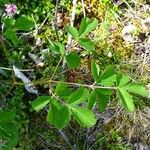
Angelica sylvestris
Wild Angelica · Garden Angelica · Woodland angelica · Trumpet Keck · Wood Angelica
Description
Source: leafsnapAngelica sylvestris, commonly known as wild angelica or garden angelica, is a perennial herbaceous plant in the Apiaceae family. Native to Europe and Asia, it can grow up to 2 meters tall. The plant features a sturdy stem with large, dark green leaves divided into three leaflets. Its small flowers, which are either white or greenish-yellow, are arranged in large umbels that can measure up to 20 cm in diameter. This plant has been used for medicinal purposes for centuries, particularly for its anti-inflammatory properties. Additionally, it serves as a flavoring agent in food and beverages like gin and vermouth. Angelica sylvestris thrives in moist soil with partial shade but can also tolerate full sunlight. It blooms from June to August, attracting pollinators such as bees, butterflies, and hoverflies. Beyond its medicinal benefits, Angelica sylvestris holds cultural significance across Europe. Some cultures historically believed that the plant had protective powers against evil spirits. Overall, Angelica sylvestris is an attractive herbaceous perennial with both medicinal benefits and cultural significance, making it a valuable addition to any garden or landscape design project.
🌳 Besides its familiar uses, wild angelica also acts as an ecological indicator because it is associated with rich soils and high biodiversity. Its occurrence often points to a well-balanced nature reserve or a thriving ecosystem. Additionally, the plant’s dense umbels attract a range of insect species, making it a vital part of local food webs and supporting pollinator populations that are essential for ecosystem health and stability.
Care Guide
💧 Water Every 3 days
Wild angelica thrives in damp meadows and prefers consistently moist soil, though it can withstand short dry spells. For lush growth, it benefits from weekly watering. When grown outdoors, it can take advantage of natural rainfall to meet its water needs during the growing season.
How should I water my Wild angelica plant?
To properly water the Wild angelica plant, use filtered water at room temperature or slightly warmer. Tap water may have harmful particles that can affect the plant's health. Since the Wild angelica is accustomed to warm environments, cold water should be avoided to prevent shocking its system. Additionally, overhead watering should be avoided as it can cause issues with the foliage. Instead, water the plant by slowly pouring filtered room temperature water onto the soil until it is completely soaked. This helps moisten the roots, enabling them to spread through the soil and absorb essential nutrients.
What should I do if I give my Wild angelica plant too much or too little water?
Both overwatering and underwatering can harm the health of your Wild angelica, but overwatering is more likely to be a problem. Overwatering can cause the stems and leaves to wilt and turn yellow. It can also lead to diseases like root rot, mold, and mildew, which can be fatal for your plant. While underwatering is less common, it can still happen. When underwatering occurs, the leaves of your Wild angelica may become brittle and brown. It's important to recognize the signs of overwatering early on. Some diseases caused by overwatering, like root rot, may not be reversible if you wait too long. If you notice these signs, reduce your watering schedule and check the soil drainage. If the soil drains poorly, replace it with a loose, well-draining potting mix. If your Wild angelica needs more water, increase your watering frequency until the signs of underwatering disappear.
How frequently should I give water to my Wild angelica plant?
If your Wild angelica plant is in a pot, the best way to know if it needs water is by checking the soil. Stick your finger into the soil and if the top two to three inches are dry, it's time to water it. This method applies to growing Wild angelica outdoors too. Once the top few inches of the soil have dried out, it's time to give it some water. In spring and early fall, you'll usually need to water it about once a week. But during very hot weather, you may need to water it twice a week or even more. However, fully mature and well-established Wild angelica plants can actually withstand drought quite well.
How much water does my Wild angelica plant need?
To properly water your Wild angelica, make sure the top two to three inches of soil are dry before watering. Give the plant a deep and thorough watering, ensuring that the soil is completely saturated. Add enough water so that excess water flows out of the drainage holes at the bottom of the pot. If you don't see any excess water draining, you may not have watered enough. However, be cautious not to let water accumulate in the soil, as this can harm the plant. If the water doesn't drain properly, it may indicate that the soil is poorly draining, which is not good for the plant's health. If the plant is outdoors, it will only need about 1 inch of rain per week to stay hydrated.
How should I water my Wild angelica at different stages of growth?
The water needs of the Wild angelica can vary depending on its growth stages. In the first few years or after transplanting, it requires extra water because it focuses on growing new roots to support future growth. These roots perform better with slightly more moisture. After a few seasons, the plant requires less water. Additionally, during the bloom period, the Wild angelica may need more water as flower development utilizes a significant amount of moisture.
☀️ Light Full sun
Wild angelica performs best in places that get abundant sunlight throughout the day. Even though it can withstand environments with diffused or somewhat reduced light, enough sun encourages healthier growth. Its native habitats, which have plentiful sunlight, reflect its light requirement. Both excessive and insufficient light can interfere with its vigorous development.
What are the sunlight requirements for Wild Angelica?
Wild Angelica requires full sun, which means it needs more than 6 hours of sunlight daily, but it can also grow in partial sun, receiving about 3-6 hours of sunlight. It's important to watch how sunlight moves through your garden to find spots that offer a balance of light and shade, ensuring the plants' health and happiness. Wild Angelica thrives best in areas with ample sunlight throughout the day, as adequate sunlight stimulates healthier growth. While it can tolerate some shade, its origins in sunny environments mean it does best with plenty of light.
How can artificial lighting be used for indoor plants?
Indoor plants, including Wild Angelica, require adequate lighting for optimal growth. When natural sunlight is insufficient, artificial lights serve as an essential solution, especially in winter or less sunny spaces. LED lights, being customizable to provide specific wavelengths, are popular for indoor plant lighting. Full sun plants need 30-50W/sq ft of artificial light, partial sun plants require 20-30W/sq ft, and full shade plants should have 10-20W/sq ft. The light source should be placed 12-36 inches above the plant to mimic natural sunlight, and most plants need 8-12 hours of light per day.
What are the symptoms of insufficient or excessive sunlight in Wild Angelica?
Symptoms of insufficient sunlight in Wild Angelica include smaller new leaves, leggy or sparse growth, faster leaf drop, slower or no new growth, and lighter-colored or pallid new leaves. Too much sunlight can cause chlorosis (leaves turning yellow), sunscald (pale or necrotic spots on leaves), leaf curling, wilting, and leaf scorching (brown, dry edges on leaves). These symptoms indicate either a lack or excess of sunlight, affecting the plant's ability to photosynthesize effectively and maintain overall health.
What solutions are available for managing sunlight exposure for Wild Angelica?
For indoor Wild Angelica, gradually increasing sunlight exposure or using artificial light can address insufficient sunlight. Moving the plant to a sunnier spot each week until it gets at least 6 hours of direct sunlight or using grow lights for at least 8 hours daily are effective strategies. Outdoors, adjust the plant's location gradually to prevent sunburn. Removing obstructions and transplanting to sunny locations with good drainage can optimize growth for those in the ground. However, parts of the plant already damaged by improper light may not recover, but new growth will be healthy after adjusting light exposure.
🌡️ Temperature 5–32.2°C
Wild angelica is indigenous to regions with temperate climates. In its natural habitat it typically encounters temperatures of 68 to 95°F (20 to 35℃). When cultivated, it prefers similar temperature conditions. Depending on the season, temperature adjustments may be necessary to replicate the climate's variability.
What is wild angelica and where is it native to?
Wild angelica, with its botanical name Angelica sylvestris, is a plant native to regions with temperate climates. In its natural habitat, it experiences a range of temperatures from 68 to 95°F (20 to 35°C), thriving in environments that can replicate these conditions when cultivated. The plant has adapted well to its native temperature range, and efforts to grow it should aim to mimic these conditions for optimal growth.
Does wild angelica require special care during winter?
Wild angelica is known for its strong cold resistance, which generally eliminates the need for special frost protection measures in winter. However, if temperatures are anticipated to drop below -30°C, it becomes important to provide cold protection to ensure the plant's survival and health. This can be achieved by covering the plant with insulating materials such as soil or straw. Another tip for winter care includes watering the plant abundantly before the first freeze in autumn, helping the soil to remain moist and enter the frozen state prepared, thereby preventing drought and water scarcity during the colder months and into early spring.
How does wild angelica react to low temperatures?
Wild angelica has a remarkable tolerance to cold, thriving best when the temperature stays above 20°C. Throughout winter, maintaining temperatures above 0°C is crucial for its well-being. Exposure to temperatures falling below -30°C might not show immediate changes during the colder months but can lead to decreased sprouting or a complete lack of sprouting in spring. In the event of such damage, removing parts that have failed to sprout as spring arrives is recommended to encourage new growth and maintain plant health.
What should I do if wild angelica is exposed to high temperatures?
In the warmer months, it is essential to ensure that wild angelica is not exposed to temperatures exceeding 35°C. Should the temperature rise above 38°C, the plant may exhibit signs of stress such as lighter colored leaves, leaves that are prone to curling, susceptibility to sunburn, and, in severe cases, wilting and drying out of the entire plant. To mitigate these effects, trim away sunburned and dry parts, move the plant to a location with shade, especially from the midday and afternoon sun, or use a shade cloth. Additionally, watering the plant in the morning and evening can help maintain soil moisture and protect the plant from temperature stress.
💨 Humidity
🪴 Soil 6-7
🌱 Fertilizer
Wild angelica requires regular fertilizing to encourage flowering but does not tolerate excessive amounts. It needs small, frequent applications of fertilizer throughout its entire life cycle, particularly during peak growth and while it is flowering. Continue feeding your Wild angelica until it stops blooming.
Why should I add fertilizer to my Wild angelica plant?
Wild angelica plants are known for their colorful, leafy foliage, which requires nitrogen and potassium to grow rapidly. These nutrients are also necessary for root development, enabling the plants to anchor firmly in the soil. In addition, nitrogen helps promote taller and fuller growth in the plants.
When should I fertilize my Wild angelica?
Wild angelica is a type of plant that requires a lot of nutrients because it grows quickly, has large leaves, and contains a lot of water. In order to maintain healthy growth, it is important to provide fertilizer throughout the growing season, from when the plant starts growing until it starts to deteriorate. If you don't provide enough fertilizer, you will start to see signs of nutrient deficiency and the plant's growth will be affected. Previously, it was believed that once Wild angelica started changing colors in the autumn, their nutrient requirements decreased significantly and you could reduce or stop using fertilizer. However, research has shown that even after the plant matures, a small amount of nitrogen fertilizer is still beneficial. This fertilizer does not significantly affect the plant's coloration and helps to prevent the bottom leaves from turning yellow and falling off.
When is not a good time to fertilize my Wild angelica plant?
Fertilizer can sometimes harm Wild angelica instead of helping it, especially if the plant is already stressed for other reasons. If the plant is struggling with diseases or insect problems, it's best to avoid fertilizing. This is because adding fertilizer can weaken the plant's defenses and make it more susceptible to other pest problems or disease infections. Additionally, when the soil surface has become hardened or too dry, it's important to avoid fertilizing as this can result in fertilizer burn on the roots. In such cases, it's recommended to water the potting soil slightly before applying fertilizer.
What kind of fertilizer does my Wild angelica plant need?
Wild angelica requires fertilizers that contain high levels of nitrogen, potassium, and phosphorus, along with other essential nutrients like iron, manganese, and zinc. These elements are crucial for promoting growth in the plant. A balanced fertilizer, such as one with a 10-10-10 NPK number, is recommended for Wild angelica. Alternatively, natural fertilizers like blood meal or worm castings can work well too. If you specifically desire lush foliage, you can opt for a fertilizer with a higher nitrogen content, like fish fertilizer. However, if your goal is not to encourage flowering or seed production, there is no need to focus too much on providing additional supplements for those aspects of the plant's growth.
How can I make my Wild angelica grow better?
If you're growing container plants and the potting soil contains slow-release fertilizer, you won't need to fertilize the seeds during planting. The initial fertilizer and nutrients in the seed's endosperm will be sufficient for the first couple of weeks. However, if the potting soil doesn't have fertilizer, you should mix a small amount of slow-release starter fertilizer into the potting mix before filling the containers. When the plants are about four weeks old, you should start fertilizing them every two weeks, using one-third to one-half of the recommended rate stated on the product label. Maintain this fertilizing schedule until the Wild angelica plants are fully mature. Once they have reached full maturity, you can reduce fertilization to once every three to four weeks, using the same diluted strength. Alternatively, you can fertilize at a rate of one-quarter the recommended rate every two weeks.
🪴 Pot & Repot
✂️ Pruning
Wild angelica is a tall, herbaceous perennial characterized by its hollow stems and umbrella-like clusters of flowers. Prune it from early to late spring to remove dead stems, promote growth, and enhance air circulation. Be sure to use clean tools and avoid over-pruning to maintain optimal growth and vigor throughout the season.
🌿 Propagating
🐛 Diseases & pets
☠️ Toxicity
Despite its widespread folk use, Angelica sylvestris can present some serious health hazards. The root is poisonous when fresh and must be dried thoroughly before use.
Characteristics
- Plant Type
- Herb
- Life Cycle
- Biennial, Perennial
- Genus
- Angelica
- Family
- Apiaceae
- Hardiness Zone
- 4-8
- Mature Height
- 2.44 m
- Mature Spread
- 49 cm to 91 cm
- Leaf Color
- Green, Purple
- Leaf Type
- Deciduous
- Flower Color
- White
- Flower Size
- 7.62 cm to 15.24 cm
- Bloom Time
- Early summer, Mid summer
- Planting Time
- Spring, Autumn
- Harvest Time
- Mid summer
- Native Area
- Europe, Greenland, West Siberia