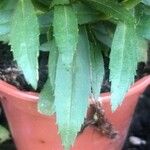
Angelonia angustifolia
Narrowleaf angelon · Angelonia · Angel flower · Monkey face · Summer snapdragon
Description
Source: leafsnapAngelonia Patented Plant, also known as Angelonia angustifolia, is a popular ornamental plant that belongs to the Plantaginaceae family. This perennial herb is native to Mexico and Central America. The plant features an upright growth habit and can grow up to 2 feet tall. Its narrow, lance-shaped leaves are dark green. The Angelonia Patented Plant produces beautiful flowers in shades of pink, purple, blue, and white. These flowers are arranged in spikes at the tops of the stems and bloom from late spring until fall. They exude a sweet fragrance that attracts bees and butterflies. This specific variety of Angelonia has been developed through selective breeding to improve its growth habit, disease resistance, and blooming period compared to other available varieties. Angelonia Patented Plants prefer full sun exposure but can also tolerate partial shade. They thrive in well-drained soil with moderate moisture levels. Due to its attractive appearance and long-lasting blooms, this ornamental plant is commonly used as an accent or border planting in gardens or landscapes. It is an excellent choice for gardeners seeking low-maintenance plants with beautiful blooms throughout the summer months until frost arrives.
💡 Angelonia, a perennial herbaceous plant from the Scrophulariaceae family, originates in South America and is commonly known as the angel flower or blue angel. It is a relatively new variety of summer flower, known for its rich and vibrant colors, which include white, red, pink, purple, and blue.
🌳 In horticulture, angelonia is valued not only for its bright, snapdragon-like blooms but also because it fulfills an important ecological role as a nectar source for pollinators like butterflies and bees. This combination of improving garden appearance and promoting biodiversity makes angelonia a noteworthy and useful plant well beyond mere ornamentation.
🎭 Purity and joy
Care Guide
💧 Water Every 7 days
Angelonia flourishes in tropical climates, where it prefers consistent moisture without becoming waterlogged. To mimic its natural environment and promote healthy growth, water it weekly. As an evergreen plant grown outdoors, Angelonia requires regular hydration to maintain its foliage and support its ongoing growth cycle.
How should I water my Angelonia plant?
To properly water the Angelonia plant, it is recommended to use filtered water at room temperature. Tap water may contain harmful particles, so filtered water is preferable. Since the plant is accustomed to warm conditions, it is best to avoid using cold water as it can shock the plant. Additionally, overhead watering should be avoided as it may cause issues with the foliage. Instead, pour filtered room temperature water onto the soil until it is completely soaked. This helps keep the roots moist and allows them to spread and absorb nutrients from the soil.
What do I do if I give my Angelonia too much or too little water?
Both overwatering and underwatering can harm your Angelonia, but overwatering is more common. When this plant gets too much water, its stems and leaves may wilt and turn yellow. Overwatering for a long time can also result in diseases like root rot, mold, and mildew, which can be fatal. On the other hand, underwatering is less likely because Angelonias tolerate drought well. However, if it does happen, the plant's leaves will become brittle and brown. It's crucial to notice the signs of overwatering early when caring for your Angelonia. Some diseases caused by overwatering, such as root rot, may be irreversible if not addressed promptly. If you notice early signs, reduce watering immediately, and check the soil's quality. If the soil drains poorly, replace it with a loose, well-draining potting mix. Conversely, if your Angelonia shows signs of receiving too little water, increase your watering frequency until the signs disappear.
How regularly should I water my Angelonia?
If your Angelonia plant is in a pot, you can check if it needs water by sticking your finger into the soil. If the top two to three inches of soil are dry, then it's time to water it. If you have your Angelonia plant outdoors in the ground, you can use the same method to test the soil. When the first few inches of soil have dried out, it's time to water it. Typically, during spring and early fall, you'll need to water about once a week using this method. However, in extremely hot weather, you may need to increase watering to twice or more per week. Keep in mind that mature, well-established Angelonia plants are quite resilient in drought conditions.
How much water does my Angelonia plant require?
To properly water your Angelonia, it is important to give it a sufficient amount of water. Make sure the first two to three inches of soil are dry before watering. Give the plant a thorough watering, ensuring the soil is completely soaked. The water should be enough to cause excess water to flow out of the drainage holes at the bottom of the pot. If you don't see excess water draining, it's likely that you haven't provided enough water. However, be careful not to let the water accumulate in the soil, as this can harm the plant. Poor drainage could be a sign of poorly draining soil, which is not good for the plant's health. If the plant is outside, about 1 inch of rain per week should be enough.
How should I water my Angelonia as it grows?
The water needs of Angelonia can vary depending on its growth stages. When it is in the early years or newly transplanted, it requires more water to support root development. The roots need extra moisture during these stages to support future growth. As the plant matures, it will require less water. Additionally, during the bloom period, Angelonia may need more water as flower development uses up a significant amount of moisture.
☀️ Light Full sun
Angelonia thrives in the brightest sunlight and will not tolerate any shade. Native to environments with abundant sun, it has adapted to use those conditions for healthy development. Both insufficient light and excessive exposure can result in stunted growth or scorched leaves.
What are the sunlight requirements for Angelonia?
Angelonia requires full sun, which means it needs above 6 hours of sunlight daily. It's crucial to monitor how sunlight moves through your garden to ensure locations provide a balance of light and shade. This balance is essential for the health and happiness of your plants. Angelonia thrives under intense sun and doesn't tolerate shading well, as it originates from habitats with substantial sunlight.
How do artificial lights support plant growth indoors?
Indoor plants, including Angelonia, may require artificial lighting for optimal growth, especially in areas with insufficient natural sunlight or during less sunny seasons like winter. LED lights are recommended for indoor plant lighting as they can provide specific wavelengths needed by the plants. For full sun plants, 30-50W/sq ft of artificial light is needed, 20-30W/sq ft for partial sun plants, and 10-20W/sq ft for full shade plants. The light source should be placed 12-36 inches above the plant to mimic natural sunlight, and most plants need 8-12 hours of light per day.
What are common symptoms of light deficiency in Angelonia?
When Angelonia does not receive adequate light, it may show various symptoms indicating light deficiency. These include smaller new leaves, leggy or sparse growth, faster leaf drop, slowed or halted growth, and lighter-colored or chlorotic new leaves. Excessive sunlight can cause sunscald, leaf curling, wilting, leaf scorching, and chlorosis, leading to reduced plant health and photosynthesis.
How can I address light deficiency issues for my Angelonia indoors and outdoors?
To combat light deficiency in Angelonia, progressively move the plant to sunnier spots, aiming for at least 6 hours of direct sunlight daily. If indoors, use south-facing windows or artificial plant grow lights for sufficient light exposure. For outdoor plants, gradually increase their sunlight exposure to prevent sunburn. Reducing obstructions and considering transplanting during the dormant period can also enhance sunlight access. Note that while parts of the plant affected by insufficient light may not recover, new growth should be healthy after adjusting the light exposure.
🌡️ Temperature 20–37.8°C
Angelonia is native to regions where temperatures range from 68 to 100°F (20 to 38°C). It prefers high heat but can adjust. In colder climates, it is advisable to maintain warmer conditions.
What is the native temperature range for Angelonia?
Angelonia is native to environments where temperatures vary between 68 to 100°F (20 to 38°C). It is a plant that thrives in high heat but has the capability to adapt to its surroundings accordingly. To ensure the plant's health and growth, maintaining a warm environment, especially in colder climates, is advisable.
How should Angelonia be cared for in autumn and winter?
During the colder months, specifically in autumn, it is recommended to bring outdoor-grown Angelonia indoors to protect it from the cold. The plant should be placed near a bright window to provide ample light, but a careful distance should be maintained from heaters to avoid damage. For the winter season, keeping temperatures above 20°C is beneficial for the plant, as temperatures near or below freezing point (0°C) can be detrimental to its health.
What are the signs of low temperature damage in Angelonia, and how can it be addressed?
Angelonia is sensitive to low temperatures and demonstrates this through various signs. The plant's optimal growth occurs when temperatures are above 20°C. Exposure to temperatures below 0°C can lead to leaf discoloration, initially turning lighter and then progressing to brown or black after frost damage. Symptoms such as wilting and drooping may also be observed. To address frost damage, the frost-damaged parts should be trimmed off, and the plant should immediately be moved indoors to a warm environment. Placing the plant near a south-facing window while ensuring it's not too close to heaters or air conditioning vents can help avoid further stress from dry air.
How does high temperature affect Angelonia, and what are the corrective measures?
Angelonia should ideally be kept under 38°C during summer to prevent heat stress. Exceeding temperatures of 43°C can lead to lighter leaf colors and increase susceptibility to sunburn. To mitigate the effects of high temperatures, sunburned and dried parts of the plant should be trimmed away. Moving the plant to a shaded area especially from the midday and afternoon sun, and ensuring it is watered adequately in the morning and evening, will help keep the soil moist and aid the plant's recovery.
💨 Humidity normal (40-60%)
This plant will thrive in moderate humidity, which is probably the level in your home. However, misting it a few times a week can be very beneficial. Make sure the room has good ventilation.
🪴 Soil 6-7
🌱 Fertilizer
Correct fertilization is vital for Angelonia's health and appearance. Fertilize Angelonia during the summer, applying fertilizer monthly throughout the season. Nutrients fuel growth and support the plant's parts. Fertilization improves Angelonia's flower display, ensuring the best blooms.
Why do I have to feed my Angelonia plant?
Fertilizer and soil nutrients are like fuel for your Angelonia, helping it grow healthily. Plants use nutrients in the soil to develop new materials and maintain their existing parts. For Angelonias, fertilization is crucial for producing impressive flowers, which are the main attraction of these plants. To ensure the flowers are at their best, most gardeners use fertilizers as it is one of the most effective methods to help Angelonias bloom beautifully.
When should I fertilize my Angelonia plant for best results?
The Angelonia experiences two main phases during the year. The first phase, called the dormant phase, occurs in the winter when the plant exhibits minimal new growth. The second phase, known as the active growth phase, takes place in spring and fall, during which your Angelonia will require more fertilization. It is recommended to start fertilizing your Angelonia in the spring, repeating the process monthly throughout most of the spring and summer. As fall approaches, you can gradually decrease the frequency of fertilization.
When is the best time to not fertilize my Angelonia?
If you want to help your Angelonia plant grow, be careful not to cause root burn. During spring and summer, when the plant is actively growing, it needs extra nutrients. However, in fall and winter when the plant goes dormant, it's best to stop fertilizing.
What kind of fertilizer should I use for my Angelonia plant?
To ensure healthy growth, an Angelonia plant benefits from a well-balanced fertilizer containing all three main nutrients, with slightly more phosphorus. Alternatively, some gardeners prefer enriching the plant's soil with organic materials like compost, worm castings, or manure. Fertilizers come in various forms, and liquid or powdered options tend to be the most effective for Angelonias. Regardless of the form, it's important to dilute the fertilizer and apply it while watering the plant.
How can I apply fertilizer to my Angelonia plant?
First, find a suitable fertilizer and learn the ideal fertilization schedule for your Angelonia. Once you have that information, you can move on to learning how to apply the fertilizer. To feed your Angelonia effectively, mix your liquid fertilizer with water before applying it to the soil. Each fertilizer may have different instructions for feeding plants, so it's best to follow the manufacturer's guidance on how to use their specific fertilizer. These instructions should also provide information on how to dilute the fertilizer properly to avoid overfertilization. Mixing the fertilizer with water is a simple process, and once you're done, just pour the resulting mixture into the soil where your Angelonia is planted.
🪴 Pot & Repot 2-3 years
To ensure robust growth, repot your angelonia every 2 to 3 years in the spring. Use a larger container filled with fresh, well-draining soil. After repotting, provide the plant with plenty of sunlight and maintain consistent moisture levels to support optimal recovery and blooming.
✂️ Pruning
Angelonia features upright stems adorned with vibrant flowers, making it an ideal choice for borders and containers. To ensure healthy growth and abundant blooms, it's important to deadhead spent flowers and trim the stems back by one-third in early spring. Regular pruning also helps improve air circulation, prevent disease, and maintain a compact shape.
🌿 Propagating
🐛 Diseases & pets
☠️ Toxicity
Angelonia has no known toxicity to pets or people, but is not meant to be eaten. Plant toxicity is dose-dependent, and consuming large amounts may cause side effects.
Characteristics
- Plant Type
- Herb
- Life Cycle
- Perennial, Annual
- Genus
- Angelonia
- Family
- Plantaginaceae
- Hardiness Zone
- 9-11
- Mature Height
- 30 cm to 49 cm
- Mature Spread
- 10 cm to 30 cm
- Leaf Color
- Green
- Leaf Type
- Semi-evergreen
- Flower Color
- Purple, White, Pink
- Flower Size
- 2.03 cm
- Bloom Time
- Late spring, Summer
- Planting Time
- Spring
- Harvest Time
- Summer, Early fall
- Native Area
- Colombia, Cuba, Honduras, Mexico, Guatemala, Peru, El Salvador, Nicaragua, Costa Rica, Panama, Jamaica