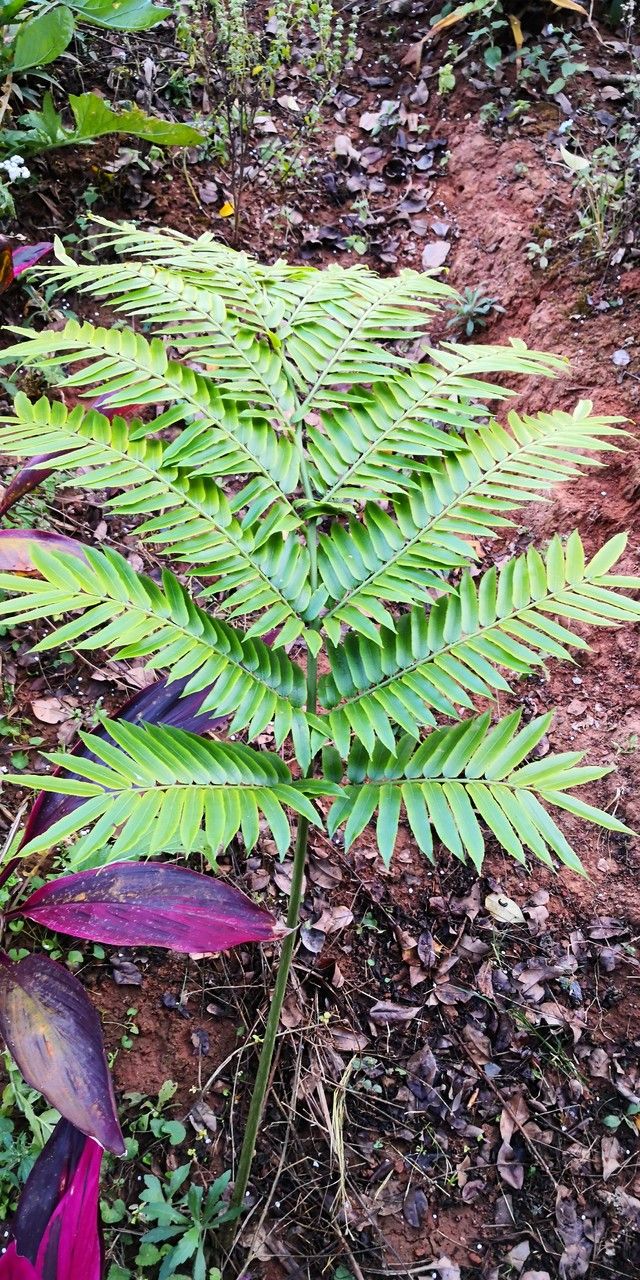
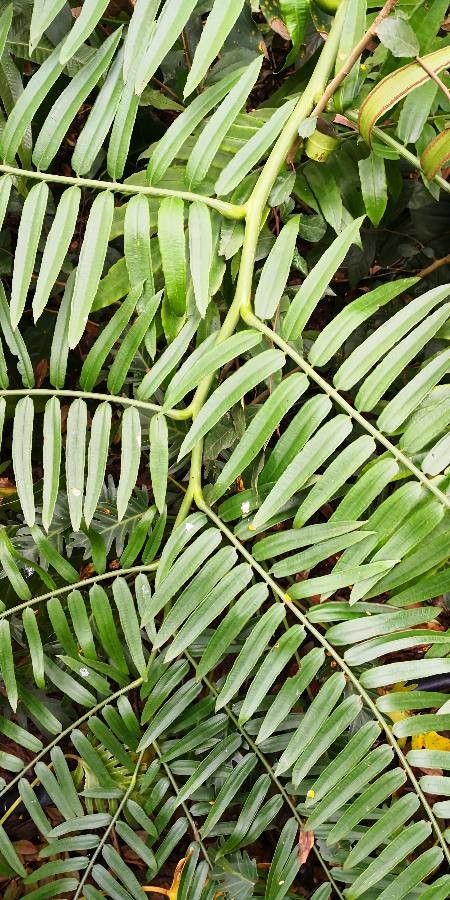
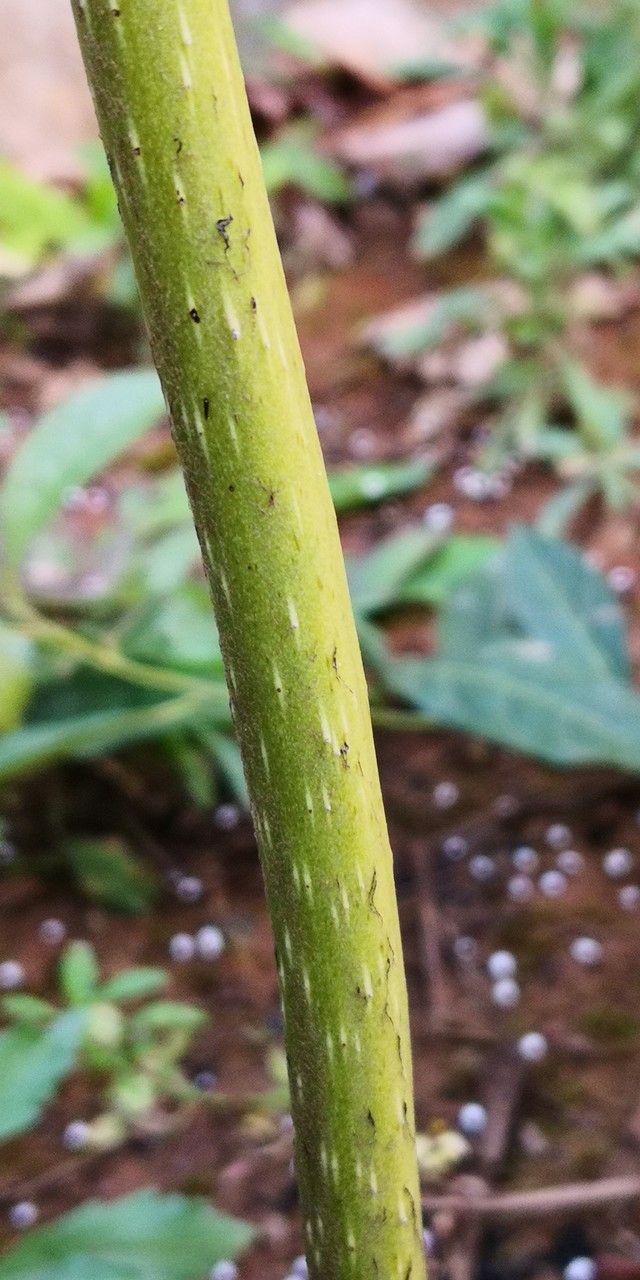
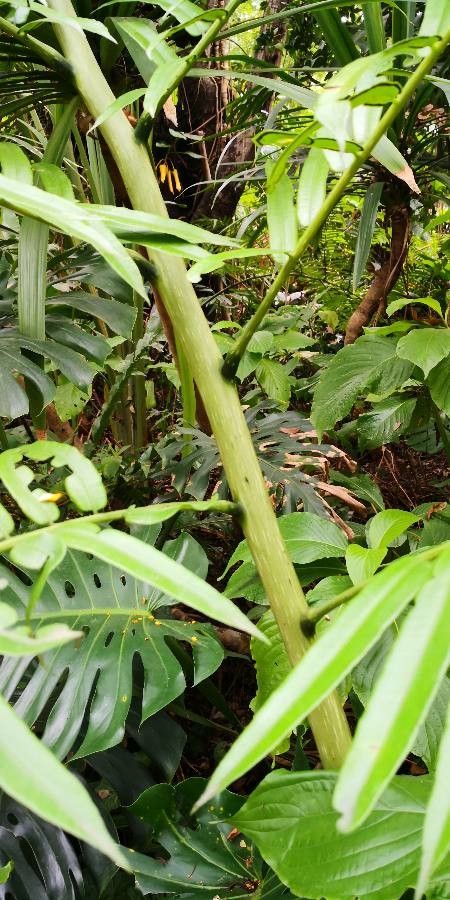
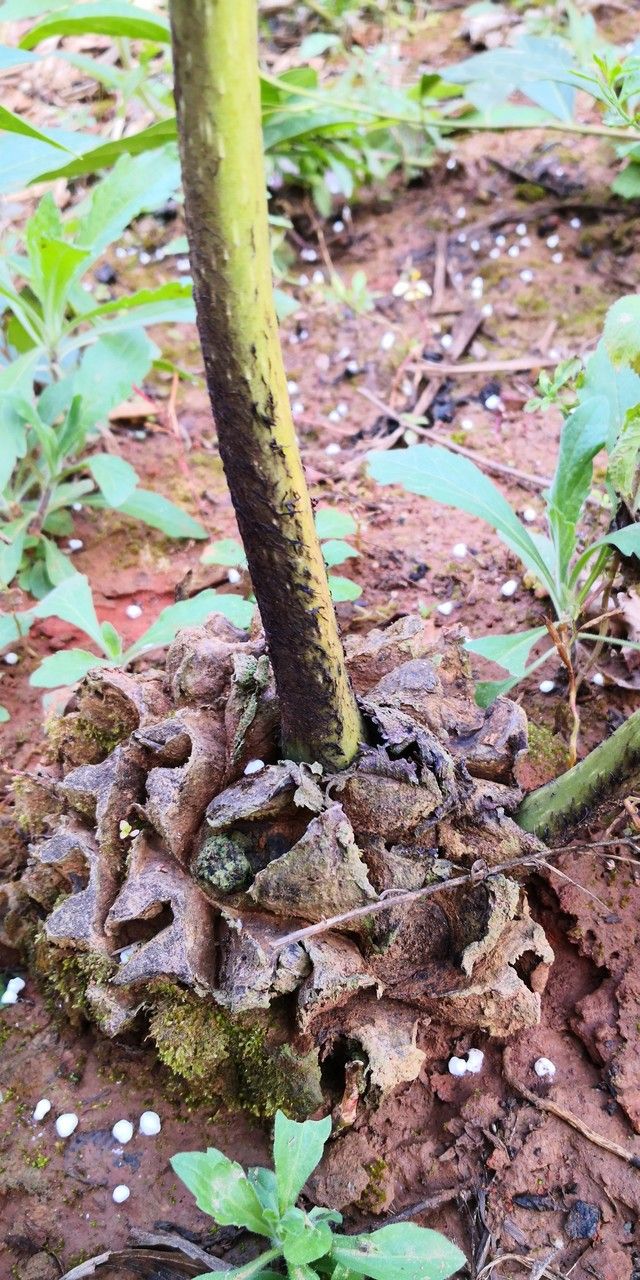
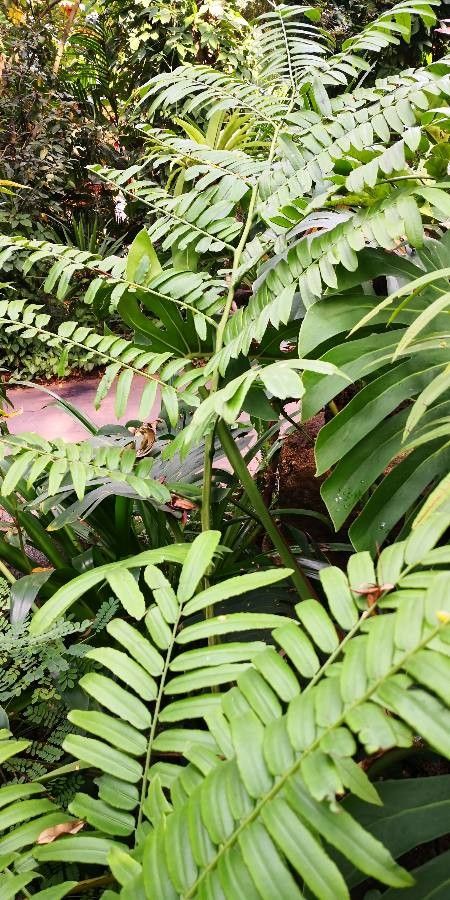
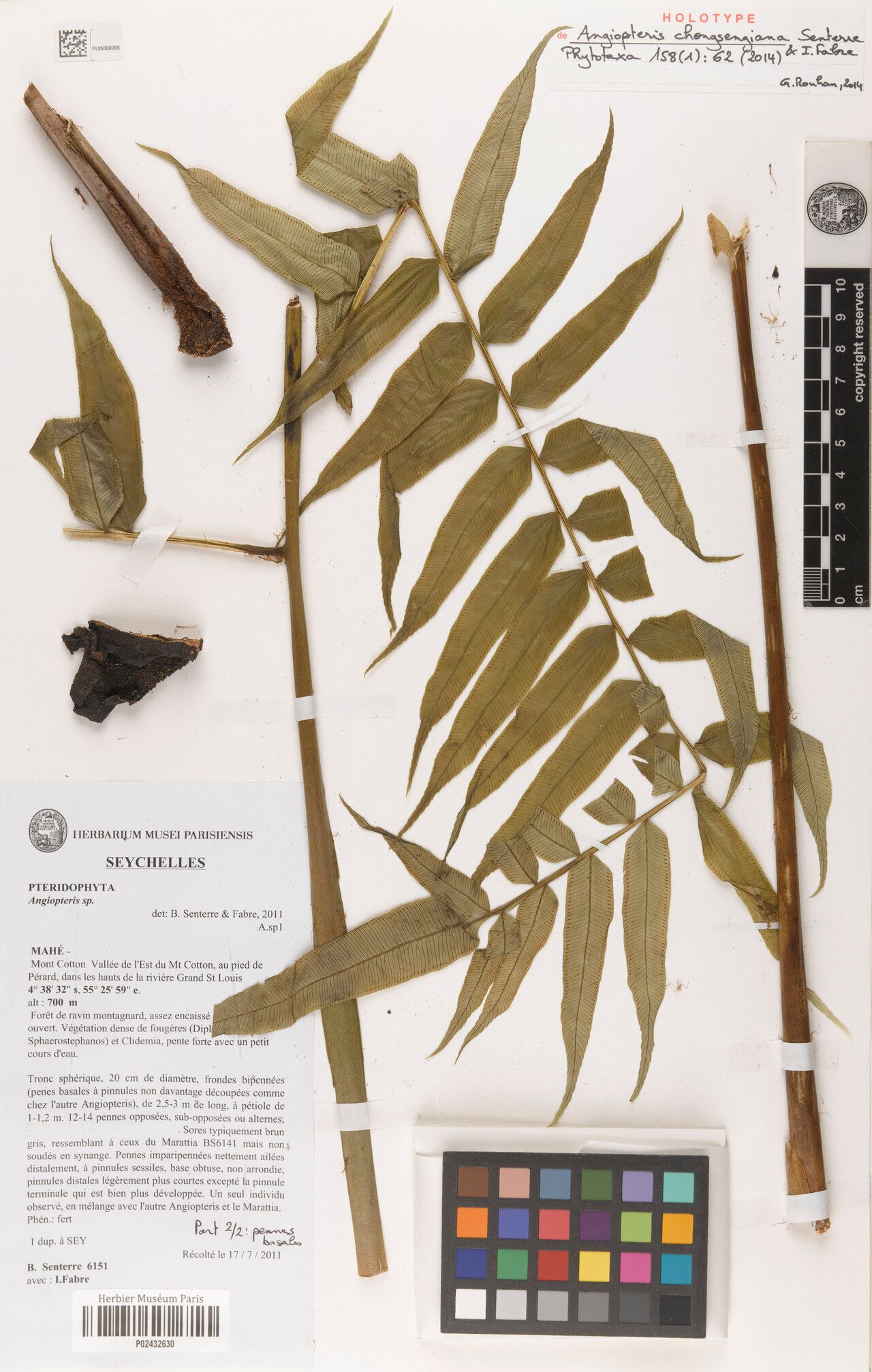
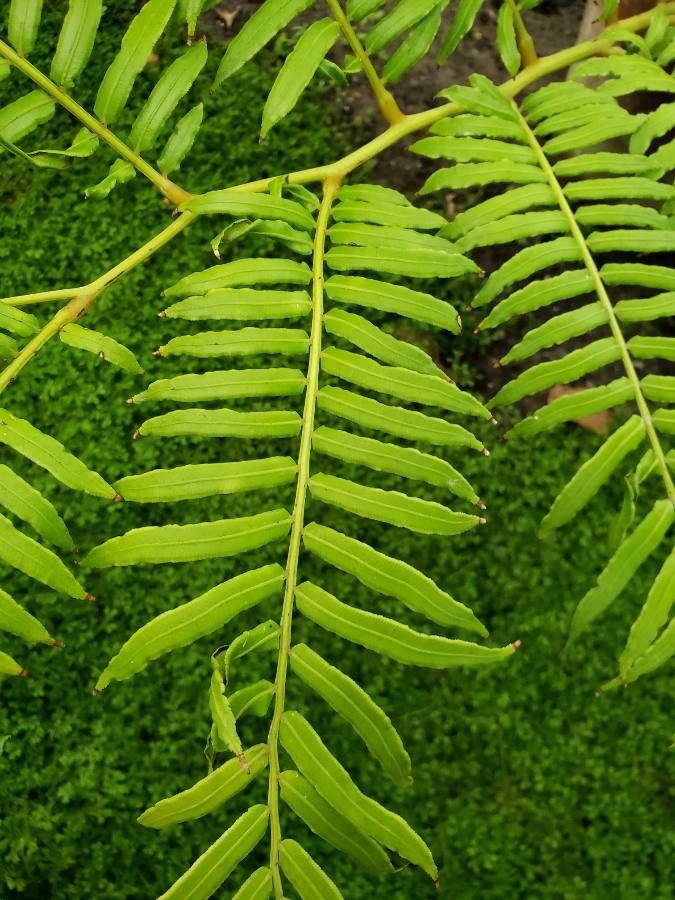
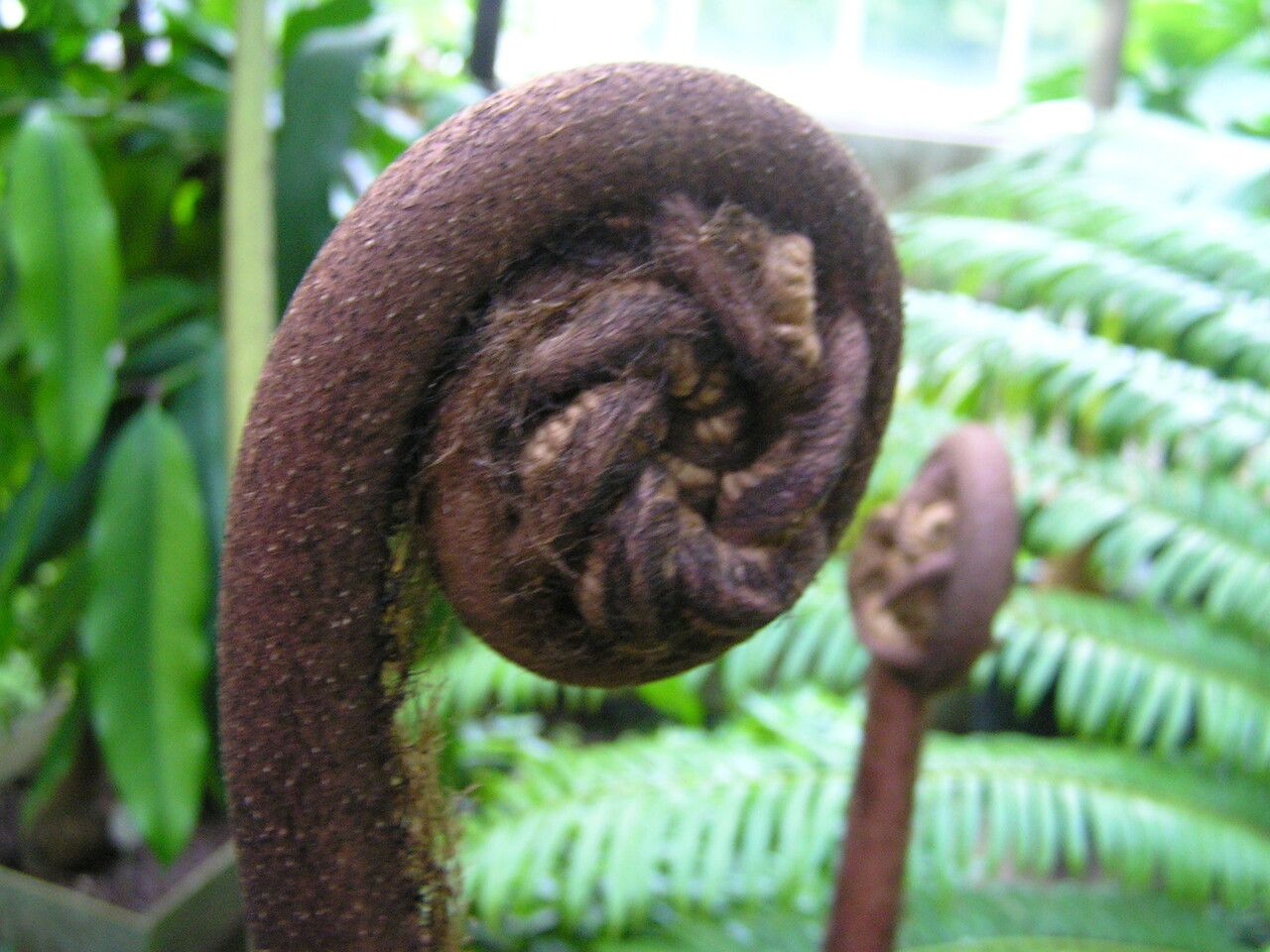
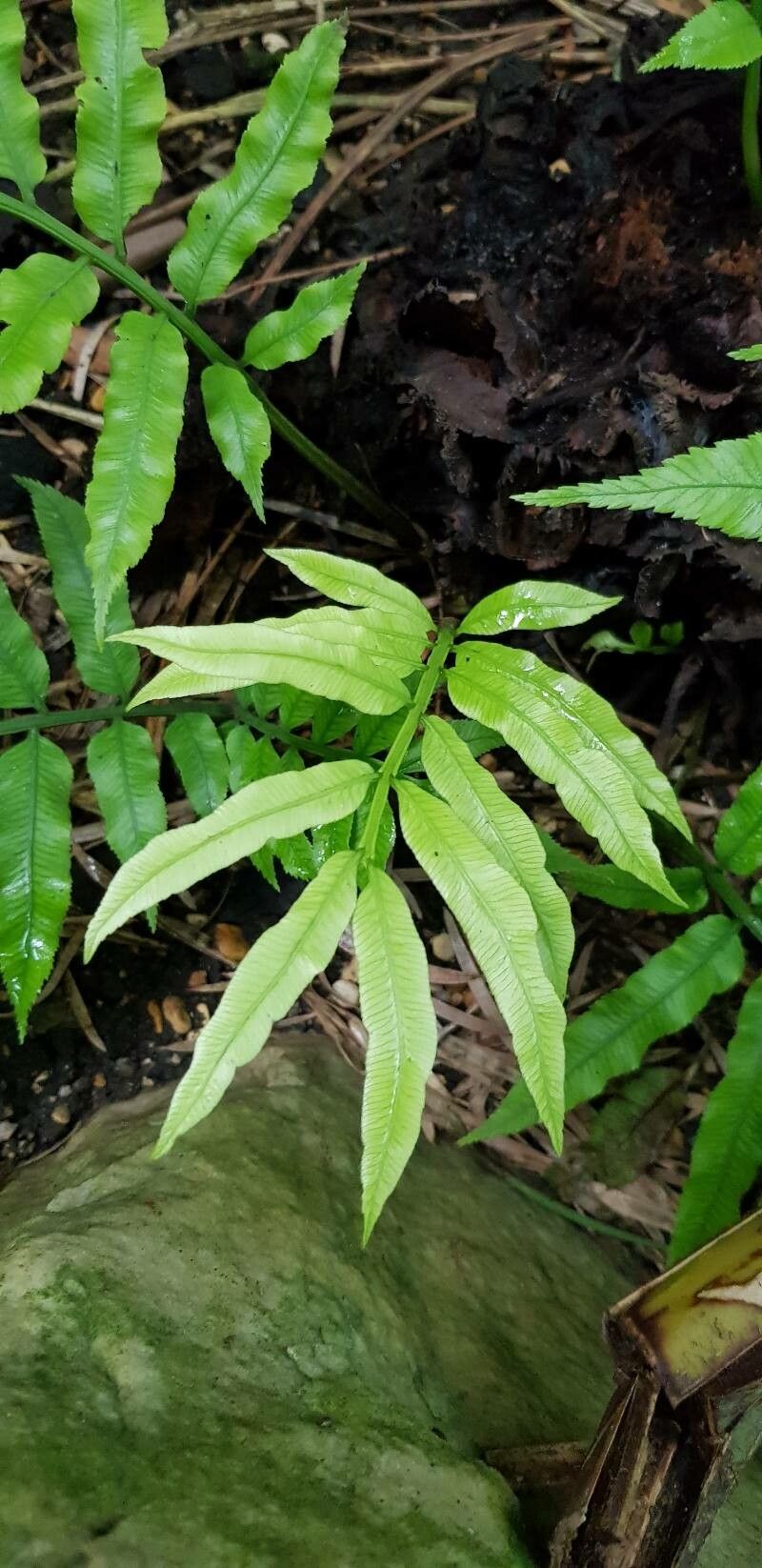
Mules-foot fern is generally resistant to disease and has relatively few insect pests. Its care is regarded as difficult because it needs a moist environment and frequent watering. However, the roots are susceptible to rot if the plant is overwatered or kept in poor ventilation. Mules-foot fern is suitable for people with some growing experience, since most people can keep it alive for a period of time. Still, it may struggle to thrive, and its leaves can dry out and become less healthy over time.
How to keep Angiopteris Fokiensis.
Light
Mules-foot fern comes from habitats such as forest understories or rocky areas that provide natural shade. It prefers Full Shade but can tolerate Partial Sun.
Water
The mule's foot fern thrives in high humidity, which is a testament to its tropical origins. It needs balanced watering, typically about twice a week, particularly during its growing season. As an evergreen plant, the mule's foot fern keeps its leaves year-round, so it's important to carefully manage its moisture needs to ensure it stays healthy.
Temperature
Mules-foot fern comes from tropical areas, where the climate is typically warm and humid. As a result, it is adapted to high temperatures and moisture. It does not tolerate sudden temperature changes and prefers a steady temperature, so it is important to prevent temperature fluctuations indoors. It usually cannot endure cold and needs warmer conditions to grow. If the surrounding temperature falls too low, the plant may stop growing or even die.
Pruning
To prune a mule's foot fern, remove dead or damaged fronds in early spring to promote growth and improve airflow. Be sure to use sterilized tools to prevent infections, ensuring the plant's health and vitality. Regular pruning helps prevent overcrowding and keeps the plant looking its best.
Botanical profile.
- Plant Type
- Fern
- Life Cycle
- Perennial
- Genus
- Angiopteris
- Family
- Marattiaceae
- Hardiness Zone
- 10-12
- Mature Height
- 2.13 m
- Mature Spread
- 2.13 m to 3.05 m
- Leaf Color
- Dark Green, Forest Green
- Leaf Type
- Evergreen
- Planting Time
- Spring, Summer, Autumn
- Native Area
- China
Reader questions.
What are the sunlight requirements for plants?
Plants have varying sunlight requirements to thrive. Partial sun plants require about 3-6 hours of sunlight, while full shade plants thrive in less than 3 hours of sunlight. It's essential to observe how sunlight moves through your garden to choose the ideal spots for your plants, ensuring they receive the perfect balance of light and shade.
What are the essentials for growing a Mules-foot fern?
The Mules-foot fern, originating from environments such as forest understories or rocky areas with natural shade, prefers full shade but can tolerate partial sun. When natural sunlight is insufficient, especially during winter or in less sunny spaces, artificial lighting becomes crucial. LED lights are recommended for indoor plants, needing different wattages based on the plant's sunlight needs - full sun plants require 30-50W/sq ft, partial sun plants 20-30W/sq ft, and full shade plants 10-20W/sq ft. Place the light source 12-36 inches above the plant and mimic the natural daylight hours, generally 8-12 hours per day.
What are significant symptoms of light deficiency in Mules-foot fern?
Mules-foot fern may show symptoms of light deficiency such as smaller new leaves, leggy or sparse growth, faster leaf drop, delayed or no new growth, lighter-colored new leaves, chlorosis (leaves turning yellow), sunscald, leaf curling, wilting, and leaf scorching. Each symptom indicates a need for better lighting conditions to ensure optimal growth and health.
How can light deficiency issues be resolved for indoor and outdoor plants?
To resolve light deficiency issues, gradually adapt your plants to more sunlight for both indoor and outdoor settings. For indoor plants, move them to sunnier spots weekly until they receive 3-6 hours of direct sunlight daily or use artificial lighting like desk or grow lights for at least 8 hours a day. For outdoor plants, gradually move them to sunnier locations weekly to avoid sunburn. If it's a ground plant blocked by obstructions such as trees, consider pruning or moving the plant during its dormant period to a sunnier spot with good drainage.