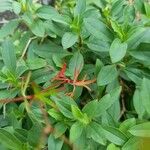
Anisacanthus quadrifidus
Wright's desert honeysuckle · Flame acanthus
Description
Source: leafsnapAnisacanthus quadrifidus is a species of flowering plant native to west and south-central Texas in the United States and adjacent northern Mexico down through the state of Oaxaca. It is an increasingly common ornamental shrub in Texas and is cultivated in other parts of the Southwestern United States.
Care Guide
💧 Water
Flame acanthus, which originates from dry regions, is highly drought-tolerant and needs very little water. It thrives when watered sparingly, about every 2 to 3 weeks, which encourages deep root growth. As a xeriscape plant, infrequent watering not only enhances its ability to bloom but also strengthens its resilience in dry conditions.
How should I water my Flame acanthus plant?
To ensure excellent root development, place a garden hose at the base of the plant. Avoid spraying water directly on the leaves. If the plant is outdoors and exposed to direct sunlight, the leaves will need more water. You can use bubblers or soaker hoses to moisten the roots. When adding or removing plants, use soaker hoses that cover the whole garden or bed to promote deep root growth. After watering, remove any excess water and wait for the soil to dry before watering again. Watering at ground level helps prevent diseases. On sunny days, consider spraying the entire bush with water. Whether potted or planted in the ground, remember that Flame acanthus prefers deep watering rather than light sprinkling.
What should I do if I give Flame acanthus too much or too little water?
An overwatered Flame acanthus can exhibit yellowing leaves that eventually drop off and wilt. The plant may also appear dull and unhealthy, with stems that feel mushy. Adjusting your watering schedule is recommended as soon as these signs appear. Conversely, wilting can also be a symptom of under watering. In this case, the leaves may become crispy and dry. To determine if watering is needed, check the soil moisture level. If the soil is dry, a thorough watering is necessary. However, be aware that even with sufficient water, the damaged root system may cause the plant to continue looking dry with yellow leaves for a few days. Once the plant regains its health, the yellowing will cease. When growing a Flame acanthus indoors, always check the moisture levels in the pot. Avoid overwatering and be on the lookout for black spots, which indicate excess moisture. If black spots are present, allow the soil to dry out completely by withholding water for a few days. Overwatering can lead to root rot, so if you observe discolored and slimy roots, consider transferring the plant to a different pot. It is crucial to prevent root rot by avoiding overly soggy soil. When planting a Flame acanthus outdoors, ensure that the soil is adequately moist. If the soil feels dry when you check with your fingers, it is likely due to underwatering. Proper watering is necessary for the plant to recover.
How often do I need to water my Flame acanthus plant?
The Flame acanthus prefers deep and infrequent watering, especially when planted in pots. In this case, soak them with a gallon of water each time to account for the limited water storage in pots and faster soil drying. In colder regions, water every 3 to 5 days, preferably in the morning when the soil is dry. You can check the soil's moisture by feeling the top 2-3 inches; if it's dry, give the plant a full watering. During hot days, check the moisture daily as the pot soil can dry out quickly. If you have a garden, irrigation is necessary. In hot climates, water once a week when you notice the top 2-3 inches of soil becoming too dry. Be mindful of rainfall and avoid overwatering to prevent root rot. Flame acanthus grows in spring and fall; for outdoor plants, add 3 to 4 inches of mulch to conserve water. Sandy soil requires more frequent watering due to its faster drainage, while clay soil allows for less frequent watering to prevent root rot. Keep track of watering dates and be vigilant if the leaves start drooping, as this could indicate a day's delay in watering.
How much water should I give my Flame acanthus?
The Flame acanthus plant generally needs about a gallon of water on a regular basis. For potted plants, it's best to water them deeply until you see water dripping from the bottom of the pot. Then, let the soil dry before watering again. You can use a water calculator or a moisture meter to determine how much water you've given your plant in a week. During the flowering period, provide plenty of water, but allow the moisture to evaporate afterwards to prevent root rot. If you plant Flame acanthus outdoors in an area with adequate rainfall, you may not need to water it additionally. When Flame acanthus is young or newly planted, it should receive about 1-2 inches of rain per week. As it continues to grow, it can rely solely on rainfall. However, in hot weather or during prolonged periods without rainfall, it's beneficial to give Flame acanthus a thorough watering during the cooler parts of the day to avoid heat damage. You may need to water more frequently during extended dry spells.
Should I change how often I water my Flame acanthus plant based on different seasons or climates?
The Flame acanthus is an outdoor plant that relies on rainwater, but you only need to water it during persistently dry weather. In the spring and fall, keep the soil moist but not soggy, and alternating between dry and moist soil will help it grow. During the summer, hot weather can cause water to evaporate quickly, so you may need to water more frequently to keep the plant moist. In winter, the plant needs less water as it drops its leaves and goes dormant. Use well-draining soil and terracotta pots to help water evaporate faster. Once the plant is dormant, you usually don't need to water it, as it can rely on fall and winter rains. In spring, water the Flame acanthus more to encourage growth and blooming. Good drainage is crucial, especially during winter, as the plant doesn't tolerate standing water. When in pots, the plant has limited root growth, so keep them well-watered in summer but ensure adequate drainage. Water the entire root system deeply once or twice a week, avoiding shallow sprinkles that only wet the leaves. Don't let the plant dry out completely in fall or winter, even in dormancy. Avoid overwatering, as sitting in water for too long can be detrimental. Mulching can help reduce stress, conserve water, and promote healthy blooms.
☀️ Light Full sun
Flame acanthus grows best in places that receive strong sunlight all day. It can also stay healthy in locations with moderate sun exposure. Both too much and too little light can harm this plant, highlighting the need for optimal sunlight conditions. Characteristics of its native habitat indicate its preference for plentiful sunlight.
What are the sunlight requirements for Flame Acanthus?
Flame Acanthus, also known as Anisacanthus quadrifidus, thrives best in full sun conditions, requiring more than 6 hours of sunlight daily. It can also grow healthily in partial sun, which is about 3-6 hours of sunlight. When selecting a location for planting, observe the movement of sunlight through your garden to find spots that offer a perfect balance of light and shade, ensuring the plant's happiness and growth. Consider the plant's indigenous habitat characteristics, which indicate a preference for abundant sunlight. However, both excessive and insufficient sunlight can negatively impact the plant, highlighting the importance of finding an optimum sunlight habit.
How do I use artificial lighting for indoor Flame Acanthus plants?
For indoor Flame Acanthus plants that do not receive enough natural sunlight, artificial lighting can be a critical solution for promoting optimal growth. Use the right type of artificial light, such as LED lights, which can provide specific wavelengths needed for plant growth. Full sun plants need 30-50W/sq ft, partial sun plants need 20-30W/sq ft, and full shade plants require 10-20W/sq ft of artificial light. Position the light source 12-36 inches above the plant to mimic natural sunlight and adjust the duration to mimic natural daylight, usually 8-12 hours per day, to support healthy plant growth.
What are the symptoms of improper lighting for Flame Acanthus?
Flame Acanthus may exhibit various symptoms due to improper lighting. Insufficient light can lead to small new leaves, leggy or sparse growth, faster leaf drop, slower or halted growth, and lighter-colored or yellowing leaves (chlorosis). Excessive sunlight exposure can cause sunscald, leaf curling, wilting, leaf scorching, and overall reduce the plant's health. These symptoms highlight the plant's sensitivity to its lighting environment, stressing the importance of maintaining the right amount of sunlight exposure.
How can I address lighting issues for my Flame Acanthus?
To address lighting issues for Flame Acanthus, start by adjusting the plant's location to ensure it receives at least 6 hours of direct sunlight daily. If indoors, use a south-facing window or supplement with artificial light, such as a desk lamp or grow lights, for at least 8 hours daily. For outdoor plants, gradually move them to sunnier spots each week to avoid shock. If the plant is obstructed by trees, consider pruning to improve sunlight access. For smaller plants, you may transplant them during their dormant period to a location with better sunlight and drainage. Remember, while parts of the plant affected by light issues may not recover, new growth will be healthy with improved lighting conditions.
🌡️ Temperature 15–35°C
Flame acanthus grows in moderate climates and prefers temperatures of about 59 to 95 °F (15 to 35 °C). In colder seasons, keep the plant indoors or use a protective cover to preserve a moderate environment.
What is the ideal climate for Flame Acanthus?
Flame acanthus thrives in environments with moderate climates, ideally between temperatures of 59 to 95 °F (15 to 35 °C). It has strong cold resistance and usually does not require special frost protection measures during winter. However, if temperatures are expected to drop below -15°C, protective measures such as wrapping the trunk and branches with non-woven fabric or cloth should be considered. Additionally, before the first freeze in autumn, it's beneficial to water the plant abundantly to keep the soil moist and prevent drought and water scarcity during colder months.
How to care for Flame Acanthus in low temperatures?
Flame acanthus is cold-tolerant and best thrives when temperatures remain above 15°C. In winter, it should be kept above -10°C to avoid damage. If temperatures fall below -15°C, you might not notice immediate changes during the winter, but come spring, the branches may become brittle and no new shoots will emerge. To mitigate this, prune away any dead branches that have failed to produce new leaves in the spring.
How to manage Flame Acanthus in high temperatures?
During summer, it's important to keep Flame acanthus below 35°C to avoid stress from high temperatures. Exceeding 41°C can lead to lighter colored leaves, with tips becoming dry and withered, increasing susceptibility to sunburn. To care for your plant under these conditions, trim away any sunburned and dried-up parts. Relocate the plant to a shaded area during midday and afternoon sun, or provide shade using a cloth. Ensure the soil remains moist by watering in the morning and evening.
💨 Humidity
🪴 Soil 6-7
🌱 Fertilizer
The timing of fertilizing Flame acanthus is important. Apply fertilizer in early spring and continue once a month until early summer. Fertilizer encourages attractive blooms and supplies energy during both dormant and active growth periods.
🪴 Pot & Repot Every 12 months
✂️ Pruning
Flame acanthus features vibrant orange-red flowers that are a magnet for pollinators. To maintain the plant's shape and promote dense foliage, prune it in late spring by cutting back one-third of its growth. Remove any dead wood to improve the plant's health. Proper pruning enhances blooming and vitality while preserving the plant's natural form, ensuring it remains visually appealing.
🌿 Propagating
🐛 Diseases & pets
☠️ Toxicity
Characteristics
- Plant Type
- Shrub
- Life Cycle
- Perennial
- Genus
- Anisacanthus
- Family
- Acanthaceae
- Hardiness Zone
- 7-10
- Mature Height
- 1.22 m
- Mature Spread
- 91 cm
- Leaf Color
- Green, Dark Green
- Leaf Type
- Deciduous
- Flower Color
- Red
- Flower Size
- 2.54 cm
- Bloom Time
- Summer, Fall
- Planting Time
- Spring, Summer, Autumn
- Harvest Time
- Late summer, Fall, Early winter
- Native Area
- Mexico