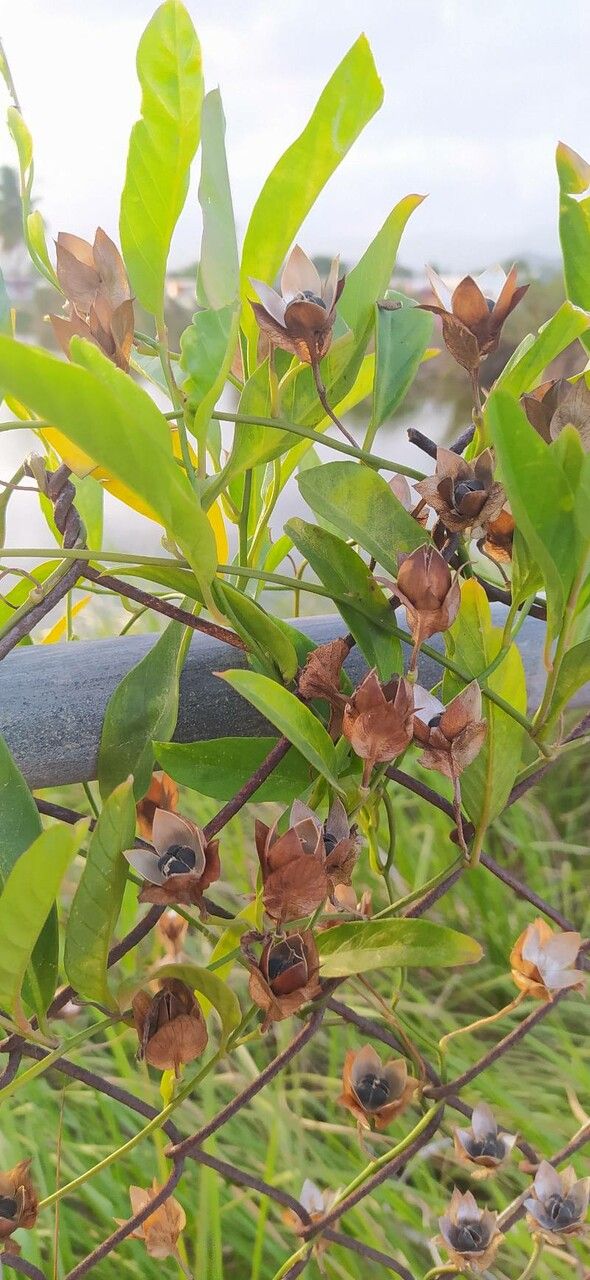
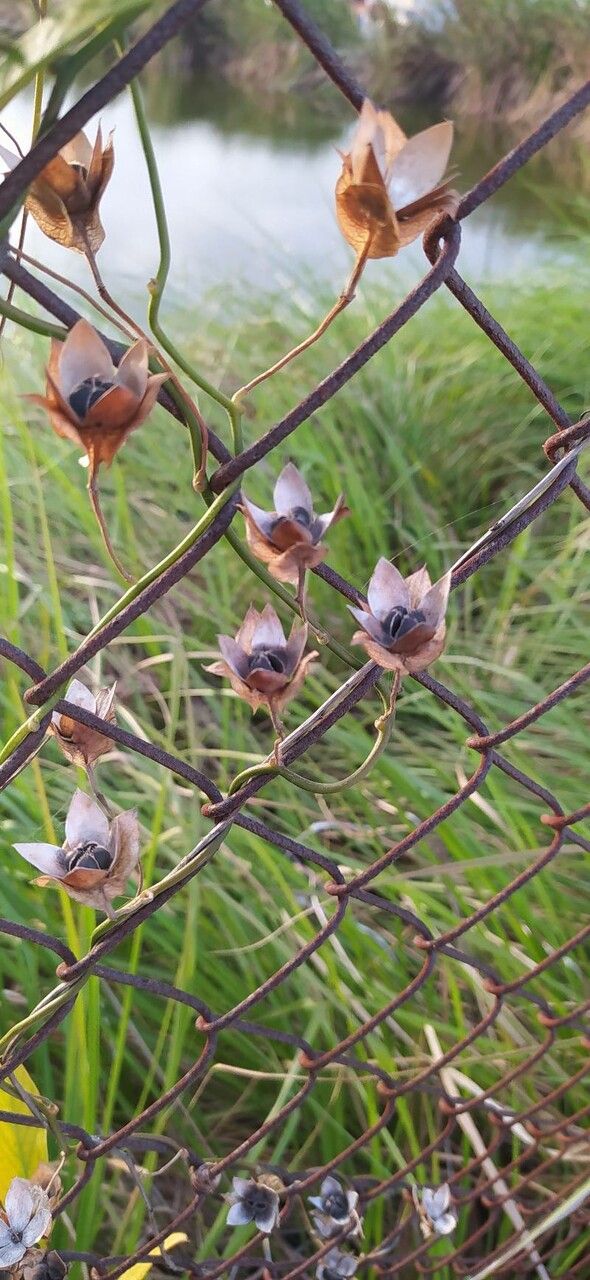
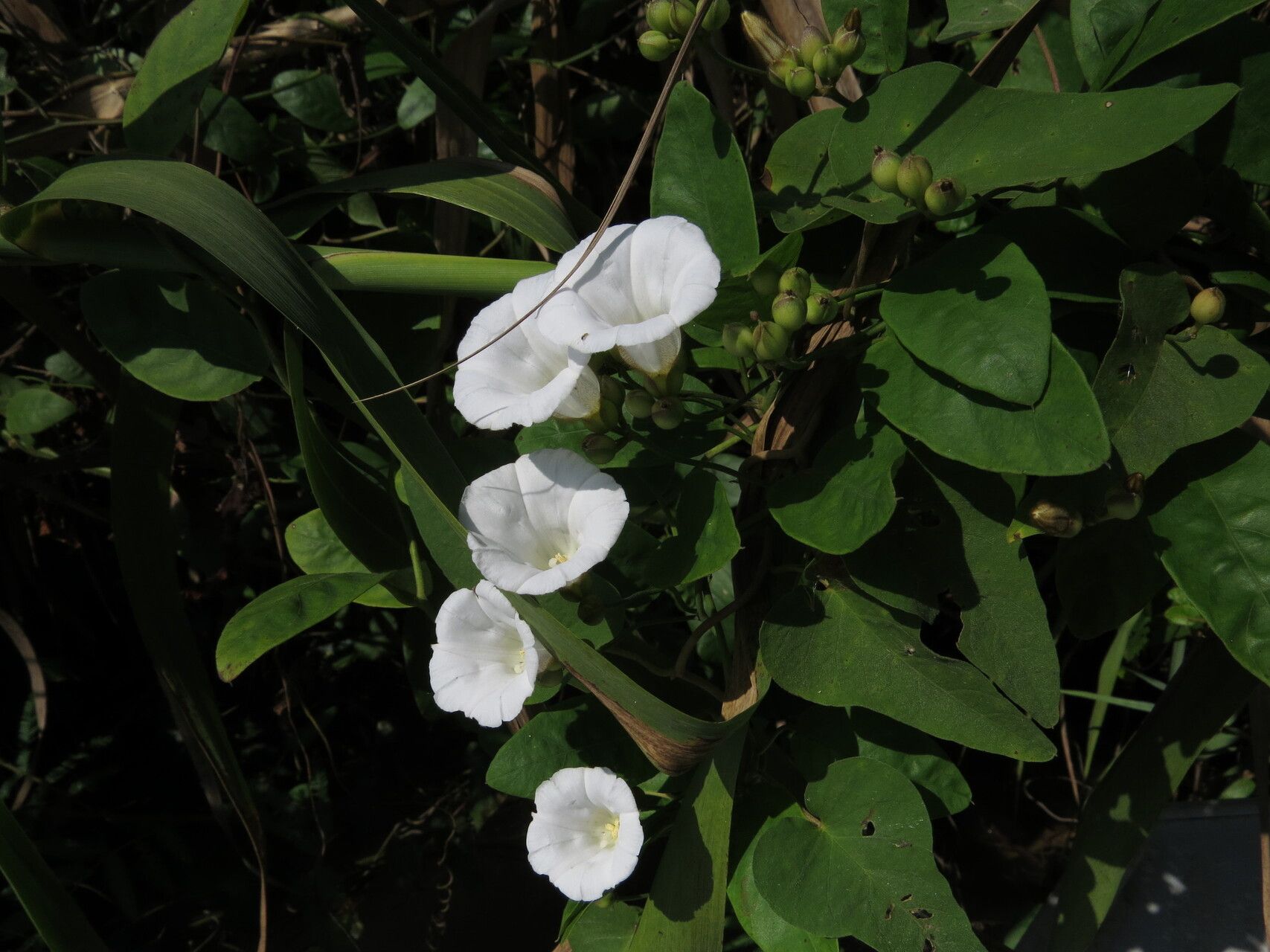
Aniseia martinicensis is a species of herb climber in the Convolvulaceae family. Native to subtropical and tropical America, it has been introduced to the tropics and sub-tropics of the Pacific Islands, Australia, Asia, and Africa. It is usually eaten as a supplementary vegetable. Even though it grows around the world, in a variety of habitats, it is a rare plant.
Whitejacket has strong resistance to disease and is typically not vulnerable to illnesses. Nonetheless, it can be affected by pests and diseases present in the local environment. Such infections are typically mild. Regarding care, this plant demands moderate maintenance. It should be pruned on a regular basis to preserve an attractive appearance and encourage healthy growth. Applying fertilizer can also support increased flowering. Whitejacket is appropriate for anyone with outdoor areas like a garden or patio and does not need extensive gardening experience. It may need more attention when kept indoors.
How to keep Aniseia Martinicensis.
Temperature
Whitejacket comes from tropical areas, where the weather is generally warm and humid. Consequently, it is adapted to high temperatures and humidity. It is sensitive to rapid temperature changes and prefers a steady thermal environment, so avoiding indoor temperature fluctuations is important. It typically does not tolerate cold and needs warmer conditions to grow. If the surrounding temperature becomes too low, the plant may stop growing or even die.
Fertilizer
Whitejacket responds well to regular, light applications of fertilizer to encourage healthy leaf growth. You should feed Whitejacket about once a month during the summer. Nitrogen is important for foliage, and providing nitrogen-rich sources helps Whitejacket thrive.
Pruning
The Whitejacket plant is known for its distinctive white flowers and requires pruning from early to late spring. To encourage new growth and improve air circulation, make sure to remove any dead stems and trim overgrown areas. Regular pruning promotes better blooming. Be sure to use clean, sharp tools to prevent disease and maintain the plant's optimal health.
Botanical profile.
Other names.