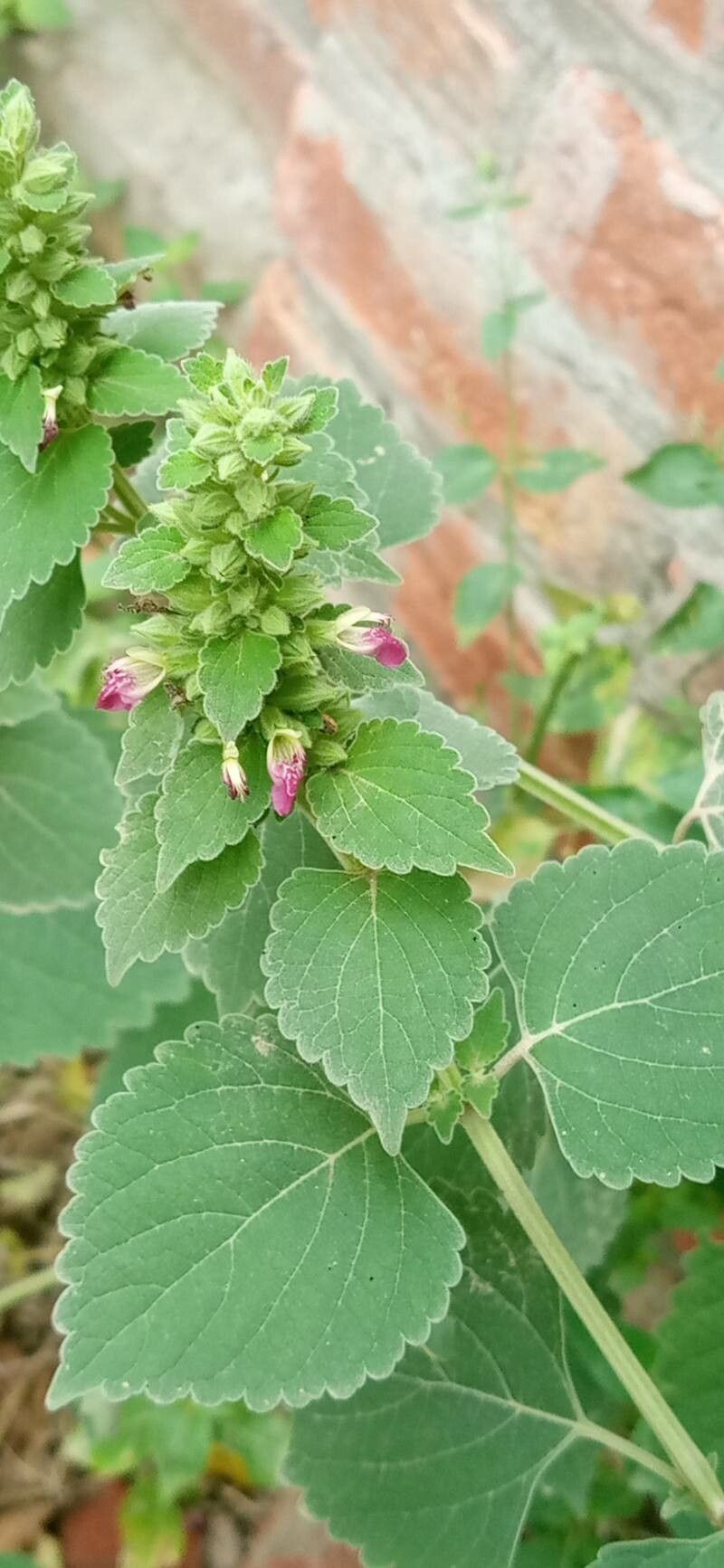
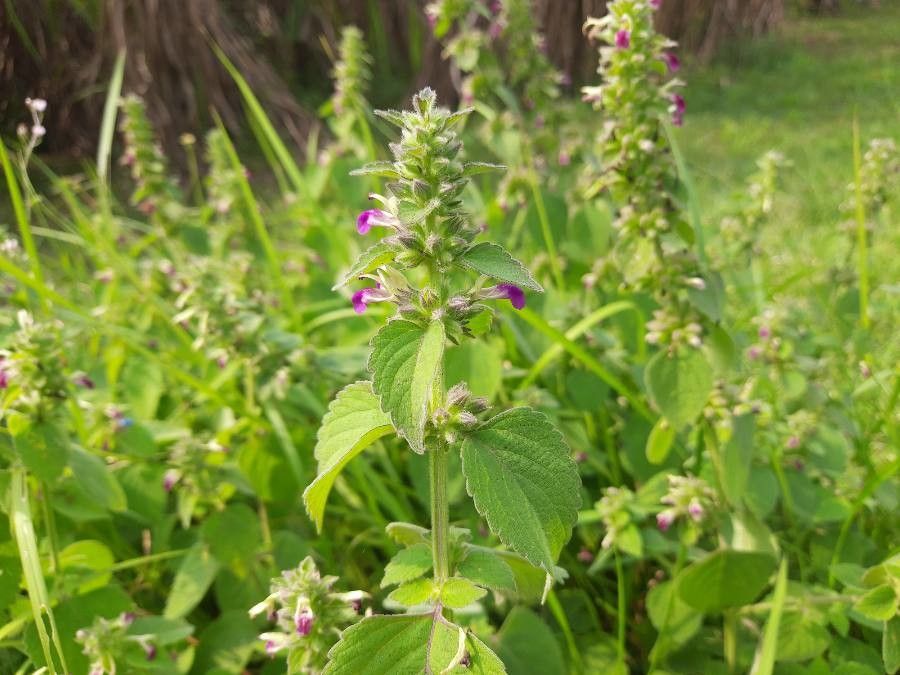
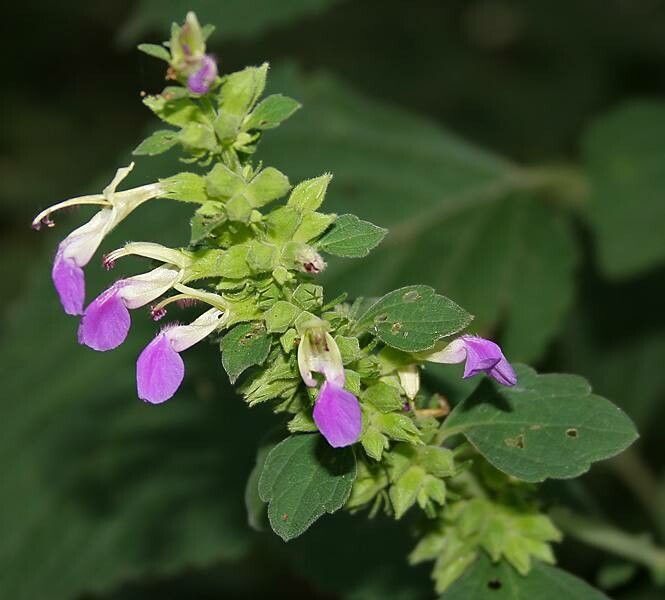
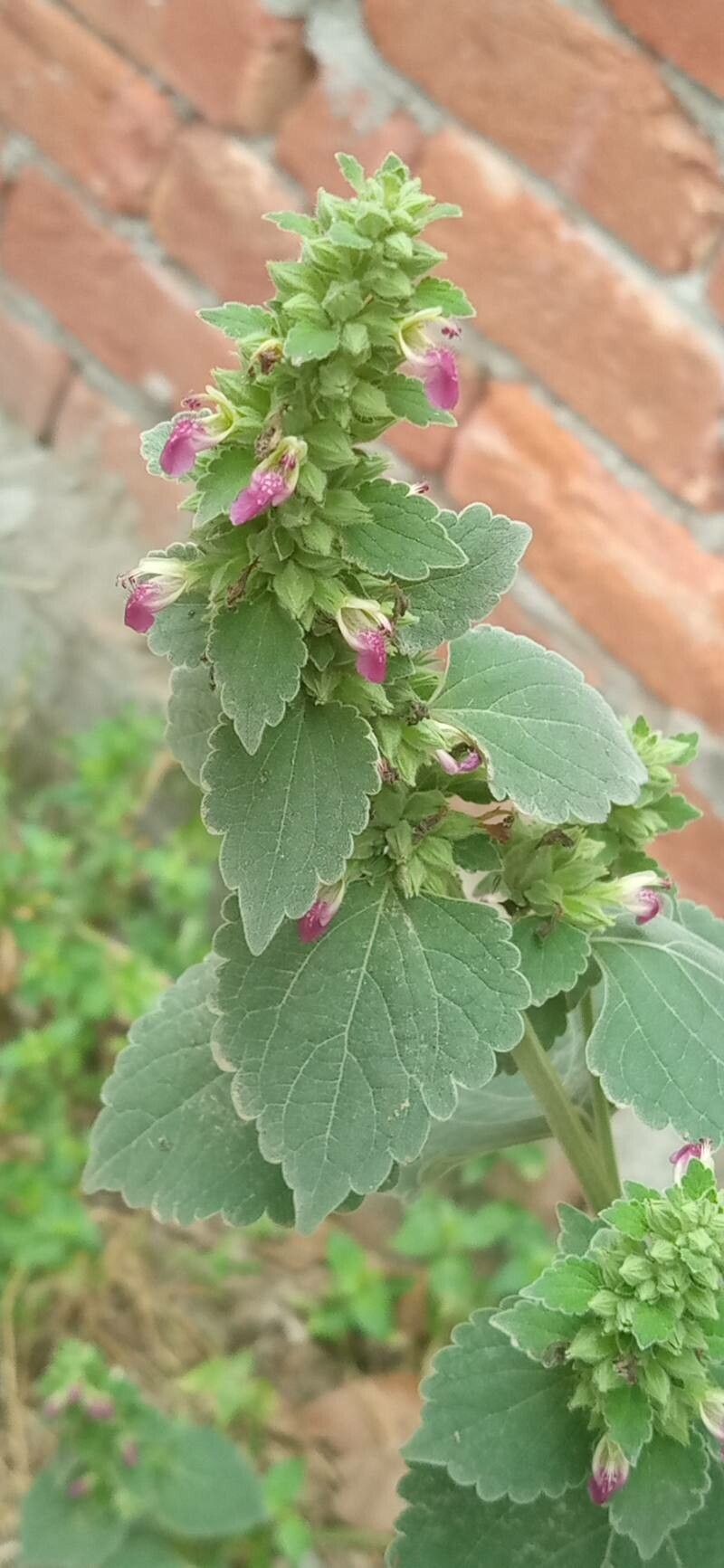
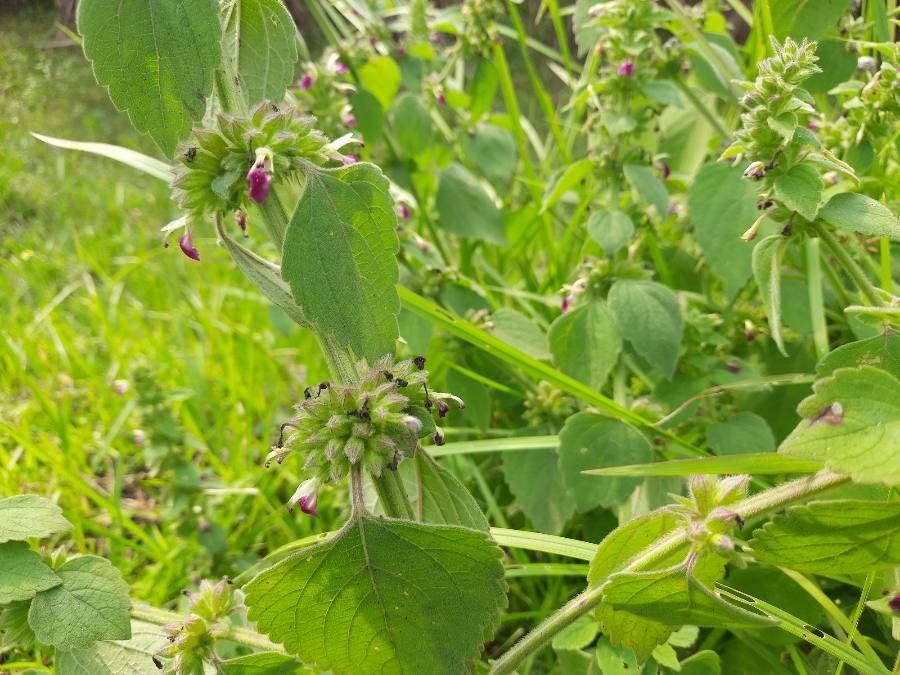
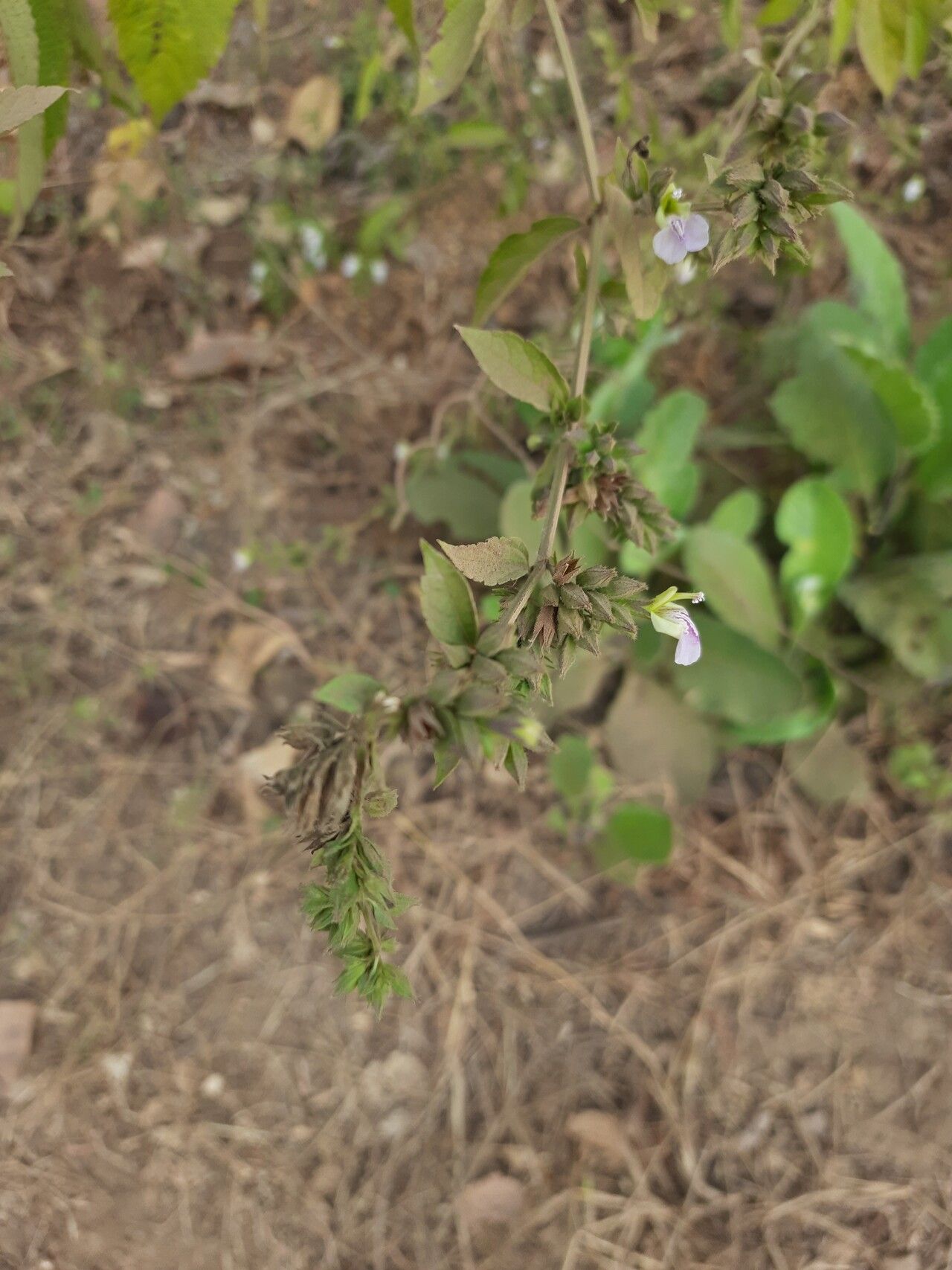
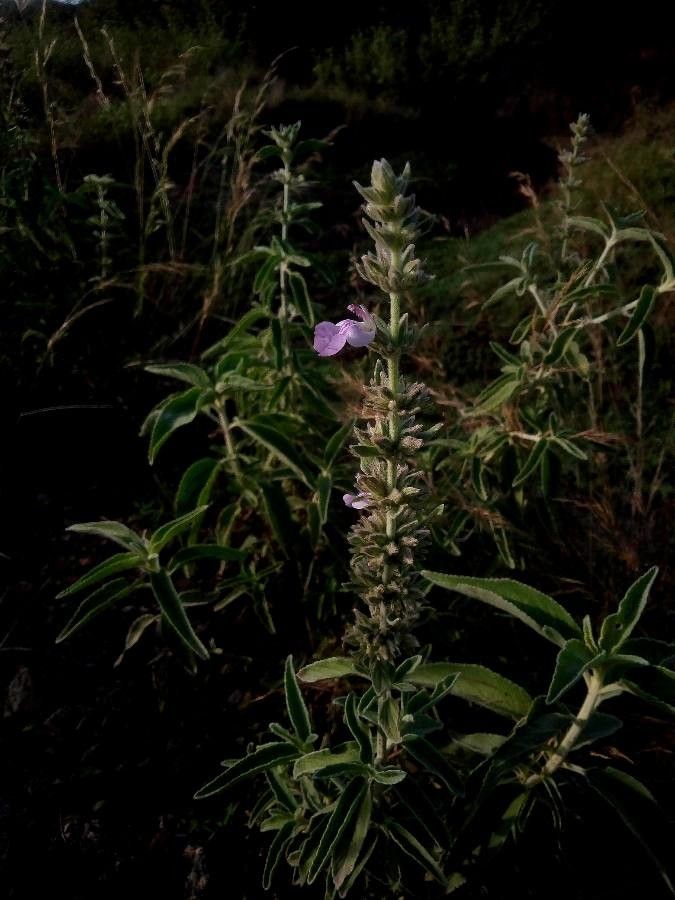
Anisomeles indica, or catmint, is a species of herbaceous plant native to eastern Asia and naturalized on some Pacific islands.
Indian catmint is fairly disease-resistant and typically not prone to many illnesses. Still, it can be vulnerable to pests and diseases present in its surroundings. These infections are usually mild. Regarding care, this plant requires moderate maintenance. It should be pruned regularly to keep a good appearance and healthy growth. Fertilizing can also help encourage flowering. Indian catmint is suitable for anyone with outdoor space, such as a garden or patio, and does not demand extensive care experience. It may need more attention when grown indoors.
How to keep Anisomeles Indica.
Light
Indian catmint performs best with a generous amount of sunlight each day. It can, however, also do well with a moderate amount of sun. In its natural habitat it receives abundant light. Too little light can limit growth, while too much can cause leaf scorch.
Water
Indian catmint thrives in tropical environments, preferring consistent moisture and benefiting from weekly watering. Although it has moderate drought tolerance, it truly flourishes in high humidity. Rainwater is ideal for this herb, providing essential nutrients and a natural hydration rhythm that is superior to tap water.
Temperature
Indian catmint does best in its native growing environment, where temperatures range from 59 to 89.6 °F (15 to 32 ℃). Its preferred temperature falls within that span, promoting optimal growth. Minor temperature adjustments by season may be needed to preserve optimal health.
Fertilizer
Fertilize an Indian catmint in early spring, as it comes out of dormancy and starts active growth. Fertilizing supplies essential nutrients for healthy development. Although Indian catmint has relatively low fertilizer requirements, an annual feeding can improve its survival and encourage better, longer-lasting flowers.
Pruning
Indian catmint, a hardy perennial, is valued for its fragrant leaves and purple flowers. Pruning at the right time, from early to late spring, encourages new growth, removes damaged parts, and promotes re-blooming. Using the correct pruning techniques can improve airflow, reduce the risk of disease, and enhance both the health and visual appeal of the plant.
Botanical profile.
- Plant Type
- Herb
- Life Cycle
- Perennial
- Genus
- Anisomeles
- Family
- Lamiaceae
- Hardiness Zone
- 8
- Mature Height
- 0.91 m to 2.13 m
- Mature Spread
- 30 cm to 61 cm
- Leaf Color
- Green, Dark Green
- Leaf Type
- Evergreen
- Flower Color
- Purple, Lavender
- Flower Size
- 2.54 cm
- Bloom Time
- Mid summer, Late summer, Fall
- Planting Time
- Spring, Summer, Autumn
- Harvest Time
- Late summer, Fall, Early winter
- Native Area
- Nepal, Sri Lanka, India, Malaysia, Philippines, Madagascar, Pakistan, Laos, China, Indonesia, Cambodia, Vietnam, Myanmar, Japan, Bhutan, Thailand
Other names.
Reader questions.
How should I water my Indian catmint?
To keep your Indian catmint healthy, it is important to water it properly. Start by using filtered water at room temperature. Tap water should be avoided as it may contain harmful particles for the plant. The temperature of the water is also crucial. Since the Indian catmint is accustomed to warm climates, using cold water can be a shock to its system. Additionally, be mindful of how you water the plant. Avoid overhead watering, as this can cause issues with the foliage. Instead, focus on watering the soil directly. Apply filtered room temperature water until the soil is completely soaked. This method is beneficial for the plant as it keeps the roots moist and helps them absorb the necessary nutrients from the soil.
Why is it important to give my Indian catmint fertilizer?
The Indian catmint heavily relies on its leaves for its overall structure. Fertilization is crucial for maintaining the leaves' appearance and function. Adequate fertilization ensures that the leaves of your Indian catmint have consistent color and a healthy texture. Moreover, fertilization plays a significant role in the plant's root system. It promotes the growth of new roots and sustains existing ones below the soil's surface. By fertilizing, you not only keep your plant healthy in the present but also enhance its ability to absorb soil nutrients in the future.
What are the sunlight requirements for Indian catmint?
Indian catmint requires a substantial amount of sunlight each day to thrive, ideally flourishing in full sun, which is defined as receiving more than 6 hours of sunlight per day. It can also tolerate partial sun, or about 3-6 hours of sunlight daily. Its native habitat allows it to enjoy significant light exposure, although it’s important to prevent exposure to overly intense sunlight that might cause leaf burn. On the other hand, too little light can inhibit growth, underscoring the need to find a perfect balance of light and shade in your garden to ensure the plant's health.
What are the optimal temperature conditions for growing Indian catmint?
Indian catmint, or Anisomeles indica, grows best in its native environment, thriving in temperatures ranging from 59 to 89.6°F (15 to 32°C). These temperature preferences ensure the plant's optimal growth. Although Indian catmint has a strong resistance to cold, it is advisable to take precautions if winter temperatures are expected to drop below -10°C. This involves protecting the plant from frost by covering it with soil or straw and watering it abundantly before the first freeze in autumn to keep the soil moist, which helps prevent drought and water scarcity during winter and early spring.
What should I do if I give my Indian catmint too much water or not enough water?
Both overwatering and underwatering can harm your Indian catmint's health, but overwatering is more common. When the plant is overwatered, its stems and leaves may wilt and turn yellow. Over time, excessive watering can lead to diseases like root rot, mold, and mildew, which can be fatal. Underwatering is less likely for Indian catmint due to its decent drought tolerance. However, it can still happen, causing brittle and brown leaves. It's crucial to recognize the signs of overwatering early on. Some diseases, such as root rot, may be irreversible if not addressed promptly. If you notice early signs of overwatering, reduce your watering immediately. Also, check the soil's drainage quality and replace it with a loose, well-draining potting mix if it's poor. Conversely, if your Indian catmint lacks water, simply increase your watering frequency until the signs improve.
When should I fertilize my Indian catmint?
If you grow your Indian catmint outdoors, it will send out new growth in early spring. This is the signal to start fertilizing for the year. Usually, one round of fertilizer is enough for the catmint to thrive. But if you want to maximize its growth, you can fertilize it multiple times from spring to early summer - about once every month to a month and a half.
How can artificial lighting supplement sunlight for Indian catmint?
When natural sunlight is inadequate, especially during winter or in locations that receive less sun, artificial lighting becomes essential for the optimal growth of Indian catmint. Adequate artificial lighting can promote faster, healthier growth. LED lights are favored for indoor plant lighting as they can be customized to provide the necessary wavelengths of light. Full sun plants require 30-50W/sq ft, partial sun plants need 20-30W/sq ft, and full shade plants benefit from 10-20W/sq ft of artificial light. The light source should be positioned 12-36 inches above the plant to mimic natural sunlight, ensuring it receives 8-12 hours of light per day.
How does low temperature affect Indian catmint, and what are the solutions?
Indian catmint is cold-tolerant, best thriving when temperatures remain above 15°C. Over winter, it's important to keep the temperature above -5°C. If temperatures fall below -10°C, the plant may not show immediate damage, but there could be a noticeable decrease in sprouting or even a lack of sprouting during spring. The recommended solution for any parts of the plant that fail to sprout in spring is simple: these parts should be removed to ensure the health of the remainder of the plant.
How often should I give water to my Indian catmint plant?
If your Indian catmint is in a pot, the most accurate way to determine if it needs water is to check the soil by inserting your finger. If the top two to three inches of soil are dry, it's time to water. For Indian catmint grown outdoors in the ground, you can use the same method to test the soil. Once the top few inches of soil have dried out, it's time to water. Typically, during spring and early fall, watering once a week is sufficient. However, in extremely hot weather, you may need to water twice or more per week. It's worth noting that mature and well-established Indian catmint plants have a remarkable ability to tolerate drought.
When should I not put fertilizer on my Indian catmint?
During late fall and winter, your Indian catmint goes into a dormant phase and stops producing new growth. It is important to refrain from fertilizing it during this time. In spring and summer, if you choose to fertilize multiple times, start reducing the rate as summer approaches because the growth rate of your Indian catmint also slows down. In general, it is not recommended to fertilize your Indian catmint during extremely hot weather or when the soil is excessively dry. Fertilizing during these conditions can stress your Indian catmint and lead to premature death.
What are the common symptoms of improper lighting on Indian catmint?
Indian catmint exhibits several symptoms when it experiences improper lighting conditions. Inadequate light can lead to smaller new leaves, leggy or sparse growth, accelerated leaf drop, delayed or halted growth, and the emergence of lighter-colored or discolored leaves. Excessive sunlight might result in chlorosis, where leaves turn yellow due to chlorophyll breakdown, as well as sunscald, leaf curling, wilting, and leaf scorching. These symptoms indicate the plant's struggle with either too much or too little sunlight, affecting its overall health and ability to perform photosynthesis effectively.
How does high temperature affect Indian catmint, and what are the solutions?
During summer, it's crucial to ensure that the temperature where Indian catmint is grown does not exceed 32°C. Exposure to temperatures above 35°C can cause the leaves to become lighter, curl, become susceptible to sunburn, and in severe cases, lead to the entire plant wilting and drying out. Addressing high temperature stress involves trimming away sunburned and dried parts of the plant, relocating it to an area shielded from midday and afternoon sun, or using a shade cloth to provide shade. Additionally, watering the plant in the morning and evening can help maintain soil moisture and mitigate heat stress.