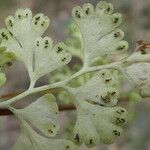
Anogramma leptophylla
Jersey Fern · Annual maidenhair
Description
Source: leafsnapAnogramma leptophylla, commonly known as the Jersey fern or narrow-leaved fern, is a species of fern native to Europe and North America. It belongs to the family Pteridaceae and thrives in a variety of habitats, including rocky outcrops, cliffs, and woodlands. The Jersey fern features delicate fronds that are narrow and lance-shaped, with finely divided leaflets. The fronds can grow up to 30 cm in length and are a light green color. The plant reproduces by producing spores on the underside of its leaves, which are released into the air. This fern is easy to cultivate in gardens or containers. It requires well-draining soil that is kept moist but not waterlogged. While it prefers partial shade, it can also tolerate full sun if provided with sufficient moisture. Historically, the Jersey fern was utilized for medicinal purposes by Native Americans, who believed it could treat various ailments such as fever, coughs, and wounds. Today, it is primarily grown for its ornamental value, as its delicate appearance adds a touch of elegance to any garden or indoor space. Overall, Anogramma leptophylla makes an excellent addition to any garden due to its ease of care and beautiful appearance, making it an ideal choice for both novice and experienced gardeners alike.
Care Guide
💧 Water Every 7 days
Annual maidenhair, which originates from moist, shaded areas, thrives in humid environments. It requires regular moisture and should be watered twice a week. Typically grown indoors, this plant benefits from stable temperatures and controlled watering. Meeting its water needs effectively promotes vigorous growth.
What do I need to do if I give my Annual maidenhair plant too much or too little water?
When it comes to watering the Annual maidenhair, there are a couple of things to be cautious about. If you leave your plant sitting in water or use a planter without drainage holes, it can become overwatered. This leads to the roots being unable to absorb nutrients and moisture, and can result in wilting, yellowing leaves, drooping stems, or a soft and mushy texture. However, it's important to consider other factors that may cause similar issues, as it's difficult to give this plant too much water. On the other hand, it's also important to make sure the Annual maidenhair doesn't become underwatered. Unless you're using a self-watering planter, it's easy to accidentally let the plant become too dry. In dry conditions, the plant's appearance can quickly change from lush and green to brown and crispy. In severe cases, it may seem like there are no living fronds left, but if some of the roots are still healthy, there's a chance to save the plant. Simply remove the dry and dead stems, water thoroughly, and return the plant to its usual location. With proper care, the plant has the potential to recover and start producing new fronds, although it may take a few months to return to its original size.
How do I correctly water my Annual maidenhair plant?
To keep your Annual maidenhair thriving, it is important to provide consistently moist soil that imitates its natural habitat. This means watering it as often as every one or two days. It is crucial to avoid letting the plant dry out completely. Once you notice the top layer of soil starting to feel even slightly dry, it's time for another watering session. Avoid just giving it a few drops of water; instead, make sure to thoroughly saturate the soil until water drains out from the bottom of the pot. Once excess water has drained, empty the drainage tray or saucer to prevent the pot from sitting in a puddle. By following this watering method, you can ensure that the soil remains adequately moist and prevent it from becoming too dry.
What do I need to think about when watering my Annual maidenhair?
The humidity levels in the air affect how often you need to water your Annual maidenhair. Higher humidity means less frequent watering. Avoid placing the plant near heating or cooling vents as it will dry out quickly. Choose a draft-free location. Annual maidenhair prefers dappled and indirect sunlight with temperatures between 55-80 degrees F (13-27 degrees C). Placing it on a warm and sunny windowsill could dehydrate it quickly. Rainwater or distilled water is ideal for this plant, although tap water works fine in most places. Tap water can lead to brown leaf tips due to minerals and chemicals. Small pots can cause problems as they dry out quickly. It's best to provide more space in the pot for this plant. Consider using a self-watering planter for Annual maidenhair. These pots use a wicking system that keeps the soil consistently moist. This eliminates the need for frequent watering and benefits the plant's roots by maintaining a constant water supply.
☀️ Light Full shade
Annual maidenhair is native to habitats such as forest understories or rocky areas that provide natural shade. It prefers Full Shade but can tolerate Partial Sun.
What are the sunlight requirements for Annual Maidenhair?
Annual maidenhair (Anogramma leptophylla) thrives best in conditions of full shade or partial sun, tolerating less than 3 hours of direct sunlight daily. Originating from environments such as forest understories or rocky areas that naturally offer shade, it's adaptable but prefers locations that balance light and shade effectively. Monitoring sunlight patterns in your garden assists in selecting the ideal spots for these plants, ensuring their growth and happiness by providing the right amount of light.
How should I use artificial lighting for my indoor Annual Maidenhair plants?
For indoor Annual maidenhair plants, adequate lighting is crucial, especially when natural sunlight is insufficient. Artificial lights, such as LED lights tailored to the plant's light wavelength needs, serve as an excellent solution. Depending on the plant's natural sunlight needs, the intensity of the artificial light should vary: 10-20W/sq ft for full shade plants, 20-30W/sq ft for partial sun plants, and 30-50W/sq ft for full sun plants. Positioning the lights 12-36 inches above the plants and imitating natural daylight hours (typically 8-12 hours per day) are important factors to ensure the plants' optimal growth and health.
What are the symptoms of light deficiency in Annual Maidenhair?
Annual maidenhair exhibits several symptoms when experiencing light deficiency, crucial for the plant's diagnosis and care. These include the growth of smaller new leaves compared to older ones, leggy or sparse growth indicating a thin, stretched appearance due to insufficient light, faster leaf drop as a resource conservation measure, and halted or no new growth as the plant enters survival mode. Other symptoms consist of paler new leaves signaling a lack of chlorophyll, chlorosis where leaves turn yellow, sunscald identified by damaged leaves from intense light, leaf curling to reduce sun exposure, wilting from excessive transpiration, and leaf scorching marked by brown, crispy leaf edges.
What solutions can I apply for light-related issues in my Annual Maidenhair?
To address light-related issues in Annual maidenhair, both indoor and outdoor strategies can be implemented. For indoor plants, moving them to an area where they can receive filtered light, including brief direct morning sunlight positioned 1-2 meters away from a window, is advisable. Artificial light sources, such as desk or ceiling lamps left on for a minimum of 8 hours daily, or professional grow lights, provide additional support. Outdoors, gradually transitioning plants to sunnier spots by increasing their exposure to light weekly helps prevent sunburn. Removing environmental obstructions to sunlight, such as pruning blocking tree branches or relocating smaller plants during their dormant period to better-lit areas, ensures improved health and growth for the Annual maidenhair.
🌡️ Temperature 15–37.8°C
Annual maidenhair grows in forest thickets. It is very sensitive to temperature and humidity; high heat, dry conditions, and strong sunlight can all distress the plant. In summer it needs adequate shading and a very humid environment. Generally, Annual maidenhair does not require special care in winter, but prolonged winter drought can still be fatal.
💨 Humidity
🪴 Soil 5-6
🌱 Fertilizer
🪴 Pot & Repot
✂️ Pruning
Annual maidenhair has a delicate, fern-like appearance and requires minimal pruning. To encourage healthy growth and airflow, prune in early to late spring by removing any dead or damaged fronds. Be careful not to cut excessively into live tissue, as this can hinder new growth and increase the risk of disease. By following these guidelines, you can help ensure a long and healthy lifespan for the plant.
🌿 Propagating
🐛 Diseases & pets
☠️ Toxicity
Characteristics
- Plant Type
- Fern
- Life Cycle
- Annual
- Genus
- Anogramma
- Family
- Pteridaceae
- Hardiness Zone
- 8-11
- Mature Height
- 5 cm to 15 cm
- Mature Spread
- 5 cm to 10 cm
- Leaf Color
- Light Green, Pale Green
- Leaf Type
- Semi-evergreen
- Bloom Time
- Summer, Fall
- Planting Time
- Spring
- Native Area
- Sri Lanka, Libya, Lesotho, Egypt, Turkey, India, Djibouti, Angola, Mexico, Guatemala, Namibia, Madagascar, Montenegro, Pakistan, Nigeria, Croatia, Morocco, Kenya, Uganda, Tanzania, Zimbabwe, Russia, Iraq, Indonesia, Cameroon, Venezuela, Brazil, Ethiopia, Portugal, France, Saudi Arabia, Malawi, Congo, Tunisia, Peru, South Africa, Sudan, Mauritania, Cyprus, Armenia, Greece, New Zealand, Lebanon, China, Afghanistan, Italy, Spain, El Salvador, Nicaragua, Iran, Albania, Ecuador, Algeria, Hungary, Azerbaijan, Costa Rica, Congo (DRC), Turkmenistan