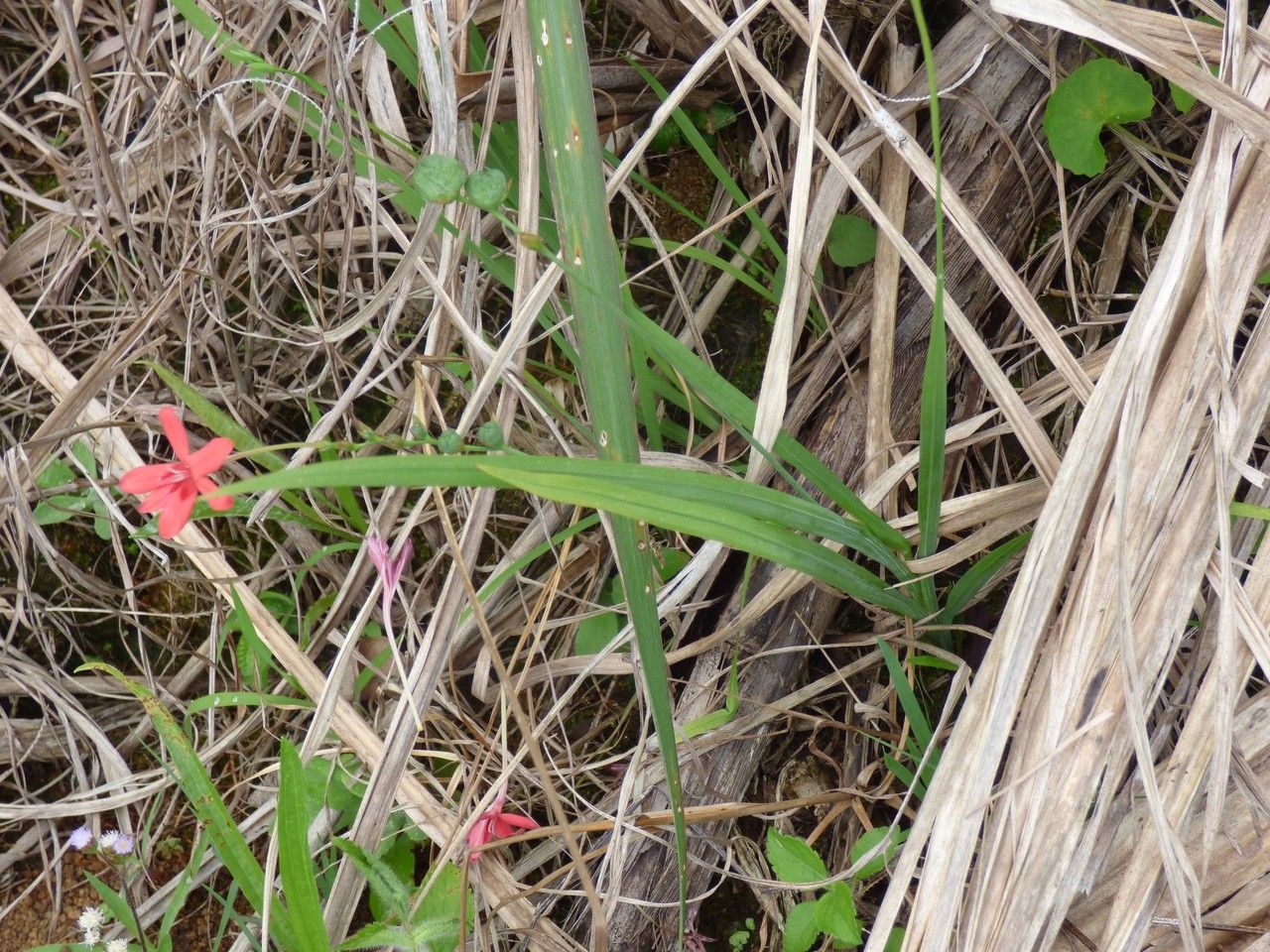
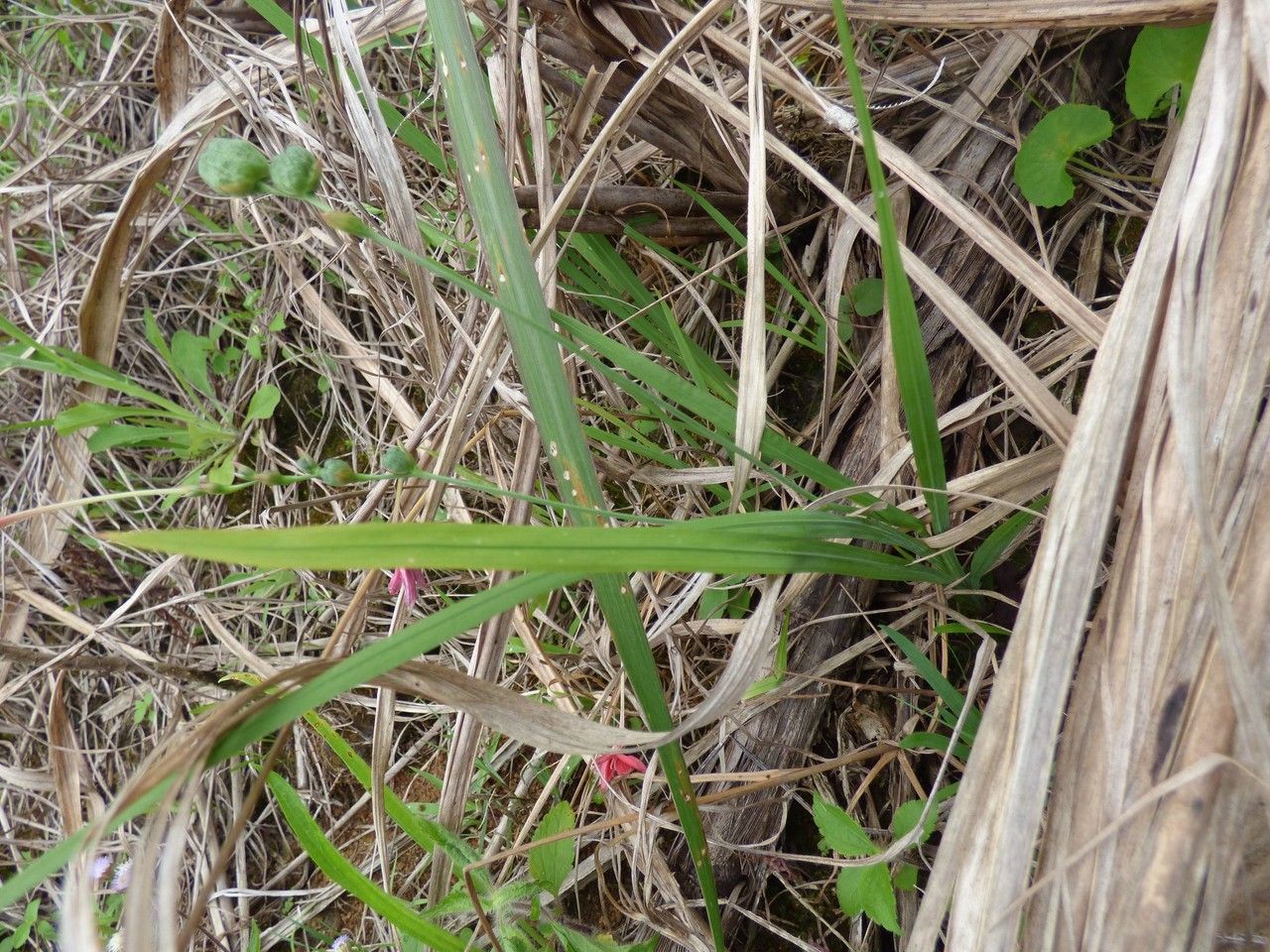
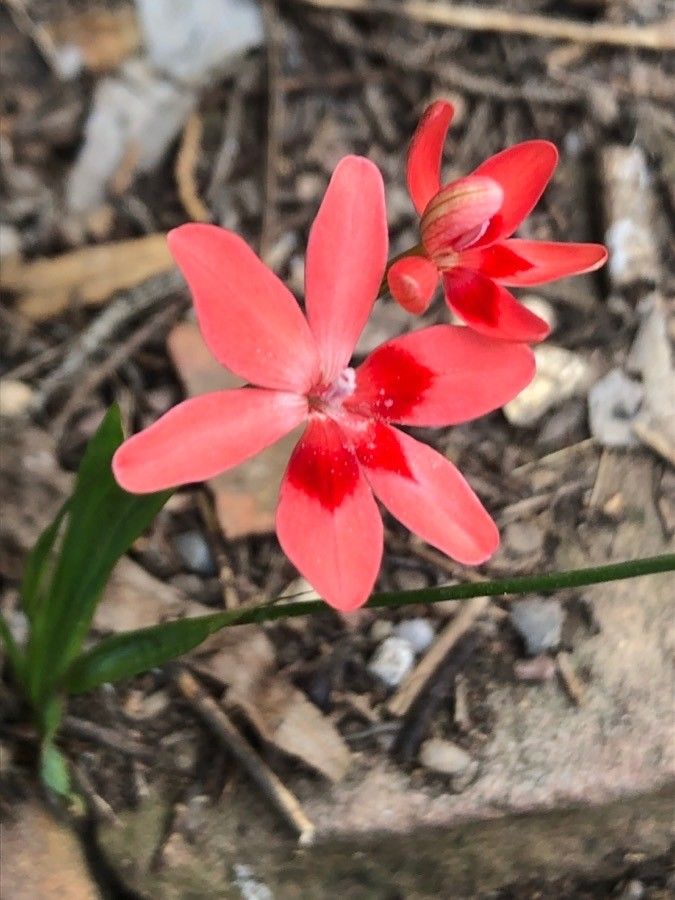
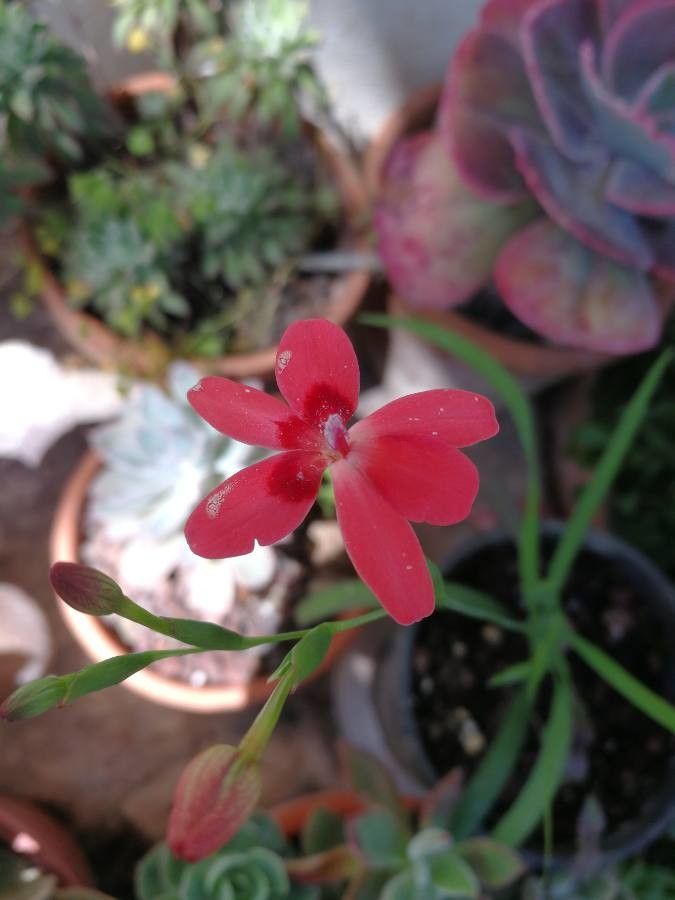
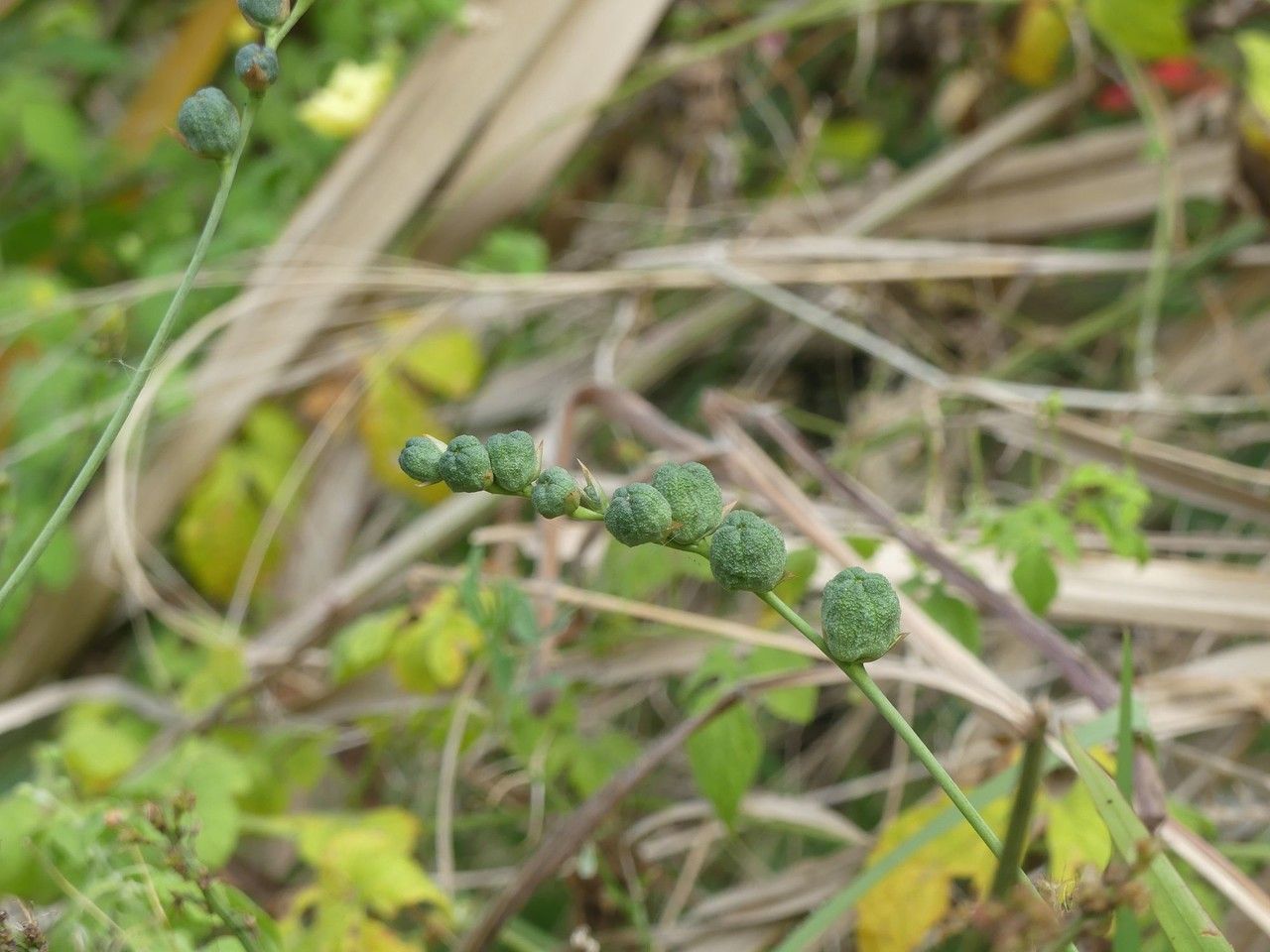
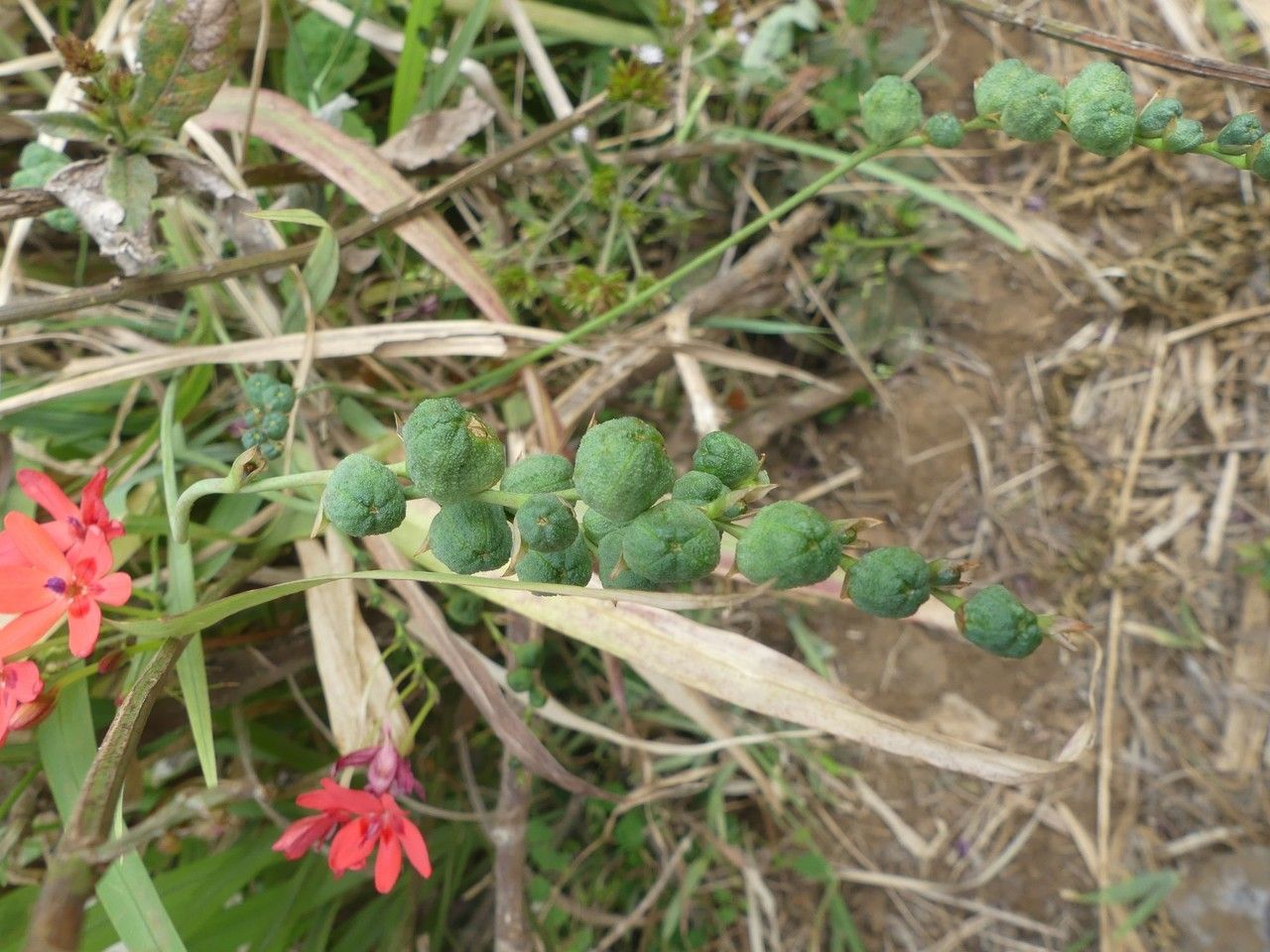
Freesia laxa, commonly known as flowering grass, is a small species of cormous flowering plant in the family Iridaceae, from eastern and southern Africa, from Kenya to northeastern South Africa. It is grown in gardens as an ornamental plant.
Flowering grass has strong resistance to disease and is generally unlikely to suffer from illnesses. However, it can be vulnerable to pests and diseases present in its surroundings. These infections are usually mild. In terms of care, this plant requires moderate maintenance. It should be pruned regularly to keep a tidy appearance and support healthy growth. Fertilizing can also help encourage flowering. Flowering grass is suitable for anyone with outdoor space, such as a garden or patio, and does not demand much prior experience in plant care. It may need more attention when grown indoors.
How to keep Anomatheca Laxa.
Light
Flowering grass does best when it gets plenty of sunlight, which promotes its growth and overall health. It can also tolerate conditions with less light. Too much sun can damage it, causing leaves to wilt, while too little sun may prevent it from flowering. It originates from environments that receive abundant sunlight.
Temperature
Flowering grass is native to environments with temperatures ranging from 59 to 95 °F (15 to 35 ℃). It prefers moderate warmth, especially once established. In changing seasons or during temperature extremes, consider relocating the plant to keep it within this preferred temperature range.
Fertilizer
The best time to fertilize Flowering grass is in early spring, as it comes out of dormancy and begins active growth. Fertilizing supplies essential nutrients for healthy development. Although Flowering grass has relatively low fertilizer needs, applying fertilizer once a year can improve its survival and encourage better, longer-lasting flowers.
Botanical profile.
- Plant Type
- Herb
- Life Cycle
- Perennial
- Genus
- Anomatheca
- Family
- Iridaceae
- Hardiness Zone
- 8-10
- Mature Height
- 15 cm to 34 cm
- Mature Spread
- 20 cm
- Leaf Color
- Green
- Leaf Type
- Deciduous
- Flower Color
- Red, Pink, White
- Flower Size
- 2.03 cm
- Bloom Time
- Mid spring, Late spring
- Planting Time
- Spring, Summer, Autumn, Winter
- Harvest Time
- Early summer, Mid summer
Other names.