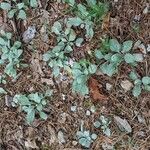
Antennaria plantaginifolia
Plantain-Leaved Pussytoes · Pussytoes · Woman's tobacco · Ladies Tobacco · Plantain-leaf Pussy-toes
Description
Source: leafsnapAntennaria plantaginifolia (known by the common names plantain leaf pussytoes and woman's tobacco) is a perennial forb native to the eastern North America, that produces cream colored composite flowers in spring.
🎭 Restoration, Cleansing
Care Guide
💧 Water Every week
Plantain pussytoes thrives in environments with moderate water levels and requires weekly watering to promote healthy growth. It prefers climates with balanced rainfall and needs well-drained soil to prevent root waterlogging. This outdoor plant adapts best to conditions that avoid extreme humidity or drought.
What should I do if I give too much or too little water to my Plantain pussytoes?
Overwatering is a more common problem for Plantain pussytoes compared to underwatering. When the plant gets too much water, the stems and leaves may wilt and turn yellow. Over time, this can lead to diseases like root rot, mold, and mildew, which can be fatal to the plant. While Plantain pussytoes are fairly drought tolerant, underwatering is still possible. In such cases, the leaves may become brittle and brown. It is important to recognize the signs of overwatering early on, as some diseases may not be fixable if left untreated for too long. If you notice these signs, reduce your watering schedule immediately and check the soil's drainage. If the soil drains poorly, replace it with a loose, well-draining potting mix. Conversely, if you see signs of underwatering, simply water more regularly until the signs improve.
How frequently should I water my Plantain pussytoes?
If your Plantain pussytoes is in a pot, the most precise way to determine if it needs water is to check the soil with your finger. If the top two to three inches of soil are dry, it's time to water. If you have the plant outdoors in the ground, you can use the same method. Again, when the first few inches of soil are dry, it's time to water. During spring and early fall, watering once a week is usually sufficient. However, during extremely hot weather, you may need to water twice or more per week. It's worth noting that mature, well-established Plantain pussytoes can survive drought conditions admirably.
How much water does my Plantain pussytoes plant require?
When watering your Plantain pussytoes, don't be afraid to give it a generous amount of water. Make sure the top two to three inches of soil are dry before watering, and then thoroughly soak the soil. You want to add enough water that it flows out of the drainage holes at the bottom of the pot. If you don't see excess water draining, you may not have watered enough. However, be careful not to let the water accumulate in the soil, as this can harm the plant. On the other hand, if water doesn't drain properly from the pot, you may have poorly draining soil, which is not good for the plant's health. If the plant is outside, it should receive about 1 inch of rain per week.
How do I water my Plantain pussytoes as they grow?
The water needs of the Plantain pussytoes can vary depending on different growth stages. In the first few years or after being transplanted, it requires more water than usual. During these stages, the plant focuses its energy on developing new roots, which need extra moisture for optimal growth. However, as the plant matures, its water requirements decrease. Another growth stage that requires additional watering is the bloom period, when flower development requires a significant amount of moisture.
How often should I water my Plantain pussytoes in different seasons?
The Plantain pussytoes plant has different water needs depending on the season. During the hottest months of the year, like the peak of summer, it will require more water. You might have to water it more than once a week, depending on how quickly the soil dries out. On the other hand, during winter, the plant goes into a dormant phase and needs significantly less water. In fact, you may not need to water it at all during winter. However, if you do decide to water it, you should only do so about once a month. Overwatering during this time can increase the risk of disease for the Plantain pussytoes plant.
☀️ Light Full sun
Plantain pussytoes does best with unobstructed sunlight but can tolerate moderate shade. Native to regions where clear sun exposure is common, it may experience stunted growth if it receives too little light. Conversely, too much sunlight can also cause its health to decline.
What are the sunlight requirements for Plantain pussytoes?
Plantain pussytoes requires full sun, meaning it needs above 6 hours of sunlight daily, but it can also tolerate partial sun, which is about 3-6 hours of sunlight. It's essential to observe how sunlight moves through your garden to find the perfect balance of light and shade, ensuring the plants' well-being. Originating from areas with clear solar exposure, Plantain pussytoes' growth may decline if exposed to inadequate sunshine or an overabundance of it.
How can artificial lighting benefit indoor Plantain pussytoes?
Indoor Plantain pussytoes benefit significantly from artificial lighting, especially when natural sunlight is insufficient. Artificial lights, such as LED, which can be customized to provide specific wavelengths, promote faster and healthier growth. Full sun plants require 30-50W/sq ft of artificial light, partial sun plants need 20-30W/sq ft, and full shade plants need 10-20W/sq ft. The light source should be placed 12-36 inches above the plant, mimicking natural sunlight for 8-12 hours per day, depending on the species.
What are the symptoms of inadequate sunlight for Plantain pussytoes?
Inadequate sunlight leads to several symptoms in Plantain pussytoes, such as smaller new leaves, leggy or sparse growth, faster leaf drop, slower or no growth, paler new leaves indicating a lack of chlorophyll, chlorosis (leaves turning yellow), sunscald, leaf curling as a defense to minimize water loss, wilting from excessive water loss, and leaf scorching. These symptoms indicate that the plant needs more sunlight or is receiving too much.
What are some solutions for Plantain pussytoes facing sunlight-related issues?
For sunlight-related issues, gradually moving Plantain pussytoes to sunnier locations can help, ensuring at least 6 hours of direct sunlight daily. Using artificial light is advisable for indoor plants that are large or difficult to move. Outdoors, avoid sudden changes in sunlight exposure to prevent sunburn. Pruning or transplanting can reduce obstructions to sunlight. Remember, parts of the plant affected by insufficient light may not recover, but new growth should be healthy once light conditions improve.
🌡️ Temperature 10–35°C
Plantain pussytoes can tolerate a wide range of temperatures, but its distribution may still be restricted by different combinations of moisture and heat. It performs best in warm summer conditions with sufficient rainfall or irrigation. Extended periods of cloudy, rainy weather or prolonged high temperatures can increase the risk of Plantain pussytoes dying. In winter, protecting the plant from cold can help improve its survival rate.
💨 Humidity
🪴 Soil 6-7
🌱 Fertilizer
Usually one fertilizer application in spring is enough for Plantain pussytoes, though multiple feedings can boost growth. Apply fertilizer about once every month to a month and a half. Fertilizing improves the leaves' appearance and function, helping maintain even color and a healthy texture. It also encourages root development and better nutrient uptake, supporting the plant's long-term health.
Why is it important to fertilize my plantain pussytoes?
The main structure of the Plantain pussytoes is made up of its leaves. Fertilizing the plant is an effective way to ensure the leaves maintain a great appearance and functionality. Proper fertilization not only enhances leaf color and texture, but also promotes the growth of new roots and sustains existing ones. This means that fertilization not only keeps the plant healthy presently, but also improves its ability to absorb nutrients from the soil in the future.
When should I put fertilizer on my Plantain pussytoes?
If you grow your Plantain pussytoes outdoors, each year it will produce new growth in early spring. This is a signal that it's time to start fertilizing for the year. Usually, one application of fertilizer in spring is sufficient. However, if you want to maximize growth, you can feed it multiple times throughout spring and early summer. In this case, you can fertilize your Plantain pussytoes approximately once every month to a month and a half.
When should I not add fertilizer to my Plantain pussytoes?
During the late fall and winter, your Plantain pussytoes will go into a dormant phase where it won't grow anymore. To take care of it during this time, don't fertilize it. In the spring and summer, if you choose to fertilize, start decreasing the amount as summer approaches because the plant's growth will slow down. Overall, it's not a good idea to fertilize when the weather is unusually hot or the soil is very dry. Fertilizing in these conditions can harm your Plantain pussytoes and cause it to die early.
What kind of fertilizer does my Plantain pussytoes require?
Choosing the best fertilizer for a Plantain pussytoes is easy. These plants thrive on a general-purpose garden fertilizer with equal amounts of nitrogen, phosphorus, and potassium, such as a 10-10-10 ratio. Avoid fertilizers high in nitrogen. Granular slow-release fertilizers are best, and organic soil amendments like compost can also be helpful.
How can I fertilize my Plantain pussytoes plant?
To ensure healthy growth of your Plantain pussytoes, follow these steps. In early spring, wait until you see the first leaves poking through the soil's surface. At this point, apply a granular slow-release fertilizer with a balanced formula to the soil surrounding the base of your plant. Later in the season, you can repeat this process if desired. When applying fertilizer, remember to focus on the soil at the base of the plant rather than directly on the plant itself. Sometimes, you may need to move leaves aside to access the soil near the roots. Additionally, it's a good idea to water your Plantain pussytoes before and after feeding it.
🪴 Pot & Repot
✂️ Pruning
Plantain pussytoes benefits from pruning in early to late spring, which helps remove winter damage and encourages new growth. Lightly trimming spent blooms and removing dead foliage enhances the plant's appearance and maintains good air circulation, reducing the risk of pests and promoting vibrant blooms. However, be careful not to over-prune, as this can stress the plant.
🌿 Propagating
🐛 Diseases & pets
☠️ Toxicity
Characteristics
- Plant Type
- Herb
- Life Cycle
- Perennial
- Genus
- Antennaria
- Family
- Asteraceae
- Hardiness Zone
- 3
- Mature Height
- 15 cm to 30 cm
- Mature Spread
- 30 cm to 61 cm
- Leaf Color
- Green, Gray, Silver
- Leaf Type
- Evergreen
- Flower Color
- White, Pink
- Flower Size
- 2.54 cm to 5.08 cm
- Bloom Time
- Mid spring, Late spring, Early summer
- Planting Time
- Spring
- Harvest Time
- Early summer, Mid summer