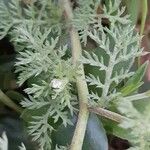
Anthemis arvensis
بابونه صحرایی · بابونه · Χαμομήλι · Field chamomile · Corn chamomile
Description
Source: leafsnapAnthemis arvensis, commonly known as corn chamomile or field chamomile, is a flowering plant in the Asteraceae family. This annual herb can grow up to 60 cm tall and features a branched stem with feathery leaves. The plant produces small white or yellow flowers with yellow centers that bloom from June to September. Native to Europe and Asia, corn chamomile has also been introduced to other parts of the world, including North America. It typically grows in fields, meadows, waste areas, and along roadsides. For centuries, corn chamomile has been valued for its medicinal properties, particularly its anti-inflammatory effects. Traditionally, it has been used to treat digestive issues such as bloating and indigestion. Additionally, the flowers were applied topically to wounds and skin irritations. Beyond its medicinal uses, corn chamomile is also cultivated as an ornamental plant due to its attractive flowers, which are often included in floral arrangements. Overall, Anthemis arvensis is a versatile herb with both medicinal and ornamental applications, and it continues to grow wild throughout much of Europe and Asia.
Care Guide
💧 Water Every 3 days
Corn chamomile, an annual herb, originates from temperate regions where it prefers moderate soil moisture. To keep the plant hydrated without causing waterlogging, it's best to water it once a week. During its growing season, corn chamomile thrives outdoors but requires careful watering as it establishes itself and starts to bloom.
How should I water my Corn chamomile in the best way?
When it comes to watering Corn chamomile, you have a few options. You can use a garden hose with a spray nozzle, a watering can, or any other common watering tool. The good news is that Corn chamomile is not too particular about the type of water it receives - it can thrive on rainwater, tap water, or filtered water. However, it's best to avoid watering this plant from above as it can harm the leaves and flowers and potentially cause diseases. A drip irrigation system is often the most effective method for watering Corn chamomile as it provides even and direct water to the soil. If you have a container-grown Corn chamomile, you can use a cup, watering can, or your tap to water the plant directly in the soil.
What should I do if I give my Corn chamomile too much or too little water?
To avoid underwatering Corn chamomile, simply water it more regularly when you notice it lacks moisture. However, overwatering can be a serious problem that may go unnoticed. Overwatered plants are at risk of developing diseases, leading to decline and death. To prevent this, choose a growing location with ample sunlight to dry the soil and good drainage to avoid waterlogged conditions. If you overwater a potted Corn chamomile, consider transferring it to a new pot with better drainage and loose soil.
How often do I need to water my Corn chamomile?
To keep your Corn chamomile healthy, it's important to water it regularly. In the spring, watering about once per week should be sufficient. However, as the season progresses and temperatures rise, you may need to water two to three times per week. It's important not to overwater, as this can harm the plant. The soil should be consistently moist but not wet. If your Corn chamomile is in a pot, you'll have to water it more frequently compared to if it were planted in the ground. This is because the soil in a pot can dry out faster due to the heat. Generally, watering a potted Corn chamomile a few times per week is recommended, while an in-ground plant only needs watering once per week.
How much water does my Corn chamomile plant require?
There are multiple ways to decide how much water to give your Corn chamomile. Some gardeners prefer to assess the soil moisture by feeling it. If you follow this approach, you should water until the first six inches of soil feel moist. Another option is to use a specific measurement for watering, such as about two gallons per week, adjusting based on temperature and soil dryness. However, this method may overwater the plant if it requires less water. If you are growing Corn chamomile in a container, the watering technique is different. You should water enough to moisten all the dry layers of soil, which can be tested by inserting your finger into the soil to check for moisture. Another indicator is if you see a slight trickle of excess water draining from the pot's holes.
How do I know if I am giving enough water to my Corn chamomile?
Corn chamomile can be tricky to water properly. While they have deep roots that need regular watering, they are also prone to root rot if overwatered. Overwatering can cause browning and other issues. Underwatering is less of a concern as Corn chamomile can survive without much water. However, if they go too long without water, they will wilt and you may see dry leaves.
☀️ Light Full sun
Corn chamomile prospers in areas with constant sunlight, reflecting its original growing habitat. The plant does well under these light conditions, which support its growth and flowering. Too much or too little sun can negatively affect its health and vigor.
What are the sunlight requirements for Corn Chamomile?
Corn Chamomile, botanically known as Anthemis arvensis, requires full sun conditions to thrive, meaning it needs above 6 hours of sunlight daily. It's important to observe the movement of sunlight through your garden to pick spots that ensure a good balance of light and shade, creating an ideal environment for your plants. Corn Chamomile flourishes in uninterrupted sunlight, reminiscent of its natural habitat, which is essential for its growth and bloom. Both insufficient and excessive exposure to sunlight can negatively impact the plant's health and vitality.
How can artificial lighting support indoor Corn Chamomile growth?
For indoor Corn Chamomile plants, when natural sunlight is insufficient, artificial lighting becomes crucial for optimal growth. LED lights are recommended due to their customization options to match specific plant needs. The right amount of artificial light depends on the plant's sunlight needs: 30-50W/sq ft for full sun plants, 20-30W/sq ft for partial sun plants, and 10-20W/sq ft for full shade plants. Lights should be positioned 12-36 inches above the plant to mimic natural light levels, ensuring plants receive 8-12 hours of light daily to foster healthier and faster growth.
What are the symptoms of inadequate lighting on Corn Chamomile?
Corn Chamomile demonstrates various symptoms when exposed to inadequate light, including smaller new leaves, leggy or sparse growth, faster leaf drop, slower or halted growth, lighter-colored new leaves, chlorosis (leaves turning yellow), sunscald, leaf curling, wilting, and leaf scorching. These symptoms indicate either a lack of sufficient sunlight or exposure to excessive sunlight, affecting the plant's ability to perform photosynthesis efficiently and maintain its overall health.
What solutions are recommended for Corn Chamomile suffering from light-related issues?
To mitigate light-related issues in Corn Chamomile, gradual adaptation to sunlight is key. For indoors, gradually moving the plant to sunnier locations or using artificial lights like grow lights can help achieve the required 6 hours of sunlight. Outdoor plants should also be moved gradually to prevent sunburn. Removing obstructions or transplanting to ensure unblocked sunlight access can benefit outdoor and ground-planted chamomiles. However, note that parts of the plant that have been significantly affected by poor lighting may not recover, but new growth should be healthy with proper light exposure.
🌡️ Temperature 5–32.2°C
Corn chamomile originates from temperate environments and usually thrives at temperatures of 68 to 95 °F (20 to 35 ℃). It favors warm conditions, so its surroundings may need adjusting in cooler months to replicate those temperatures.
What is the ideal temperature range for corn chamomile to flourish?
Corn chamomile, scientifically known as Anthemis arvensis, thrives in moderate environments with its ideal temperature range being between 68 to 95 °F (20 to 35 °C). It prefers warm conditions and may require environmental adjustments during cooler months to maintain these preferable conditions.
Does corn chamomile need frost protection during winter?
Corn chamomile has strong cold resistance and usually does not require special frost protection. However, in extremely cold conditions where winter temperatures are expected to drop below -30°C, it is important to protect the plant. This can be done by covering it with soil or straw. Additionally, watering the plant abundantly before the first freeze in autumn helps keep the soil moist and prevents drought and water scarcity during winter and early spring.
How does corn chamomile react to temperatures below 0°C?
Corn chamomile is cold-tolerant, thriving best when temperatures remain above 20°C but should be kept above 0°C during winter. If temperatures fall below -30°C, while there might not be any noticeable changes during winter, the plant may experience a decrease in sprouting or fail to sprout at all during springtime.
What solutions are recommended for corn chamomile that fails to sprout in spring?
For corn chamomile plants that have failed to sprout in spring, possibly due to experiencing temperatures below -30°C, the recommendation is to remove any parts of the plant that have not sprouted. This helps manage the plant's health and encourages new growth.
How should corn chamomile be cared for in high temperatures?
During the summer, when temperatures exceed the ideal range for corn chamomile and potentially reach above 35°C, the plant’s leaves may become lighter, prone to curling, susceptible to sunburn, and in severe cases, the plant may wilt and dry out. The suggested care includes trimming away sunburned and dried-up parts, moving the plant to a shaded location, or using a shade cloth to protect it from midday and afternoon sun. Additionally, watering the plant in the morning and evening to keep the soil moist is beneficial.
💨 Humidity
🪴 Soil 6-7
🌱 Fertilizer
When Corn chamomile has opened most of its flowers to full size, resume fertilizing. Around the time the blooms reach peak production, apply fertilizer once every three to four weeks, as weather permits. Then, when Corn chamomile begins producing fewer new blooms, stop fertilizing; there's no need to feed the plant when it can no longer produce more blooms.
Why should I put fertilizer on my Corn chamomile?
Plants, including Corn chamomile, require nutrients to survive. Most gardeners, regardless of experience, understand this. Without the right nutrients, Corn chamomile will die out shortly after the first pollination. To ensure its continued growth and the production of large, beautiful flowers, it is crucial to provide the appropriate nutrients in the correct quantities. Fertilizer plays a significant role in helping Corn chamomile develop a healthy and robust root system. This is important because the plant's root system is thin and delicate, making it susceptible to damage. By fertilizing at the time of planting, Corn chamomile can establish a strong root structure that not only provides stability but also sets the stage for an impressive flowering display. Additionally, strategic timing of fertilization can significantly extend the duration of Corn chamomile's blooming period.
When should I fertilize my Corn chamomile plant?
Corn chamomile experiences rapid growth early in the growing season, but it should only be fertilized during planting. This first round of fertilizer is crucial and should be applied when the plant is first planted, regardless of whether it's in the ground or in planters. After this initial fertilization, no more fertilizer is needed until later in the year when the blooms are in full bloom. Once the season is in full swing and most of the Corn chamomile blooms have reached their full size, it's time to resume fertilizing. This should be done once every three to four weeks, as weather permits, until the blooms are at their peak output. When the plant starts producing fewer new blooms, stop fertilizing as there is no need to continue when the plant can no longer produce any more blooms.
When is the best time to not fertilize my Corn chamomile?
Regular fertilizing is important for Corn chamomile, but it's crucial to apply it at the right time. Sometimes, it's necessary to hold back on fertilizer due to climate conditions or other controllable factors. When there are issues with the plant, the soil, or the climate, it's best to wait until things have improved and the plant has recovered before fertilizing. For example, if there are sudden severe weather changes like a cold snap in the middle of summer, it's wise to wait for warmer weather to resume fertilizing. Similarly, if the soil is too dry or compacted to absorb anything, fertilizing at that point would result in the fertilizer going straight to the roots instead of being diffused through the soil. In such situations, the roots of Corn chamomile would not benefit. Additionally, during extremely hot temperatures, particularly in the 90-degree Fahrenheit range, fertilizer should not be applied as high temperatures can break it down too quickly. It's also advisable to address any pest or disease issues and resolve them before re-fertilizing.
What kind of fertilizer should I use for my Corn chamomile?
Most types of Corn chamomile require a balanced fertilizer with specific nutrients for high-yield blooming. Ideally, choose a fertilizer with a higher phosphorus level, indicated by a higher P number in its NPK number, such as 10-30-10. Many fertilizer brands offer options suitable for blooming plants like Corn chamomile, which provide the necessary nutrients easily and without hassle. If you opt for a pre-mixed fertilizer, be sure to follow the instructions on the package to avoid over or under fertilizing the Corn chamomile, as both scenarios can hinder its growth or cause it to wilt.
How should I fertilize my Corn chamomile?
Specific fertilizing instructions for Corn chamomile may vary depending on the type of fertilizer you have. However, here are some general tips for applying most types of fertilizer. When you first plant Corn chamomile, the initial fertilizer application should involve mixing the recommended amount of fertilizer into the soil before planting. Afterward, water in the Corn chamomile. For pellet fertilizers, simply mix the pellets into the top inch of soil around the outer edge of the plant, where the roots are. Make sure to water them in well initially, and then water regularly afterward. If you have other types of fertilizers, you can mix them into a watering can and apply them like a regular watering. Follow any instructions on the fertilizer packaging for consistency. Alternatively, you can aim to fertilize every three to four weeks to maintain a regular schedule.
🪴 Pot & Repot
✂️ Pruning
Corn chamomile is an annual herb with flowers that resemble daisies. To encourage growth and blooming, prune the plant in the spring and remove any dead stems to improve airflow. Cutting the plant back after it has flowered can prompt a second blooming cycle. Regularly deadhead the flowers to maintain an attractive appearance and prevent self-seeding, which helps promote healthier plants.
🌿 Propagating
🐛 Diseases & pets
☠️ Toxicity
Characteristics
- Plant Type
- Herb
- Life Cycle
- Annual, Biennial, Perennial
- Genus
- Anthemis
- Family
- Asteraceae
- Hardiness Zone
- 4-8
- Mature Height
- 30 cm
- Mature Spread
- 30 cm
- Leaf Color
- Green
- Leaf Type
- Deciduous
- Flower Color
- White, Yellow
- Flower Size
- 2.03 cm to 4.06 cm
- Bloom Time
- Mid spring, Late spring, Early summer, Mid summer
- Planting Time
- Spring, Summer
- Harvest Time
- Summer, Early fall