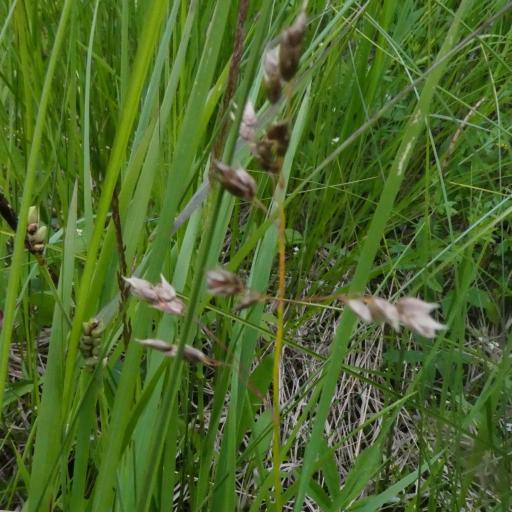
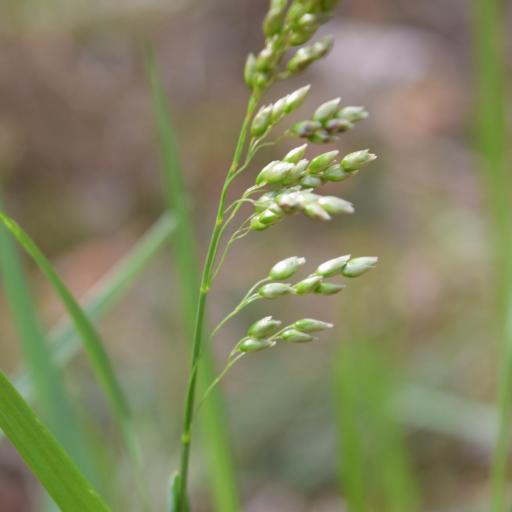
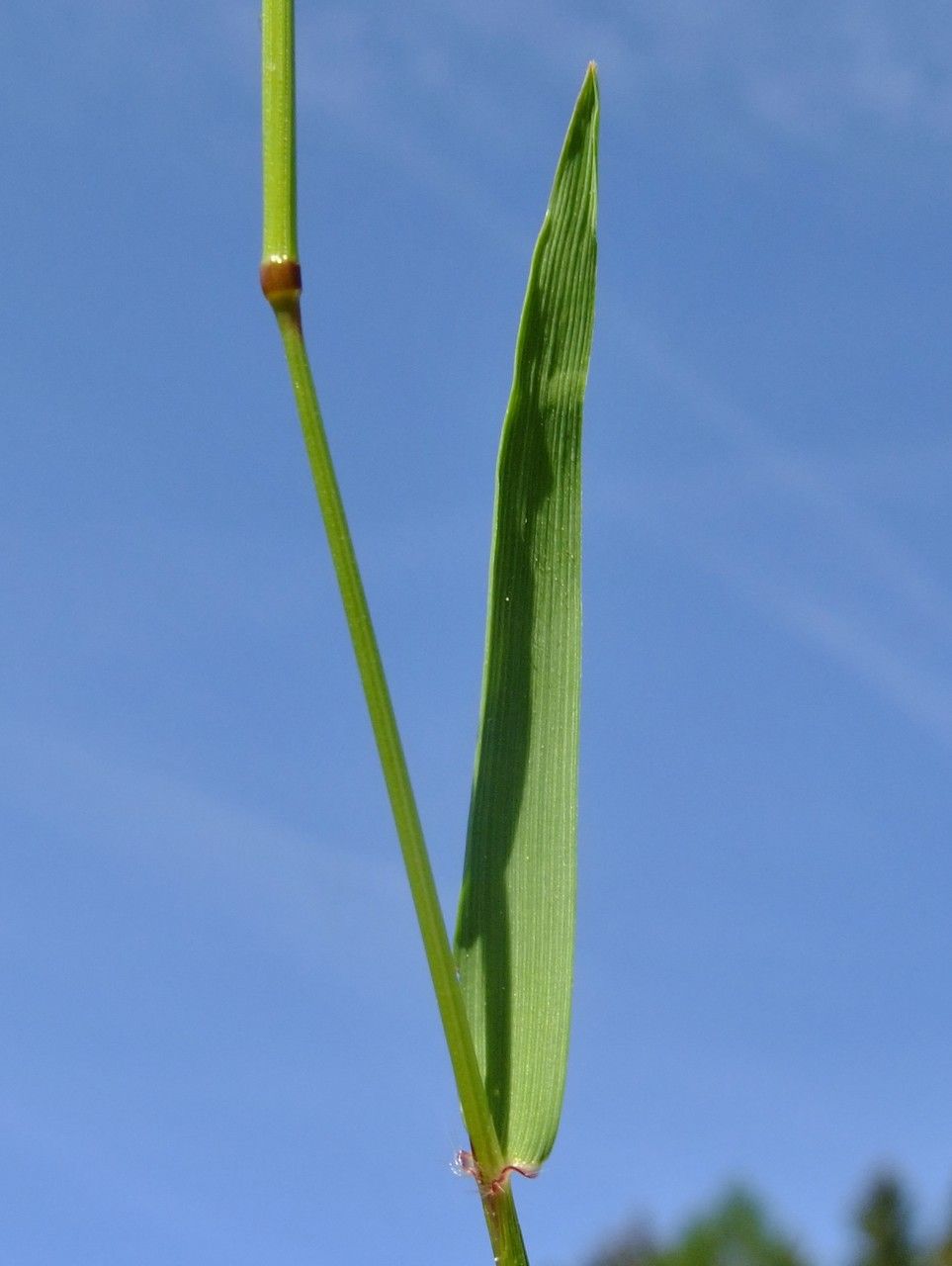
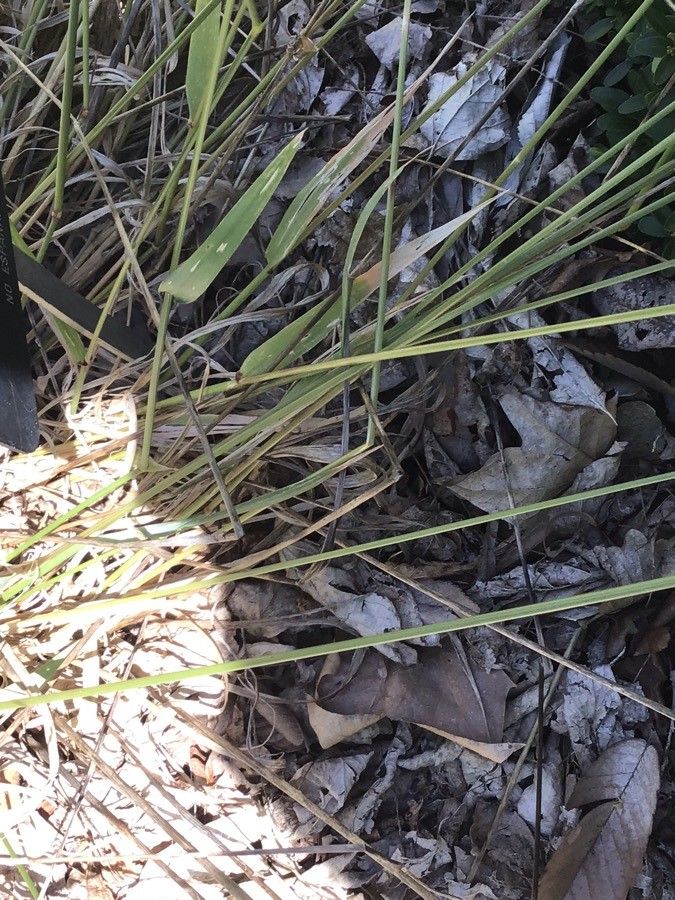
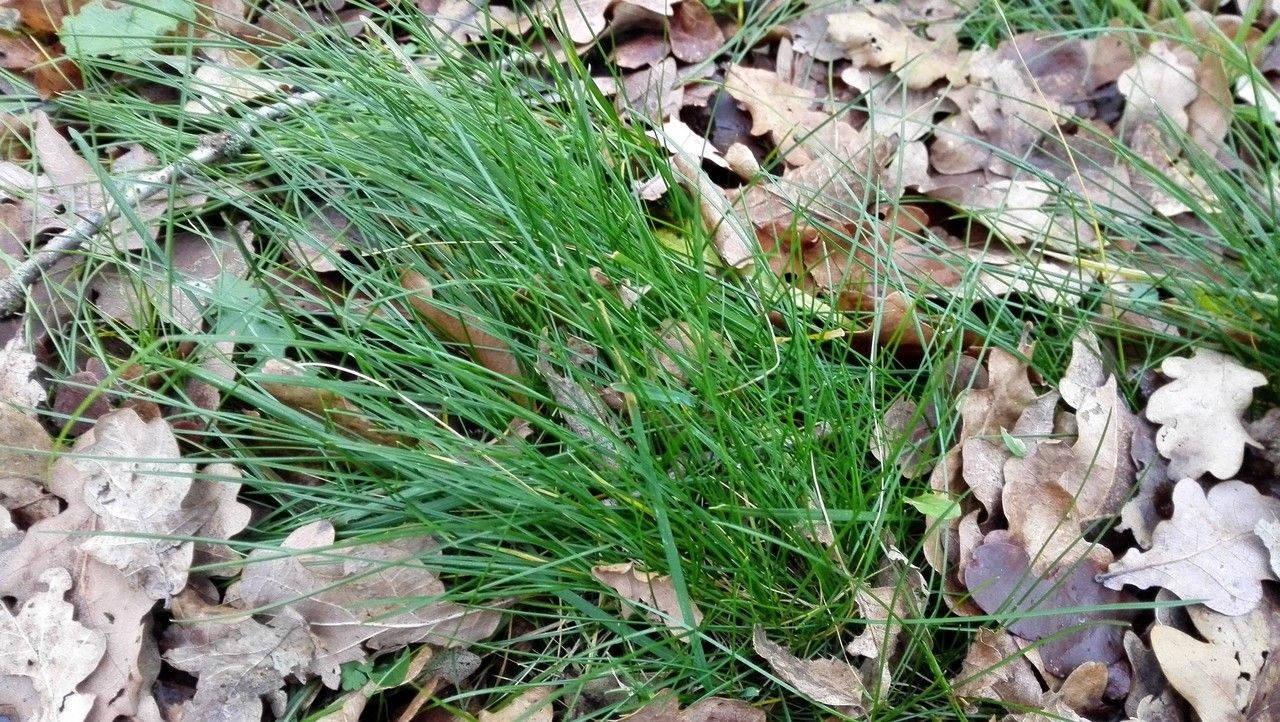
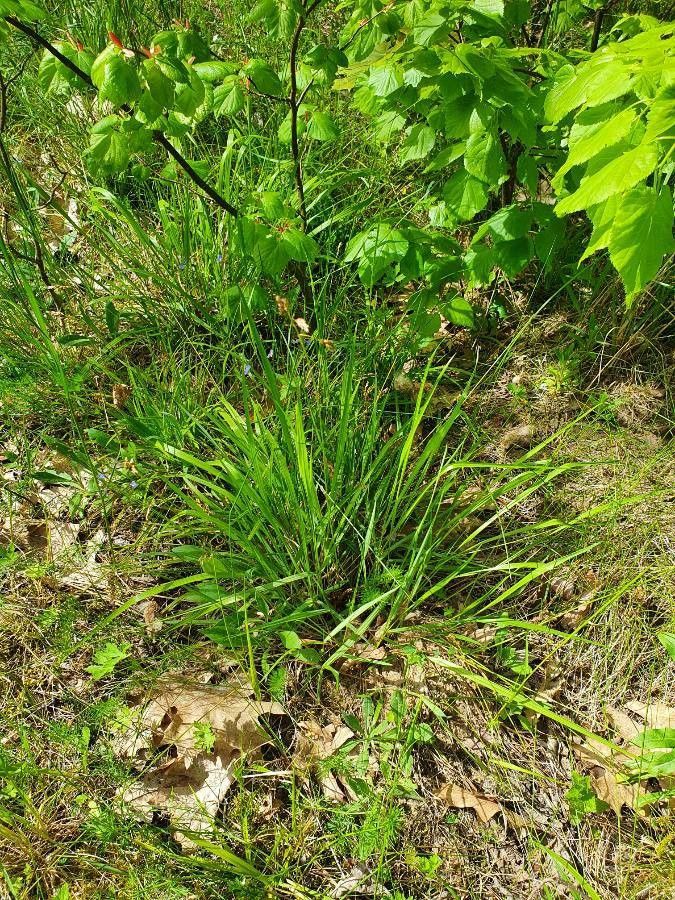
Hierochloe odorata or Anthoxanthum nitens (commonly known as sweet grass, manna grass, Mary’s grass or vanilla grass, and as holy grass in the UK, bison grass e.g. by Polish vodka producers) is an aromatic herb native to northern Eurasia and North America. It is a sacred grass of the indigenous peoples of Canada and the United States. It is used as a smudge, in herbal medicine and in the production of distilled beverages (e.g., Żubrówka, Wisent). It owes its distinctive sweet scent to the presence of coumarin. This variety of grass is different from the species commonly known as Buffalo Grass (Stenotaphrum secundatum) in Australia.
Sweetgrass demonstrates strong disease resistance and is generally not susceptible to illnesses. With regard to care, this plant is fairly low-maintenance. When grown outdoors it needs only light watering, and larger plants typically do not require pruning. Smaller plants, however, should be pruned after they finish blooming. Sweetgrasst is appropriate for anyone who has an outdoor area, such as a garden or deck, and it does not demand a great deal of care experience.
How to keep Anthoxanthum Nitens.
Light
Sweetgrass prefers locations that get sunlight for most of the day. It can also tolerate spots where light is intermittent during the day. The strength and duration of sun exposure strongly affect its health and growth. Too much or too little sun can hinder its development.
Water
Sweetgrass originates from moist meadows and woodlands and thrives best with consistent moisture, including regular weekly watering. Although it can tolerate short periods of dryness, it particularly flourishes outdoors where it can take advantage of natural rainfall. Its strong root system allows it to use water efficiently during growth, making it adaptable to varying moisture conditions.
Temperature
Sweetgrass naturally occurs in habitats with temperatures between 41 and 95 °F (5 to 35 °C). It grows best in mild to warm conditions. When seasons become colder or hotter, modifying the temperature is necessary to keep sweetgrass healthy.
Fertilizer
Sweetgrass needs extra nutrients to encourage healthy new growth. In spring, applying compost around the plant's base will effectively supply the nutrition it requires. Fertilizing helps support vigorous growth and enables the plant to better resist diseases and pests.
Pruning
Sweetgrass is a slender plant with a pleasant sweet scent, and it requires very little pruning. To maintain its shape, simply trim it in early spring by cutting off any dead foliage above a node. This light maintenance encourages healthy growth and enhances its ornamental value, helping to keep sweetgrass lush throughout the growing season.
Botanical profile.
- Plant Type
- Grass
- Life Cycle
- Perennial
- Genus
- Anthoxanthum
- Family
- Poaceae
- Hardiness Zone
- 4-9
- Mature Height
- 40 cm to 91 cm
- Mature Spread
- 20 cm to 40 cm
- Leaf Color
- Green
- Leaf Type
- Semi-evergreen
- Flower Color
- Yellow, Green, Purple, Brown
- Flower Size
- 10.16 cm
- Bloom Time
- Mid spring, Late spring
- Planting Time
- Spring, Summer
- Harvest Time
- Early summer, Mid summer
Other names.