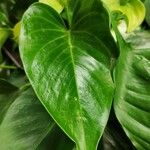
Anthurium andraeanum
اسپات صورتی · Flamingo-lily · Anthurium · Flamingo-flower · Oilcloth-flower
Description
Source: leafsnapAnthurium andraeanum, commonly known as the flamingo flower or painter's palette, is a tropical plant native to Colombia and Ecuador. It is a popular houseplant due to its striking appearance and long-lasting blossoms. The plant features glossy, heart-shaped leaves that can grow up to 20 inches long and 10 inches wide. The flowers are typically red or pink and are distinguished by a spike-like structure called a spadix that protrudes from their center. Anthurium andraeanum requires bright but indirect light and well-draining soil. The plant should be watered regularly, but care must be taken to avoid overwatering, as it can lead to root rot. Occasional misting of the leaves can provide added humidity, which the plant benefits from. With proper care, Anthurium andraeanum can bloom year-round indoors, making it an excellent choice for adding color and beauty to any home or office space.
💡 The flamingo flower is remarkable for its unique shape. Its vibrant green leaves cradle a fiery red bud, creating a striking contrast that draws the eye. A touch of yellow in the red adds the perfect finishing touch. This combination is undeniably a masterpiece of nature. Its distinctive beauty has won the admiration of many.
🌳 The Flamingo-lily's appeal extends beyond decoration; it produces the chemical 'Anthurquinone', which is important in skincare for encouraging youthful, glowing skin. Both the beauty and health industries make use of its properties. Its essential oil is also valued for aromatherapy, indicating uses in relaxation and wellness practices. In Filipino wedding ceremonies, it stands for enduring love and good fortune.
🎭 Strong ambition, eagerness, hospitality, joy, abundance
Care Guide
💧 Water Every 7 days
The flamingo flower flourishes in high humidity and needs regular moisture. Ideally, water it weekly to keep the soil moist without making it waterlogged. Being an evergreen plant, it maintains its lush foliage throughout the year. It is best grown indoors, where you can control environmental conditions for optimal growth.
When Should I Water My Flamingo Flower?
Watering your flamingo flower properly is crucial for its health. Before watering, check the soil's top inch for dryness; if it's dry, water the plant. The leaves should stay firm, which indicates sufficient water. A decrease in growth or a change in leaf color to dull or pale can also signal the need for watering. Be cautious not to water too early, which could cause root rot, or too late, which could stress the plant and lead to wilting.
How Should I Water My Flamingo Flower?
Flamingo flower has specific watering needs. Its tropical origin means it prefers high humidity and precise watering to avoid root rot. Bottom-watering is recommended; let the pot sit in water for 10-15 minutes, then remove once the topsoil is moist. Misting can also maintain humidity, but avoid overdoing it to prevent leaf diseases. Use tools like a moisture meter and a long-spouted watering can for precise watering, focusing on the soil near the base and avoiding the foliage.
How Much Water Does Flamingo Flower Really Need?
The amount of water needed by a flamingo flower depends on factors like pot size and plant size. Generally, water until the top inch of soil is moist, with 250-300 milliliters per session being recommended. Signs of proper hydration include glossy leaves and moist soil. Conversely, overwatering can lead to wilting leaves and root rot, while underwatering results in drooping leaves. To prevent issues, ensure the soil is slightly damp before watering and use filtered or distilled water to avoid chlorine.
What Kind of Water is Best for Flamingo Flower?
Flamingo flower thrives with distilled or rainwater due to their purity and balanced pH. Tap water is acceptable if filtered to remove harmful contaminants. The plant is sensitive to chlorine and fluoride, so allowing tap water to sit out for 24 hours before using it can reduce chlorine levels. For best results, use room temperature water to avoid shocking the plant.
How Do Flamingo Flower's Watering Needs Change with the Seasons?
Seasonal changes affect how you should water your flamingo flower. In spring, it enters a growth phase requiring more moisture, so water thoroughly until excess drains out. Summer may need increased watering due to higher temperatures. In autumn, reduce watering as growth slows, allowing the top soil to dry more between sessions. During winter, reduce watering significantly, maintaining only slight soil moisture, as the plant is dormant.
☀️ Light Full shade
The flamingo-lily does well in locations sheltered from intense sunlight. Originating in the dim understorey of tropical forests, the species can also tolerate stretches of milder sun. Excessive sunlight can burn its leaves, while too little light may hinder its growth.
What are the sunlight requirements for the Flamingo Flower?
The Flamingo Flower, or Anthurium andraeanum, thrives in environments that mimic its native tropical forest understorey, meaning it does well in full shade with less than 3 hours of sunlight or partial sun, receiving about 3-6 hours of sunlight. It's crucial to observe how sunlight moves through your garden to find spots that offer a balance of light and shade, perfectly suited to your plants' needs. Too much direct sun can scorch the plant's leaves, whereas insufficient light may hinder its growth.
How can artificial lighting benefit indoor plants like the Flamingo Flower?
Artificial lighting is essential for indoor plants, especially when they do not receive enough natural sunlight, like during winter or in less sunny spaces. LED lights are recommended since they can be customized to provide specific wavelengths needed by the plant. For optimal growth, full sun plants require 30-50W/sq ft of artificial light, partial sun plants need 20-30W/sq ft, and full shade plants need 10-20W/sq ft of light. The artificial light source should be placed 12-36 inches above the plant to mimic natural sunlight and left on for 8-12 hours per day to suit most plant species.
What are the symptoms of improper lighting in Flamingo Flowers?
While Flamingo Flowers can tolerate low-light conditions, insufficient sunlight might lead to symptoms such as leaves developing irregular color patterns or appearing pale, indicating a lack of chlorophyll and essential nutrients. Additionally, inadequate light may cause slower or halted growth, potential impacts on flowering and fruiting, and various symptoms of too much sun exposure like chlorosis, sunscald, leaf curling, wilting, and leaf scorching. These conditions reflect the plant's struggle with either too much or too little sunlight.
What solutions are recommended for Flamingo Flowers facing improper lighting?
To address lighting issues for both indoor and outdoor plants, gradual adjustments to light exposure are key. Indoors, move plants closer to windows or utilize desk, ceiling lamps, or professional grow lights for at least 8 hours daily. Outdoor plants should be moved gradually to sunnier locations to prevent sunburn, ideally making these changes weekly. Minimizing obstructions like overhanging branches can also improve sunlight access. For smaller plants, consider transplanting during the dormant period to a better-lit location with good drainage. Unfortunately, parts of the plant already damaged by poor light may not recover, but new growth will be healthy with improved light conditions.
🌡️ Temperature 20–37.8°C
The flamingo-lily plant originates from tropical regions and needs a warm environment, with temperatures between 68℉ (20℃) and 100℉ (38℃) to grow well. It prefers conditions around 75℉ (24℃) but can tolerate slightly cooler temperatures down to 60℉ (16℃). In summer, keep it away from direct sunlight and maintain a humid atmosphere to avoid temperature stress.
What is the ideal temperature range for Flamingo flower plants?
Flamingo flower plants thrive in warm environments, with their ideal temperature range being between 68°F (20°C) and 100°F (38°C). These plants prefer temperatures around 75°F (24°C) but can tolerate cooler temperatures down to 60°F (16°C) without harm. It's crucial to maintain these temperature requirements to ensure the health and growth of the plant.
How do you care for a Flamingo flower plant during summer and winter?
During summer, it's important to keep the Flamingo flower plant out of direct sunlight by providing it with a partially shaded area and maintaining a humid environment to prevent temperature stress. Conversely, in winter, the plant should be brought indoors if grown outside, placed near a bright window while kept away from direct heat sources like heaters to maintain beneficial growth temperatures. It’s advised to keep the plant in temperatures above 60°F (16°C) to prevent cold damage.
What should you do when a Flamingo flower plant is subjected to temperatures below its tolerance?
If the Flamingo flower plant experiences temperatures below its tolerance level, initiating cold stress indicated by lighter leaf color and potential browning or blackening from frost damage, it's important to trim off the frost-damaged areas immediately. Then, move the plant indoors to a warmer location, preferably near a south-facing window for sunlight, while ensuring it's not placed near heaters or air conditioning vents to avoid dry air.
How do you manage high temperatures for a Flamingo flower plant?
To manage high temperatures for a Flamingo flower plant, especially during summer when the plant should be kept below 100°F (38°C), it's essential to trim away any sunburned or dried parts of the plant. Relocating the plant to a shaded area during the hottest parts of the day and ensuring the soil remains moist through morning and evening watering are key steps to prevent damage from excessive heat.
💨 Humidity normal (40-60%)
This plant will thrive in moderate humidity, which is probably the level in your home. However, misting it a few times a week can be very beneficial. Make sure the room has good ventilation.
🪴 Soil 5-6
🌱 Fertilizer
Adequate fertilization is essential for Flamingo-lily's health and appearance. Fertilize the Flamingo-lily during summer, repeating the application monthly throughout the season. Nutrients fuel growth and help maintain the plant's components. Fertilization enhances Flamingo-lily's flower display, ensuring the best blooms.
🪴 Pot & Repot Once a year
Repot the Flamingo-lily in spring or summer when it's warm enough, choosing a slightly larger pot with good drainage. Water thoroughly after repotting, and place it in a bright spot with indirect light. Consider adding a moss pole to support the plant as it grows.
✂️ Pruning
The Flamingo flower is known for its glossy, heart-shaped leaves and vibrant blooms. To encourage new growth, it's best to prune the plant from late winter to early spring. Be sure to use clean tools to make precise cuts. Regular pruning helps maintain the plant's shape and improves air circulation, but be careful not to over-prune as this can cause stress to the plant.
🌿 Propagating
🐛 Diseases & pets
☠️ Toxicity
Characteristics
- Plant Type
- Herb
- Life Cycle
- Perennial
- Genus
- Anthurium
- Family
- Araceae
- Hardiness Zone
- 10-12
- Mature Height
- 30 cm to 61 cm
- Mature Spread
- 23 cm to 30 cm
- Leaf Color
- Green
- Leaf Type
- Evergreen
- Flower Color
- Red, Pink, White
- Flower Size
- 12.70 cm to 15.24 cm
- Bloom Time
- All year round
- Planting Time
- Spring, Summer, Autumn, Winter
- Harvest Time
- Late spring, Summer, Fall, Winter
- Native Area
- Colombia, Ecuador, Venezuela