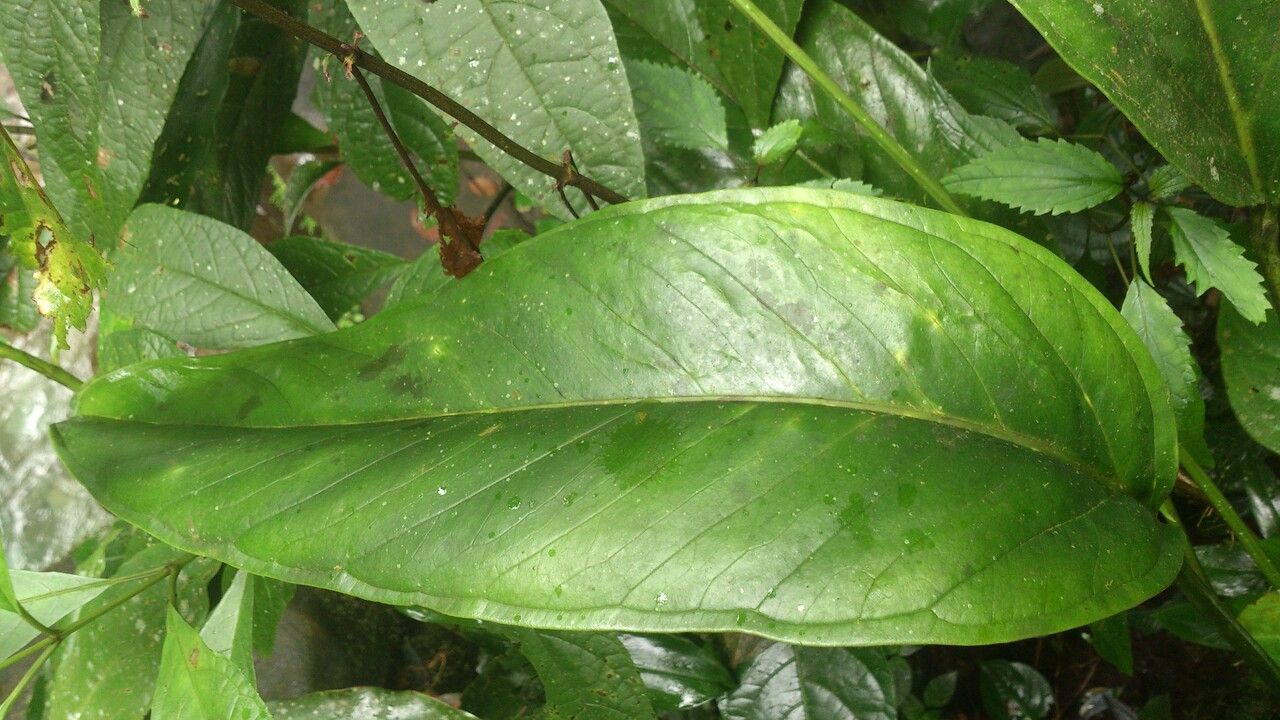
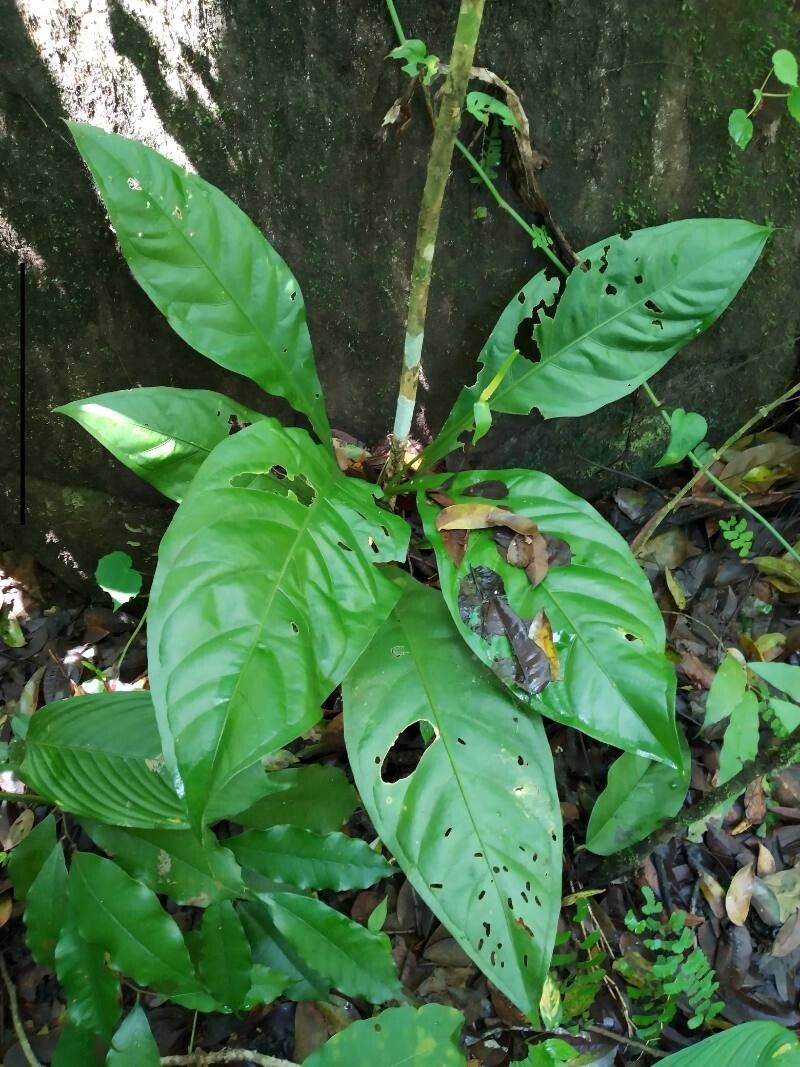
Anthurium durandii is generally resistant to disease and is typically not prone to illnesses. However, it can develop leaf spots if light and ventilation are poor and if watering is excessive. The care level for this plant is considered easy, since it only needs regular watering and little else. Anthurium durandii is well suited to people who don't have much time or energy to dedicate to regular care.
How to keep Anthurium Durandii.
Light
Anthurium durandii originates from environments like forest undergrowth or stony regions, which offer natural shadow. It favors partially sunny situations, although it has the capacity to acclimate to either complete sunlight or total shade, showing its adaptable and resilient character.
Temperature
Anthurium durandii is native to regions with a tropical climate, which is predominantly hot and moist. Consequently, it is highly acclimated to warm and humid conditions. The plant does not fare well with abrupt shifts in temperature, favoring a consistent climate instead. Therefore, it's crucial to shun temperature variations indoors. Generally, it has a low tolerance for cold and needs a more elevated temperature to thrive. The plant's growth could stop, or it might perish if the surrounding temperature falls excessively low.
Fertilizer
Anthurium durandii needs a substantial amount of fertilizer predominantly in spring, summer, and the beginning of autumn, when it experiences an active growth period. The purpose of fertilization is to supply crucial nutrients that might be deficient in the soil, encouraging robust development of roots and stems, as well as appealing leaves, an important characteristic of this specific plant.
Pot & Repot
During the warmer months of spring or summer, the Anthurium durandii should be repotted in a container that has ample drainage and is only marginally larger than its current one. After planting, it needs to be watered well, and then positioned in a location with plenty of diffused light. As the plant develops, it may be beneficial to include a moss pole for added support.
Botanical profile.
- Plant Type
- Herb
- Life Cycle
- Perennial
- Genus
- Anthurium
- Family
- Araceae
- Hardiness Zone
- 11-12
- Mature Height
- 61 cm to 91 cm
- Mature Spread
- 49 cm to 61 cm
- Leaf Color
- Dark Green
- Leaf Type
- Evergreen
- Flower Size
- 10.16 cm to 15.24 cm
- Bloom Time
- All year round
- Planting Time
- Spring, Summer, Autumn
- Harvest Time
- All year round
- Native Area
- Colombia, Nicaragua, Costa Rica, Panama