Antiaris toxicaria
Sackingtree · Upastree · Poison tree · Antiaris
Description
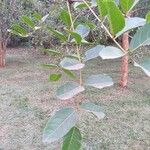
Source: leafsnapAntiaris toxicaria, commonly known as the upas tree or poison arrow tree, is a species of flowering plant native to Southeast Asia and Australia. It belongs to the Moraceae family and can grow up to 40 meters tall. The plant is notorious for its highly toxic sap, which contains a potent cardiac glycoside called antiarin. This toxin can cause paralysis and death in humans if ingested or absorbed through the skin. For centuries, indigenous tribes in Southeast Asia have used Antiaris toxicaria as a source of poison for hunting and warfare. The sap was traditionally applied to arrowheads or blow darts, which were then employed to kill prey or enemies. Despite its toxicity, Antiaris toxicaria has also been used in traditional medicine to treat various ailments such as fever, coughs, and skin diseases. However, due to its high toxicity levels, the potential health risks associated with its medicinal use have not been fully studied. Today, Antiaris toxicaria is primarily cultivated as an ornamental tree, prized for its attractive foliage. The tree's large leaves are glossy green on top and have velvety brown undersides covered with fine hairs called trichomes. Overall, Antiaris toxicaria remains an important cultural symbol throughout Southeast Asia. However, it's crucial not to underestimate its potential danger. Handling this plant without proper precautions should be undertaken only by experts.
Care Guide
💧 Water Every 7 days
The poison tree, which originates from tropical rainforests, thrives in environments with high moisture and consistent humidity. To care for it, water the plant every 2-3 weeks, making sure to keep the soil moist but not overly saturated. When grown outside, the poison tree's growth is affected by the seasonal rains typical of its native climate.
☀️ Light Full sun
The poison tree generally prefers ample sunlight for optimal growth, though it can tolerate a small amount of shade. Its natural habitats are frequently marked by abundant sunshine. Insufficient light can impede its development, while excessive exposure can produce signs of sun scorch.
What are the sunlight requirements for a poison tree?
A poison tree requires substantial sun exposure for optimal growth, thriving best in environments that offer over 6 hours of sunlight a day (full sun), but it can also manage with about 3-6 hours of sunlight (partial sun). Its native habitats are frequently bathed in sunlight, indicating its preference for bright conditions. Inadequate sunlight can lead to underdevelopment, and too much direct exposure might cause symptoms of sun scorch.
How does artificial lighting support poison tree growth indoors?
Indoor poison trees benefit significantly from adequate artificial lighting when natural sunlight is lacking, especially in less sunny spaces or during winter. Artificial lights such as LEDs, which can be tailored to provide specific light wavelengths, promote healthier and faster growth. For full sun plants, 30-50W/sq ft of artificial light is needed; partial sun plants require 20-30W/sq ft, and full shade plants need 10-20W/sq ft. The light source should be positioned 12-36 inches above the plant to simulate natural sunlight, and the duration of light exposure should mimic natural daylight hours, generally between 8-12 hours per day.
What are common symptoms of insufficient light in poison trees?
Poison trees show distinct symptoms when exposed to low light conditions, including smaller new leaves, leggy or sparse growth with elongated spaces between leaves or stems, faster leaf drop as older leaves are shed early, slower or halted growth, paler new leaves indicating insufficient chlorophyll, and conditions like chlorosis (yellowing leaves), sunscald, leaf curling, wilting, and leaf scorching. Each symptom reflects the plant's struggle with inadequate light exposure.
How can I correct light deficiency symptoms in my poison tree?
To combat light deficiency in poison trees, gradually increase their sunlight exposure. For indoor plants, move them closer to a south-facing window or use artificial grow lights for at least 8 hours daily to simulate natural sunlight. Outdoor plants should be relocated to sunnier spots progressively to avoid shock. Reducing obstacles that block sunlight, such as pruning nearby foliage, helps too. If plants are small, consider transplanting them during their dormant period to a location with better light and drainage. While parts of the plant that have been affected by insufficient light may not recover fully, new growth will be healthy under improved light conditions.
🌡️ Temperature 20–35°C
The poison tree is native to regions where temperatures typically range from 68 to 95 °F (20 to 35 ℃). Because it prefers these warmer conditions, its surroundings must be adjusted during colder seasons to provide its optimal temperature.
What is the optimal temperature range for a Poison tree?
The Poison tree thrives in environments where temperatures commonly range from 68 to 95°F (20 to 35°C). These warm climates are essential for its growth, necessitating adjustments in its surroundings during colder seasons to maintain temperatures above 20°C. The plant is extremely heat-loving, and exposure to cold temperatures can cause harm. Hence, during the autumn, it is advisable to bring outdoor-grown Poison trees indoors and place them near a bright window, while also ensuring they are kept at a certain distance from heaters to avoid damage.
How should you care for a Poison tree during cold weather?
To care for a Poison tree during colder weather, it is crucial to maintain temperatures above 20°C, especially during winter, to support the plant’s growth and prevent any damage. Cold temperatures, particularly those approaching 5°C, are harmful to the plant. In case of exposure to frost, which may cause the leaves to lighten and eventually turn brown or black, accompanied by wilting and drooping, trim off the frost-damaged parts and move the plant indoors to a warm environment. Placing it near a south-facing window ensures it receives adequate sunlight, but keep it away from heaters or air conditioning vents to avoid excessive air dryness.
What are the effects of high temperatures on a Poison tree, and how can they be mitigated?
High temperatures during summer, specifically above 35°C, can be detrimental to a Poison tree. When temperatures exceed 41°C, the plant’s leaves may lighten in color, making it more susceptible to sunburn. To mitigate these effects, trim away the sunburned and dried-up parts of the plant. Relocate the plant to a shaded location, especially from the midday and afternoon sun, to prevent further sunburn. Ensure the soil remains moist by watering the plant in the morning and evening, which helps avoid the stress of high temperatures.
💨 Humidity
🪴 Soil 5-6
🌱 Fertilizer
Fertilizing is essential for the care of a Poison tree. Regular feeding during the growing season preserves the energy needed for its showy leaves and supports overall growth. Failing to fertilize can lead to unhealthy foliage, reduced decorative value, and stunted or weak growth that is more susceptible to breaking.
🪴 Pot & Repot
✂️ Pruning
To promote healthy growth, prune the poison tree from early to late winter by removing any dead branches. Thinning out crowded limbs enhances air circulation and lowers the risk of disease. Ensure you use sharp, sterilized tools to make clean cuts, and avoid heavy pruning to maintain a well-structured and vigorous tree.
🌿 Propagating
🐛 Diseases & pets
☠️ Toxicity
Characteristics
- Plant Type
- Tree
- Life Cycle
- Perennial
- Genus
- Antiaris
- Family
- Moraceae
- Hardiness Zone
- 10
- Mature Height
- 24.99 m to 39.93 m
- Mature Spread
- 14.94 m to 20.12 m
- Leaf Color
- Dark Green, Forest Green
- Leaf Type
- Evergreen
- Flower Color
- Yellow
- Flower Size
- 1.52 cm
- Bloom Time
- Mid spring, Late spring, Early summer
- Planting Time
- Autumn
- Harvest Time
- Summer, Early fall