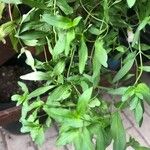
Antirrhinum siculum
Sicilian Snapdragon
Description
Source: leafsnapAntirrhinum siculum, commonly known as the Sicilian snapdragon, is a perennial herbaceous plant from the Plantaginaceae family. Native to the Mediterranean region, it thrives in rocky areas, meadows, and along roadsides. The plant can grow up to 60 cm in height and has lance-shaped leaves arranged alternately on its stem. The flowers of Antirrhinum siculum are tubular and feature a distinctive two-lipped structure. Blooming from late spring through summer, the flowers come in shades of pink, purple, or white, with yellow markings on their lower lip. They are pollinated by bees and other insects. Antirrhinum siculum is a hardy plant that requires minimal care once established. It prefers well-drained soil with full sun exposure but can also tolerate partial shade. Historically, the plant has been used for its anti-inflammatory properties. In summary, Antirrhinum siculum is an attractive perennial herbaceous plant native to Mediterranean regions. It produces tubular-shaped flowers in shades of pink, purple, or white with yellow markings on the lower lip from late spring through summer. The plant requires minimal care once established but prefers well-drained soil with full sun exposure. Additionally, it has been used medicinally for centuries due to its anti-inflammatory benefits.
Care Guide
💧 Water Every 7 days
The Sicilian snapdragon is native to the Mediterranean basin, where it thrives in dry, coastal conditions. This plant is drought-tolerant and requires moderate watering, ideally about twice a week. It's commonly grown outdoors, benefiting from natural rainfall during the growing season. This rain helps meet its water needs and enhances its flowering.
☀️ Light Full sun
The Sicilian snapdragon comes from bright, open habitats where it performs best in full sun. It will tolerate partial sun but favors direct sunlight for optimal growth. This plant, which can be grown as an annual or biennial, is known for its sun-loving habit.
What are the sunlight requirements for Sicilian Snapdragon?
The Sicilian Snapdragon, botanically known as Antirrhinum siculum, has specific sunlight requirements to thrive. For full sun exposure, it needs above 6 hours of sunlight, making it ideal for areas of your garden that are bathed in light for most of the day. For partial sun, about 3-6 hours of sunlight is sufficient. This allows for some flexibility in planting locations, accommodating spots in your garden that receive a mix of light and shade throughout the day. It's important to observe the movement of sunlight through your garden to select the perfect spots that provide the ideal balance of light and shade needed for the happiness and growth of your plants.
🌡️ Temperature 15–35°C
Sicilian snapdragon can tolerate a wide range of temperatures, although its distribution may still be restricted by different combinations of moisture and heat. It performs best in warm summer conditions with adequate rainfall or irrigation. Extended periods of cloudy, rainy weather, as well as prolonged high temperatures, increase the chance of the plant dying. In winter, appropriate protection from the cold can boost its survival rate.
What is the Sicilian snapdragon?
The Sicilian snapdragon is a plant known by its botanical name, Antirrhinum siculum. This plant is recognized for its unique features and specific classification within the plant kingdom. Unfortunately, there is no additional information provided about its essentials, content, or symptoms.
💨 Humidity
🪴 Soil 6-7
🌱 Fertilizer
When most of the Sicilian snapdragon’s blooms have opened and reached full size, resume fertilizing. At the time the flowers are at peak production, feed it once every three to four weeks, as weather permits. Then, when the Sicilian snapdragon begins producing fewer new blooms, stop fertilizing; there’s no need to apply fertilizer if the plant can’t produce more blooms.
🪴 Pot & Repot
✂️ Pruning
To keep your Sicilian snapdragon healthy and flourishing, regular pruning is essential. Begin in early spring by removing any dead stems to encourage new growth. Then, in late spring, lightly shape the plant to enhance blooming and improve air circulation, which helps reduce the risk of disease. Consistent pruning results in a vigorous plant that blooms beautifully throughout the growing season.
🌿 Propagating
🐛 Diseases & pets
☠️ Toxicity
Characteristics
- Plant Type
- Herb
- Life Cycle
- Annual
- Genus
- Antirrhinum
- Family
- Plantaginaceae
- Hardiness Zone
- 7-10
- Mature Height
- 30 cm to 61 cm
- Mature Spread
- 20 cm to 30 cm
- Leaf Color
- Green
- Leaf Type
- Semi-evergreen
- Flower Color
- Pink, Purple, Yellow
- Flower Size
- 2.03 cm to 3.05 cm
- Bloom Time
- Mid spring, Late spring, Summer, Early fall
- Planting Time
- Spring, Summer, Autumn
- Harvest Time
- Summer, Fall
- Native Area
- Italy