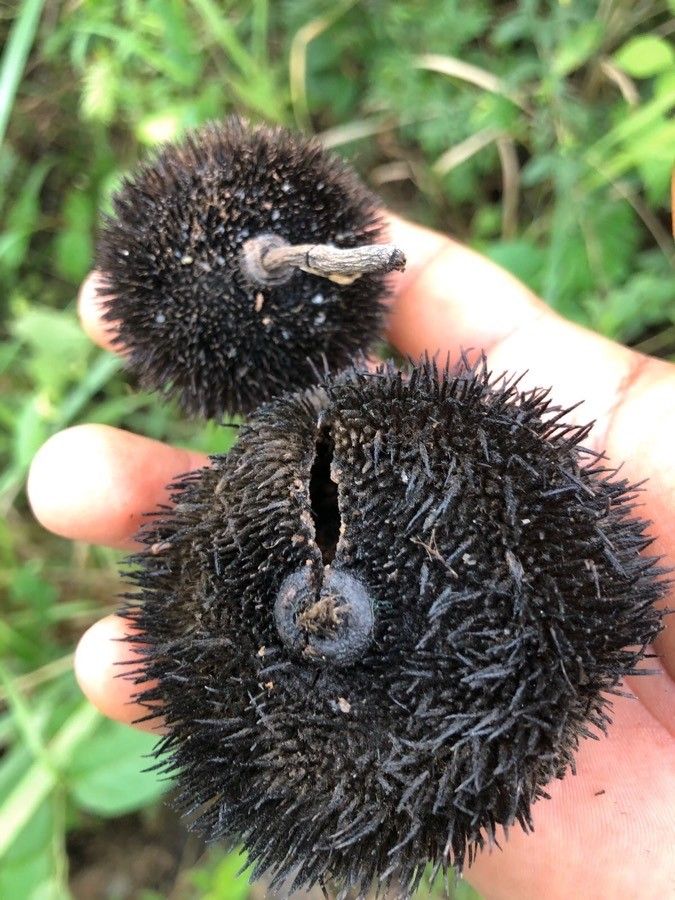
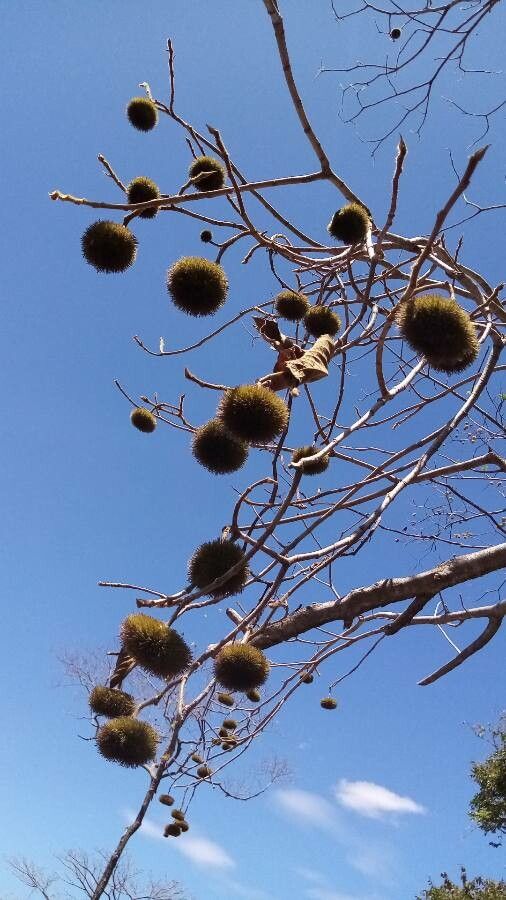
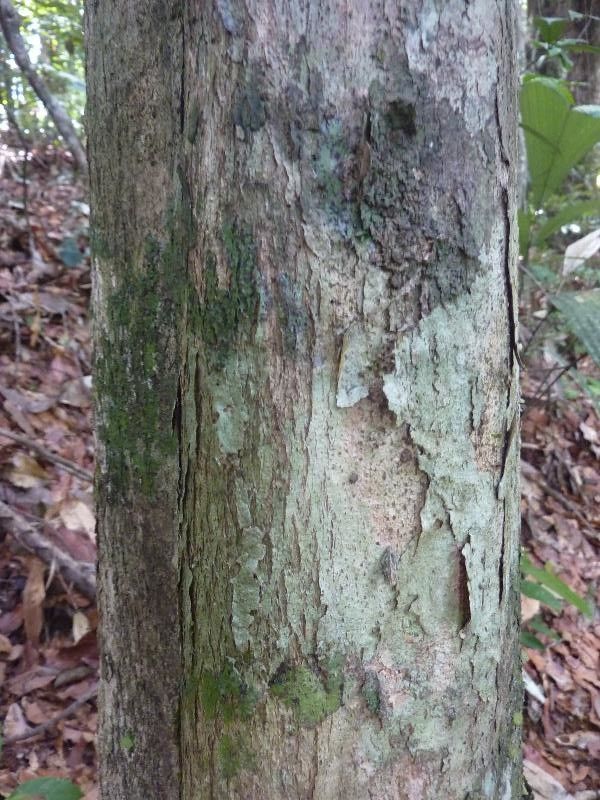
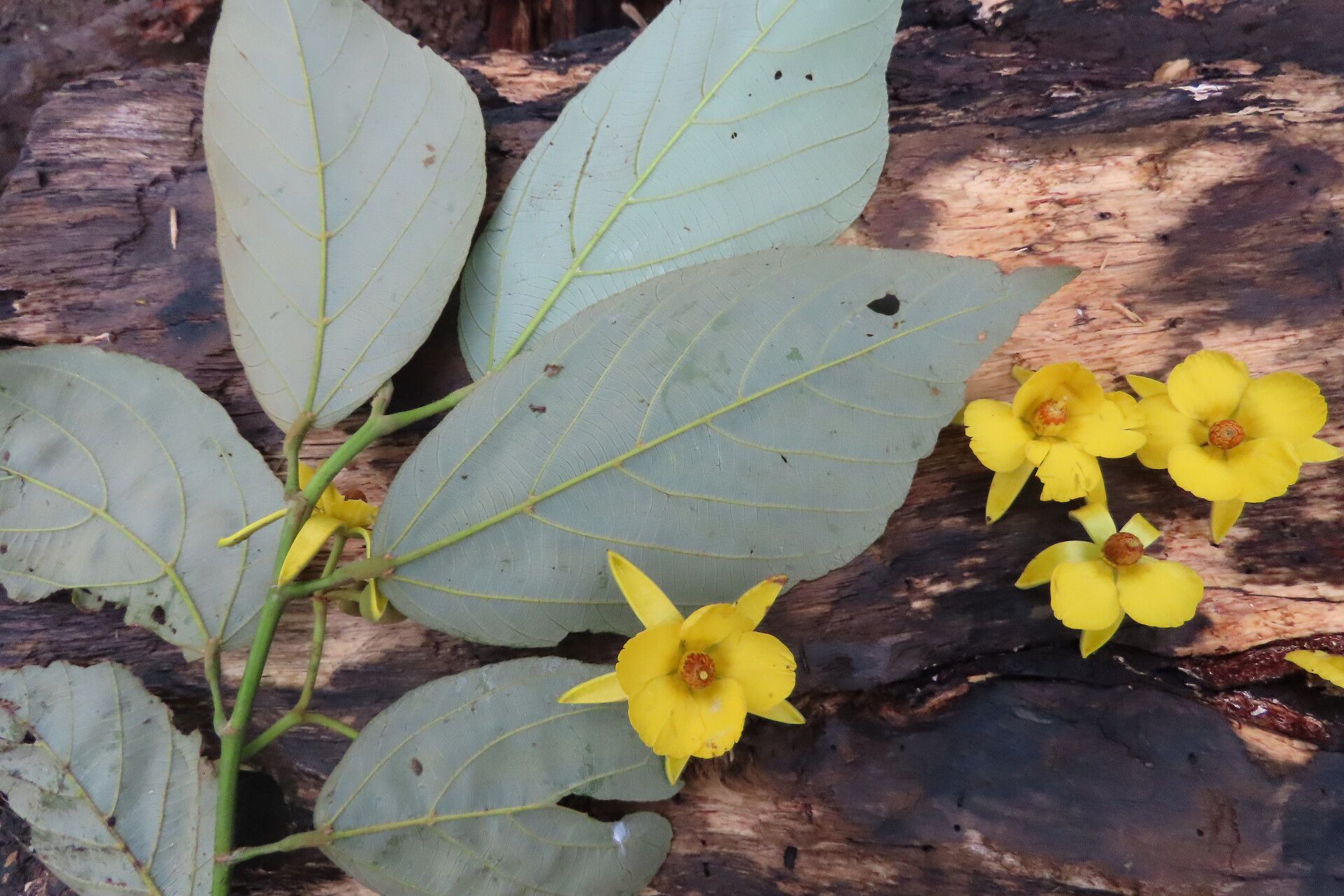
Apeiba tibourbou is a tree native to Caatinga and Cerrado vegetation in Brazil, and Costa Rica. It is used as an alternative fiber crop to make paper. It is found in Mexico, Central America, and the northern part of South America.
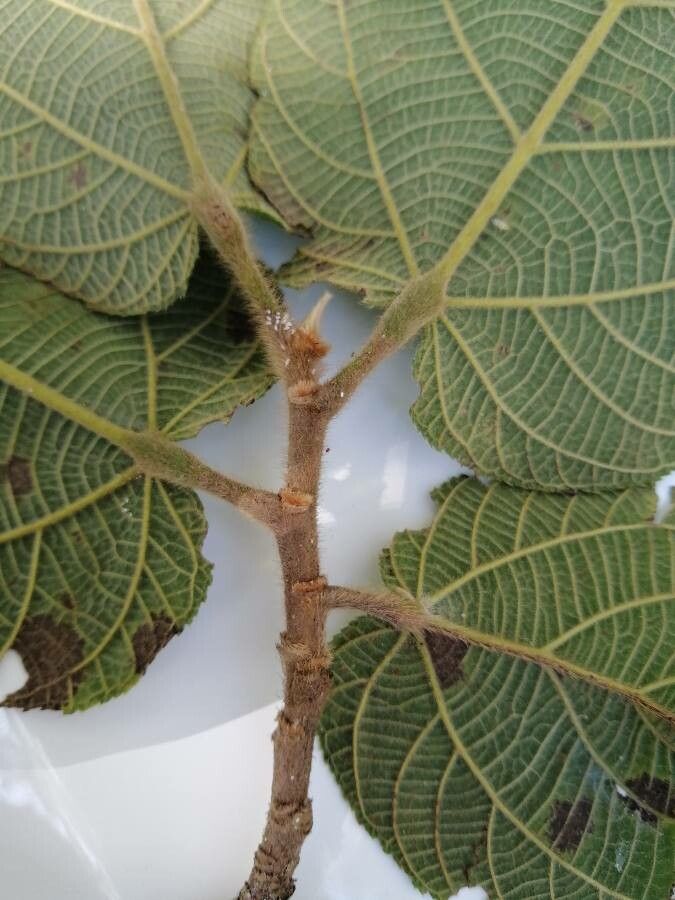
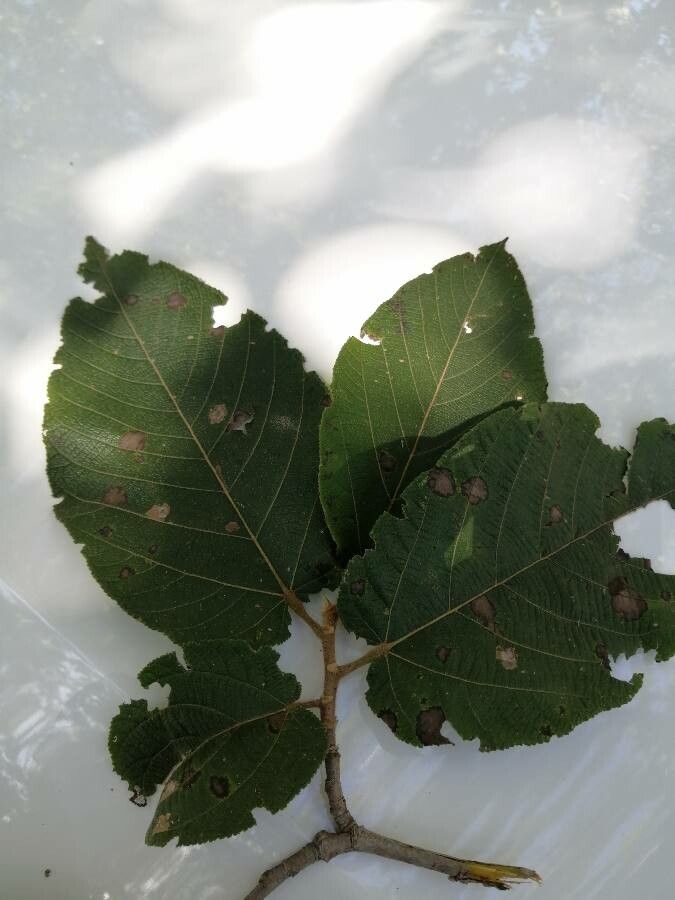
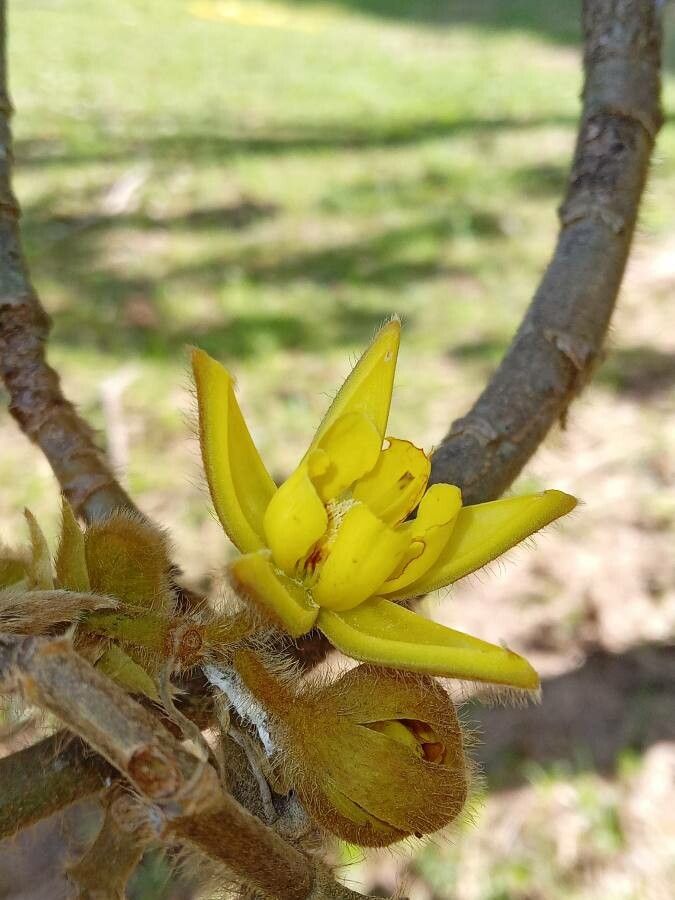
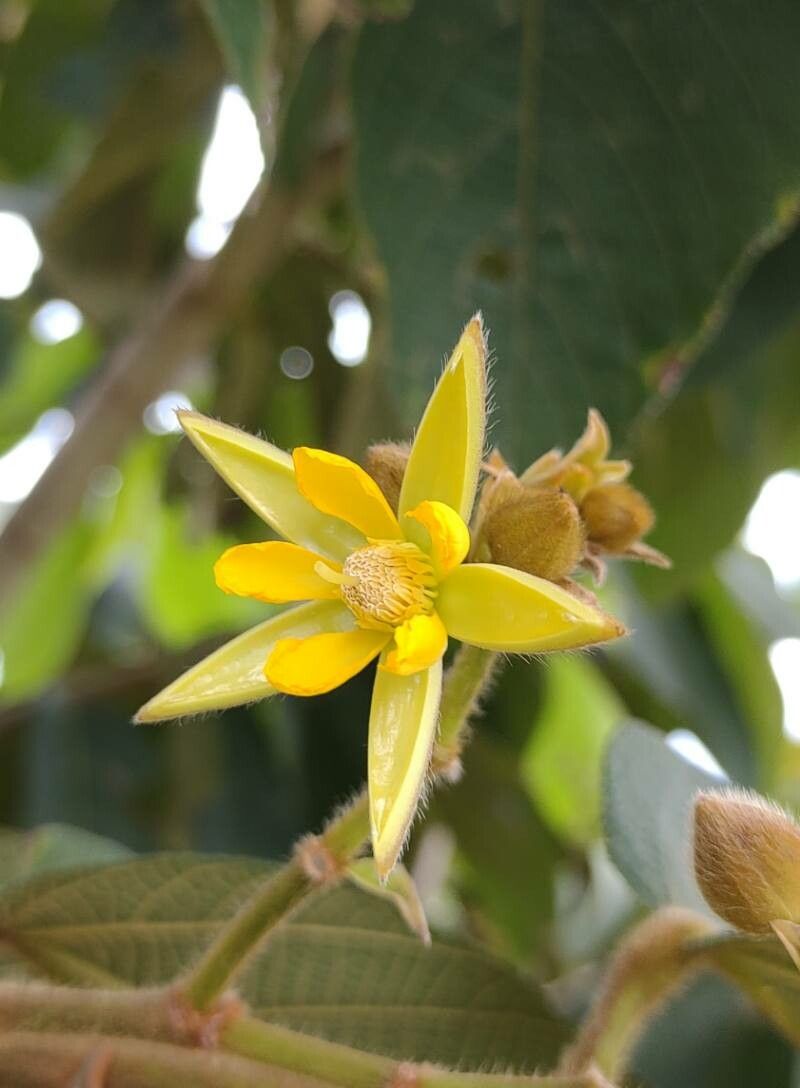
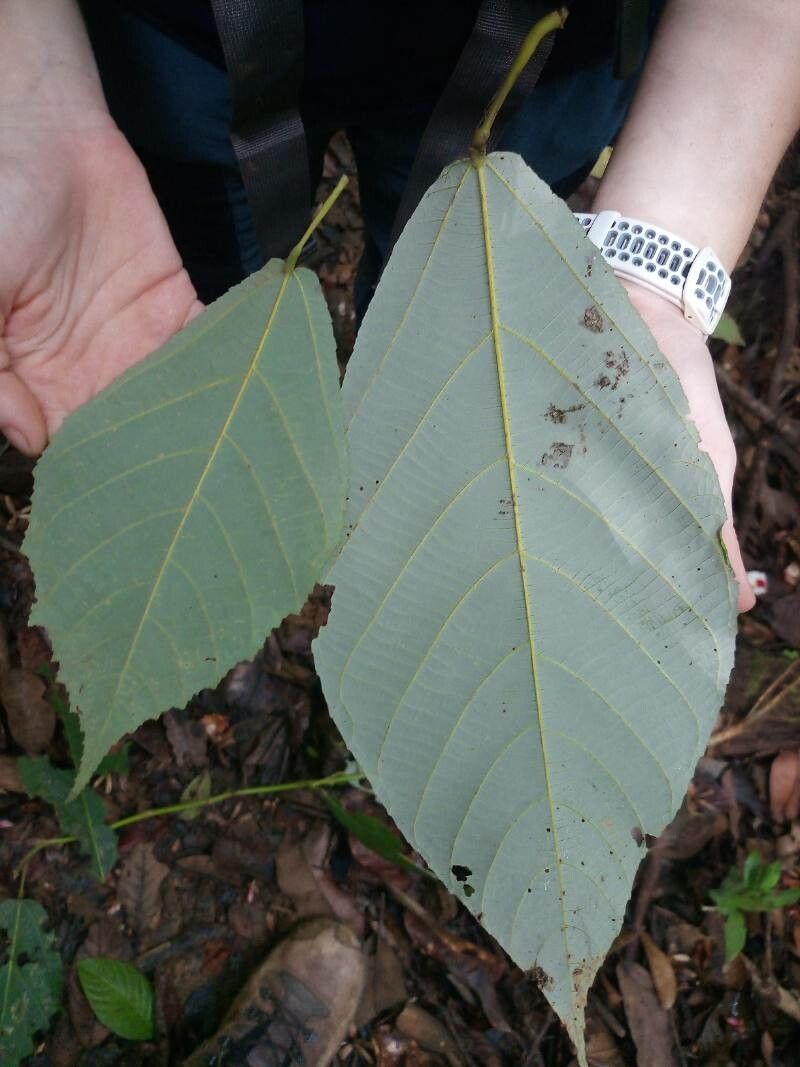
This fast-growing tree typically reaches 15 meters tall, though it can reach 25 meters in some habitats. The star-shaped yellow flowers give way to dry capsules covered with soft green spines. The leaves are pointed at the tip and rounded at the base, 10-30 centimeters long and 6-12 centimeters wide, borne on petioles 1-3 centimeters long. The leaf margins are lightly serrated, and the veins are lightly hairy.The wood is light and floats easily, so it is used to make buoys and small boats.
Monkey's Comb has strong resistance to disease and is generally not prone to illness. As for care, this plant is fairly low-maintenance. When grown outdoors it needs only minimal watering, and larger plants usually do not require pruning. Smaller plants, however, should be pruned after they finish blooming. Monkey's Comb is suitable for anyone with outdoor space, like a garden or deck, and does not demand much care experience.
How to keep Apeiba Tibourbou.
Light
Monkey's Comb comes from open habitats, such as sunny meadows and forest edges, which provide abundant light. It thrives in Full Sun but can also tolerate Partial Sun, adapting well to different sunlight conditions.
Temperature
Monkey's Comb comes from tropical areas, where the climate is usually warm and humid. As a result, it is suited to high temperatures and humidity. It does not tolerate sudden shifts in temperature and prefers a stable thermal environment, so preventing indoor temperature fluctuations is important. It generally cannot withstand cold and needs warmer conditions to grow. If the surrounding temperature falls too low, the plant may stop growing or even die.
Fertilizer
Fertilization is essential to the care of Monkey's Comb. Regular feeding during the active growing season preserves the energy needed for its showy leaves and supports overall growth. Failure to fertilize can lead to unhealthy foliage, reduced ornamental appeal, and stunted or weak growth prone to breakage.
Botanical profile.
- Plant Type
- Tree
- Life Cycle
- Perennial
- Genus
- Apeiba
- Family
- Malvaceae
- Hardiness Zone
- 10-12
- Mature Height
- 14.94 m to 24.99 m
- Mature Spread
- 10.06 m to 14.94 m
- Leaf Color
- Green, Dark Green
- Leaf Type
- Deciduous
- Flower Color
- Yellow
- Flower Size
- 2.03 cm to 3.05 cm
- Bloom Time
- Summer
- Planting Time
- Spring, Summer, Autumn
- Harvest Time
- Late summer, Early fall, Mid fall
- Native Area
- Colombia, Honduras, Mexico, Guatemala, Bolivia, Venezuela, Peru, Guyana, Brazil, Nicaragua, Ecuador, Costa Rica, Panama, Jamaica
Other names.