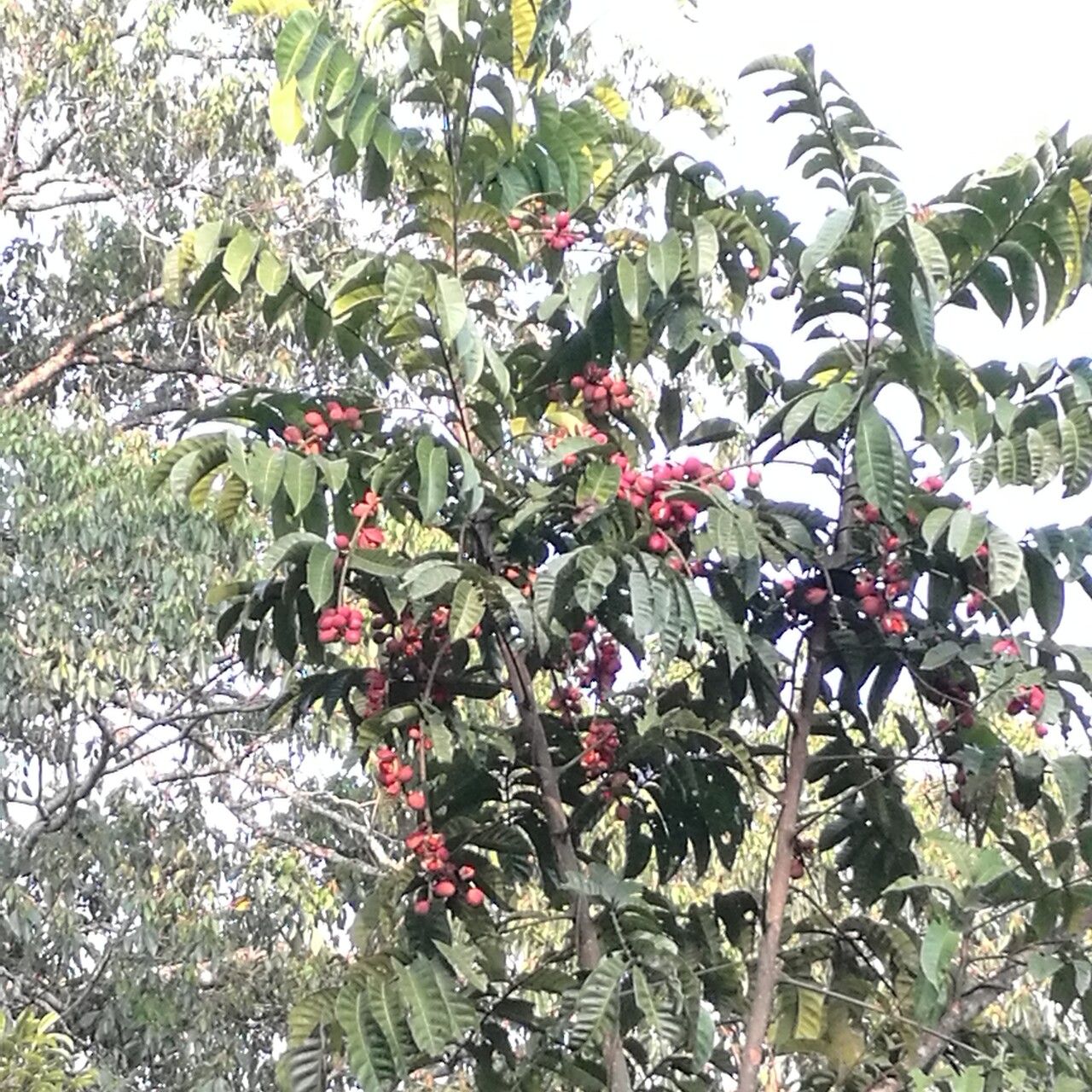
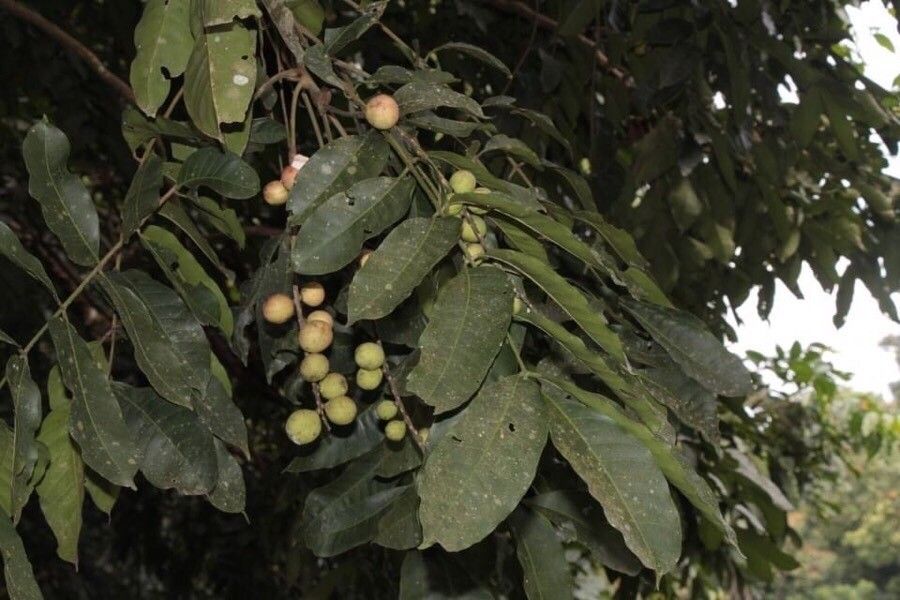
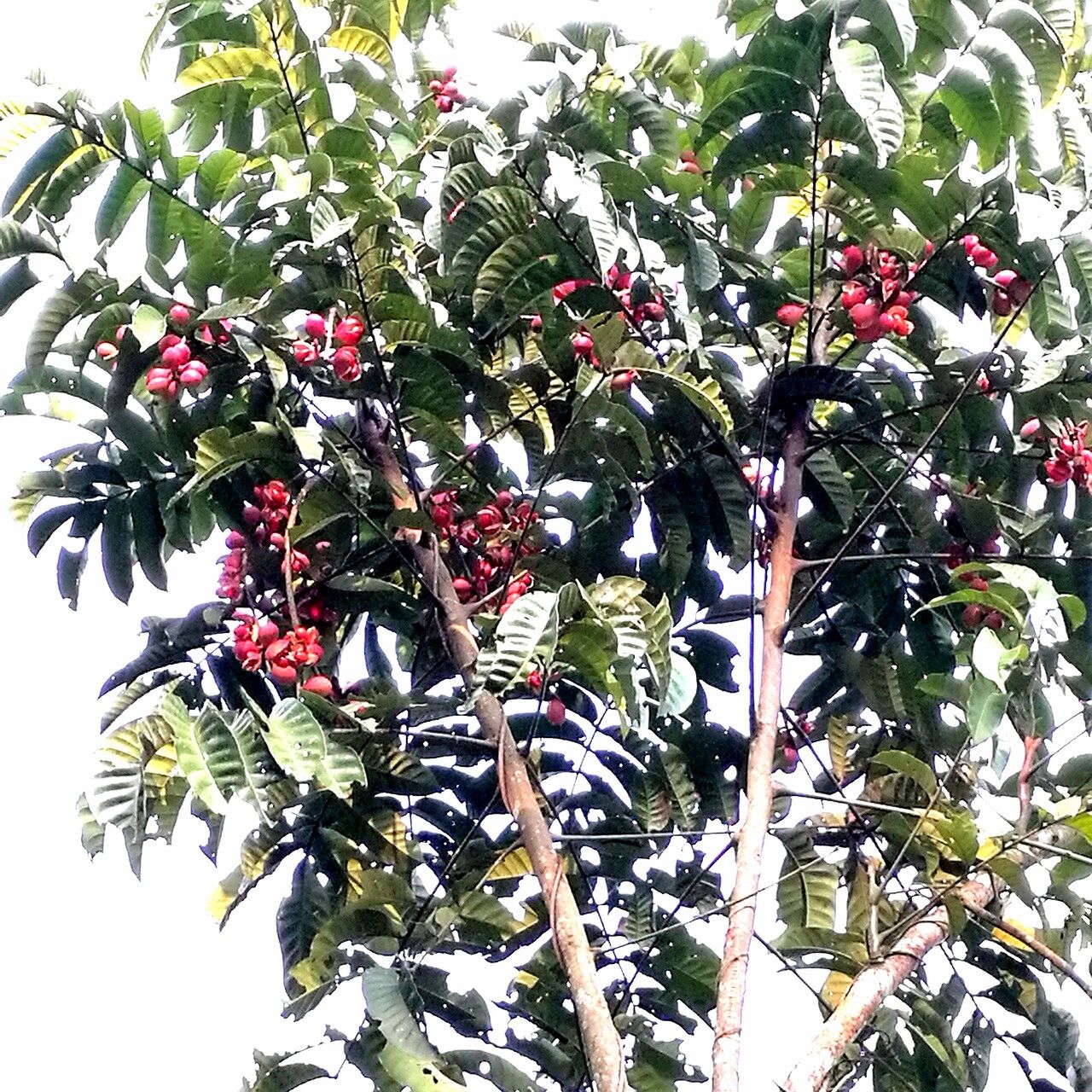
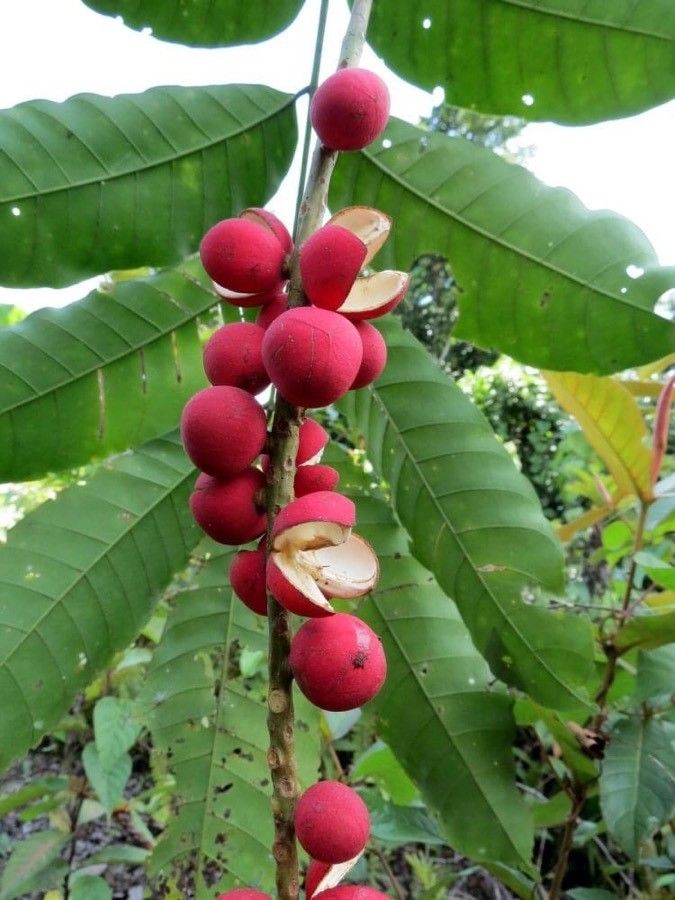
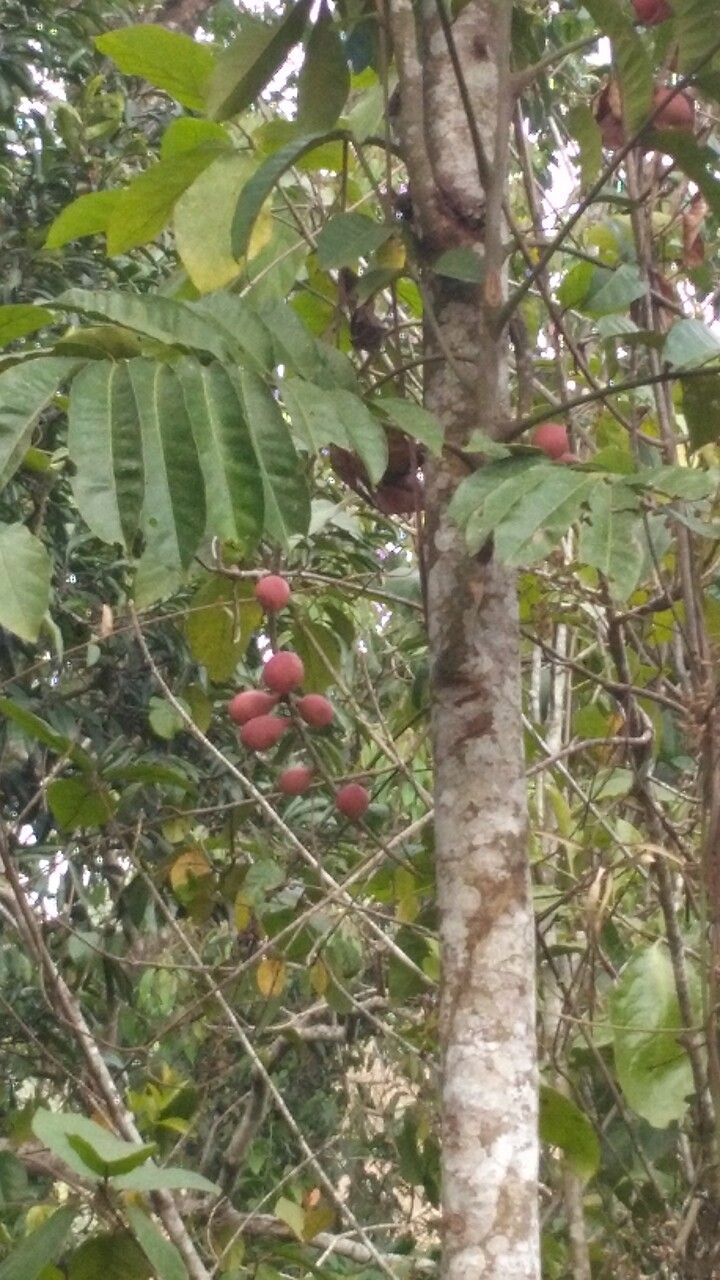
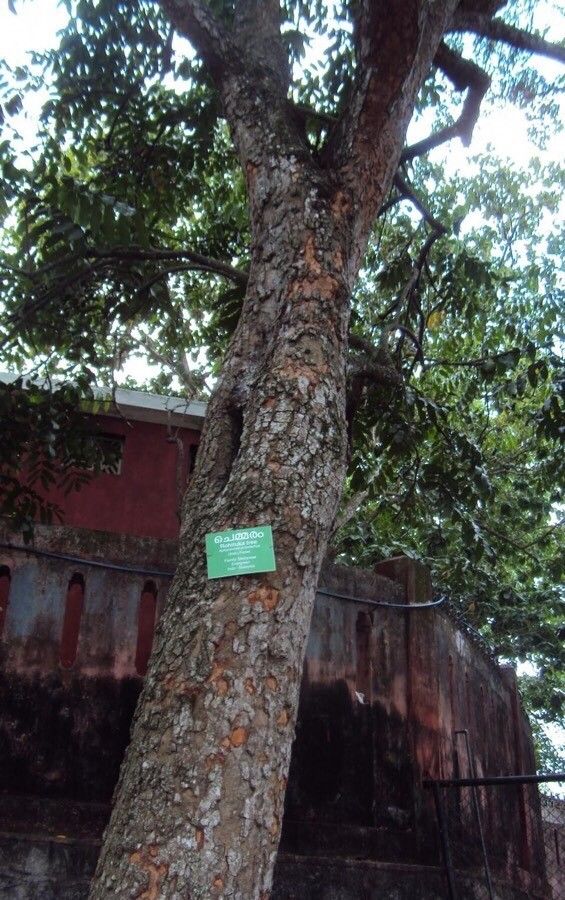
Aphanamixis polystachya, the pithraj tree, is a species of tree in the family Meliaceae. It is native to India, Pakistan, Nepal, Bhutan, Bangladesh, Myanmar and Sri Lanka. It is a widely used as a medicinal plant in Ayurveda.
Amoora has strong resistance to disease and is usually not susceptible to illnesses. With respect to care, this plant is fairly low-maintenance. When grown outdoors it needs little watering, and larger specimens typically do not need pruning. Smaller plants, however, should be pruned after they have finished blooming. Amoorat is appropriate for anyone with an outdoor area, such as a garden or deck, and does not demand extensive caregiving experience.
How to keep Aphanamixis Polystachya.
Light
Amoora needs plenty of sunlight to grow and develop properly. It flourishes in settings like its native habitat where it receives sun all day. It does not tolerate shade; with inadequate sunlight its growth can be reduced and its leaves may become discolored. Excessive exposure, however, can lead to sunburn.
Water
Amoora thrives in its native monsoon regions, where it requires moderate moisture and can tolerate occasional droughts. To mimic its natural habitat, water the plant every 2-3 weeks. This plant prefers humid environments, which help support lush foliage growth. During the growing season, providing adequate water is crucial for maintaining its vibrancy.
Temperature
Amoora is native to habitats with temperatures ranging from 32 to 90 °F (0 to 32 ℃). It performs best under those conditions. Therefore, in colder seasons the temperature should be checked and possibly increased.
Fertilizer
Fertilize your Amoora in early spring to encourage healthy growth. Regular feeding improves overall health, yielding vigorous growth, better tolerance of challenging conditions, and stronger resistance to pests and diseases. Keep a specific fertilization schedule for your Amoora to maintain foliage that is vivid in color and lush in appearance.
Pruning
Amoora is a plant with compound leaves and dense foliage, making it perfect for ornamental purposes. To maintain its shape and improve air circulation, it's best to prune it in early spring. Be sure to remove any dead branches, but take care not to over-prune. Pruning during its dormant period encourages growth and flowering, which enhances the plant's overall health and resistance to pests.
Botanical profile.
- Plant Type
- Tree
- Life Cycle
- Perennial
- Genus
- Aphanamixis
- Family
- Meliaceae
- Hardiness Zone
- 3-7
- Mature Height
- 20.12 m to 29.87 m
- Mature Spread
- 3 cm to 3 cm
- Leaf Color
- Dark Green
- Leaf Type
- Deciduous
- Flower Color
- White
- Flower Size
- 0.20 cm to 0.25 cm
- Bloom Time
- Summer
- Planting Time
- Spring, Summer, Autumn
- Harvest Time
- Late summer, Fall
- Native Area
- Nepal, Sri Lanka, India, Malaysia, Indonesia, Vietnam, Myanmar, Philippines, Bhutan, Singapore, Bangladesh, Laos, Brunei, Thailand, China
Other names.
Reader questions.
What are the sunlight requirements for Amoora (Aphanamixis polystachya)?
Amoora, or Aphanamixis polystachya, requires above 6 hours of sunlight daily to ensure healthy growth and development. It thrives in environments that mimic its natural habitat, with abundant sunlight throughout the day. While it does not tolerate shade well, insufficient sunlight can lead to stunted growth and leaf discoloration, and overexposure may cause sunburn. It's crucial to observe how sunlight moves through your garden to find spots that provide a perfect balance of light and shade, ensuring the plant's happiness.
What temperature ranges are ideal for Amoora (Aphanamixis polystachya)?
Amoora, also known as Aphanamixis polystachya, flourishes in environments where the temperature varies between 32 to 90 °F (0 to 32 °C). It's highly adapted to these conditions and thrives best within this temperature range. This makes it important for those caring for Amoora to closely monitor and potentially adjust the environmental temperature during the colder seasons to ensure it remains within the ideal range. Amoora has a high cold tolerance and does not need additional frost protection measures, but to prepare it for winter, it's advisable to water the plant generously before the first freeze. This step ensures the soil stays moist, preventing drought and water scarcity for the plant during the colder months and into early spring.
How can artificial lighting be used for indoor Amoora plants?
For indoor Amoora plants where natural sunlight is insufficient, especially in winter or less sunny spaces, artificial lighting serves as an essential solution for optimal growth. LED lights are recommended because they can be customized to provide specific wavelengths needed by your plants. Full sun plants require 30-50W/sq ft, partial sun plants need 20-30W/sq ft, and shade plants need 10-20W/sq ft of artificial light. The light source should be placed 12-36 inches above the plant, and most plants need 8-12 hours of light per day to mimic natural daylight hours.
How should Amoora be cared for in low temperatures?
In low temperatures, it's critical to maintain the winter temperature above -35°C to protect Amoora (Aphanamixis polystachya). While Amoora is extremely cold-tolerant, dropping below this threshold could lead to brittleness and dryness in its branches by spring, with no new shoots emerging. The best care practice in spring following a cold winter is to prune away any dead branches that have failed to produce new leaves. This will help maintain the plant's health and encourage new growth.
What are the symptoms of light deficiency in Amoora plants?
Amoora plants that do not receive sufficient light may exhibit several symptoms indicating stress or poor health. These include smaller new leaves, leggy or sparse growth, accelerated leaf drop, slowed or stopped growth, and discoloration indicating a lack of chlorophyll and essential nutrients. Symptoms of excessive sunlight exposure include chlorosis (leaf yellowing), sunscald, leaf curling, wilting, and leaf scorching. These signs show the plant's struggle to adapt to its lighting conditions, affecting its health and appearance.
What should be done if Amoora experiences high temperatures?
Amoora (Aphanamixis polystachya) is not tolerant of high temperatures. When exposed to temperatures above 32°C (90°F), the plant may suffer significant leaf drop, or in severe cases, may wither and die. To counteract the damage from high temperatures, it is advisable to trim away any sunburned and dried-up parts of the plant. Moving the plant to a shaded location, or employing a shade cloth to protect it from the midday and afternoon sun, can further mitigate temperature stress. Additionally, watering the plant in the morning and evening to maintain soil moisture can help relieve the stress caused by high temperatures.
What solutions can help improve light conditions for Amoora plants?
To improve light conditions for Amoora plants, consider these solutions: Inside, gradually move your plant each week to sunnier spots until it gets at least 6 hours of direct sunlight daily, ideally through a south-facing window. Use artificial lighting such as desk or ceiling lamps for at least 8 hours a day, or invest in professional grow lights for adequate light. For outdoor plants, carefully transition them to sunnier locations to prevent sunburn. If light is obstructed by trees, consider pruning to enhance sunlight exposure. For smaller plants, consider transplanting during their dormant period to a location with more sunlight and good drainage. It's important to note that parts of the plant that suffered from insufficient sunlight may not recover, but new growth should be healthy with improved lighting conditions.