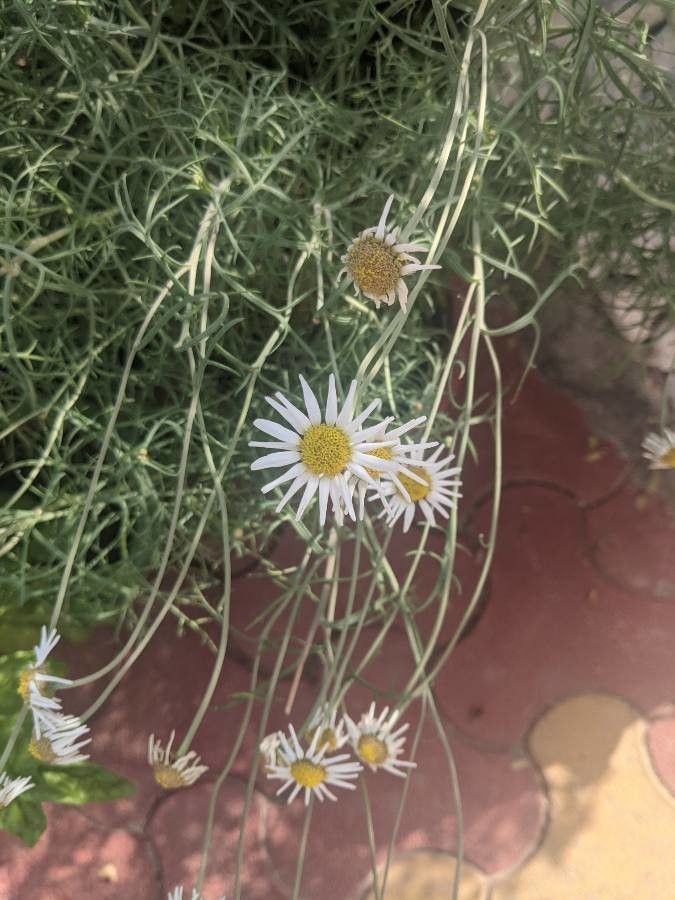
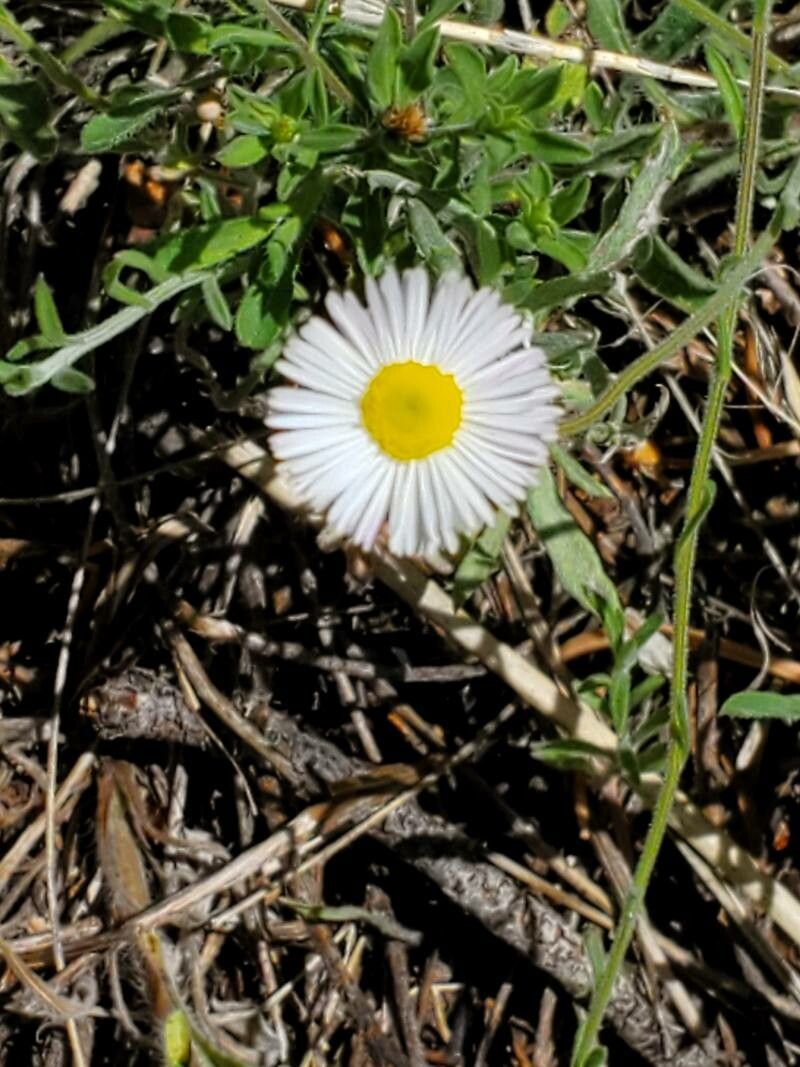
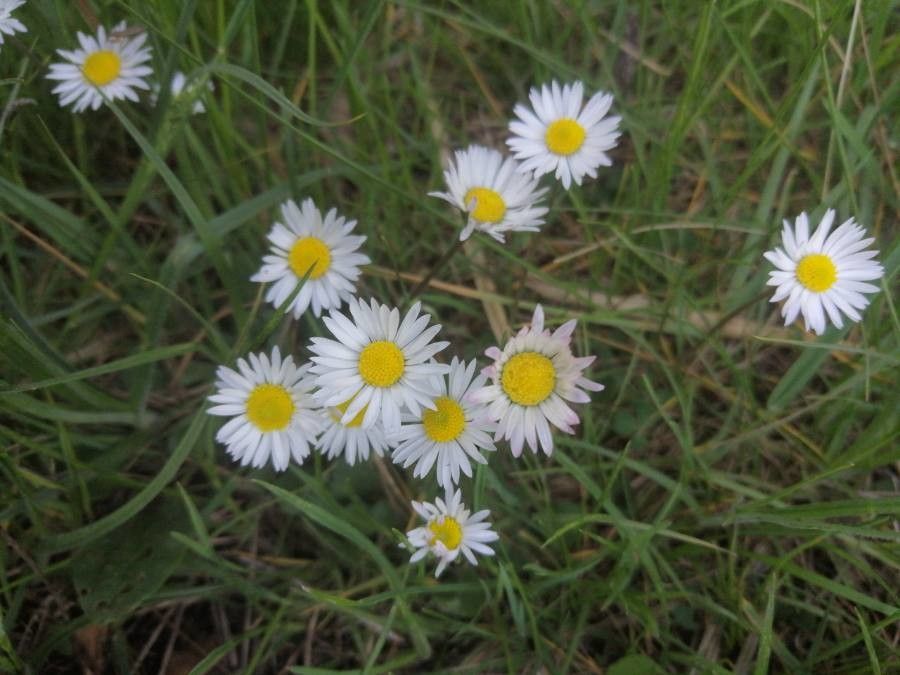
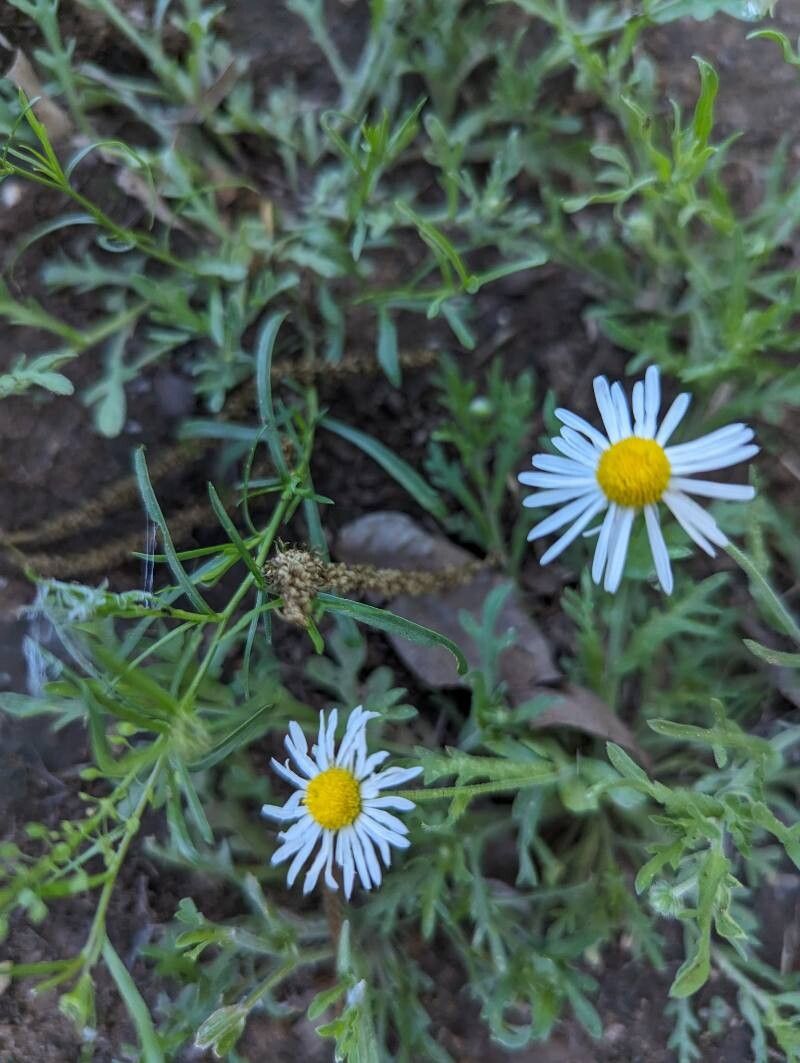
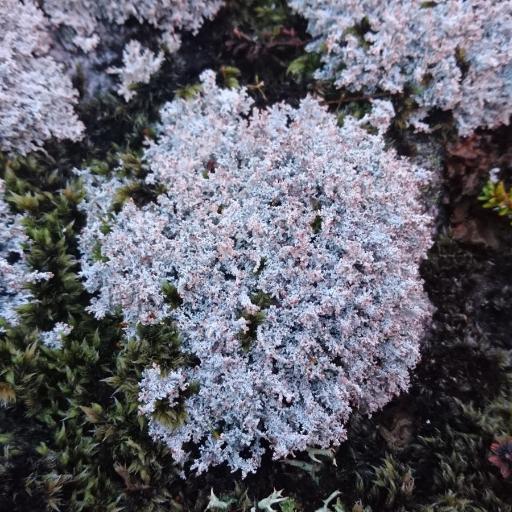
Aphanostephus ramosissimus is a North American species of flowering plants in the family Asteraceae, with the common name plains lazydaisy. It is native to the southwestern and south-central United States, the states of Arizona, New Mexico, Texas, and Oklahoma, as well as to central and northern Mexico as far south as Puebla and Michoacán.
Plains dozedaisy has strong resistance to disease and is generally not vulnerable to illnesses. However, it can be affected by pests and diseases present in its environment. These outbreaks are usually mild. In terms of care, this plant needs moderate maintenance. It should be pruned regularly to keep a tidy appearance and support healthy growth. Fertilizing can also help encourage flowering. Plains dozedaisy is appropriate for anyone with outdoor space, such as a garden or patio, and does not demand extensive care experience. It may need more attention when cultivated indoors.
How to keep Aphanostephus Ramosissimus.
Light
Plains dozedaisy comes from bright, open habitats where it thrives in full sun. It can tolerate partial sun but prefers direct sunlight for optimal growth. This annual or biennial plant is known for its sun-loving nature.
Water
Originating from arid regions, the plains dozedaisy is highly drought-tolerant and thrives with minimal moisture, needing to be watered only once a week. It remains vigorous even with little native rainfall and grows outdoors as an herbaceous plant, aligning its growth cycle with seasonal rains.
Temperature
Plains dozedaisy can tolerate a wide range of temperatures, but its distribution may still be restricted by various combinations of water and heat conditions. It grows best in warm summer climates with adequate rainfall or watering. Extended periods of cloudy, rainy weather, as well as prolonged high temperatures, can raise the likelihood of Plains dozedaisy dying. In winter, proper protection from cold can increase the plant's survival rate.
Fertilizer
Once Plains dozedaisy has opened most of its blooms to full size, it's time to resume fertilizing. When the blooms reach peak production, apply fertilizer every three to four weeks, weather permitting. Then, once Plains dozedaisy begins producing fewer new blooms, discontinue fertilizing; there's no need to feed the plant when it can no longer produce additional blooms.
Pruning
Plains dozedaisy benefits from light and regular pruning in early spring, which helps maintain its health and encourages blooming. Trim away dead stems and excess growth to improve air circulation and reduce the risk of disease. This approach ensures a continuous and vibrant display without the need for heavy pruning.
Botanical profile.
- Plant Type
- Herb
- Life Cycle
- Annual
- Genus
- Aphanostephus
- Family
- Asteraceae
- Hardiness Zone
- 7-10
- Mature Height
- 46 cm
- Mature Spread
- 20 cm to 40 cm
- Leaf Color
- Green
- Leaf Type
- Deciduous
- Flower Color
- White, Yellow
- Flower Size
- 1.27 cm to 3.81 cm
- Bloom Time
- Mid spring, Late spring, Early summer, Mid summer
- Planting Time
- Spring, Summer, Autumn
- Harvest Time
- Summer
- Native Area
- Mexico
Other names.
Reader questions.
What are the sunlight requirements for Plains dozedaisy?
Plains dozedaisy, known botanically as Aphanostephus ramosissimus, thrives in environments that provide full sun, requiring above 6 hours of sunlight daily for optimal growth. It can also tolerate partial sun, needing about 3-6 hours of sunlight. To ensure your plants are happy, observe the movement of sunlight through your garden to find spots that offer a good balance of light and shade.
How does artificial lighting support plant growth indoors?
For indoor Plains dozedaisy or other plants where natural sunlight is insufficient, especially during winter or in less sunny spaces, artificial lighting can be crucial. It promotes faster, healthier growth by supplementing the required light intensity. LED lights are recommended for their ability to mimic natural light's specific wavelengths. Full sun plants should get 30-50 watts per square foot, partial sun plants 20-30 watts per square foot, and full shade plants 10-20 watts per square foot. The artificial light should be placed 12-36 inches above the plant for 8-12 hours per day to mimic natural light conditions effectively.
What are the common symptoms of inadequate light in Plains dozedaisy?
When Plains dozedaisy receives insufficient light, it may show several symptoms indicating light deficiency. These include smaller new leaves, leggy or sparse growth, accelerated leaf drop, delayed or stopped growth, lighter-colored or irregularly colored new leaves, and signs of chlorosis or sunscald. Other symptoms like leaf curling, wilting, and leaf scorching can also signal distress due to poor light conditions or overexposure to sunlight.
What solutions can help Plants dozedaisy thrive in less optimal light conditions?
To help Plains dozedaisy thrive in less optimal light conditions, consider gradually moving it to a sunnier location, ensuring it receives at least 6 hours of direct sunlight daily. If moving the plant is not feasible, using artificial light, such as keeping a desk or ceiling lamp on for at least 8 hours daily, can provide the additional light needed. For outdoor plants, avoid sudden changes in light intensity by gradually acclimatizing them to sunnier spots. If sunlight is blocked by obstacles like trees, pruning may help increase sun exposure. For small, easily movable plants, transplanting during their dormant period to a location with ample sunlight and good drainage is advisable.