Apium prostratum
Prostrate marshwort · Maori celery
Description
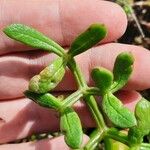
Source: leafsnapApium prostratum, commonly known as Water Celery, is a perennial herbaceous plant from the Apiaceae family. Native to Australia and New Zealand, it thrives in wetlands, swamps, and along stream banks. The plant grows prostrate, with stems that can extend up to 1 meter in length. Its leaves are pinnate, featuring toothed leaflets that can reach up to 5 cm long. The small flowers, which are either white or greenish-yellow, are grouped in umbels at the tips of long stalks. Indigenous people have traditionally used Water Celery for medicinal purposes, such as treating headaches, rheumatism, and skin conditions. Additionally, some cultures consume its leaves either raw or cooked. For optimal growth, the plant requires moist soil conditions but is capable of withstanding some drought once established. Water Celery plays a crucial role in wetland ecosystems, providing habitat for various aquatic animals, including frogs and insects. In summary, Apium prostratum, or Water Celery, is an essential herbaceous perennial in the wetland ecosystems of Australia and New Zealand. It boasts traditional medicinal uses by indigenous people and serves as a food source in some cultures. By supporting aquatic wildlife and tolerating drought once established, Water Celery contributes significantly to the biodiversity and conservation efforts of these ecosystems globally.
Care Guide
💧 Water Every 7 days
Prostrate marshwort flourishes in wet environments, needing high humidity and weekly watering. Being a deciduous plant, it sheds its leaves during dry seasons to conserve water. This makes it an ideal choice for outdoor gardens in areas with plenty of rainfall.
☀️ Light Full sun
Prostrate marshwort is native to habitats with plentiful sunlight, such as open fields and sunny meadows. It favors full sun but can also tolerate partial sun.
What are the sunlight requirements for Prostrate marshwort (Apium prostratum)?
Prostrate marshwort (Apium prostratum) thrives in various sunlight conditions. It requires full sun, which means above 6 hours of direct sunlight daily, to flourish optimally. However, it can also grow well in partial sun, characterized by about 3-6 hours of sunlight each day. When selecting a planting location, it's essential to observe how sunlight moves through your garden throughout the day. Choosing spots that offer the right balance of light and shade is crucial for the health and happiness of your plants.
🌡️ Temperature 15–37.8°C
Prostrate marshwort grows best in moderate temperatures, roughly comparable to what people usually find comfortable. It does well in conditions that are neither excessively hot nor very cold. The primary concern with high heat is the possibility of sunburn, so providing some shade in summer is recommended to avoid overheating. When temperatures fall, Prostrate marshwort goes into dormancy. To keep it growing continuously, you must keep winter temperatures higher. Frost can harm the plant and should be avoided.
What is Prostrate marshwort?
Prostrate marshwort, known botanically as Apium prostratum, is a plant species. Specific details about its essentials, such as its uses, habitat, or notable characteristics, have not been provided in the available information. Similarly, no symptoms related to the plant, whether pertaining to its health, care requirements, or potential problems, have been mentioned.
💨 Humidity
🪴 Soil 6-7
🌱 Fertilizer
To maximize the yield and flavor of Prostrate marshwort, provide ample nitrogen throughout the growth cycle, including before planting and at harvest. Well-watered and fertilized plants produce abundant, healthy leaves and minimize bitterness. Before planting, enrich the soil with organic matter like compost or manure, ideally two to eight weeks in advance.
🪴 Pot & Repot
✂️ Pruning
Prostrate marshwort is an excellent ground cover due to its low-growing, vine-like stems. To encourage growth and maintain its shape, prune the plant from early to late spring. Be sure to remove any dead stems and thin out crowded areas to improve air circulation. Regular pruning helps promote healthier foliage and prevent disease. Always use clean, sharp tools for more precise cuts.
🌿 Propagating
🐛 Diseases & pets
☠️ Toxicity
Characteristics
- Plant Type
- Herb
- Life Cycle
- Biennial, Perennial
- Genus
- Apium
- Family
- Apiaceae
- Hardiness Zone
- 8-11
- Mature Height
- 20 cm to 40 cm
- Mature Spread
- 30 cm to 91 cm
- Leaf Color
- Dark Green
- Leaf Type
- Semi-evergreen
- Flower Color
- White
- Flower Size
- 0.25 cm
- Bloom Time
- Summer
- Planting Time
- Spring, Summer
- Harvest Time
- Late summer, Early fall, Mid fall