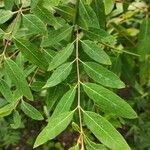
Apocynum cannabinum
Dogbane · Indian hemp · Hemp dogbane · American-hemp · Clasping-leaved dogbane
Description
Source: leafsnapApocynum cannabinum (dogbane, amy root, hemp dogbane, prairie dogbane, Indian hemp, rheumatism root, or wild cotton) is a perennial herbaceous plant that grows throughout much of North America—in the southern half of Canada and throughout the United States. It is poisonous to humans, dogs, cats, and horses. All parts of the plant are toxic and can cause cardiac arrest if ingested. Some Lepidoptera feed on this plant, such as a hummingbird moth.
🌳 Although its name implies a connection, indian hemp is not related to the hemp used for producing marijuana. Instead, it is employed to combat addictions — a surprising aspect of its use. Its lesser-known qualities go further: the fibers of indian hemp match cotton in softness, suggesting its potential for plant-based textiles. Historically, Native American tribes made clothing and ropes from indian hemp, demonstrating its varied uses.
🎭 Recovery, Vision of Love
Care Guide
💧 Water
Indian hemp thrives in temperate regions that have moderate moisture levels and can tolerate short droughts. To maintain optimal hydration, it benefits from weekly watering. Typically cultivated outdoors, this plant has a robust root system that efficiently utilizes water, helping it survive during periods of inconsistent rainfall.
How should I water my Indian hemp plants?
When watering the Indian hemp, it is best to use filtered water at room temperature. Tap water may contain harmful particles, so filtered water is preferred. The Indian hemp is accustomed to warm environments, so it is important to avoid using cold water, as it can shock the plant. Additionally, overhead watering should be avoided to prevent foliage complications. Instead, apply filtered room temperature water to the soil until it is thoroughly soaked. This is beneficial for the plant as it will moisten the roots and help them gather nutrients while spreading through the soil.
What should I do if I give my Indian hemp plant too much or too little water?
Both overwatering and underwatering can harm the health of your Indian hemp, but overwatering is more common. When the plant gets too much water, its stems and leaves may wilt and turn from green to yellow. Overwatering over time can cause diseases like root rot, mold, and mildew, which can kill your plant. Underwatering is less common because Indian hemp is fairly drought tolerant. However, it's still possible, and you'll notice brittle, brown leaves if it happens. It's crucial to detect signs of overwatering early. Some diseases, like root rot, can't be fixed if you wait too long. If you see early signs, reduce your watering schedule and check the soil quality. If the soil drains poorly, replace it with a loose, well-draining potting mix. If the plant is getting too little water, increase your watering frequency until the signs improve.
How frequently should I give water to my Indian hemp plant?
If you have a potted plant, the most precise way to determine if your Indian hemp plant needs water is by sticking your finger into the soil. If the top two to three inches of soil feel dry, then it's time to water it. If you have an Indian hemp plant growing outdoors in the ground, you can use a similar method to check the soil moisture. Once again, if the top few inches of soil are dry, it's time to water. Generally, you will need to water this plant about once a week during spring and early fall. However, in extremely hot weather, you may need to water it twice a week or more. It's worth noting that mature, well-established Indian hemp plants have a good ability to withstand drought.
How much water does my plant need?
When watering your Indian hemp, don't be afraid to give it plenty of water. Make sure the first two to three inches of soil are dry, and then give the plant a good, thorough watering. The water should be enough to completely saturate the soil and flow out of the drainage holes at the bottom of the pot. If you don't see any water draining out, you may not have given enough water. However, be careful not to let the water accumulate in the soil, as this could harm the plant. On the other hand, if water isn't draining properly, it could indicate that the soil doesn't drain well, which is not good for the plant. If the plant is outdoors, watering it with 1 inch of rain per week is sufficient.
How do I water my Indian hemp as it grows?
The water requirements of Indian hemp vary based on its growth stages. In the first few years and after transplantation, more water is needed. During these stages, the plant focuses on developing new roots, which require additional moisture. As the plant matures, it will require less water. Additionally, during the bloom period, the plant may need more water to support flower development.
☀️ Light Full sun
Indian hemp thrives with abundant sunlight, which is essential for its healthy development. Its native habitat offers conditions that provide considerable sun exposure during the day. Nevertheless, it can tolerate periods of reduced light without seriously impairing its growth. Excessive sun or insufficient sunlight may negatively affect various aspects of the plant's development.
What are the sunlight requirements for Indian Hemp (Apocynum cannabinum)?
Indian Hemp requires full sun exposure, thriving in conditions where it can soak up a substantial amount of sunlight throughout the day, which is crucial for its healthy growth. Its native habitat conditions allow for significant sun exposure, however, it can also withstand periods of reduced sunlight without significant detriment. For optimal growth, Indian Hemp should be placed in an environment that receives more than 6 hours of sunlight daily. Even so, the plant can manage with about 3-6 hours of sunlight, classified as partial sun, but it may not flourish as well as in full sun conditions. It's important to observe how sunlight moves through your garden throughout the day and choose planting spots that offer a good balance of light and shade.
How does artificial lighting support Indian Hemp growth indoors?
Indoor Indian Hemp plants require adequate lighting for optimal growth, especially when natural sunlight is insufficient, such as in winter or less sunny spaces. Artificial lights can be a vital solution, promoting faster, healthier growth. LED lights are a popular choice for indoor plant lighting as they can be customized to provide specific wavelengths of light that plants need. Full sun plants need around 30-50W per square foot of artificial light, partial sun plants 20-30W per square foot, and full shade plants 10-20W per square foot. The light source should be placed 12-36 inches above the plant, mimicking natural sunlight as closely as possible, and should be left on for 8-12 hours per day depending on the plant species requirements.
What are the symptoms of inadequate lighting for Indian Hemp?
Symptoms of light deficiency in Indian Hemp include smaller new leaves, leggy or sparse growth, faster leaf drop, slower or no new growth, lighter-colored new leaves, chlorosis (leaves turning yellow), sunscald (damaged plant tissue due to intense sunlight), leaf curling (as a defense mechanism against excessive sunlight), wilting (due to overexposure and increased water loss), and leaf scorching (brown, dry, crispy edges or patches on leaves due to excessive sunlight). These symptoms indicate that the plant is either not receiving enough light or is being subjected to too much direct sunlight, both of which can negatively affect its health and growth.
What are the solutions for dealing with inadequate sunlight for Indian Hemp planted indoors, outdoors, and in the ground?
For indoor plants, gradually move them to a sunnier location each week until they receive at least 6 hours of direct sunlight daily, utilizing a south-facing window for maximum exposure. Consider using artificial light if the plant is large or not easily movable, keeping a lamp on for at least 8 hours daily, or investing in professional plant grow lights. For outdoor plants, similarly, move them gradually to sunnier spots to avoid sudden light intensity changes that can cause sunburn. For Indian Hemp planted in the ground, minimize obstructions like tree branches that block sunlight and if necessary, transplant smaller plants during their dormant period to a location with ample sunlight and good drainage. It's important to note that parts of the plant affected by insufficient sunlight may not recover, but new growth should be healthy with increased light exposure.
🌡️ Temperature 5–35°C
Indian hemp is a temperate woody species that prefers temperatures of 41 to 95 ℉ (5 to 35 ℃). In its native growing conditions it does best during the growing season when temperatures are between 50 and 95 ℉ (10 to 35 ℃). In colder periods, it is recommended to set temperatures to 41 to 59 ℉ (5 to 15 ℃) to induce dormancy and help ensure its survival.
What are the essential growing conditions for Indian hemp?
Indian hemp, also known as Apocynum cannabinum, is a temperate woody plant that prefers a temperature range of 41 to 95 °F (5 to 35 °C). It thrives best in its native growth environments where the temperatures during the growing season range from 50 to 95 °F (10 to 35 °C). To promote dormancy and ensure the plant's survival in colder seasons, it's suggested to adjust the temperature to 41 to 59 °F (5 to 15 °C). Indian hemp has strong cold resistance, thus special frost protection measures are generally not required during winter. However, if winter temperatures are expected to drop below the plant's cold tolerance limit, cold protection should be provided by covering the plant with soil or straw. Additionally, abundant watering before the first freeze in autumn is recommended to keep the soil moist and prevent drought and water scarcity for the plant during winter and early spring.
How does low temperature affect Indian hemp, and what are the solutions?
Indian hemp is cold-tolerant and performs best when temperatures are above its minimum suitable growth range. During winter, it should be kept above its minimal tolerable growth temperature. If temperatures fall below the plant's growth limit, there might not be noticeable changes during winter, but there could be a decrease in sprouting or even a lack of sprouting during the spring. The solution to this problem is to remove any parts of the plant that have failed to sprout in the spring.
What happens when Indian hemp is exposed to high temperatures, and how can it be mitigated?
During summer, it's important to keep Indian hemp below its maximum suitable growth temperature. Exceeding its tolerable high-temperature limit can cause the leaves to become lighter in color, prone to curling, susceptible to sunburn, and in severe cases, the plant may wilt and become dry. To mitigate these effects, trim away the sunburned and dried-up parts of the plant. Move the plant to a location that provides shade during the midday and afternoon sun, or use a shade cloth. Watering the plant in the morning and evening will help keep the soil moist and reduce the risk of heat damage.
💨 Humidity
🪴 Soil 6-7
🌱 Fertilizer
A single application of fertilizer in spring is generally enough for Indian hemp, though multiple feedings can maximize growth. Feed once every month to a month and a half. Fertilization improves the leaves' appearance and function, helping maintain uniform color and a healthy texture. It also encourages root growth and better nutrient uptake for the plant's long-term health.
🪴 Pot & Repot Every 12 months
✂️ Pruning
Indian hemp has fibrous stems and clusters of small white flowers. Pruning from early to late spring encourages new growth and flowering, while removing dead branches helps maintain the plant's health. Making aggressive cuts can control the plant's size, improve its appearance, and promote vigorous growth. For specific techniques, consult local guides.
🌿 Propagating
🐛 Diseases & pets
☠️ Toxicity
Characteristics
- Plant Type
- Herb
- Life Cycle
- Perennial
- Genus
- Apocynum
- Family
- Apocynaceae
- Hardiness Zone
- 4-9
- Mature Height
- 2.13 m
- Mature Spread
- 46 cm to 76 cm
- Leaf Color
- Green
- Leaf Type
- Deciduous
- Flower Color
- White
- Flower Size
- 2.54 cm
- Bloom Time
- Late spring, Early summer, Mid summer
- Planting Time
- Spring
- Harvest Time
- Mid summer
- Native Area
- Mexico