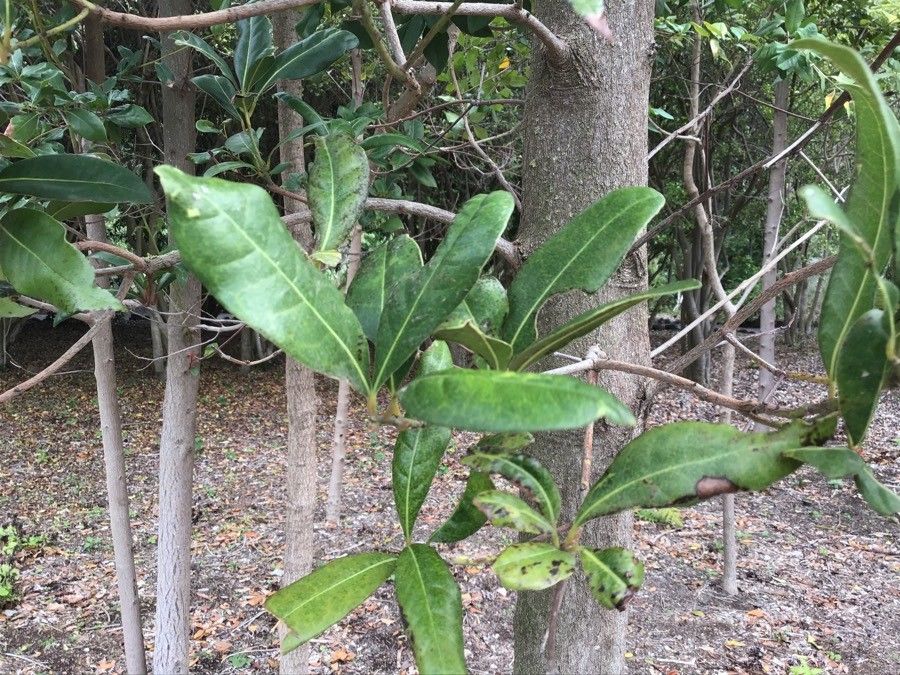
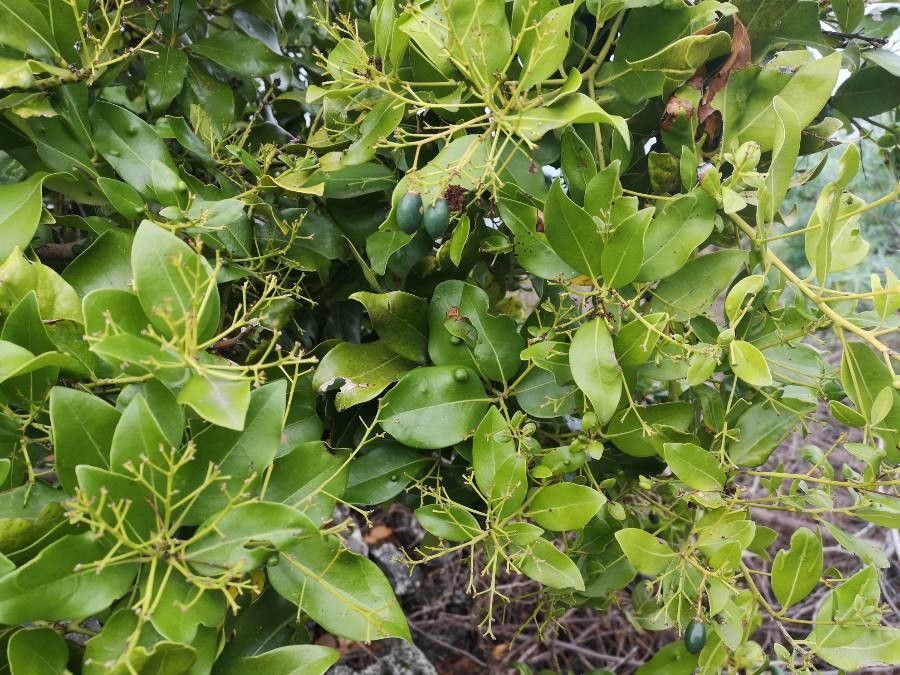
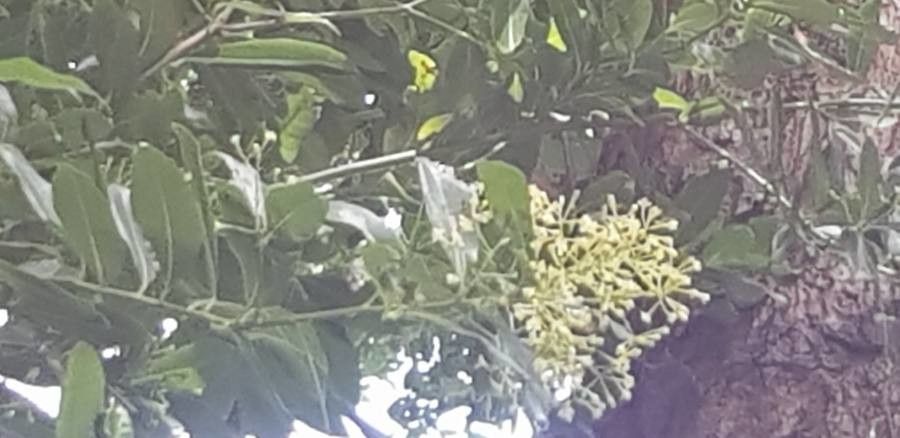
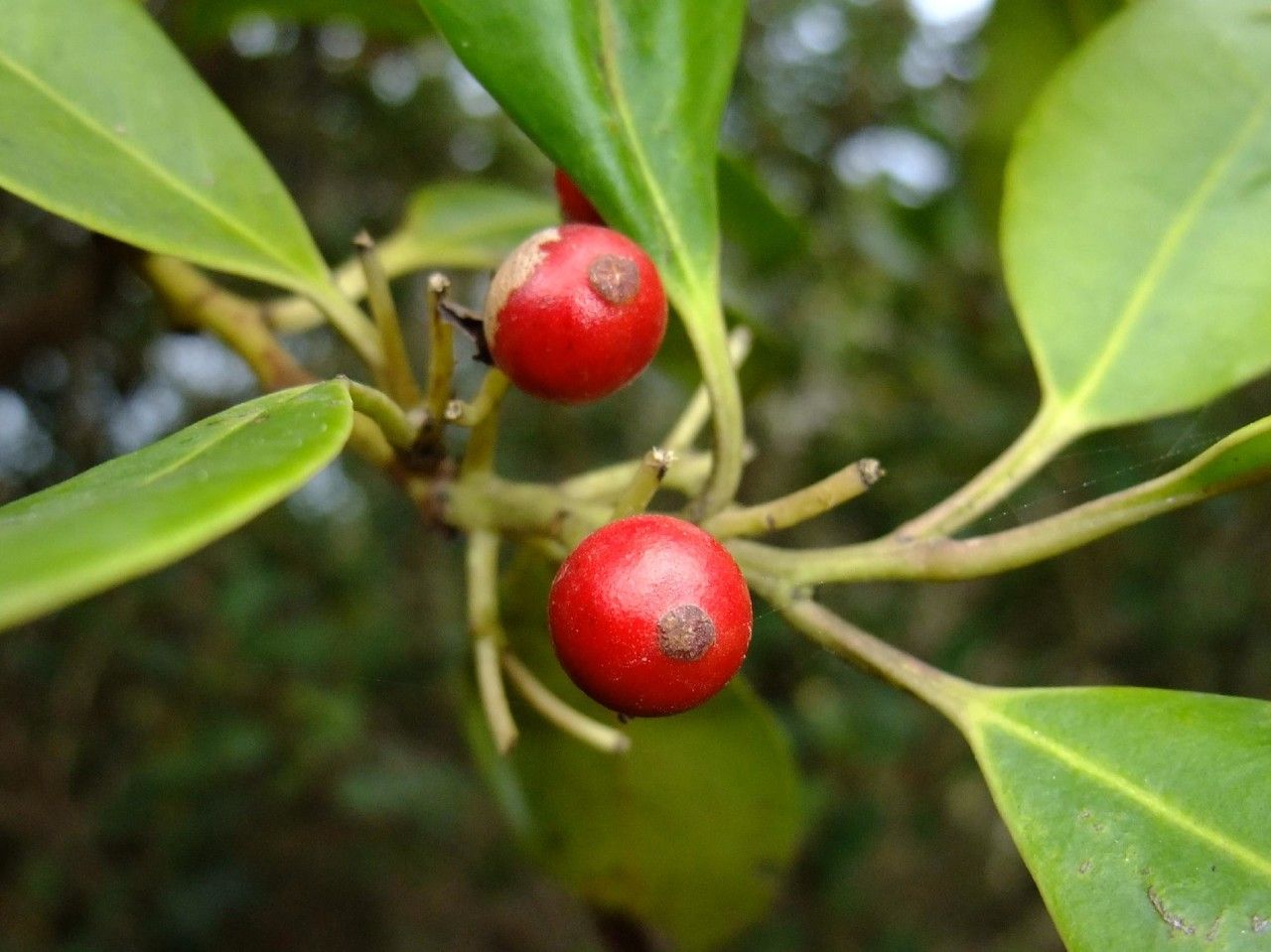
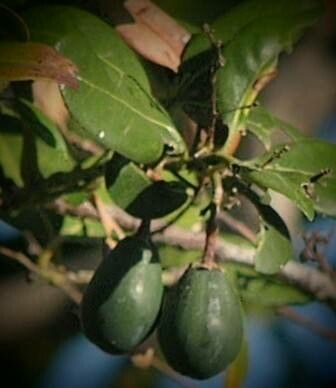
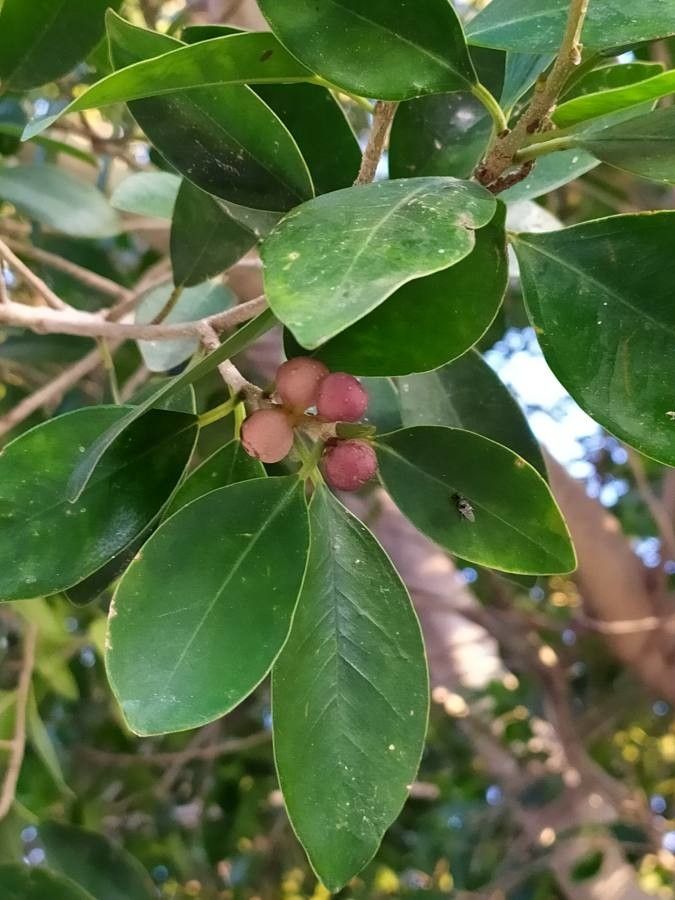
Apollonias barbujana , the Canary laurel or barbusano, is perhaps the only species of flowering plants belonging to the genus Apollonias of the laurel family, Lauraceae. It is endemic to the Macaronesian islands of Madeira and the Canary Islands. Molecular phylogenies have found that the species is nested within the genus Persea, closely related to Persea americana (avocado).The La Gomera subspecies is distinct and endangered.
Canary laurel has strong resistance to disease and is generally not prone to illnesses. In terms of care, this plant is fairly low maintenance. Planted outdoors, it needs only minimal watering, and larger plants typically do not require pruning. Smaller plants, however, should be pruned after they have finished blooming. Canary laurel is suitable for anyone with an outdoor area, such as a garden or deck, and does not demand a lot of gardening experience.
How to keep Apollonias Barbujana.
Light
The Canary laurel is indigenous to habitats like forest understories or rocky regions, where it naturally encounters shade. It typically favors partial sun exposure, yet it has the capability to adjust to both complete sunlight and full shade, showcasing its adaptable and resilient character.
Water
Originating from the humid Canary Islands, the canary laurel flourishes in subtropical conditions with regular moisture and consistent humidity. To maintain its lush foliage, it requires moderate watering on a weekly basis. As an evergreen, the canary laurel benefits from stable moisture levels throughout the year, especially indoors where the conditions are more controlled.
Temperature
Canary laurel demonstrates strong resilience to heat, tolerating elevated temperatures and substantial fluctuations in temperature. It's essential to monitor hydration and provide necessary shading during hot conditions to avoid sun damage. In contrast, Canary laurel's resistance to cold temperatures is fairly weak. Despite being able to withstand a certain level of cold, extremely cold conditions can cause frost harm.
Fertilizer
For the sake of encouraging robust growth, supply your Canary laurel with fertilizer during the early part of spring. Consistent fertilization aids in strengthening the overall well-being of the plant, thereby stimulating growth, enhancing its ability to withstand challenging contexts, and escalating its resistance to diseases and pests. Adhere to a certain schedule for fertilizing your Canary laurel to maintain its brightly colored and lush foliage.
Pruning
The Canary laurel is known for its strong evergreen leaves, and it benefits from pruning between early and late winter. To improve air circulation, remove dead branches and thin out crowded areas. Regular pruning encourages healthier growth, helps maintain its size, and ensures a lush appearance throughout the year.
Botanical profile.
- Plant Type
- Tree
- Life Cycle
- Perennial
- Genus
- Apollonias
- Family
- Lauraceae
- Hardiness Zone
- 9-11
- Mature Height
- 14.94 m to 20.12 m
- Mature Spread
- 7.92 m to 11.89 m
- Leaf Color
- Dark Green
- Leaf Type
- Evergreen
- Flower Color
- Yellow
- Flower Size
- 0.25 cm to 0.51 cm
- Bloom Time
- Early spring, Mid spring
- Planting Time
- Spring, Summer, Autumn
- Harvest Time
- Late summer, Early fall, Mid fall
Other names.