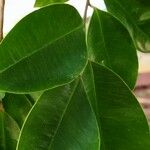
Aquilaria sinensis
Chinese agarwood · Incense tree · Chinese Eaglewood
Description
Source: leafsnapAquilaria sinensis is a species of plant in the family Thymelaeaceae. It is endemic to China. It is threatened by habitat loss. This medicinal plant is a source of fragrant wood, formed under a pathological condition, called Chen Xiang (Chinese: 沈香) in Standard Mandarin, or chàhm hēung in Cantonese, or agarwood.
Care Guide
💧 Water
White wood incense thrives in environments with high humidity and consistent moisture. It prefers soil that is slightly moist, so watering it every 2-3 weeks is ideal for maintaining the right balance between hydration and drainage. Although typically grown indoors, this plant benefits from increased air moisture, which can be achieved by misting or using pebble trays.
☀️ Light Full sun
White wood incense does best under strong light comparable to the ambient illumination of its surroundings. This species needs steady sunlight exposure to reach optimal growth. It flourishes in locations with abundant sun, much like its native habitat. Incorrect sunlight exposure may stunt its growth or produce harmful effects.
What are the sunlight requirements for White wood incense?
White wood incense requires full exposure to sunlight, thriving best in conditions where it receives more than 6 hours of sunlight daily. It's crucial to ensure that these plants are placed in locations within your garden or home that receive ample sunlight, mirroring the intense illumination of their native environments for optimal growth. It's important to monitor the movement of sunlight through your garden to find spots that offer a harmonious balance of light and shade, catering to the happiness and health of your plants.
How do artificial lighting conditions affect the growth of White wood incense?
When natural sunlight is not sufficient, especially during winter or in areas of your home that receive less sunlight, artificial lighting becomes essential for the health and growth of White wood incense. Indoor plants benefit significantly from artificial lights, which can promote faster and healthier growth. LED lights are particularly recommended due to their ability to emulate specific wavelengths of light needed by plants. For plants requiring full sun, 30-50W/sq ft of artificial light is needed, 20-30W/sq ft for partial sun plants, and 10-20W/sq ft for full shade plants. The light source should be placed 12-36 inches above the plant, ensuring it receives 8-12 hours of light daily to mimic natural daylight hours.
What are the symptoms of insufficient light in White wood incense?
White wood incense displays several symptoms when it's not receiving enough light, indicative of its distress. These symptoms include smaller new leaves, leggy or sparse growth, faster leaf drop, halted growth, lighter-colored new leaves, and chlorosis - a condition leading to yellowing leaves due to inadequate chlorophyll. Symptoms of overexposure to sunlight include sunscald, leaf curling to reduce surface area exposure, wilting due to water loss, and leaf scorching, which manifests as brown, dry edges on the leaves.
How can I manage lighting conditions for White wood incense to ensure optimal growth?
To optimize the growth of White wood incense, gradually transitioning the plant to sunnier spots is critical, aiming for at least 6 hours of direct sunlight daily. For indoor plants, especially those too large to move easily, supplementing with artificial light for a minimum of 8 hours a day can be beneficial. For outdoor adjustments, a gradual relocation process is recommended to prevent sunburn. Additionally, reducing obstructions like overhanging branches can improve sunlight exposure. If required, transplanting smaller plants during their dormant period to sunnier locations with good drainage may also foster healthier growth.
🌡️ Temperature 20–37.8°C
White wood incense grows best in its natural habitat where temperatures are between 68 and 100.4 °F (20 to 38 ℃). It prefers warm conditions, though minor adjustments may be required with seasonal changes.
What is the ideal temperature range for growing White wood incense?
White wood incense, or Aquilaria sinensis, thrives in temperatures ranging from 68 to 100.4 °F (20 to 38 °C), favoring warm conditions. It's crucial to adjust care slightly according to seasonal changes. During winter, maintaining temperatures above 20°C is beneficial for the plant's growth, while temperatures nearing 5°C or lower are harmful.
What should I do with my White wood incense in autumn and winter?
In the autumn, as this plant is extremely heat-loving, White wood incense grown outdoors should be brought indoors to protect it from cold temperatures. It should be placed near a bright window, ensuring it is not too close to heaters to avoid harm. During winter, keeping the plant in temperatures above 20°C is key for its wellbeing.
How does low temperature affect White wood incense and what are the solutions?
White wood incense is not tolerant of low temperatures and shows signs of distress when the temperature falls below 20°C. Symptoms of cold damage include leaves lightening in color and, following frost, turning brown or black, with wilting and drooping. If such damage occurs, trim the frost-damaged parts and move the plant to a warm environment indoors, ideally near a south-facing window while avoiding placing it near heaters or air conditioners to prevent the air from becoming too dry.
How does high temperature affect White wood incense and what are the solutions?
During the summer, temperatures above 38°C can cause issues for White wood incense plants, making them susceptible to sunburn if exposed to temperatures over 43°C, indicated by a lightening of the leaves' color. To mitigate this, trim any sunburned or dried parts, and relocate the plant to a shaded area during the harshest midday and afternoon sun. It's also beneficial to water the plant in the morning and evening to maintain soil moisture.
💨 Humidity
🪴 Soil 5-7
🌱 Fertilizer
Applying fertilizer is vital to the care of White wood incense. Regular feeding throughout the growing season helps maintain the energy needed for its showy leaves and supports overall growth. Failing to fertilize can lead to unhealthy leaves, reduced ornamental value, and stunted or weak growth prone to breakage.
🪴 Pot & Repot
✂️ Pruning
To maintain your white wood incense plants, it's best to prune them in early spring. Start by removing any dead branches and thinning out crowded areas to improve air circulation. Shape the plants and control their height to maintain their desired form. This practice promotes resin production and helps prevent fungal infections. Always use clean, sharp tools to keep your white wood incense plants healthy and looking their best throughout the growing season.
🌿 Propagating
🐛 Diseases & pets
☠️ Toxicity
Characteristics
- Plant Type
- Tree
- Life Cycle
- Perennial
- Genus
- Aquilaria
- Family
- Thymelaeaceae
- Hardiness Zone
- 10-12
- Mature Height
- 14.94 m
- Mature Spread
- 11.89 m
- Leaf Color
- Dark Green
- Leaf Type
- Semi-evergreen
- Flower Color
- White
- Flower Size
- 0.51 cm to 0.76 cm
- Bloom Time
- Late spring, Early summer
- Planting Time
- Spring
- Harvest Time
- Late summer, Early fall
- Native Area
- China