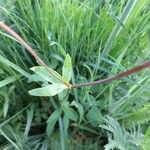
Aquilegia formosa
Crimson Columbine · Western columbine · Scarlet Columbine · Sitka Columbine
Description
Source: leafsnapAquilegia formosa, the crimson columbine, western columbine, or (ambiguously) "red columbine", is a common wildflower native to western North America, from Alaska to Baja California, and eastward to Montana and Wyoming.
🎭 The symbol of betrayed lovers: ingratitude and faithlessness
Care Guide
💧 Water
Crimson Columbine, which originates from moist environments, requires consistent hydration. It thrives with a good balance between moisture retention and drainage. To keep it healthy, water the plant weekly and apply mulch to help retain soil moisture. This plant prefers cooler climates and is typically grown outdoors, where it benefits from seasonal rainfall.
How should I water my Crimson Columbine plant?
To properly water the Crimson Columbine, use filtered water that is at room temperature or slightly warmer. Tap water may contain harmful particles, so it's best to use filtered water. Since the Crimson Columbine is native to warm environments, cold water can be a shock to its system. Avoid overhead watering, as it can cause problems with the foliage. Instead, apply the filtered room temperature water directly to the soil until it is fully soaked. This will benefit the plant by moistening the roots and helping them spread throughout the soil to collect essential nutrients.
What can I do if I give my Crimson Columbine too much or too little water?
Overwatering is the main issue to watch out for with Crimson Columbine, as it is more common and can lead to wilted, yellow leaves, as well as diseases like root rot, mold, and mildew. Underwatering is less likely, but can cause brittle, brown leaves. To prevent overwatering, be attentive to early signs and reduce watering as needed. If the soil doesn't drain well, replace it with a loose, well-draining mix. If underwatering becomes apparent, simply water more regularly until the signs improve.
How often do I need to water my Crimson Columbine plant?
If your Crimson Columbine plant is in a pot, the most accurate way to determine if it needs water is by checking the soil. Stick your finger into the soil and if the first two to three inches are dry, it's time to water it. If you have planted your Crimson Columbine outdoors in the ground, you can use a similar method for testing the soil. Again, when the first few inches of soil are dry, it's time to water. Typically, during spring and early fall, you may need to water the plant about once a week using this method. However, during very hot weather, you might need to water it about twice or more per week. It's important to note that mature, well-established Crimson Columbine plants can endure drought conditions quite well.
How much water does my Crimson Columbine plant need?
When watering your Crimson Columbine, don't hold back on the amount of water you give. Wait for the top layer of soil to dry, then water thoroughly so that the soil is completely soaked. Make sure to add enough water that it flows out of the drainage holes at the bottom of the pot. If you don't see excess water draining, you might be giving too little water. However, be careful not to let water accumulate in the soil, as that can harm the plant. On the other hand, if water is not draining properly, it could mean the soil doesn't have good drainage, which is bad for the plant's health. If the plant is outside, it only needs about 1 inch of rain per week.
How do I water my Crimson Columbine when it's growing at different stages?
The water needs of the Crimson Columbine can vary depending on its growth stages. When it's in its early years or has recently been transplanted, it requires more water than usual. During these stages, the focus is on developing new roots to support future growth, and these roots require more moisture. After a few seasons, the water requirements decrease. Another stage that requires more water is the bloom period, as flower development uses a significant amount of moisture.
☀️ Light Full sun
Crimson Columbine grows best in locations that receive sunlight for most of the day, although it can tolerate places with some partial shade. In its natural range it inhabits bright, open areas. Insufficient or excessive sunlight can cause it to develop and grow poorly.
What are the sunlight requirements for Crimson Columbine?
Crimson Columbine thrives best when it receives sun exposure for the majority of the day but can also withstand some degree of shade. Typically, the plant benefits from full sun conditions, which means it should receive more than 6 hours of sunlight daily. However, it can also grow under partial sun, which is about 3-6 hours of sunlight. The key is to monitor the light throughout your garden meticulously, ensuring that you place your plants in spots that offer a healthy balance of light and shade to promote optimal growth. This careful observation helps in meeting the distinct sunlight needs of Crimson Columbine, ensuring its health and vibrancy.
How can artificial lighting be used for growing Crimson Columbine indoors?
When natural sunlight is not sufficient, especially during winter or in areas of your home that do not receive enough sunlight, artificial lighting can be a viable alternative to support the growth of Crimson Columbine indoor plants. LED lights are recommended because they can be customized to emit specific wavelengths needed for plant growth. For plants that prefer full sun, an output of 30-50W per square foot is ideal. For partial sun plants, 20-30W per square foot is suitable, and full shade plants require 10-20W per square foot. The artificial light source should be placed 12-36 inches above the plants to mimic natural sunlight conditions, and the lights should be left on for 8-12 hours per day to simulate the length of natural daylight hours, ensuring the plants receive adequate light for healthy growth.
What symptoms indicate that Crimson Columbine is not receiving enough light?
Crimson Columbine displays several symptoms when it doesn't receive adequate sunlight, crucial for its growth. Common signs include the development of smaller leaves than previously matured ones, leggy or sparse growth with longer spaces between leaves or stems, and a faster rate of leaf drop as the plant conserves its resources. Other symptoms of insufficient light are slowed or halted growth, where the plant enters a survival mode, and the emergence of lighter-colored or pale new leaves, indicating a lack of chlorophyll and essential nutrients. Addressing these symptoms promptly by adjusting the plant's light exposure is vital for restoring its health and promoting robust growth.
What symptoms indicate that Crimson Columbine is receiving too much light?
Excessive sunlight exposure can also adversely affect Crimson Columbine, leading to symptoms such as chlorosis, where leaves lose their green color and turn yellow due to chlorophyll breakdown, impacting the plant's ability to photosynthesize. Sunscald is another symptom manifesting as pale, bleached, or necrotic areas on plant tissue, while leaf curling represents a defense mechanism to minimize water loss under extreme sunlight. Additional signs include wilting, where the plant loses turgor pressure, and leaf scorching, characterized by brown, dry, and crispy leaf edges. These symptoms indicate that the plant's light exposure needs to be adjusted to prevent further damage.
How can you remedy light-related issues for Crimson Columbine?
To address light-related issues in Crimson Columbine, whether due to insufficient or excessive light, several strategies can be employed. For indoor plants not receiving enough light, gradually transitioning them to sunnier spots or using artificial lighting like desk or ceiling lamps, and professional grow lights for at least 8 hours daily can be effective. Outdoors, adjusting plant placement gradually to more suitable sunlight conditions helps avoid sunburn from abrupt changes. When dealing with obstructions that limit sunlight, pruning or transplanting the plant during its dormant period to a location with better light exposure can prove beneficial. While affected parts may not recover, new growth will emerge healthier with correct light adjustments.
🌡️ Temperature 0–32.2°C
Crimson Columbine is native to regions where temperatures usually range from 32 to 90 °F (0 to 32 °C). It does best under those conditions. As the seasons change, it may require monitoring, particularly if temperatures become too low or too high.
What is the native climate for Crimson Columbine?
Crimson Columbine thrives in climates where temperatures typically range from 32 to 90 °F (0 to 32 °C), making it ideal for regions that experience these temperature ranges. It is highly cold-tolerant, comfortably enduring the winter months without the need for additional frost protection measures. To prepare for winter, it's advised to water the plant generously before the first freeze of autumn, ensuring that the soil remains moist and enters a frozen state. This preparation helps to prevent drought and water scarcity for the plant during the colder, drier months of winter and early spring.
How does Crimson Columbine handle low temperatures?
Crimson Columbine is exceptionally cold-tolerant and can manage winter temperatures well above -35°C (-31°F). Despite this tolerance, if temperatures fall below -35°C, it may not show immediate distress but might experience a decrease in sprouting or failure to sprout at all come springtime. To address this issue, it's recommended to remove any parts of the plant that have failed to sprout as the weather warms up in spring.
What should I do if Crimson Columbine experiences high temperatures?
Crimson Columbine struggles with high temperatures, particularly those exceeding 32°C (90°F), which can halt its growth and increase susceptibility to rot. To mitigate heat stress, prune away any sunburned or dried parts of the plant. Relocating the plant to a shaded area or utilizing shade cloth can protect it from direct midday and afternoon sun. Additionally, watering the plant during the cooler morning and evening hours can help keep the soil adequately moist, further aiding in the plant's cooling and hydrating processes.
What is the botanical name of Crimson Columbine?
The botanical name of Crimson Columbine is Aquilegia formosa. This nomenclature helps identify the plant accurately in scientific communities and among gardening enthusiasts, distinguishing it from other species within the Aquilegia genus.
💨 Humidity
🪴 Soil 5-7
🌱 Fertilizer
The best time to fertilize a Crimson Columbine is in early spring, as it breaks dormancy and starts active growth. Fertilization supplies essential nutrients needed for healthy development. Although Crimson Columbine requires relatively little fertilizer, applying it annually can improve its survival and encourage better, longer-lasting blooms.
Why should I put fertilizer on my Crimson Columbine?
Fertilization benefits the Crimson Columbine and other plants by providing essential nutrients for growth above and below ground. Although the overall fertilization requirements for a Crimson Columbine are low, regular fertilization can greatly benefit the plant's survival and enhance the quality and longevity of its flowers. Therefore, those aiming to maximize the appearance of their Crimson Columbine should prioritize annual fertilization.
When should I fertilize my Crimson Columbine for the best results?
The best time to fertilize a Crimson Columbine is in late winter to early spring when the plant is transitioning from dormancy to active growth. Fertilizing at this time promotes healthy growth and helps the plant start the season off well. Fertilizing in early spring is generally most beneficial, but it is also acceptable to fertilize in the fall. However, it is not recommended to fertilize during the summer or winter seasons.
When should I not put fertilizer on my Crimson Columbine?
To ensure optimal growth and avoid complications, it is recommended to fertilize your Crimson Columbine only in late winter and early spring. This plant has low fertilizer needs, so a single annual feeding is sufficient. Fertilizing during spring, summer, and fall can easily result in overfertilization. However, if you missed fertilizing in spring, it is acceptable to feed the plant in fall. It is important to not fertilize during the winter as the Crimson Columbine is in a dormant phase and does not undergo new growth.
What kind of fertilizer does my Crimson Columbine plant need?
To help your Crimson Columbine thrive, you can choose any general-purpose fertilizer that contains a balanced amount of the three main plant nutrients. However, there are some nutrient blends that may offer even greater benefits. For example, gardeners often believe that higher levels of phosphorus can strengthen roots and promote better flowering. Therefore, using a phosphorus-rich fertilizer may be ideal for your flowering Crimson Columbine. Whether you prefer granular or liquid fertilizer, the important thing is to make sure it contains plenty of nutrients. Besides manufactured fertilizers, you can also improve the soil for your Crimson Columbine using organic methods such as compost and manure. These materials can greatly contribute to creating a healthy growing medium for your plant.
How should I make my Crimson Columbine grow better?
The best way to fertilize a Crimson Columbine plant is by applying granular or pellet fertilizer to the soil around it. To do this, wait until early spring when the plant starts showing shoots above the soil. Apply the fertilizer at this time. Alternatively, you can use liquid fertilizer, but make sure to dilute it with water before application. Remember to moisten the soil before, during, and after applying fertilizer, regardless of the type you choose.
🪴 Pot & Repot
✂️ Pruning
The Crimson Columbine is known for its striking red flowers and delicate leaves. To ensure it flourishes, prune it in early spring. Remove any dead stems and trim the plant after it blooms to encourage new growth. Thinning the plant helps improve air circulation, which reduces the risk of disease. Make sure your cuts are clean and sharp; this is crucial for the plant's healthy recovery and vigorous blooming next season.
🌿 Propagating
🐛 Diseases & pets
☠️ Toxicity
Characteristics
- Plant Type
- Herb
- Life Cycle
- Perennial
- Genus
- Aquilegia
- Family
- Ranunculaceae
- Hardiness Zone
- 3-7
- Mature Height
- 0.2 m to 1.22 m
- Mature Spread
- 20 cm
- Leaf Color
- Green, Blue
- Leaf Type
- Deciduous
- Flower Color
- Red, Yellow
- Flower Size
- 2.54 cm to 5.08 cm
- Bloom Time
- Late spring, Early summer, Mid summer
- Planting Time
- Spring, Summer, Autumn
- Harvest Time
- Early summer, Mid summer
- Native Area
- Mexico