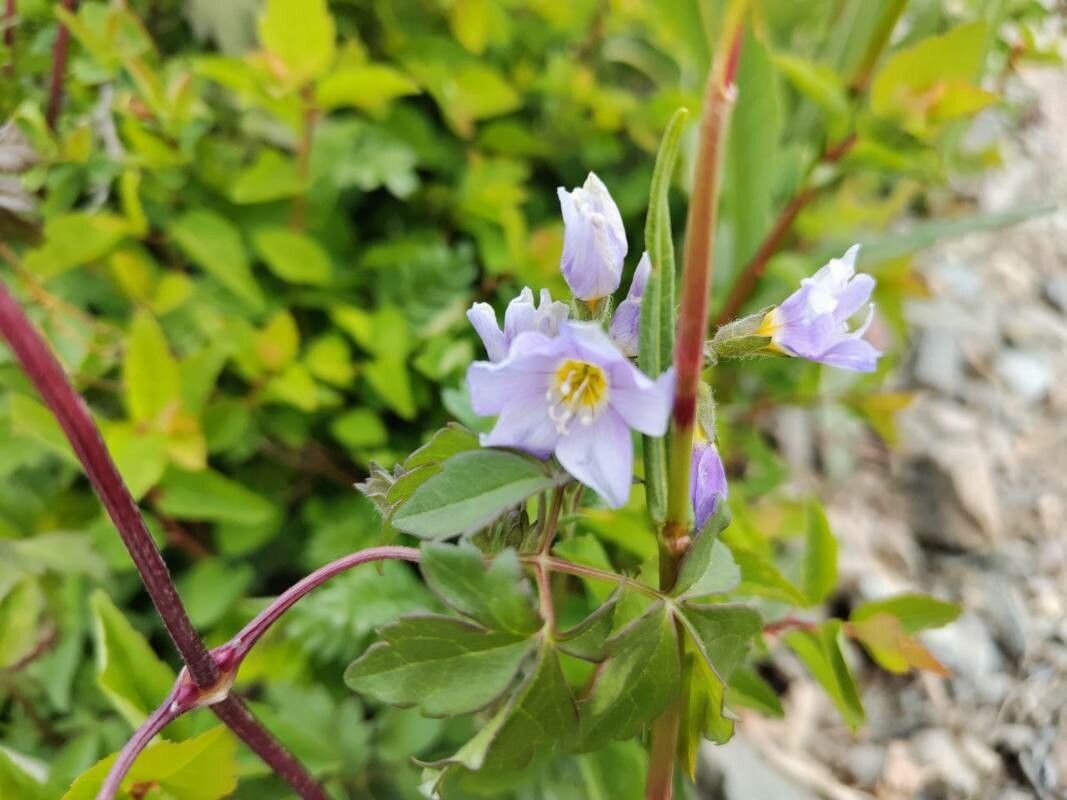
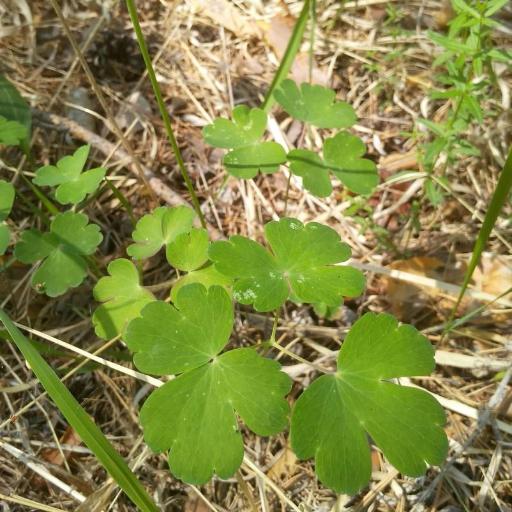
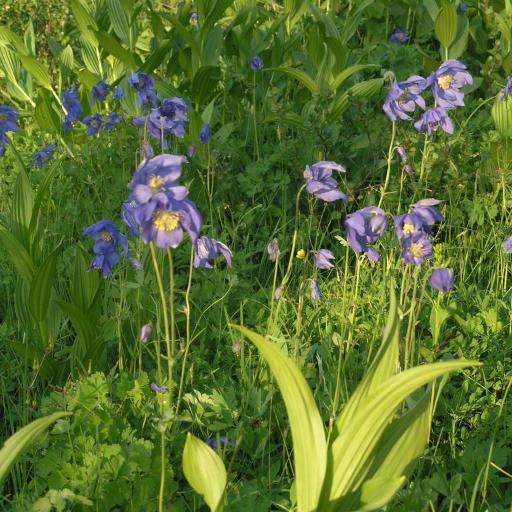
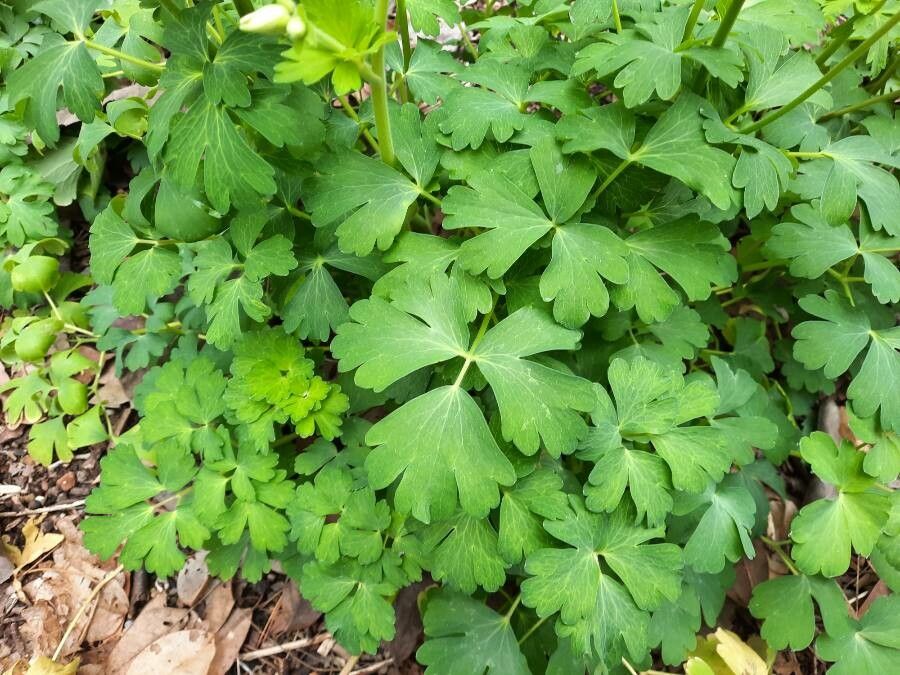
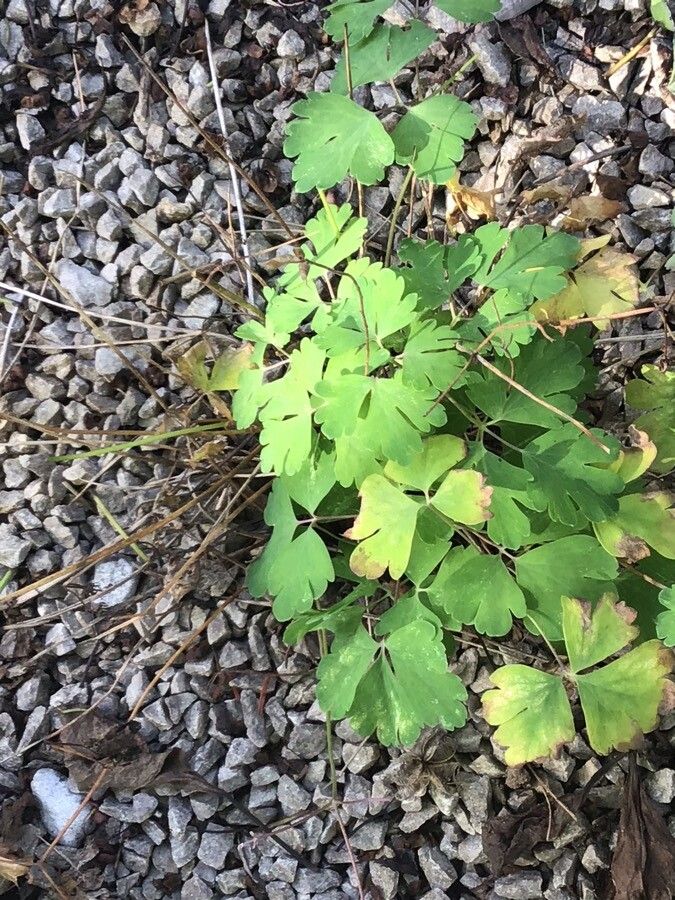
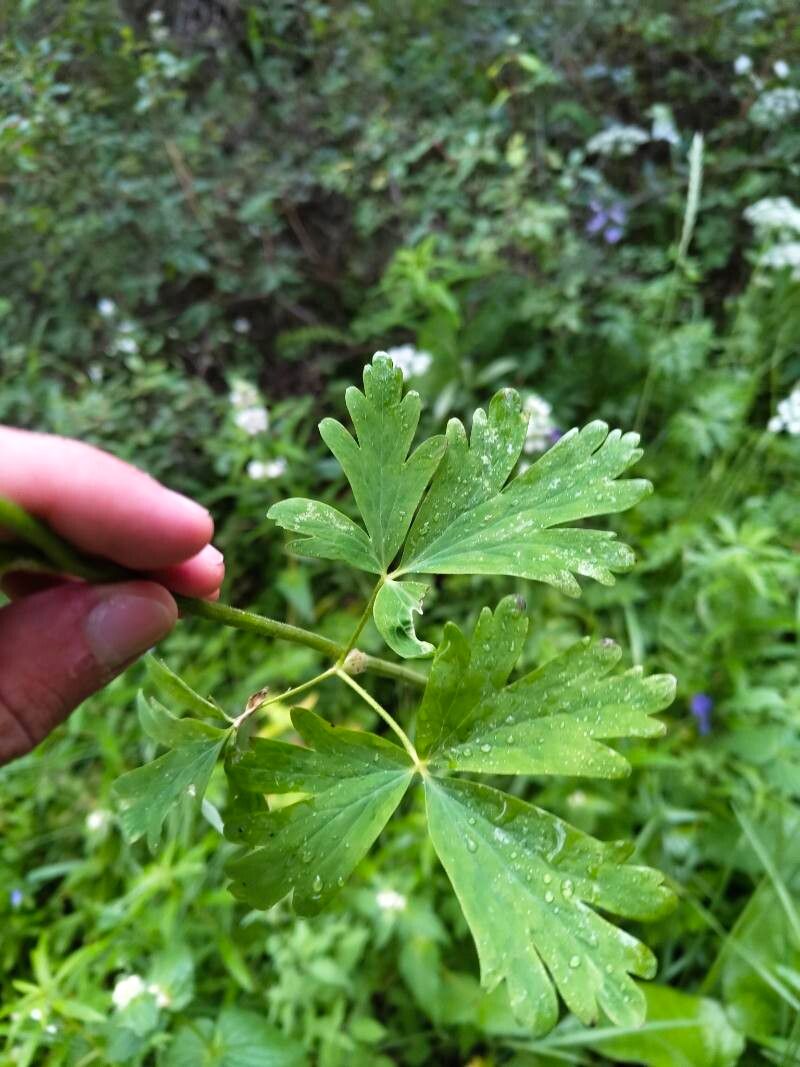
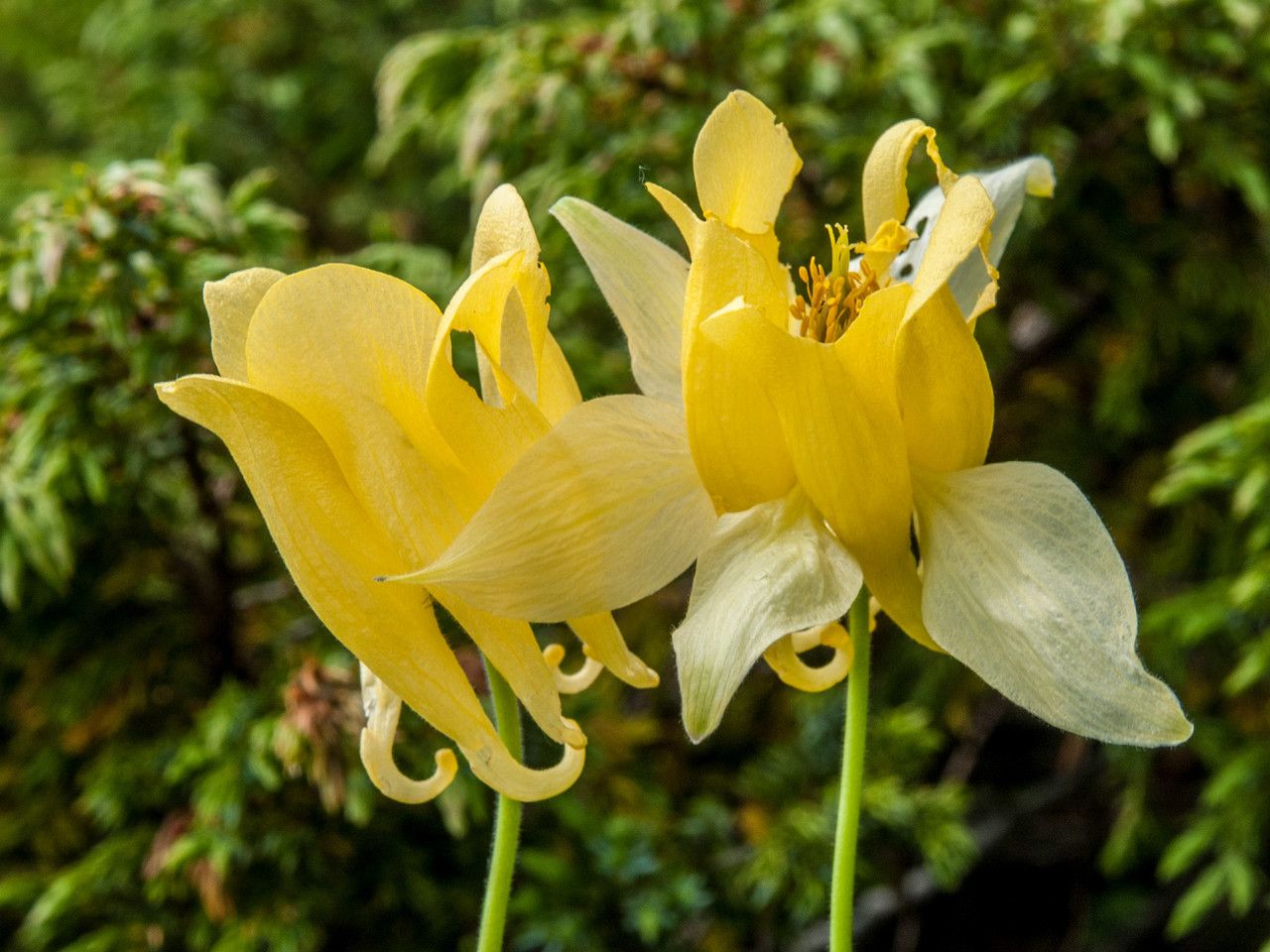
Aquilegia glandulosa, the Altai columbine or Siberian columbine, is a perennial species of flowering plant in the family Ranunculaceae, native to northern and central Asia.
Fan columbine is fairly resistant to disease and usually does not tend to get sick. However, it can be affected by pests and diseases present in its surroundings. These infections are typically mild. In terms of care, the plant needs moderate maintenance. It should be pruned regularly to maintain a neat appearance and healthy growth. Fertilizing can also help encourage flowering. Fan columbine is suitable for anyone with outdoor space, such as a garden or patio, and does not require extensive gardening experience. It may need more attention when grown indoors.
How to keep Aquilegia Glandulosa.
Light
Fan columbine prefers a place with filtered sunlight, though it can tolerate full sun. Native to areas where light is partially diffused, it thrives at every stage of growth under these lighting conditions. Excessive exposure can damage its health, while too little light can hinder its development.
Water
The Siberian columbine flourishes in cool, moist mountain environments and needs regular watering to stay healthy. This herbaceous perennial's growth is directly affected by rainfall, which is vital for its seasonal development in temperate climates.
Temperature
Fan columbine can tolerate a wide range of temperatures, but its distribution may still be restricted by particular combinations of moisture and heat. It does best in warm summer climates with sufficient rainfall or watering. Extended periods of cloudy, rainy weather, as well as prolonged high temperatures, can increase the chance that Fan columbine will die. In winter, protecting Fan columbine from severe cold can improve its survival rate.
Fertilizer
The ideal time to fertilize a Fan columbine is in early spring, as it comes out of dormancy and begins active growth. Fertilizing supplies essential nutrients for healthy growth. Although Fan columbine has relatively low fertilizer needs, applying fertilizer annually can enhance its survival and promote better, longer-lasting flowers.
Pruning
Siberian columbine is a perennial plant known for its nodding flowers. To maintain its health and encourage more blooms, prune the plant in early to late spring and regularly deadhead any spent flowers. Remove any damaged leaves to improve air circulation and reduce the risk of pests. Always use clean tools when pruning to prevent the spread of disease, which will enhance both the plant’s health and its visual appeal.
Botanical profile.
- Plant Type
- Herb
- Life Cycle
- Perennial
- Genus
- Aquilegia
- Family
- Ranunculaceae
- Hardiness Zone
- 3-9
- Mature Height
- 30 cm
- Mature Spread
- 15 cm
- Leaf Color
- Green, Blue
- Leaf Type
- Deciduous
- Flower Color
- White
- Flower Size
- 3.05 cm
- Bloom Time
- Mid spring, Late spring, Early summer
- Planting Time
- Spring, Summer, Autumn
- Harvest Time
- Mid summer, Late summer, Early fall
- Native Area
- Russia, Koppen, Japan, China