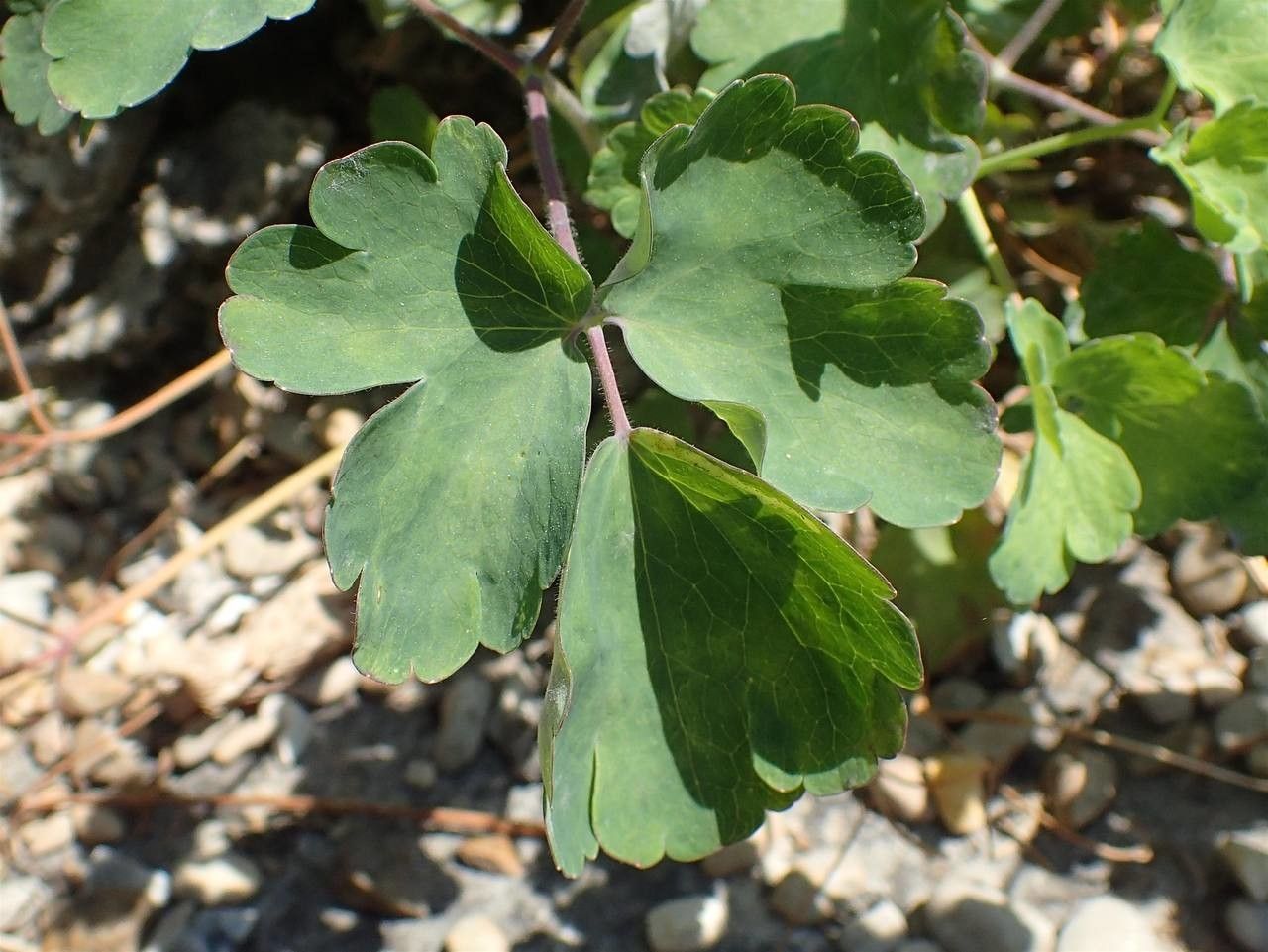
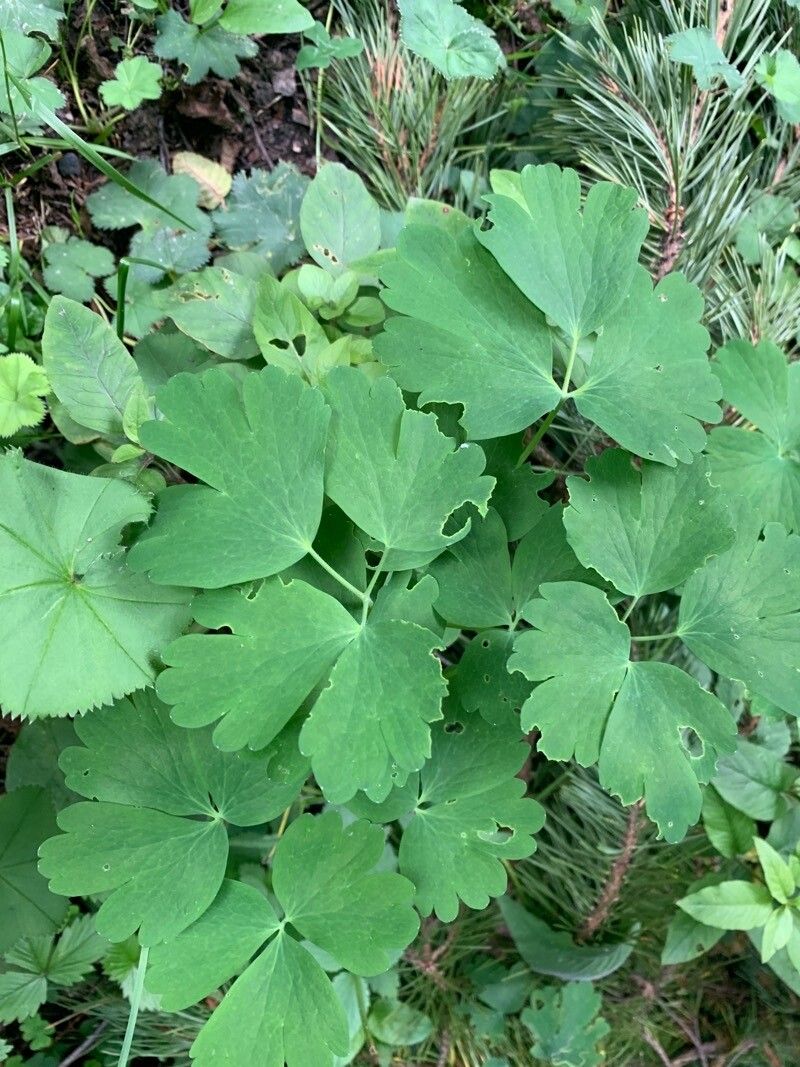
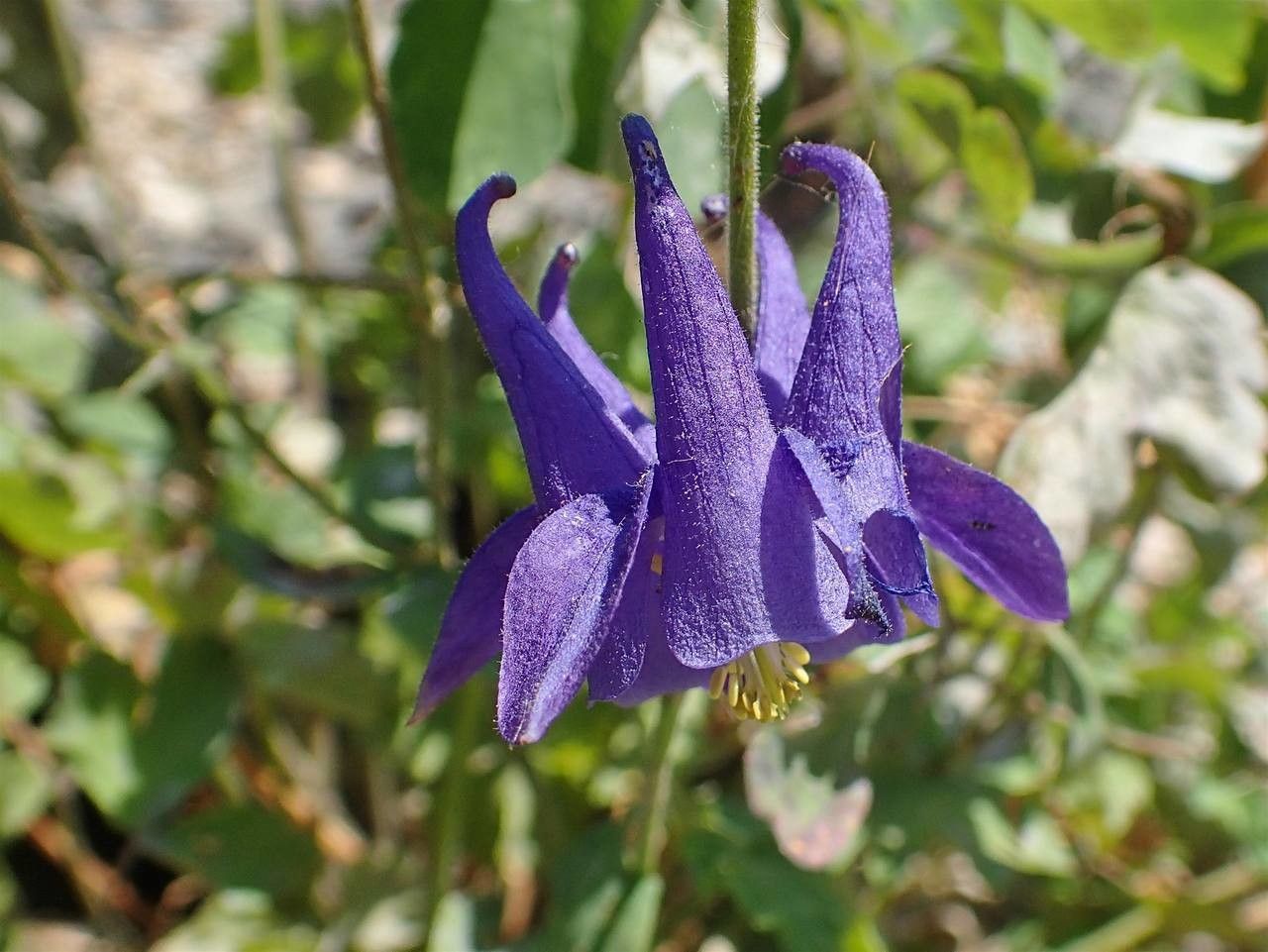
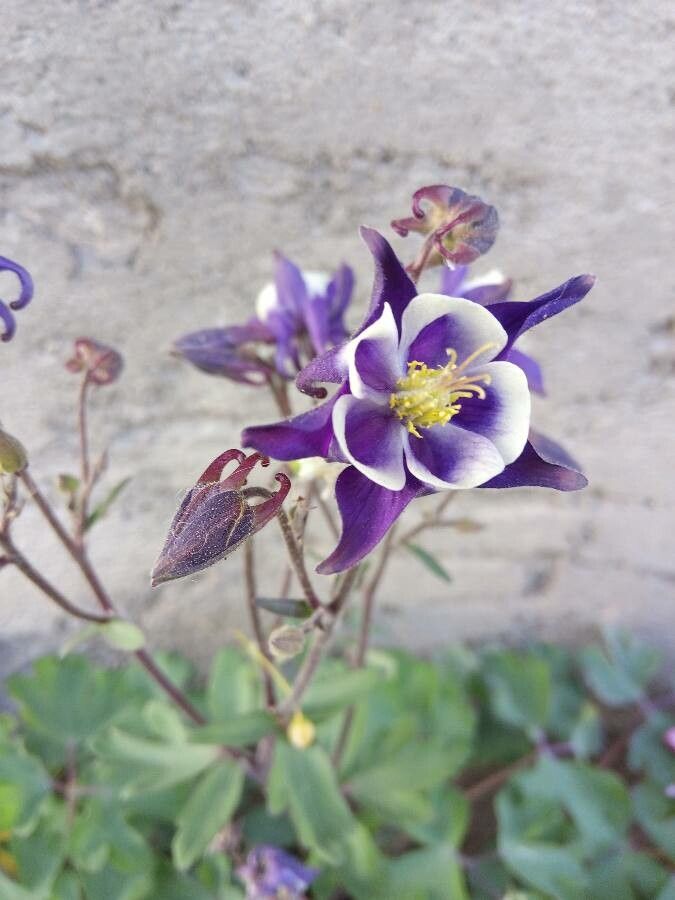
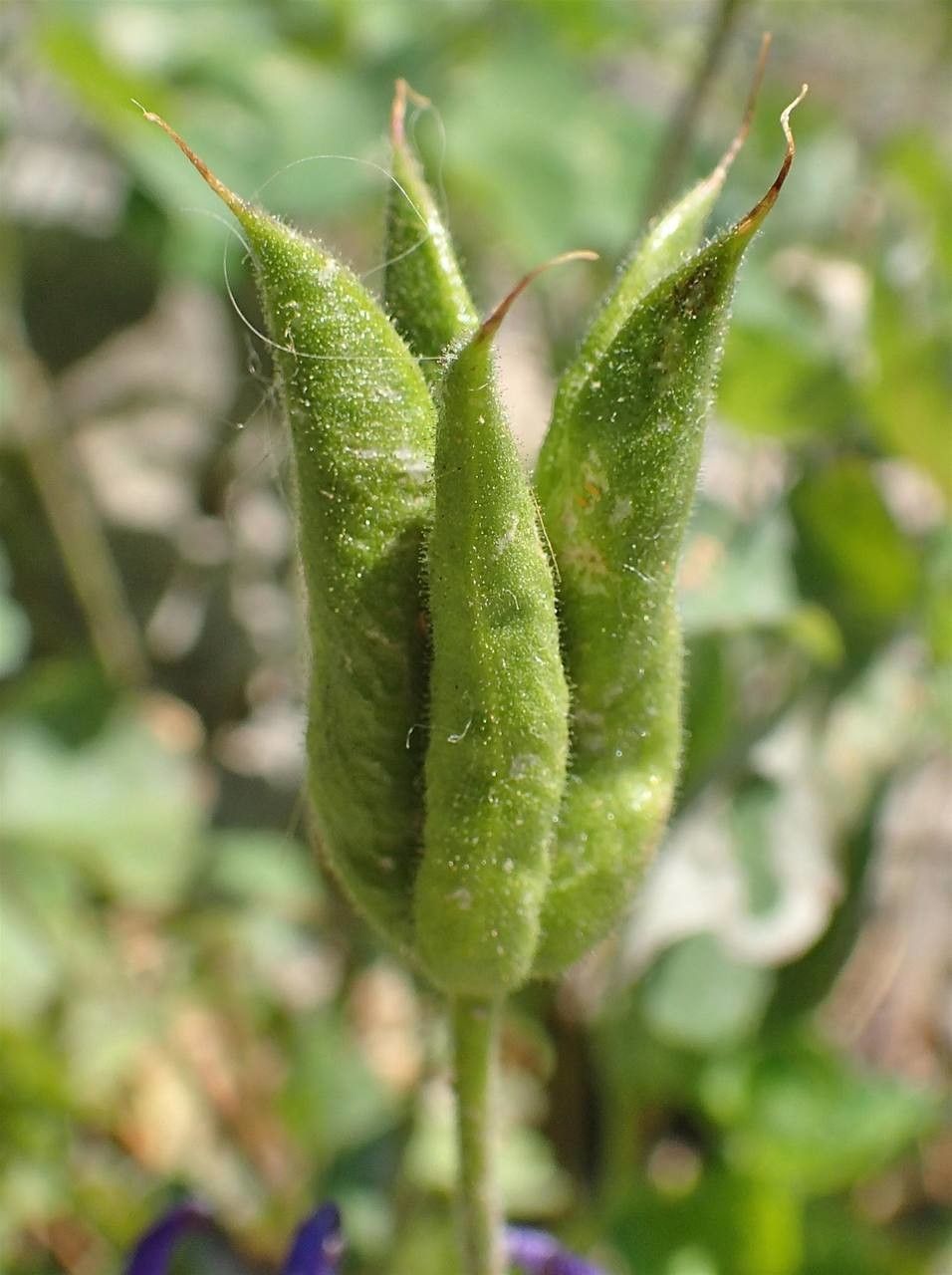
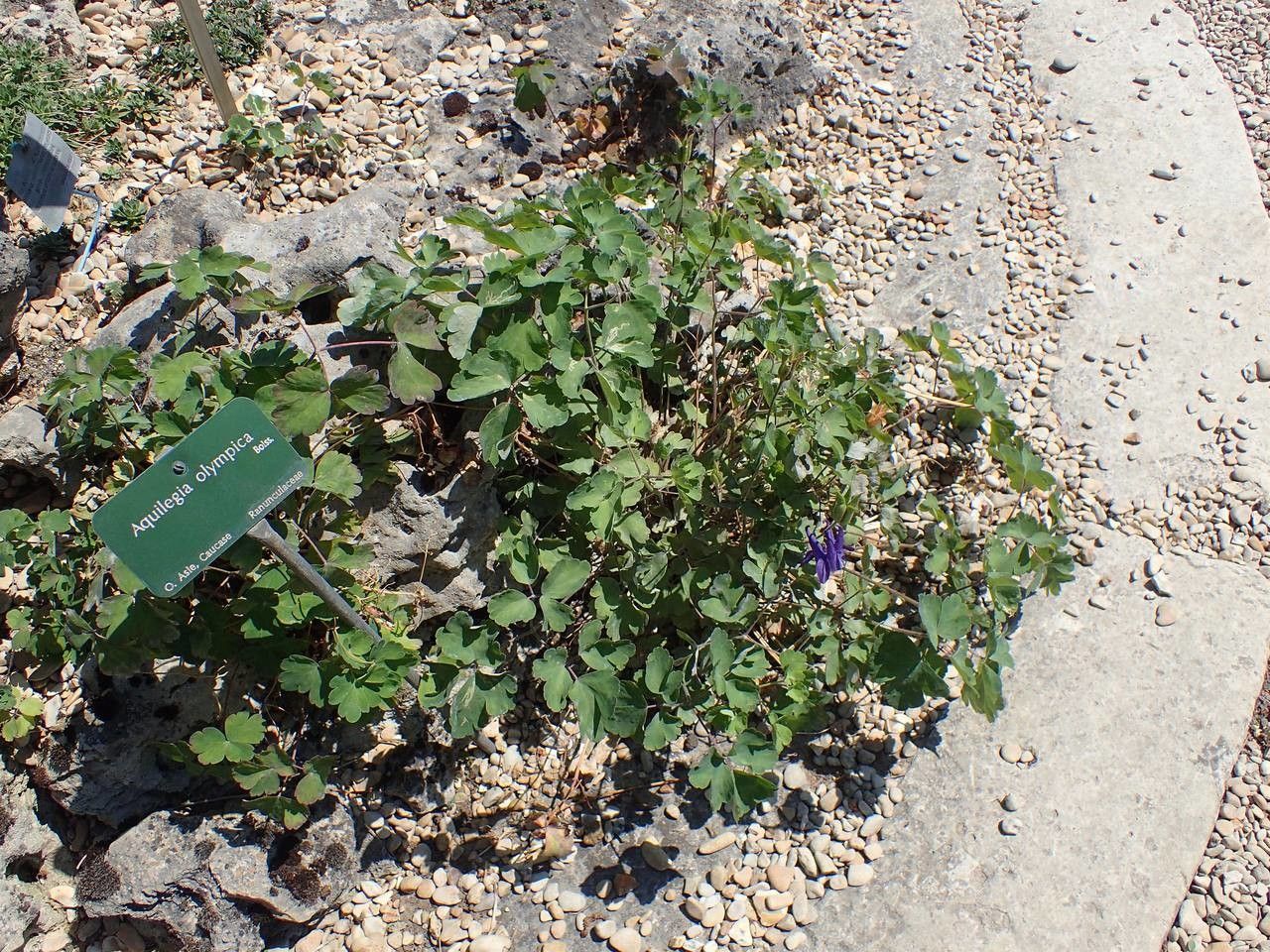
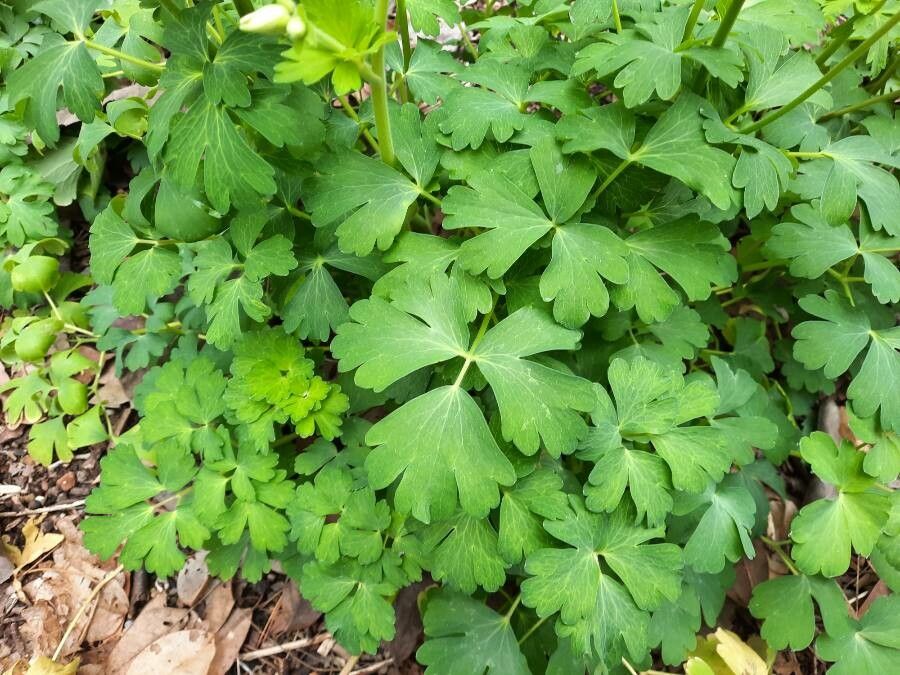
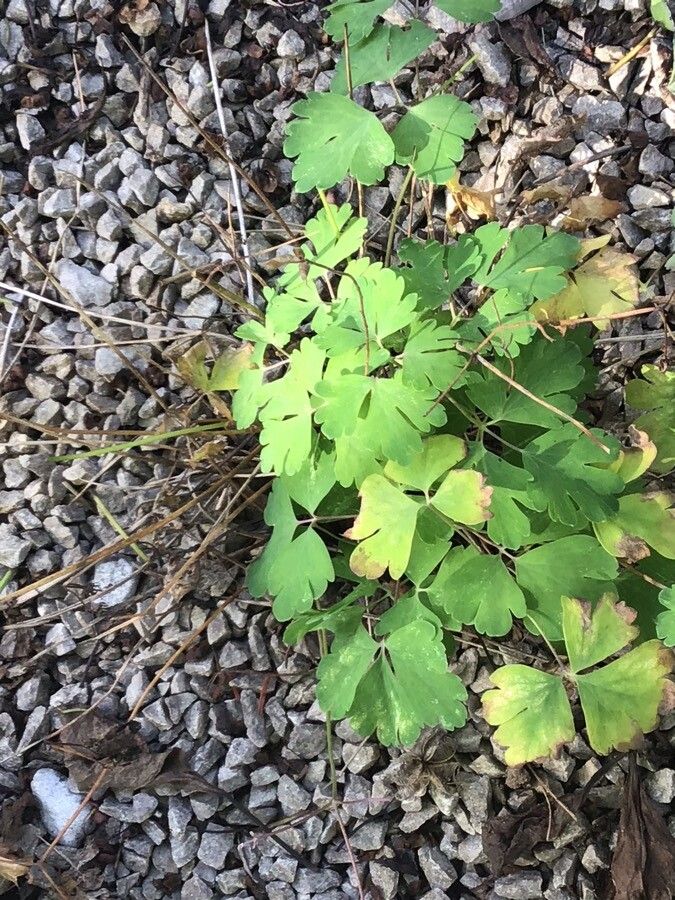
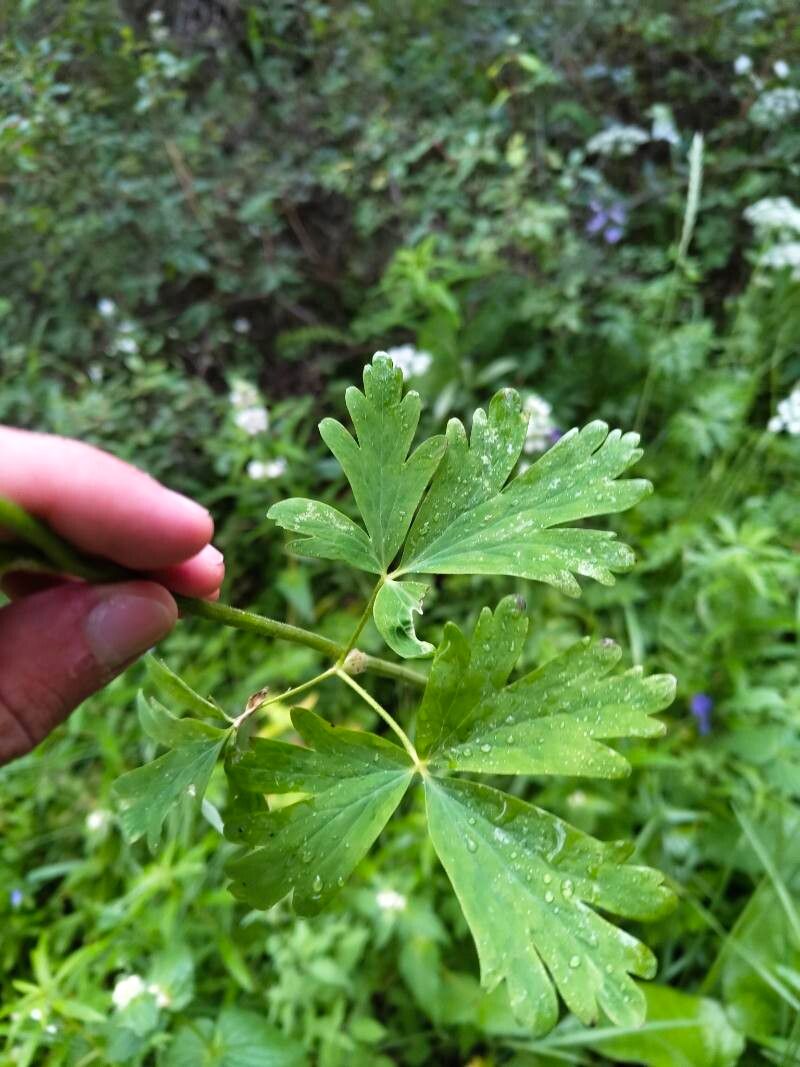
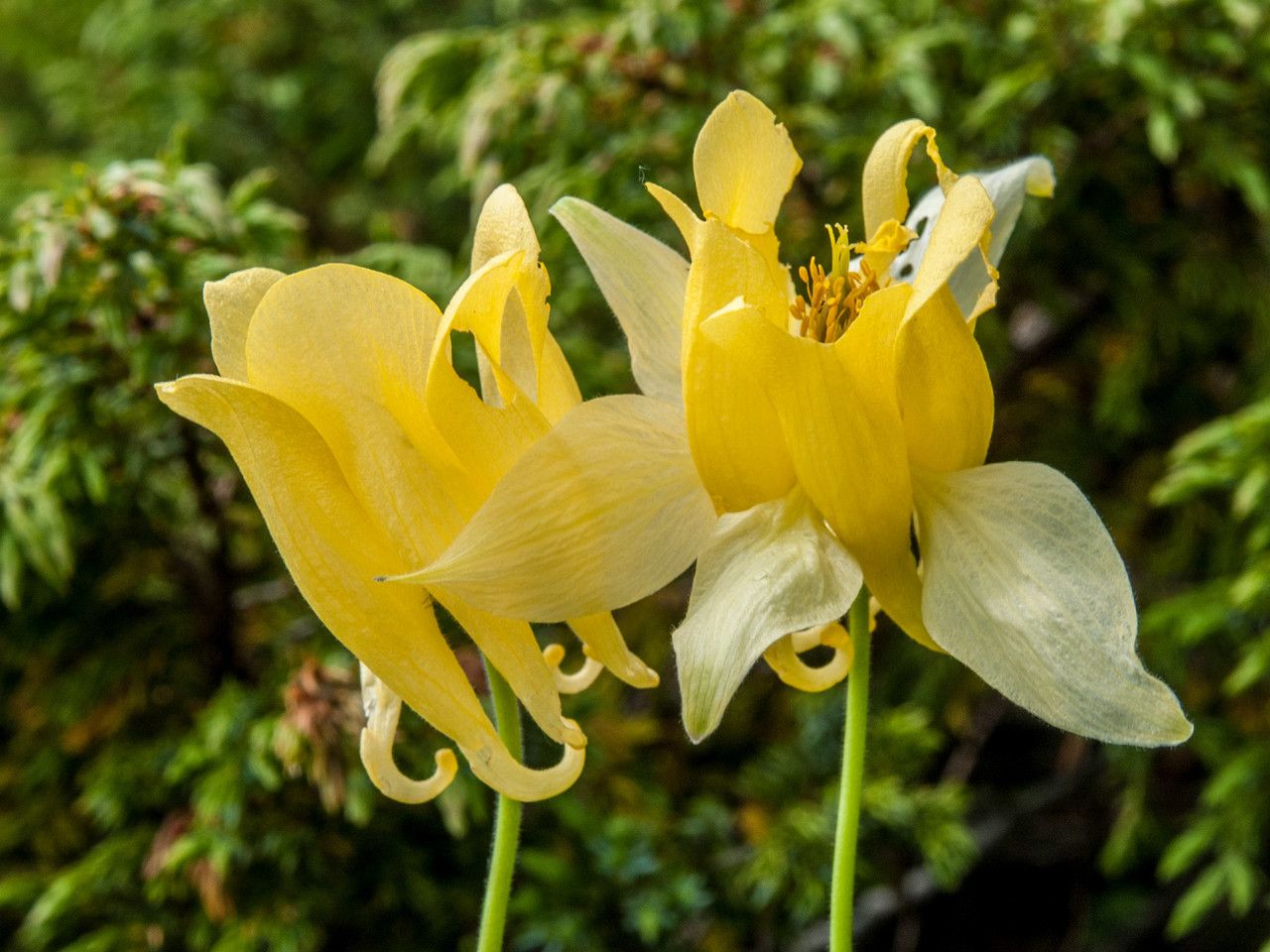
Aquilegia olympica is a species of plant belonging to the family Ranunculaceae.Its native range is Turkey and Iran.
The Caucasian columbine is relatively disease-resistant and usually not highly susceptible to illnesses. Nevertheless, it can be affected by pests and diseases present in its surroundings. These problems are typically not serious. In terms of care, the plant needs moderate maintenance. It should be pruned regularly to keep a tidy appearance and promote healthy growth. Fertilizing can also help encourage flowering. The Caucasian columbine is suitable for anyone with outdoor space, such as a garden or patio, and does not demand extensive care experience. It may require more attention when grown indoors.
How to keep Aquilegia Olympica.
Light
Caucasian columbine is native to habitats like forest understories and rocky areas, where it grows in natural shade. It prefers partial sun but can tolerate full sun or full shade, showing its versatility and hardiness.
Water
The Caucasian columbine, a plant native to mountainous regions, prefers moderate moisture levels but can tolerate some dryness. It thrives in soil that remains consistently moist, usually requiring weekly watering. Although typically grown outdoors, the plant's water needs vary throughout its blooming cycle. During periods of active growth, it requires more frequent watering to encourage the development of vibrant flowers.
Fertilizer
Generally, one spring application of fertilizer is enough for Caucasian columbine, but repeated feedings can maximize growth. Fertilize every month to six weeks. Feeding improves leaf appearance and function, helping maintain even color and a healthy texture. It also promotes root development and nutrient uptake for long-term plant health.
Pruning
The Caucasian columbine is known for its delicate flowers and elegant foliage. To promote healthy growth, prune it from early to late spring. Be sure to remove any spent flower stems and damaged leaves. This will encourage reblooming, improve air circulation, and help prevent disease.
Botanical profile.
- Plant Type
- Herb
- Life Cycle
- Perennial
- Genus
- Aquilegia
- Family
- Ranunculaceae
- Hardiness Zone
- 3-9
- Mature Height
- 30 cm to 61 cm
- Mature Spread
- 20 cm to 30 cm
- Leaf Color
- Green, Dark Green
- Leaf Type
- Deciduous
- Flower Color
- Purple, Lavender, White, Blue
- Flower Size
- 3.05 cm to 5.08 cm
- Bloom Time
- Mid spring, Late spring
- Planting Time
- Spring, Summer, Autumn
- Harvest Time
- Early summer, Mid summer
- Native Area
- Turkey, Iran, Armenia, Azerbaijan
Other names.
Reader questions.
What are the sunlight requirements for Caucasian columbine?
Caucasian columbine requires full sun, which means the plant needs more than 6 hours of sunlight daily. It can also thrive in partial sun conditions, receiving about 3 to 6 hours of sunlight. It's beneficial to observe how sunlight moves through your garden to ensure the plants enjoy the perfect balance of light and shade for optimal growth. Caucasian columbine is a sun-loving perennial originating from open habitats and often found in meadows and grasslands, indicating its preference for ample sunlight.
How can artificial lighting benefit indoor plants, and what are the guidelines for its use?
Artificial lighting is essential for indoor plants especially when natural sunlight is insufficient, like during winter or in less sunny spaces. It can promote faster, healthier growth. For optimal results with artificial lighting: Choose LED lights for they can be customized to the specific wavelengths needed by plants. Full sun plants need 30-50W/sq ft, partial sun plants 20-30W/sq ft, and full shade plants 10-20W/sq ft of artificial light. Place the light source 12-36 inches above the plant to imitate natural sunlight, and ensure the lights are on for 8-12 hours per day to mimic the duration of natural daylight.
What are the signs of insufficient or excessive sunlight in Caucasian columbine?
Symptoms of insufficient sunlight in Caucasian columbine include smaller new leaves, leggy or sparse growth, faster leaf drop, slower or halted new growth, and paler new leaves. Excessive sunlight can cause chlorosis (leaves turning yellow), sunscald (pale or necrotic spots on leaves), leaf curling (a mechanism to reduce water loss), wilting (loss of turgor pressure), and leaf scorching (brown, dry edges on leaves). Monitoring these symptoms can help determine if the plant is receiving the appropriate amount of sunlight.
What are the recommended solutions for managing sunlight exposure for Caucasian columbine?
To manage sunlight exposure for Caucasian columbine effectively, consider these solutions: For indoor plants, gradually move them to a location where they receive at least 6 hours of direct sunlight daily, or use artificial lighting like desk or ceiling lamps or professional grow lights for a minimum of 8 hours a day. For outdoor plants, gradually move them to sunnier spots over weeks to avoid sunburn. Minimize obstructions by pruning trees or moving plants to sunnier locations. If necessary, transplant smaller plants during their dormant periods to areas with ample sunlight and good drainage. These steps will encourage healthy new growth and mitigate any negative effects of previous light deficiencies.