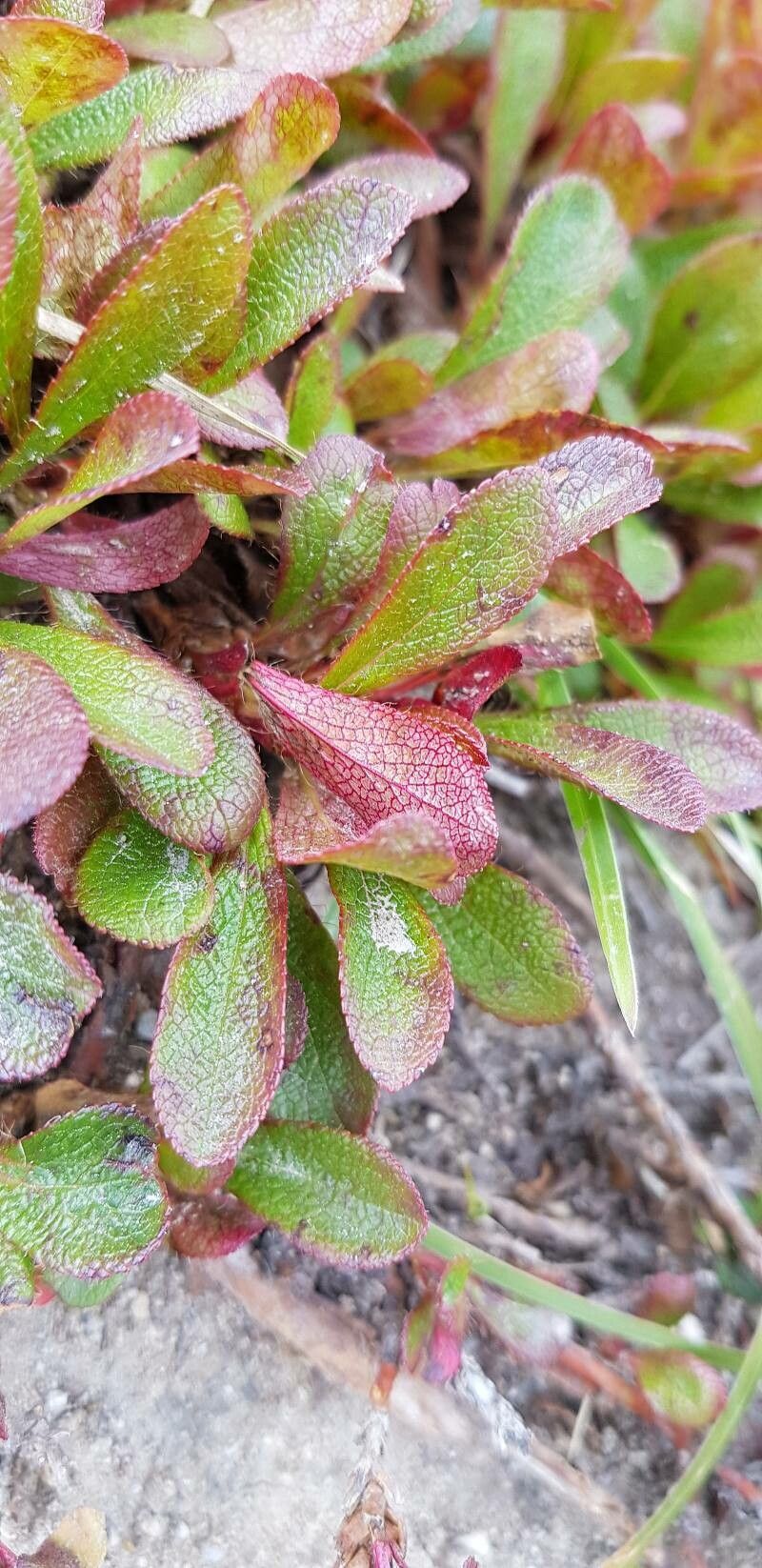
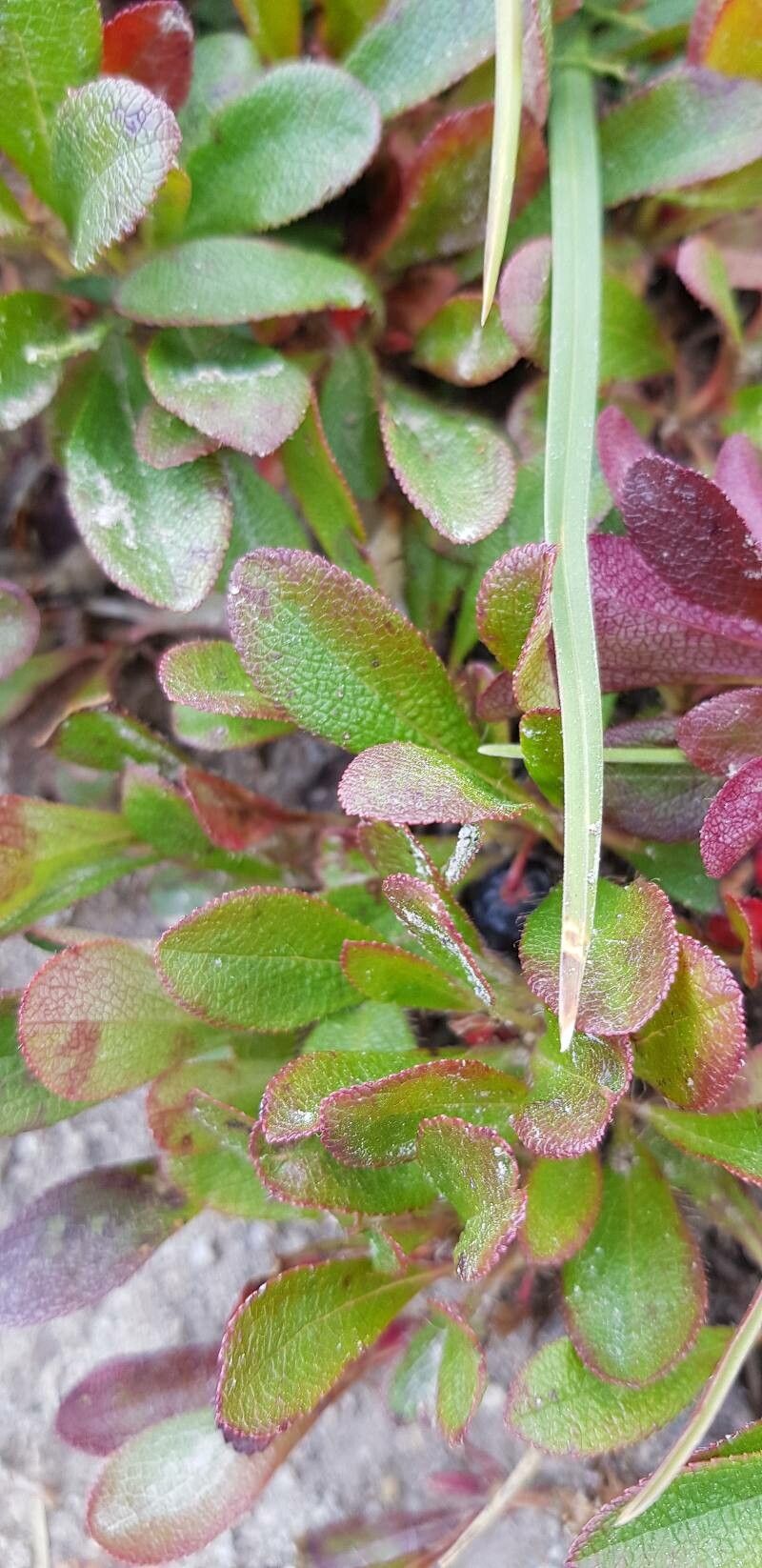
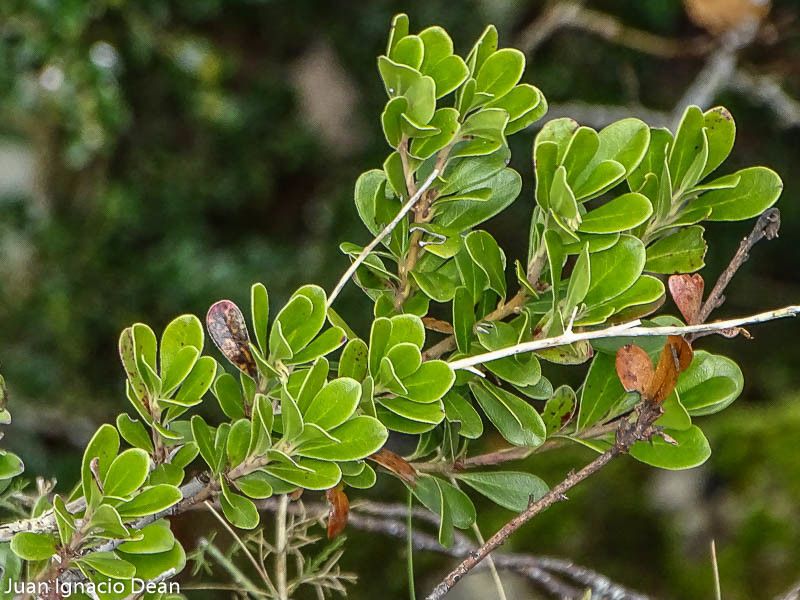
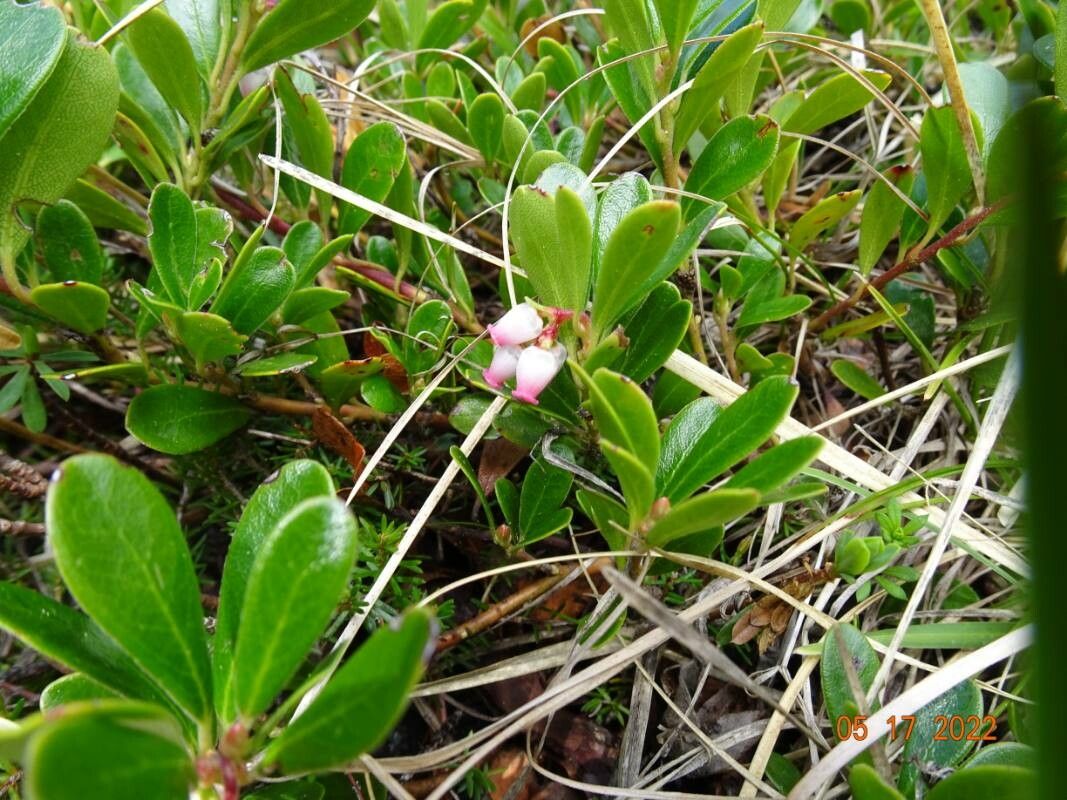
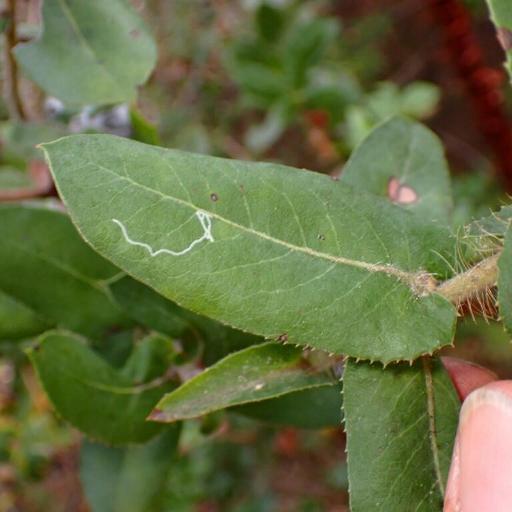
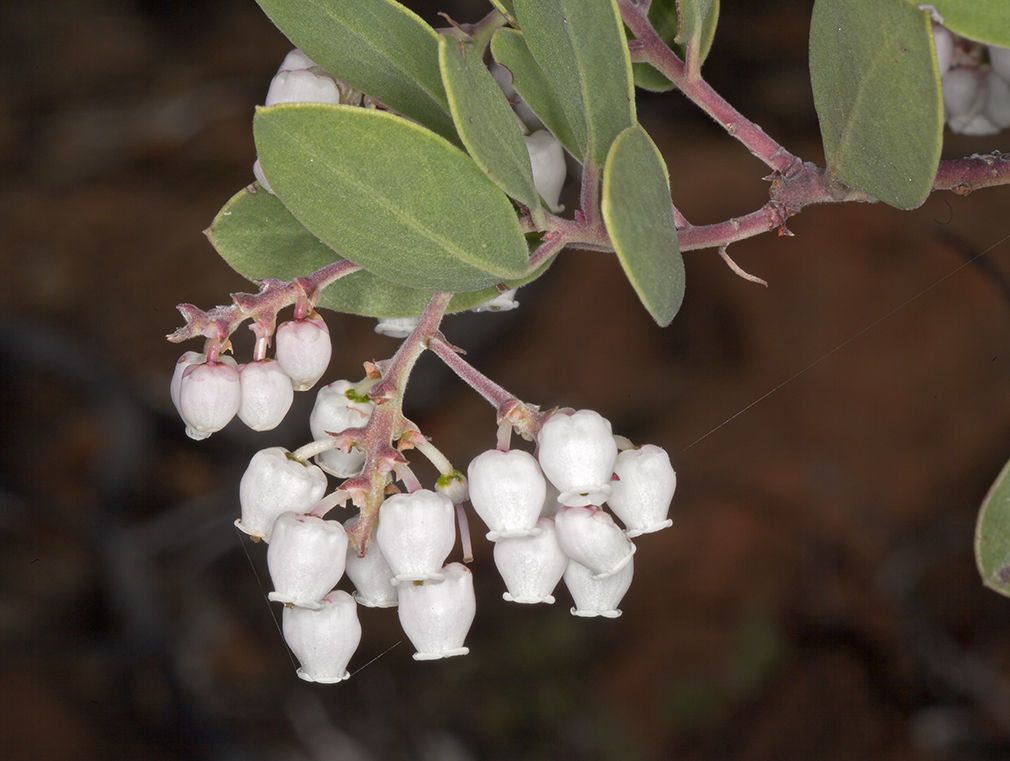
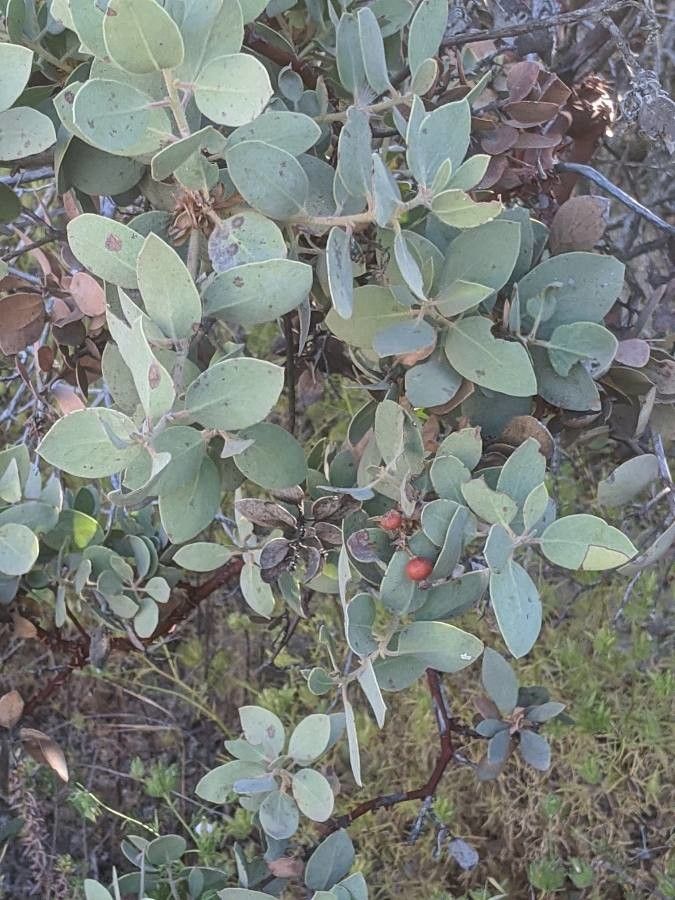
Arctostaphylos alpinus, commonly known as Alpine bearberry, is a low-growing evergreen shrub native to the subarctic regions of North America and Eurasia. Belonging to the Ericaceae family, it can reach up to 30 cm in height. The plant's small, leathery leaves are dark green with a glossy surface. Its flowers, which bloom from May to June, are either pink or white.
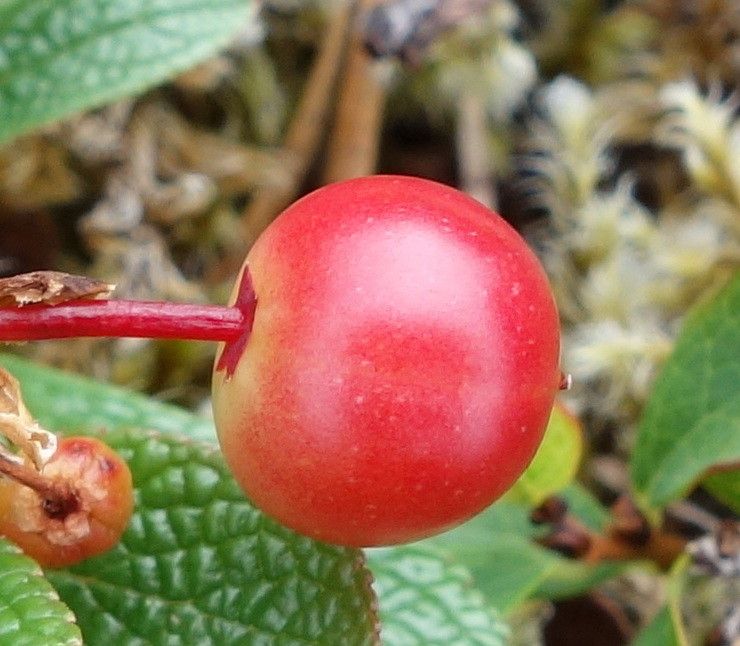
The fruit of Arctostaphylos alpinus is a small red berry that ripens from August to September. Although these berries are edible, they have a slightly bitter taste due to their high tannin content.
This plant prefers well-drained, low-fertility soils and can tolerate both cold temperatures and drought conditions. It is commonly found on rocky slopes, in tundra regions, and in subalpine meadows.
For centuries, indigenous people have used Arctostaphylos alpinus for medicinal purposes. Its antibacterial properties make it useful for treating urinary tract infections and other ailments.
Overall, Arctostaphylos alpinus is an important plant species, playing a crucial role in the ecology of subarctic regions. It also holds cultural significance among indigenous communities who have utilized it for various medicinal purposes throughout history.
Alpine ptarmigan berry has strong resistance to disease and is generally not prone to illnesses. In terms of care, this plant is fairly low-maintenance. When grown outdoors it needs minimal watering, and larger specimens usually do not require pruning. Smaller plants, however, should be pruned after they have finished blooming. Alpine ptarmigan berry is suitable for anyone with outdoor space, such as a garden or a deck, and does not demand much prior care experience.
How to keep Arctostaphylos Alpinus.
Light
The Alpine ptarmigan berry is native to open spaces like sunlit fields and the perimeters of forests that receive abundant light. It flourishes in direct sunlight but can also survive in partially sunlit areas, demonstrating adaptability to different light scenarios.
Water
The alpine ptarmigan berry thrives in cool, alpine climates with soil that retains moisture. It prefers moderate hydration, requiring watering every three weeks. Being an evergreen, the alpine ptarmigan berry keeps its foliage year-round, which means it needs careful watering during the growing season to support photosynthesis and respiration.
Fertilizer
For the Alpine ptarmigan berry plant to produce the best fruit, it needs plenty of nutrients. Apply fertilizer in the initial stages of spring to encourage new growth and the formation of blooms. Consistent fertilization aids in maintaining the plant's health, enhances the quality of the fruit, and averts problems caused by nutrient insufficiency, such as leaves turning yellow and low fruit yield.
Pruning
The Alpine ptarmigan berry is a low-growing shrub known for its small, leathery leaves and red berries. To keep it healthy and well-shaped, prune it in early spring to remove any dead branches. Light, selective trimming helps improve air circulation and sunlight exposure, which encourages vibrant growth and pest resistance. Be careful not to disrupt flowering and fruiting during the trimming process.
Botanical profile.
- Plant Type
- Vine, Shrub
- Life Cycle
- Perennial
- Genus
- Arctostaphylos
- Family
- Ericaceae
- Hardiness Zone
- 2-6
- Mature Height
- 5 cm to 10 cm
- Mature Spread
- 30 cm to 91 cm
- Leaf Color
- Dark Green, Forest Green
- Leaf Type
- Evergreen
- Flower Color
- White
- Flower Size
- 0.25 cm to 0.51 cm
- Bloom Time
- Mid spring, Late spring
- Planting Time
- Spring, Summer
- Harvest Time
- Late summer, Early fall, Mid fall
- Native Area
- Sweden, Austria, Slovakia, Croatia, Slovenia, Serbia, Russia, China, Norway, Germany, Kyrgyzstan, Kazakhstan, Italy, Spain, Switzerland, Denmark, Japan, Mongolia, Finland, Albania, United Kingdom, France
Other names.
Reader questions.
What are the sunlight requirements for Alpine ptarmigan berry?
The Alpine ptarmigan berry requires full sun, meaning it needs more than 6 hours of sunlight daily, but it can also thrive in partial sun with about 3-6 hours of sunlight. Regardless of where you plant it, ensuring it receives the right amount of sunshine is crucial. This berry is naturally accustomed to open environments, such as sunny meadows and forest edges, making it capable of adapting to various sunlight conditions. Remember, the trick is to observe your garden's sunlight patterns and choose locations that offer an ideal mix of light and shade, ensuring your plants’ health and happiness.
How can artificial lighting support plant growth indoors?
Indoor plants, including the Alpine ptarmigan berry when grown inside, may require artificial lighting, especially in conditions where natural sunlight is insufficient, like during winter or less sunny spaces. LED lights are often recommended for indoor plant lighting because they can provide specific light wavelengths needed by plants. For optimal growth, full sun plants should get 30-50 watts per square foot of artificial light, partial sun plants 20-30 watts, and full shade plants 10-20 watts. The light source should be placed 12-36 inches above the plant, simulating natural sunlight. Moreover, plants generally need 8-12 hours of light per day. Adjusting these factors according to your plant's specific needs can promote healthier and faster growth.
What are the signs of insufficient sunlight in Alpine ptarmigan berry?
When Alpine ptarmigan berry doesn't receive enough sunlight, it may show several symptoms. New leaves might grow smaller, and the plant could become leggy, with longer spaces between leaves or stems, making the plant appear sparse and weak. Other signs include faster leaf drop as the plant tries to conserve resources, slower or halted growth, and new leaves that are lighter in color or show irregular patterns, indicating a lack of chlorophyll. Additionally, the plant might suffer from chlorosis, where leaves turn yellow due to a breakdown of chlorophyll, and sunscald, which damages leaves or stems exposed to too much sun. Leaf curling, wilting, and leaf scorching are other symptoms of excessive sunlight exposure, affecting the plant’s overall health.
How can I improve light conditions for my Alpine ptarmigan berry?
To optimize light conditions for the Alpine ptarmigan berry, gradually move the plants to sunnier locations, aiming for at least 6 hours of direct sunlight daily. For indoor plants, utilize a south-facing window and consider keeping curtains open during the day or supplementing with artificial light, such as desk lamps or professional grow lights, for at least 8 hours daily. For outdoor plants, relocate them to spots with better sunlight, doing so gradually to avoid sunburn. Reducing obstructions like pruning trees can also help. If relocating smaller plants, it's best to transplant them during their dormant period, usually late winter or early spring, to a location with ample sunlight and good drainage. Note that parts of the plant affected by previous insufficient sunlight may not recover, but new growth should be healthy with improved light exposure.