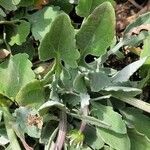
Arctotis stoechadifolia
African daisy · White Arctotis · Blue-eyed African daisy
Description
Source: leafsnapArctotis stoechadifolia, the African daisy or white arctotis, is a rare species of South African plants in the family Asteraceae. It is a rare plant found only in sand dunes along the west coast of Cape Province.The species is sometimes regarded as the same species as the much more common and widely cultivated A. venusta, but authors separate the two as distinct species.
Care Guide
💧 Water
The blue-eyed African daisy, which originates from South Africa, is a highly drought-tolerant plant that thrives with minimal moisture. It requires watering only sparingly, about once a week. The plant's silvery foliage reflects sunlight, helping to conserve water and demonstrating its adaptation to dry landscapes.
How should I water my Blue-eyed African daisy?
To properly water the Blue-eyed African daisy, it is recommended to use filtered water at room temperature. This is because tap water might contain harmful particles for the plant. Additionally, it is important to use water that is at room temperature or slightly warmer since the Blue-eyed African daisy is adapted to warm environments and cold water can be a shock to its system. It is best to avoid overhead watering as it can cause issues with the foliage. Instead, simply apply the filtered room temperature water directly to the soil until it is fully soaked. This method of soaking the soil benefits the plant by moistening the roots and promoting their growth and nutrient absorption.
What should I do if I give my Blue-eyed African daisy too much or too little water?
Taking care of your Blue-eyed African daisy's watering needs is important for its health. While both overwatering and underwatering can be harmful, overwatering is a more common problem. When this plant gets too much water, its stems and leaves may wilt and turn yellow. Over time, overwatering can also lead to diseases such as root rot, mold, and mildew, which can be fatal to your plant. On the other hand, underwatering is less likely due to the plant's drought tolerance. However, it's still possible, and you may notice brittle and brown leaves if it occurs. To prevent issues caused by overwatering, it's crucial to recognize the signs early and reduce your watering schedule. Checking the soil quality is also important. If it drains poorly, replace it with a well-draining potting mix. If you notice signs of underwatering, simply increase the frequency of watering until the signs go away.
How much water does my Blue-eyed African daisy need?
If your Blue-eyed African daisy is in a pot, the most accurate way to determine if it needs water is by inserting your finger into the soil. If the top two to three inches of soil feel dry, it is time to water the plant. If you have planted your Blue-eyed African daisy outdoors in the ground, you can use a similar method to test the soil. Once again, when the top few inches of soil have dried out, it is time to water. In the spring and early fall, following this method will usually result in watering the plant about once a week. However, during extremely hot weather, you may need to increase the frequency to twice a week or more. It is worth noting that mature, well-established Blue-eyed African daisy plants have a commendable ability to tolerate drought.
How much water does my Blue-eyed African daisy require?
Here are some tips for watering your Blue-eyed African daisy: 1. Don't be afraid to give it plenty of water. When the first two to three inches of soil are dry, it's time to water. 2. Give the plant a thorough watering, making sure to soak the soil entirely. 3. You should add enough water to the pot that it starts to flow out of the drainage holes at the bottom. If you don't see any excess water coming out, you might not have added enough water. 4. Avoid letting water accumulate inside the soil, as this can be harmful to the plant. 5. If water doesn't drain well from the pot, it could mean that you have poorly draining soil. This is not good for the plant's health, so it's best to use well-draining soil if possible. 6. If the plant is outside, it generally needs about 1 inch of rain per week.
How do I water my Blue-eyed African daisy as it grows?
The water needs of the Blue-eyed African daisy can vary throughout its growth stages. In the early years or after transplanting, it requires more water as it focuses on developing new roots for future growth. These roots perform best with slightly more moisture. As the plant matures, it will require less water. Additionally, during the blooming period, the Blue-eyed African daisy may need increased water due to the substantial amount of moisture used in flower development.
☀️ Light Full sun
The blue-eyed African daisy is a sun-loving herbaceous perennial native to open habitats, where it often thrives in meadows and grasslands. It prefers full sun but can also tolerate partial sun.
What are the sunlight requirements for Blue-eyed African daisy?
The Blue-eyed African daisy thrives in full sun, requiring above 6 hours of sunlight daily to flourish. Although it prefers full sun exposure, it can also tolerate partial sun conditions. Observing how sunlight moves through your garden is crucial for finding the balance of light and shade necessary for the optimal growth of these plants, ensuring their health and happiness.
What should I do if my indoor environment lacks natural sunlight?
If your indoor environment lacks natural sunlight, particularly during winter or in spaces with less exposure to the sun, using artificial lighting can provide a sufficient alternative. For optimal growth, employ artificial lights such as LED, which can be customized to offer the specific wavelengths needed by your plants. Full sun plants generally require 30-50W/sq ft of artificial light, partial sun plants need 20-30W/sq ft, while full shade plants require 10-20W/sq ft. Ensure the light source is positioned 12-36 inches above the plant to mirror natural sunlight and aim for 8-12 hours of light per day to mimic natural daylight hours.
What are the symptoms of light deficiency in Blue-eyed African daisy?
Symptoms of light deficiency in Blue-eyed African daisy include smaller new leaves, leggy or sparse growth, faster leaf drop, slower or no new growth, and lighter-colored or pale new leaves. Conditions such as chlorosis (leaves turning yellow due to lack of chlorophyll), sunscald, leaf curling, wilting, and leaf scorching can also occur, indicating the plant is either receiving too much or too little sunlight.
How can I help my Blue-eyed African daisy thrive in less than ideal light conditions?
If your Blue-eyed African daisy is not receiving ideal light conditions, gradually moving the plant to a sunnier location, such as near a south-facing window, can help. For indoor plants, consider using a desk or ceiling lamp for at least 8 hours a day, or invest in professional plant grow lights. Outdoors, strategically moving your plants to better lit locations each week can prevent sunburn while adapting them to more sunlight. Additionally, identifying and reducing obstructions like overhanging branches that block sunlight, or relocating smaller plants to sunnier spots with good drainage, can significantly improve their light exposure and overall health.
🌡️ Temperature 20–37.8°C
Blue-eyed African daisy can adjust to a broad spectrum of temperature conditions, yet its distribution may still be restricted by specific mixes of water and heat. It performs best in warm summer climates with enough rainfall or regular watering. Extended periods of cloudy, rainy weather or prolonged high temperatures can raise the chance of the Blue-eyed African daisy dying. During winter, proper cold protection can boost the plant's survival rate.
💨 Humidity
🪴 Soil 6-8
🌱 Fertilizer
The best time to fertilize a Blue-eyed African daisy is in early spring, as it comes out of dormancy and begins active growth. Fertilization supplies essential nutrients for healthy development. Although the Blue-eyed African daisy has relatively low fertilizer needs, applying fertilizer once a year can improve its survival and encourage better, longer-lasting blooms.
🪴 Pot & Repot
✂️ Pruning
The blue-eyed African daisy is known for its striking blue flowers and thrives when pruned from early to late spring. By removing spent blooms and leggy stems, you can encourage continuous flowering, improve air circulation, and promote vigorous growth. Be sure to use clean, sharp tools for pruning to prevent disease and maintain the plant's health.
🌿 Propagating
🐛 Diseases & pets
☠️ Toxicity
Characteristics
- Plant Type
- Herb
- Life Cycle
- Perennial, Annual
- Genus
- Arctotis
- Family
- Asteraceae
- Hardiness Zone
- 9-11
- Mature Height
- 30 cm to 61 cm
- Mature Spread
- 61 cm to 91 cm
- Leaf Color
- Green, Gray, Blue, Silver
- Leaf Type
- Deciduous
- Flower Color
- White, Yellow
- Flower Size
- 2.54 cm to 7.62 cm
- Bloom Time
- All year round
- Planting Time
- Spring, Summer, Autumn
- Harvest Time
- All year round
- Native Area
- South Africa