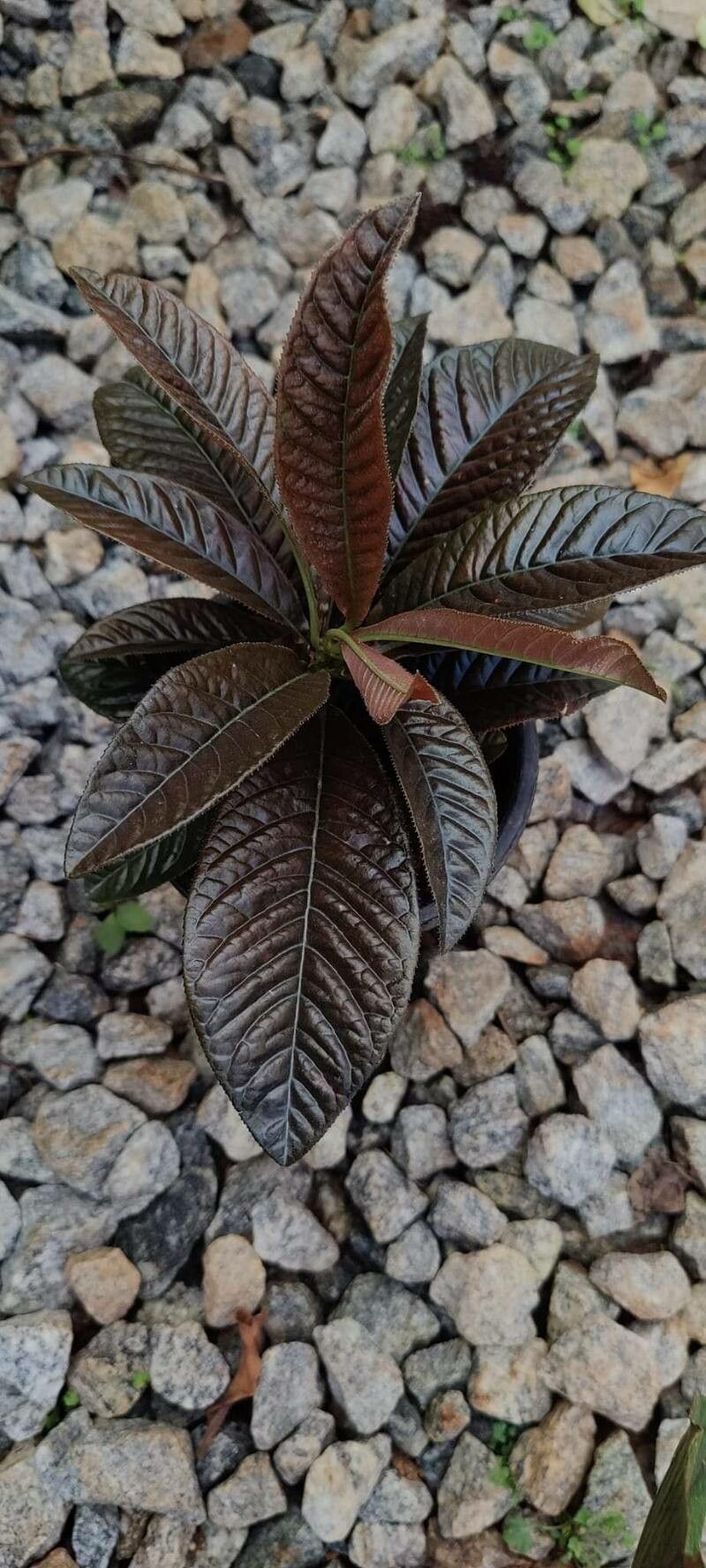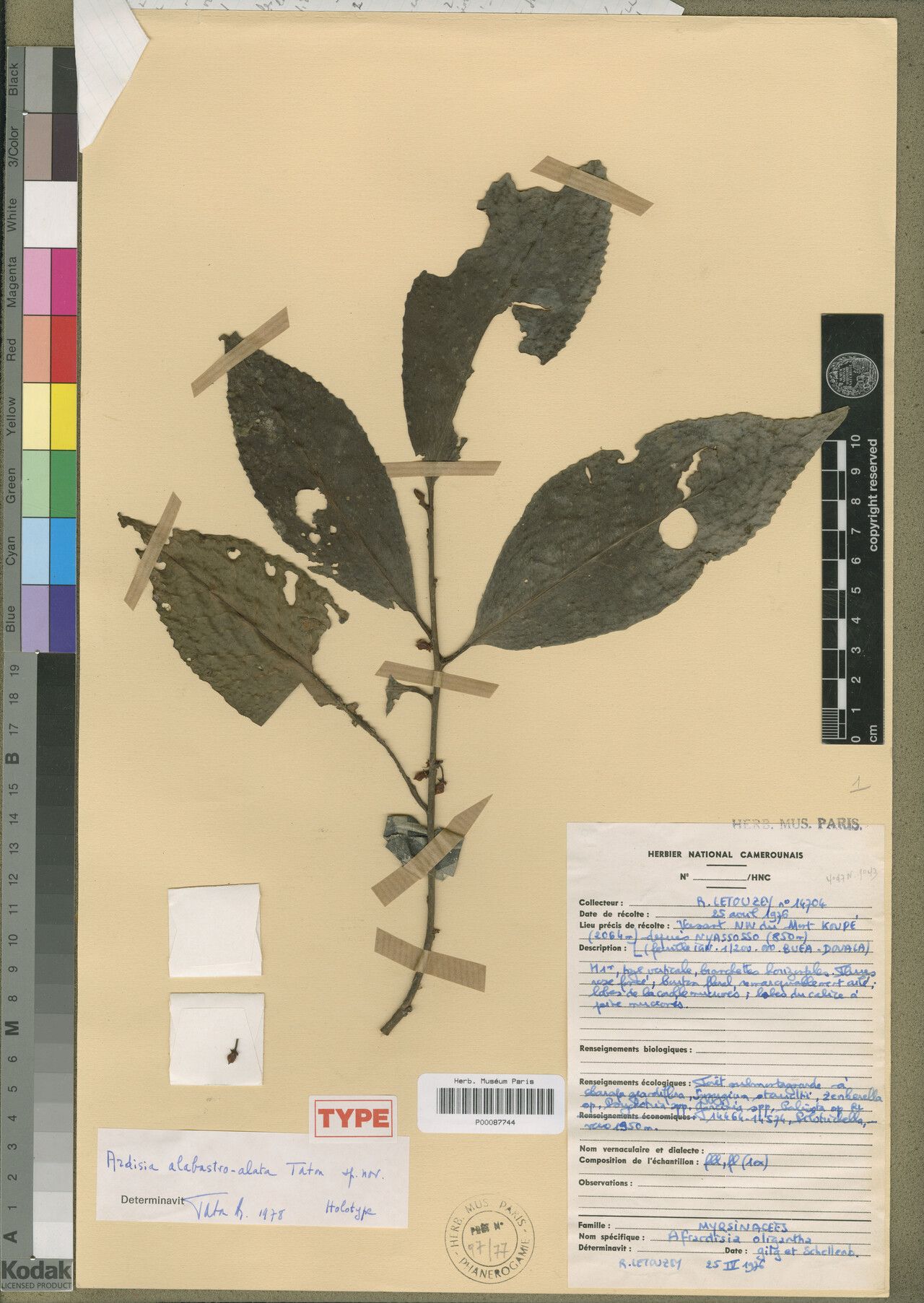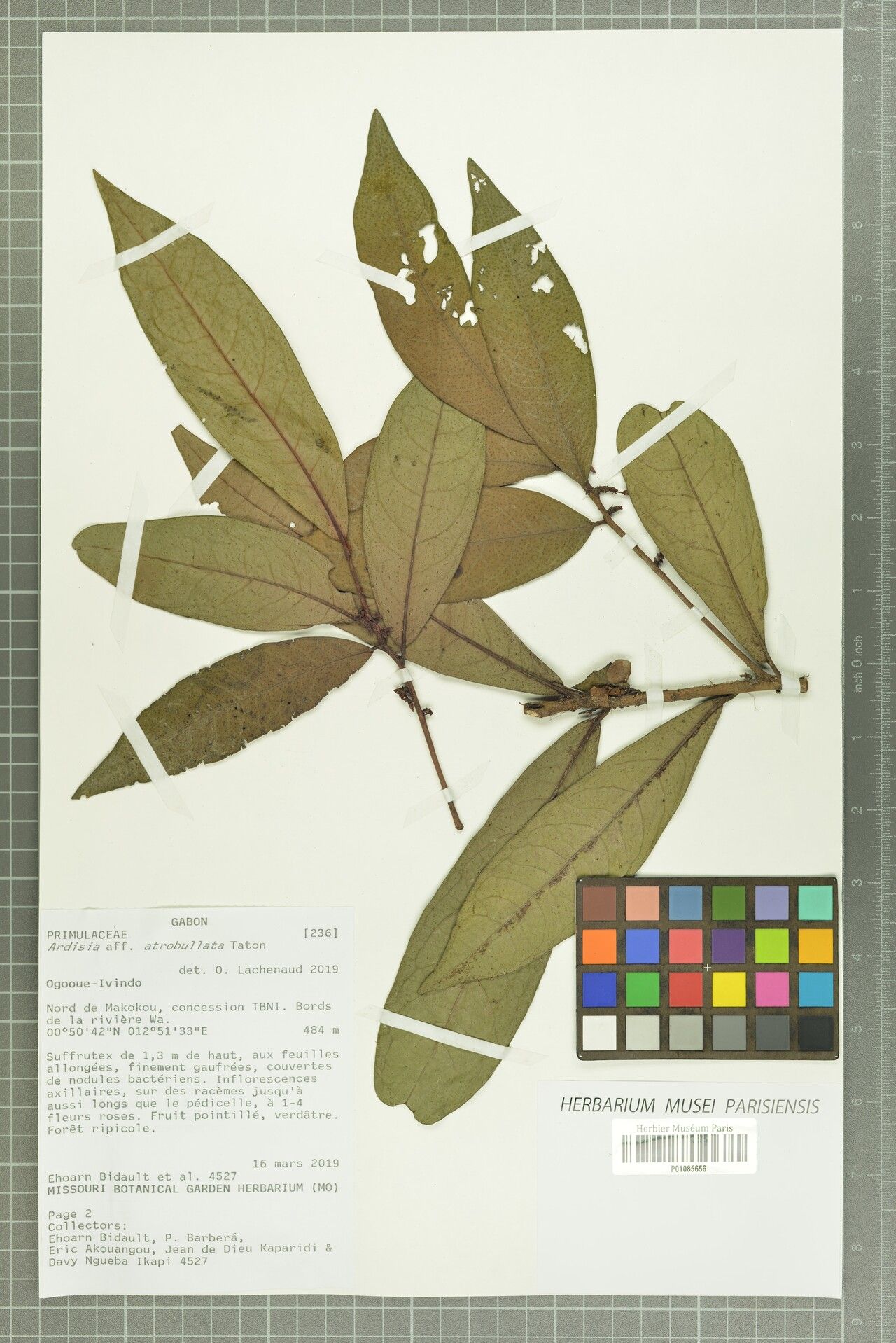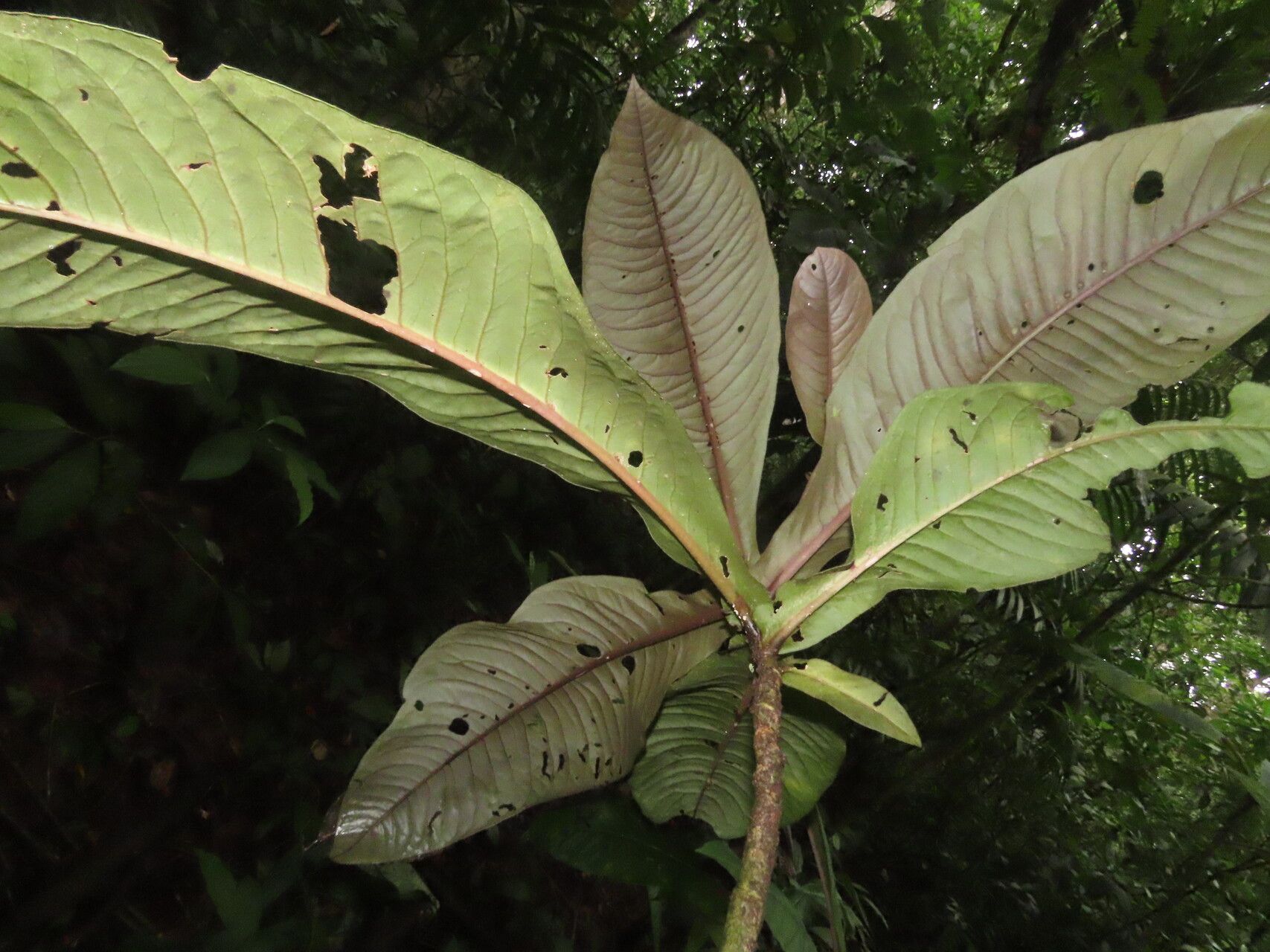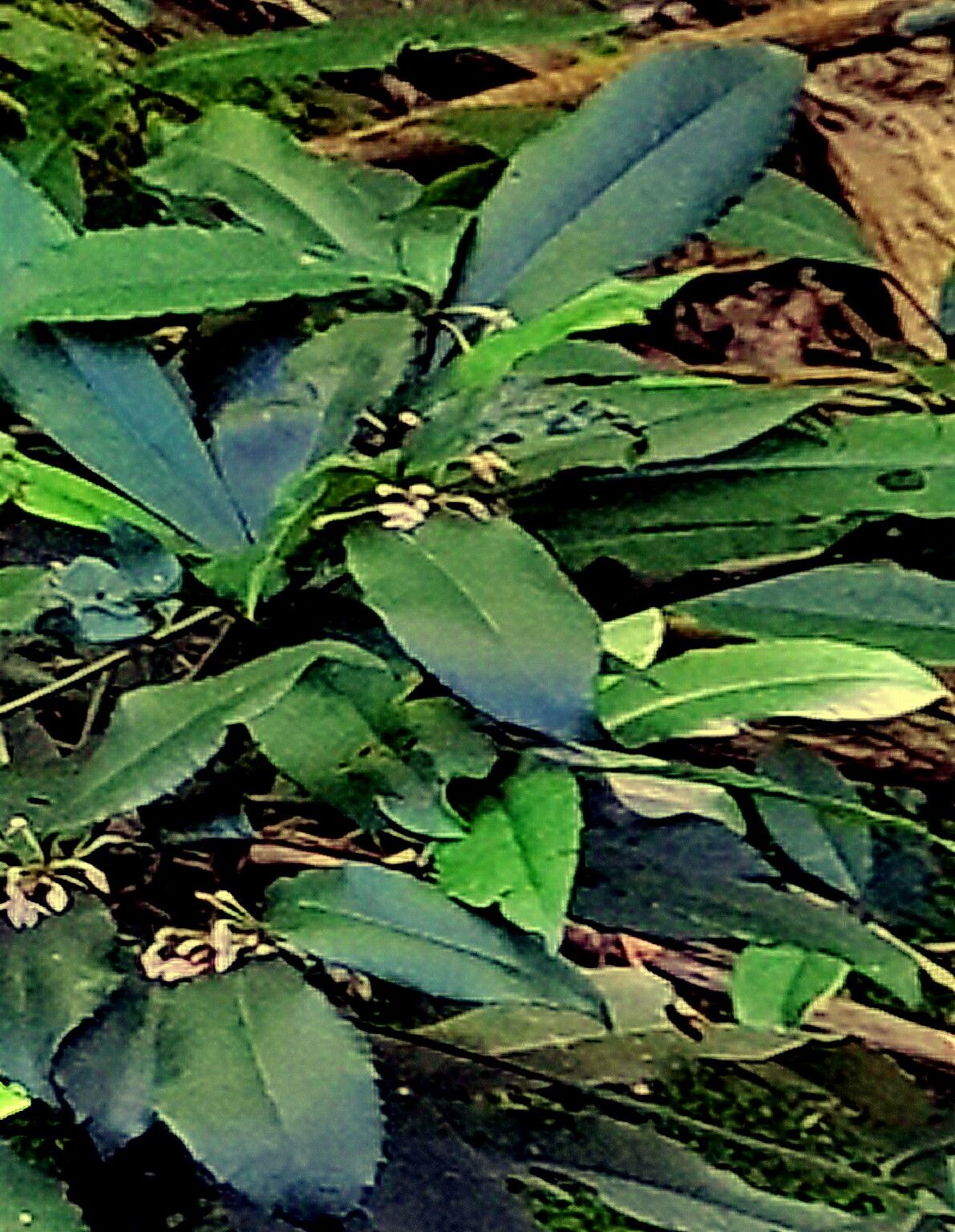
Ardisia cornudentata is resistant to disease and is typically not susceptible to health problems. With regard to care, this plant is fairly low-maintenance. Outdoors it needs only light watering, and larger specimens usually do not require pruning. Smaller plants, however, should be pruned after they finish blooming. Ardisia cornudentatat is suitable for anyone who has an outdoor area, such as a garden or a deck, and does not demand extensive care experience.
How to keep Ardisia Cornudentata.
Light
Ardisia cornudentata is inherently found in habitats like forest understories or rocky terrains, which typically provide natural shading. While it favors partially sunny environments, it can also adapt and thrive both in full sunlight or in completely shaded areas, indicating its versatile and resilient characteristics.
Temperature
The plant Ardisia cornudentata shows excellent adaptability when it comes to temperature, demonstrating the ability to endure hotter temperatures and wider temperature fluctuations. It's crucial to focus on hydrating this plant suitably and shading it properly when the temperatures soar, to avoid sun damage. On the other hand, Ardisia cornudentata exhibits a somewhat limited capability to handle low temperatures. Although it can survive in a mildly cold climate, extremely cold conditions may result in damage due to frost.
Fertilizer
The application of fertilizer to Ardisia cornudentata is a timing-critical process. Commence fertilization at the onset of spring, and sustain the monthly routine until the start of summer. The fertilizer contributes to producing beautiful blossoms and supplies energy throughout both the dormant and active phases of growth.
Botanical profile.
- Plant Type
- Shrub
- Life Cycle
- Perennial
- Genus
- Ardisia
- Family
- Primulaceae
- Hardiness Zone
- 9-11
- Mature Height
- 91 cm
- Mature Spread
- 49 cm to 91 cm
- Leaf Color
- Green
- Leaf Type
- Evergreen
- Flower Color
- White, Pink
- Flower Size
- 0.51 cm to 0.51 cm
- Bloom Time
- Summer
- Planting Time
- Spring, Summer, Autumn
- Harvest Time
- Fall, Early winter
- Native Area
- China