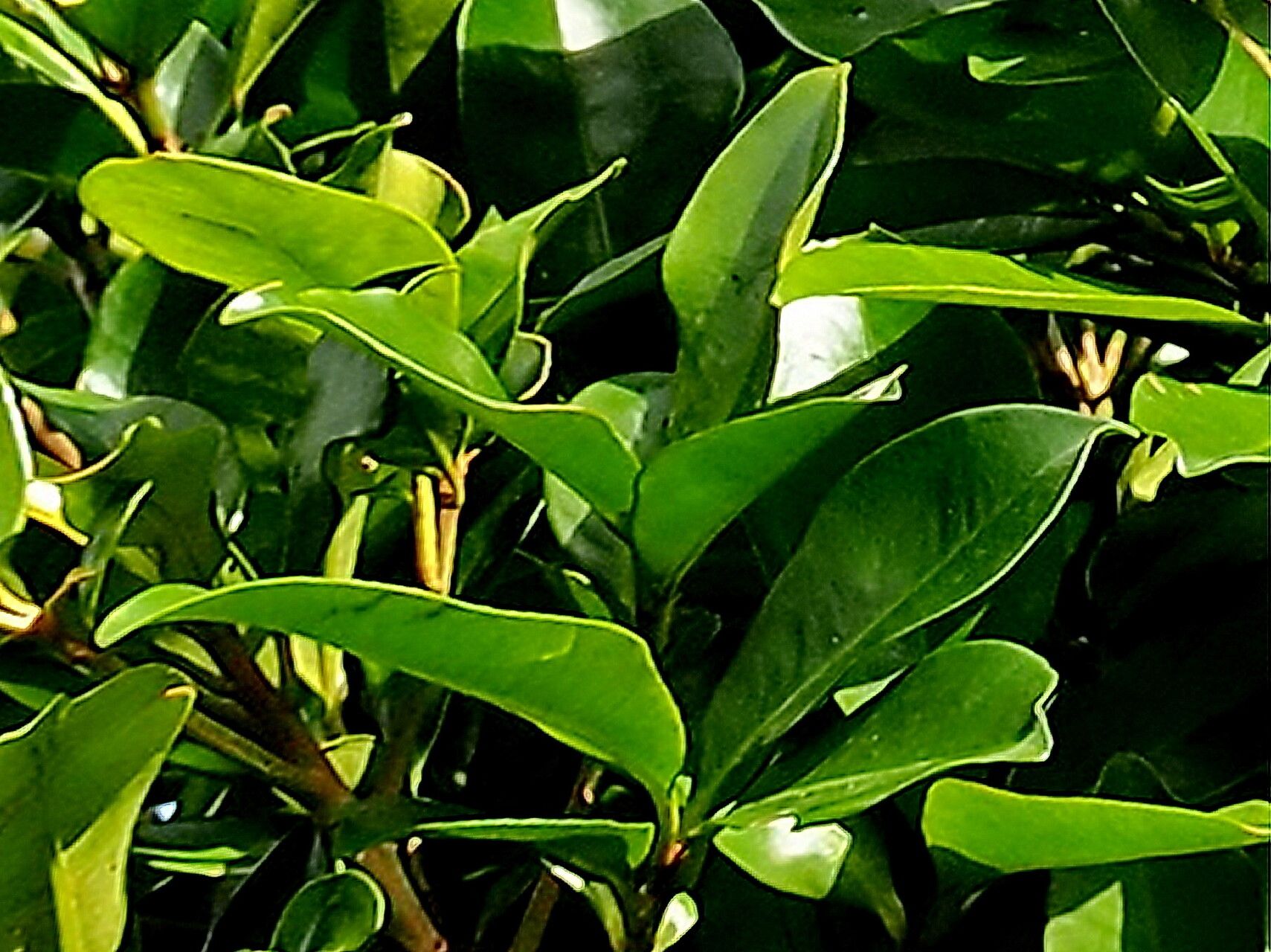
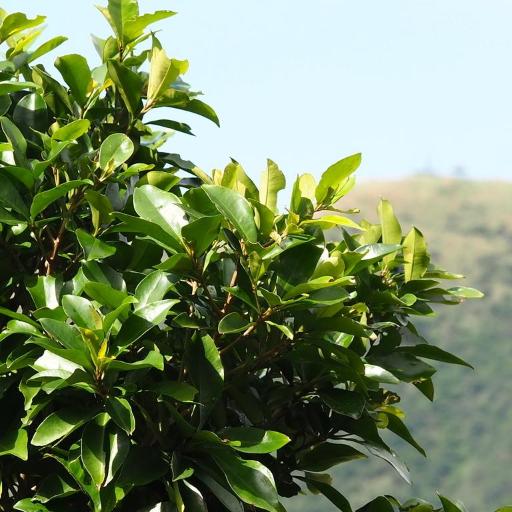
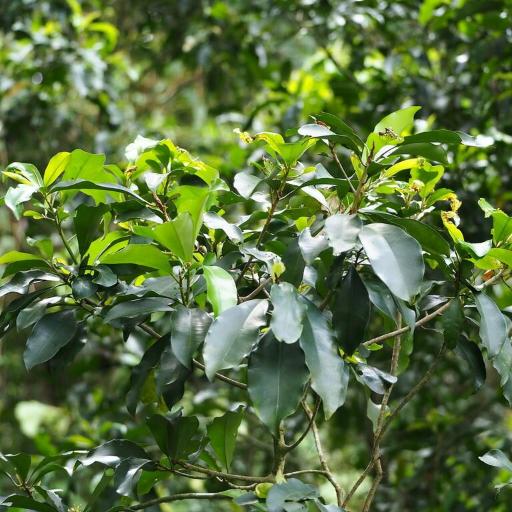
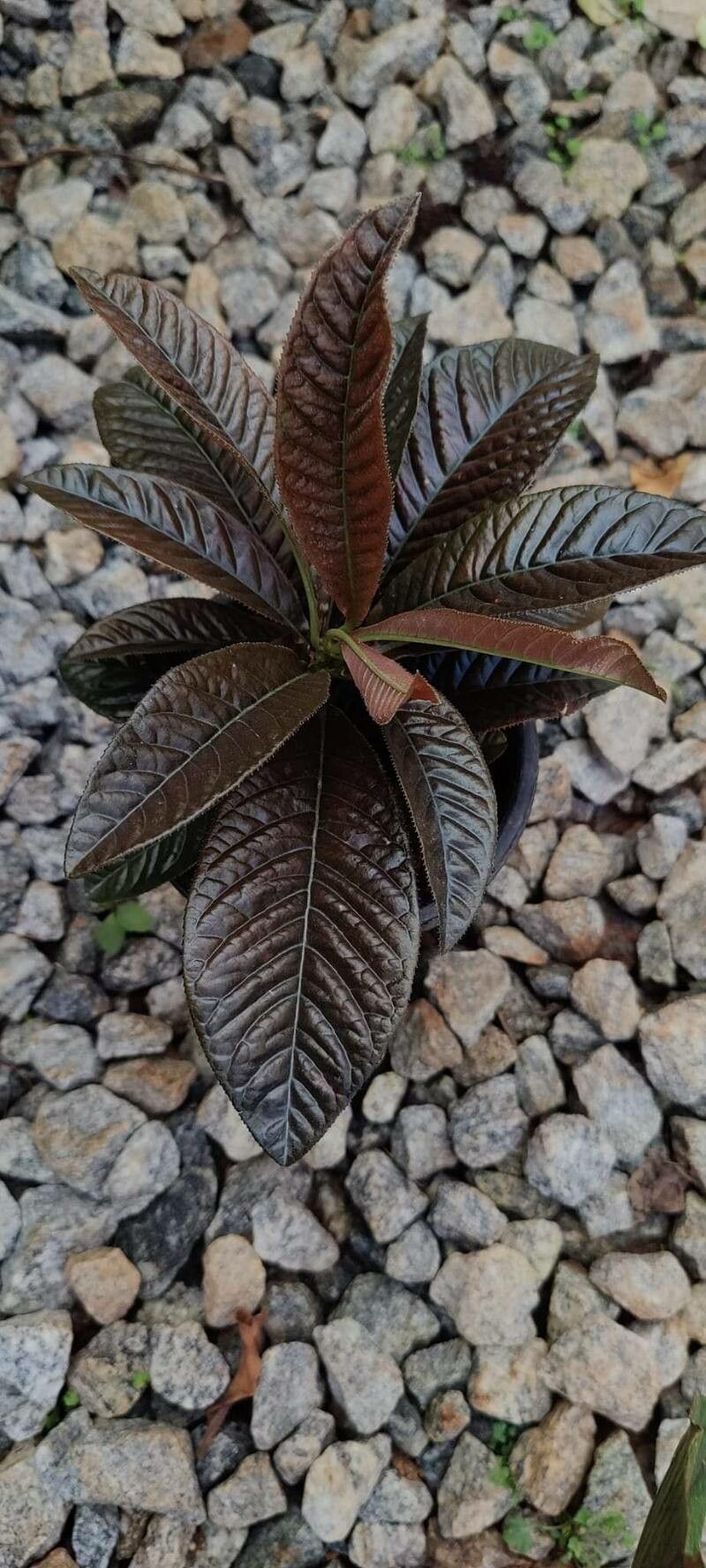
Siebold ardisia has strong resistance to disease and is typically not prone to illnesses. In terms of care, this plant is fairly low-maintenance. When grown outdoors it needs only minimal watering, and larger plants usually do not require pruning. Smaller plants, however, should be pruned after they finish blooming. Siebold ardisiat is suitable for anyone with an outdoor area, such as a garden or deck, and does not demand extensive care experience.
How to keep Ardisia Sieboldii.
Light
Siebold ardisia does best in locations that receive plenty of light for most of the day. It can continue to grow with a reduced amount of light, although optimal conditions typically involve sunlight. Both too much and too little light can harm the plant's health, causing stunted growth or making it more prone to pests and diseases. Coming from well-lit habitats, light is an important factor during its growth stages.
Temperature
Siebold ardisia adapts well to temperature, tolerating higher heat and larger temperature fluctuations. In hot weather, attention should be paid to watering and providing appropriate shade to prevent sunburn. Conversely, Siebold ardisia is relatively sensitive to low temperatures; while it can endure some cold, excessively low temperatures can cause frost damage.
Fertilizer
Timing is essential for fertilizing Siebold ardisia. Apply fertilizer in early spring and continue monthly until early summer. Fertilizer encourages attractive blooms and provides energy during both dormant and active growth periods.
Botanical profile.
- Plant Type
- Shrub
- Life Cycle
- Perennial
- Genus
- Ardisia
- Family
- Primulaceae
- Hardiness Zone
- 9-11
- Mature Height
- 6.1 m
- Mature Spread
- 1.52 m to 2.44 m
- Leaf Color
- Dark Green
- Leaf Type
- Evergreen
- Flower Color
- White
- Flower Size
- 0.51 cm to 0.76 cm
- Bloom Time
- Early summer, Mid summer
- Planting Time
- Spring, Summer, Autumn
- Harvest Time
- Mid fall, Late fall, Early winter
- Native Area
- Japan, China