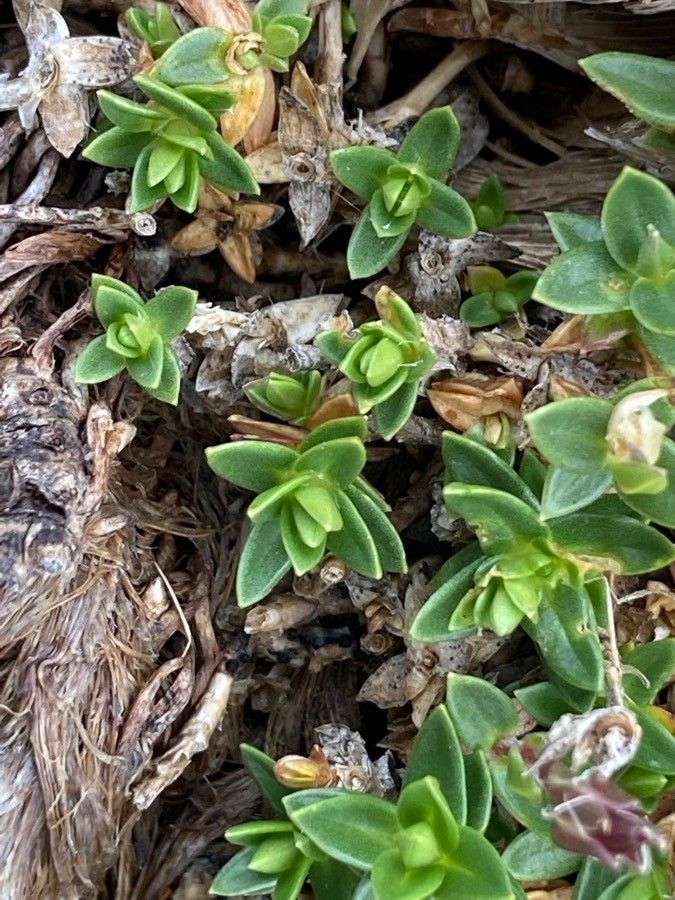
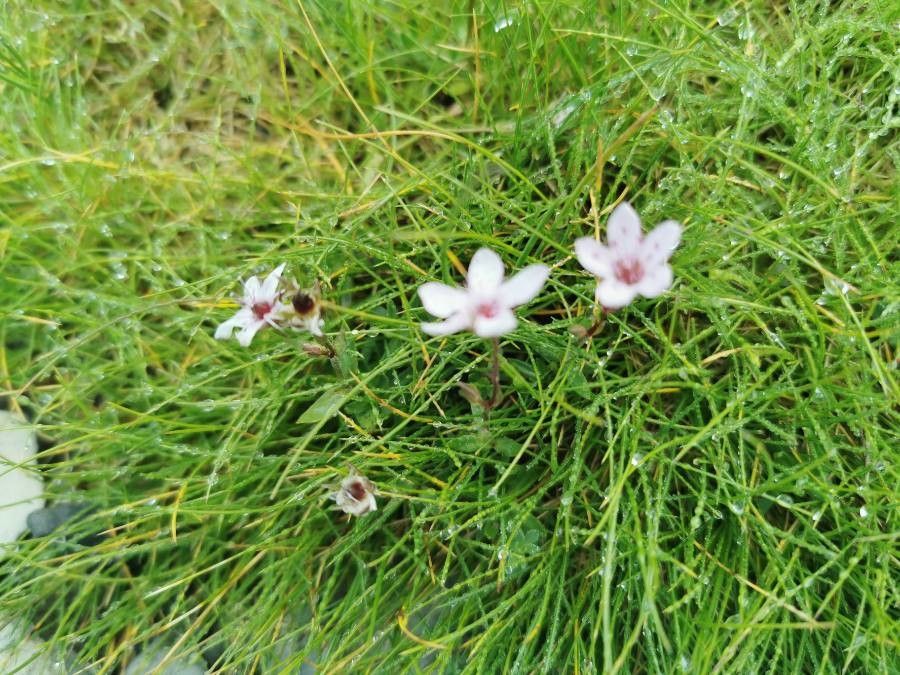
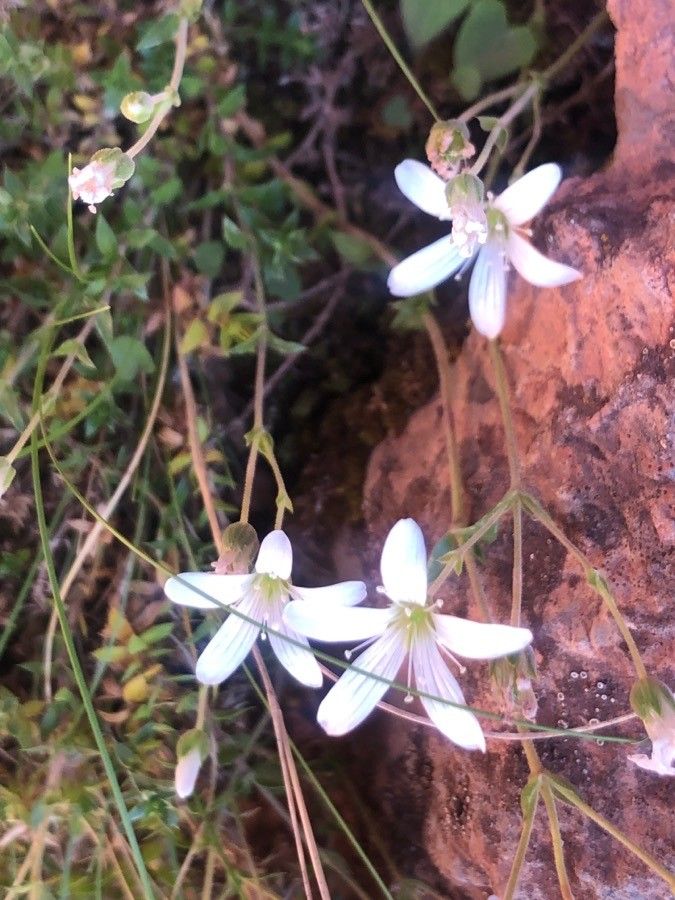
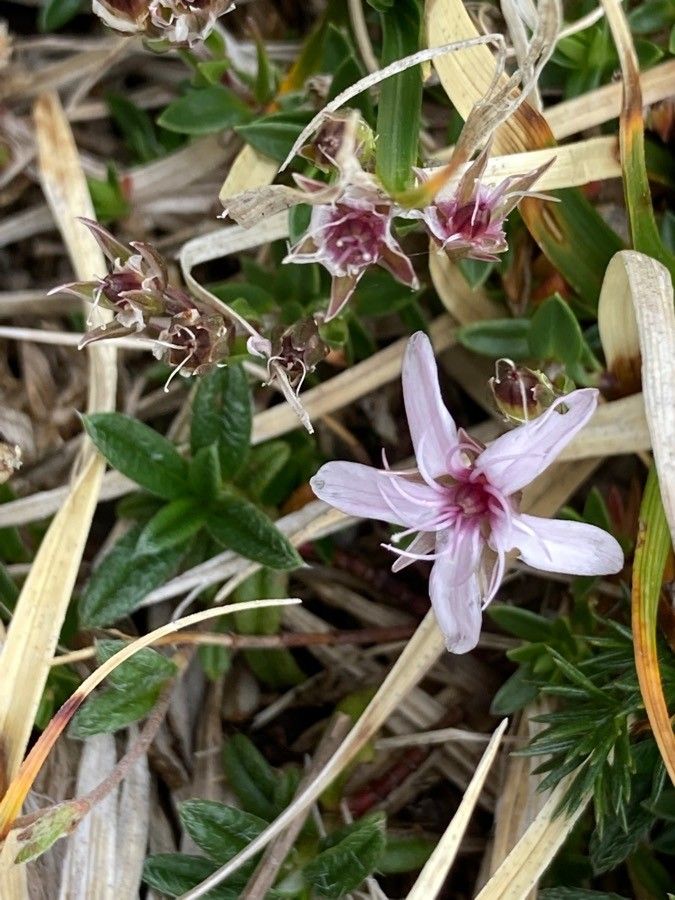
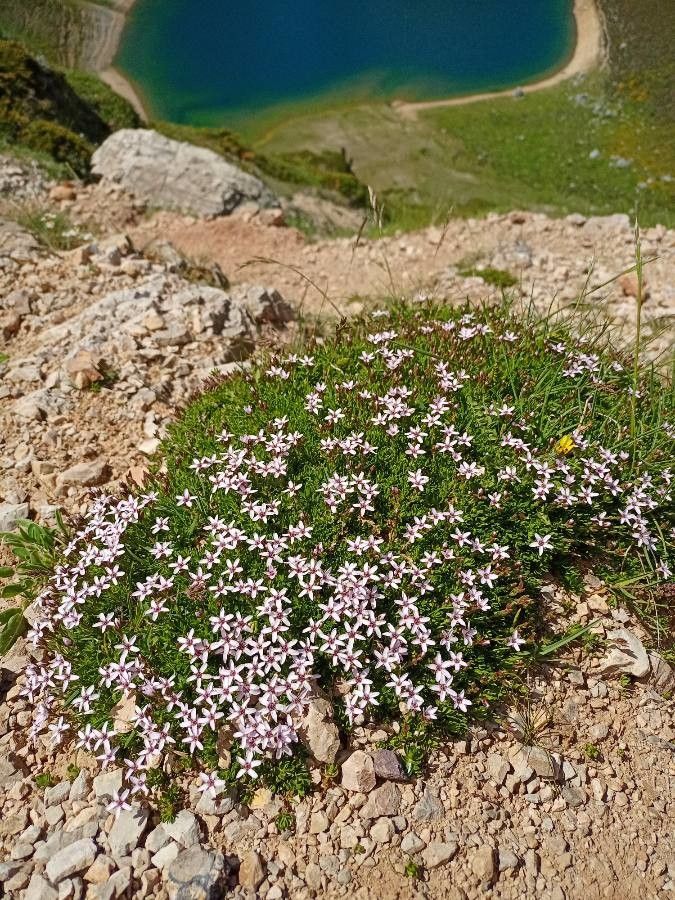
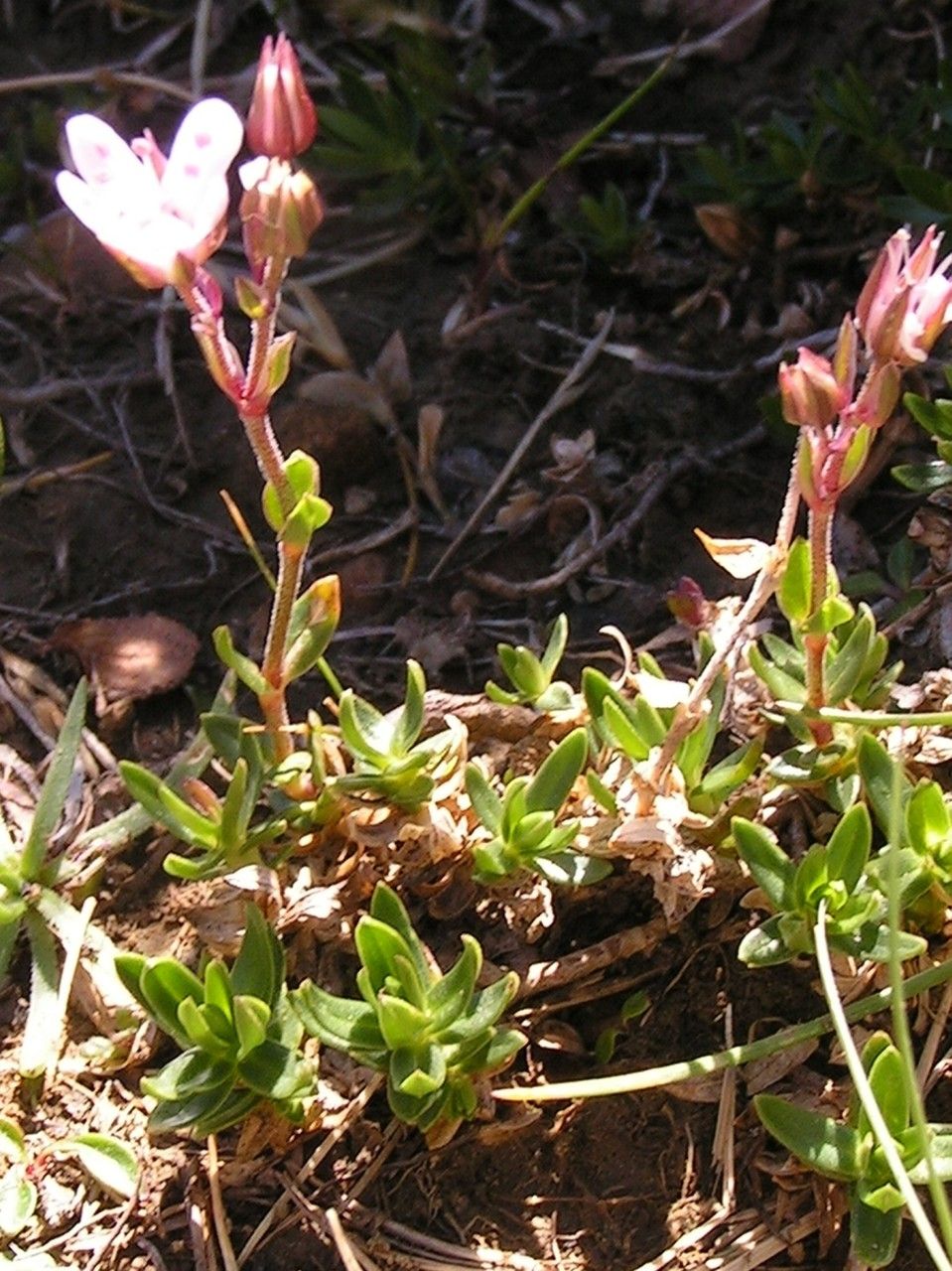
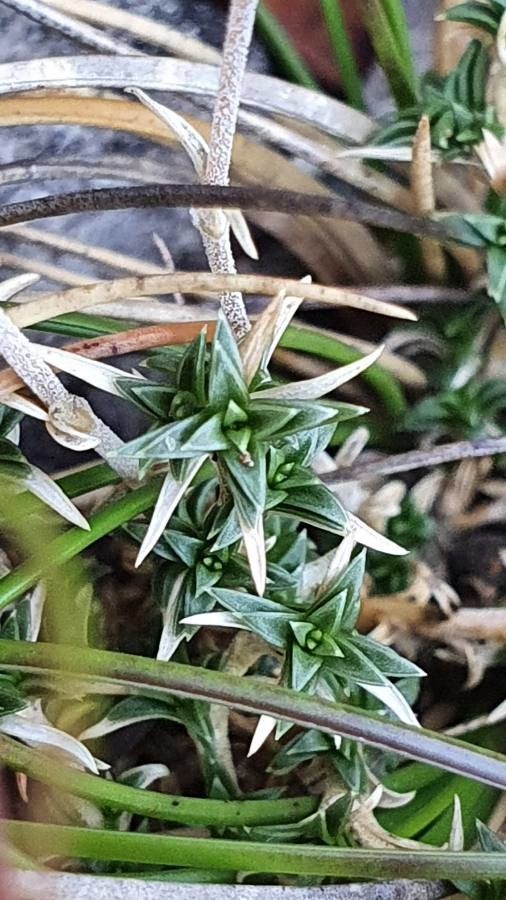
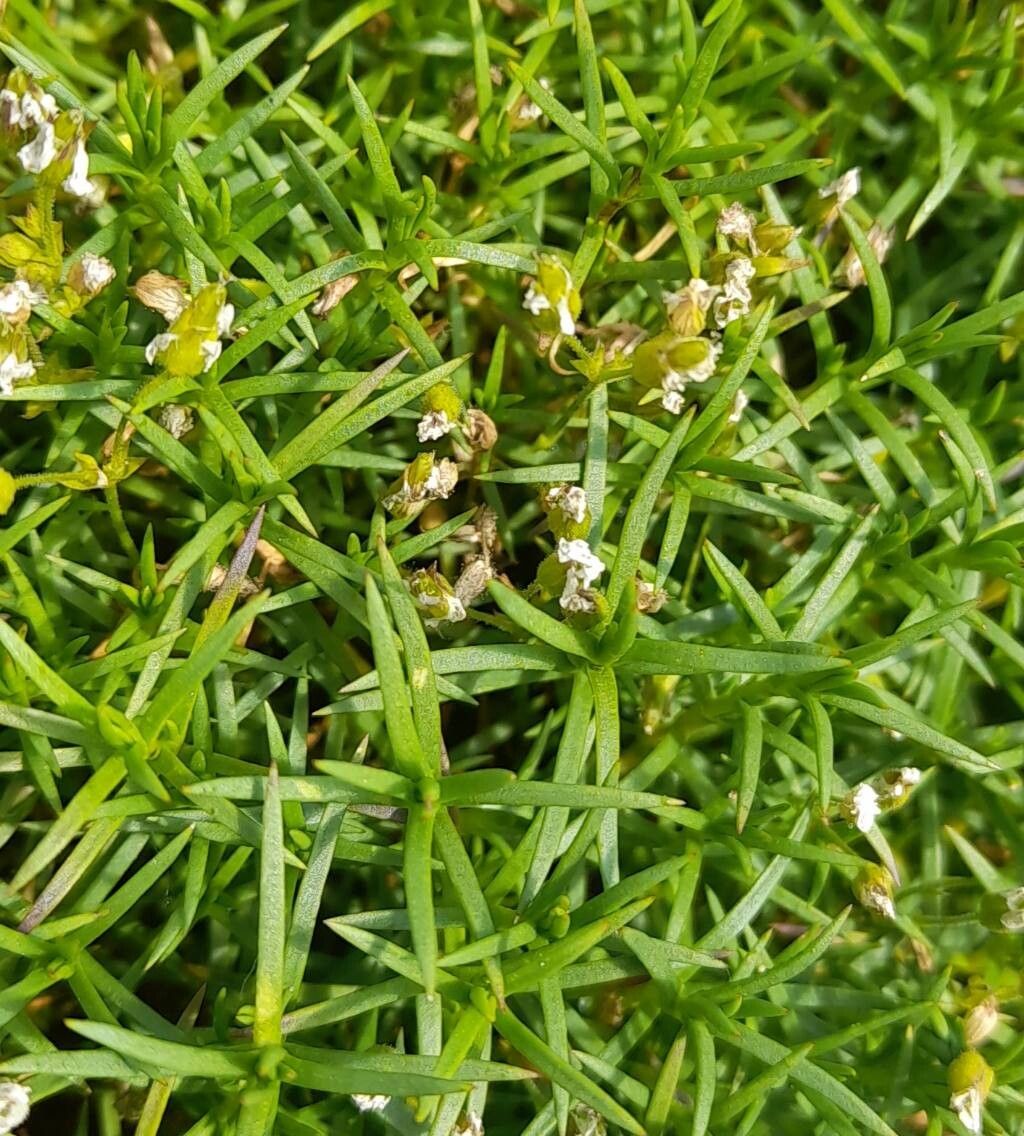
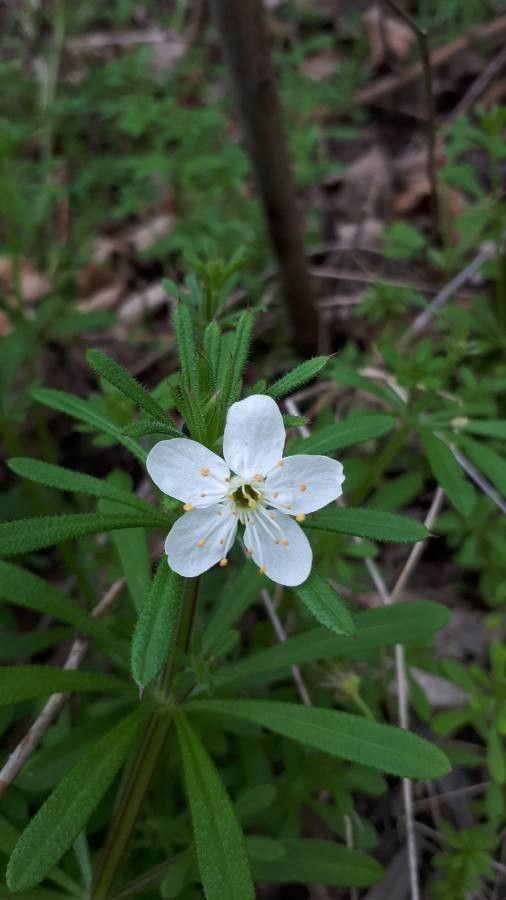
Pink sandwort has strong disease resistance and is generally unlikely to suffer from illnesses. That said, it can be vulnerable to pests and diseases present in its environment, though these problems are typically mild. Regarding care, the plant requires moderate maintenance. It should be pruned regularly to preserve a neat appearance and encourage healthy growth, and applying fertilizer can help boost flowering. Pink sandwort is appropriate for anyone with outdoor space, such as a garden or patio, and does not demand extensive gardening experience. It may need more attention when grown indoors.
How to keep Arenaria Purpurascens.
Light
Pink sandwort is a perennial herbaceous plant that prefers sunny locations and originates from open habitats, frequently thriving in meadows and grasslands. It favors full sun but can also tolerate partial sun.
Water
Pink sandwort thrives in consistently moist conditions, needing weekly watering while avoiding waterlogging. It prefers stable humidity, so regular monitoring of the soil's moisture is important. Often grown outdoors to take advantage of natural light, pink sandwort also benefits from mulching, which helps retain soil moisture during its active growing season.
Fertilizer
The best time to fertilize a Pink sandwort is in early spring, when it is coming out of dormancy and starting active growth. Fertilization supplies essential nutrients needed for healthy development. While Pink sandwort has relatively low fertilizer requirements, applying fertilizer annually can improve its survivability and encourage fuller, longer-lasting blooms.
Pruning
Pink sandwort is a hardy plant with delicate pink flowers and requires minimal pruning. It's best to prune from early to late spring, concentrating on removing dead stems and spent blooms to encourage growth. Light pruning also improves airflow, which helps reduce the risk of fungal issues. For optimal results, use sharp and clean tools during pruning.
Pot & Repot
Repot pink sandwort every 2 to 3 years during early spring. Use shallow, wide containers to accommodate its spreading growth habit. Ensure the container has good drainage to prevent waterlogging. After repotting, keep the soil lightly moist and place the plant in bright, indirect sunlight to help it adjust to its new environment.
Botanical profile.
- Plant Type
- Herb
- Life Cycle
- Perennial
- Genus
- Arenaria
- Family
- Caryophyllaceae
- Hardiness Zone
- 4-8
- Mature Height
- 5 cm
- Mature Spread
- 20 cm
- Leaf Color
- Green
- Leaf Type
- Semi-evergreen
- Flower Color
- Pink
- Flower Size
- 0.76 cm to 1.27 cm
- Bloom Time
- Mid spring, Late spring
- Planting Time
- Spring, Summer, Autumn
- Harvest Time
- Early summer, Mid summer
- Native Area
- Spain, France
Other names.