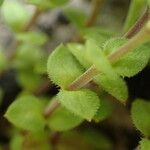
Arenaria serpyllifolia
Thyme-leaf Sandwort · Thymeleaf sandwort · Thyme-leaved Sandwort
Description
Source: leafsnapArenaria serpyllifolia, commonly known as thyme-leaf sandwort, or thyme-leaved sandwort: 32 is an annual or biennial flowering plant in the pink and carnation family Caryophyllaceae.
Care Guide
💧 Water Every 7 days
Thyme-leaf sandwort is well-suited for moderate climates and flourishes with consistent moisture. It prefers well-drained soils and requires weekly watering to promote healthy growth. This plant is resilient in various soil types, making it an excellent choice for rock gardens or raised beds. However, it is important to ensure there is adequate drainage to prevent root rot.
How should I water my Thyme-leaf sandwort?
Thyme-leaf sandwort can be watered using various tools such as a garden hose with a spray nozzle, a watering can, or any other common watering tool. It is not too particular about the water source, as it can thrive with rainwater, tap water, or filtered water. However, it is generally best to avoid watering this plant from above, as it can harm the leaves and flowers and potentially lead to disease. A drip irrigation system is often the optimal watering method for Thyme-leaf sandwort, as it ensures even and direct watering to the soil. When watering a Thyme-leaf sandwort in a container, you can use a cup, watering can, or tap to apply water directly to the soil.
What should I do if I give my Thyme-leaf sandwort too much water or too little water?
The solution for underwatering Thyme-leaf sandwort is simple - water it more regularly when you notice it lacks moisture. Overwatering, however, can be a more serious problem, leading to diseases and even death of the plant. To prevent this, it's important to choose a suitable growing location with plenty of sunlight and good drainage. If you've overwatered your potted Thyme-leaf sandwort, consider transferring it to a new pot with better drainage and loose soil.
How often should I water my Thyme-leaf sandwort plant?
Thyme-leaf sandwort requires regular watering throughout the growing season. In the spring, water it once a week. Increase watering to two or three times a week as the season gets hotter. However, be careful not to overwater, as that can harm the plant. Regardless of how often you water, make sure the soil remains moist but not wet. Watering Thyme-leaf sandwort in a pot is different. Potted plants require more frequent watering because the soil can dry out faster. Generally, water container-grown Thyme-leaf sandwort a few times a week, compared to just once a week for plants in the ground.
How much water does my Thyme-leaf sandwort require?
To determine how much water to give to your Thyme-leaf sandwort, there are a few options. Some gardeners prefer to gauge the soil's moisture by touching it. This method suggests that you should water until the top six inches of soil feel moist. Another approach is to use a specific measurement. Generally, giving your Thyme-leaf sandwort about two gallons of water per week is a good guideline, considering factors like temperature and how quickly the soil dries out. However, relying solely on these guidelines may lead to overwatering if your plant requires less water. When growing Thyme-leaf sandwort in a container, a different technique is needed to determine watering amounts. In this case, you should water until all dry layers of soil are moistened. You can check for moisture by sticking your finger in the soil or observing a slight trickle of water exiting the pot's drainage holes.
How do I know if I'm giving enough water to my Thyme-leaf sandwort?
Caring for Thyme-leaf sandwort can be a little tricky when it comes to watering. On one hand, these plants have deep roots that need to be watered every week to keep the soil moist. But on the other hand, Thyme-leaf sandwort is highly prone to root rot, which can cause the plant to turn brown. Underwatering is not as much of a concern, as these plants can survive without extra watering for a while. However, if you wait too long to water them, they will start to wilt and their leaves may become dry.
☀️ Light Full sun
Thyme-leaf sandwort comes from bright, open habitats and does best in full sun. It will tolerate partial shade but favors direct sunlight for optimal growth. This plant, which appears as an annual or biennial, is noted for its sun-loving character.
What are the sunlight requirements for Thyme-leaf sandwort?
Thyme-leaf sandwort requires full sun, which is above 6 hours of sunlight, to thrive but can tolerate partial sun, about 3-6 hours of sunlight. It's important to observe how sunlight moves through your garden to ensure that you choose locations that offer a balance of light and shade, suitable for the plant's health.
How can I ensure my indoor Thyme-leaf sandwort receives enough light?
For indoor Thyme-leaf sandwort, ensure the plant receives adequate lighting, especially when natural sunlight is scarce, such as in winter or less sunny spaces. Artificial lighting, like LED lights that can be customized to provide specific wavelengths, is a vital solution. Full sun plants need 30-50W/sq ft, partial sun plants need 20-30W/sq ft, and full shade plants need 10-20W/sq ft of artificial light. The light source should be placed 12-36 inches above the plant, and the duration should mimic natural daylight hours, typically requiring 8-12 hours of light per day.
What are some symptoms of inadequate light in Thyme-leaf sandwort?
Thyme-leaf sandwort may exhibit several symptoms when exposed to inadequate light, including smaller new leaves, leggy or sparse growth, faster leaf drop, slower or no new growth, and lighter-colored new leaves. Further issues may include chlorosis, which is a yellowing of the leaves; sunscald, which appears as pale or necrotic spots; leaf curling, wilting, and leaf scorching characterized by brown, dry edges on leaves due to excessive light exposure. These symptoms suggest the plant is not receiving the appropriate amount of sunlight.
What solutions can help Thyme-leaf sandwort receive more sunlight?
To increase sunlight exposure for Thyme-leaf sandwort, gradually move the plant to sunnier locations, aiming for at least 6 hours of direct light daily. For indoor plants, use south-facing windows and consider artificial lights like lamps or grow lights for at least 8 hours daily if the plant is large. Outdoors, avoid sudden changes in light intensity to prevent sunburn. Reducing obstructions, such as pruning trees that shade the plant, and transplanting smaller plants during their dormant period to a sunnier location with good drainage are effective strategies. Note that parts of the plant affected by insufficient light may not recover, but new growth should be healthy.
🌡️ Temperature 15–32.2°C
Thyme-leaf sandwort naturally occurs in habitats where temperatures range from 68 to 95 °F (20 to 35 ℃). The plant prefers temperate climates and generally thrives under those temperature conditions. Seasonal adjustments might be needed to keep temperatures within that range for optimal growth.
What are the ideal temperature conditions for Thyme-leaf sandwort?
Thyme-leaf sandwort, botanically known as Arenaria serpyllifolia, thrives best in environments with a temperature range of 68 to 95 °F (20 to 35 °C). It prefers temperate climates for optimal growth. During winter, this plant exhibits strong cold resistance, allowing it to endure without special frost protection in most cases. However, in regions where temperatures are anticipated to fall below -15°C, it's crucial to provide additional cold protection by covering the plant with soil or straw. Additionally, watering the plant abundantly before the first freeze in autumn helps keep the soil moist, preventing drought and water scarcity during the colder months.
What should I do if Thyme-leaf sandwort experiences low temperatures in winter?
Thyme-leaf sandwort can tolerate cold climates and is best kept above 0°C during winter. If temperatures plummet below -15°C, the plant might not show immediate damage but could exhibit reduced or no sprouting in spring. To counteract any adverse effects, any parts of the plant that fail to sprout in spring should be removed. This maintenance helps ensure the continued health and growth of the sandwort despite the cold challenges.
How should I care for Thyme-leaf sandwort during hot weather?
During the summer months, it's crucial to ensure that Thyme-leaf sandwort does not get excessively hot; ideally, it should remain below 35°C. Exposure to temperatures above 38°C can lead to light-colored leaves, curling, susceptibility to sunburn, and even wilting or drying out of the plant. If any of these symptoms occur, the affected parts should be trimmed away. Furthermore, moving the plant to a shaded location during the midday and afternoon sun, or using a shade cloth, can help protect it. It's also beneficial to water the plant in the morning and evening to maintain soil moisture and prevent the plant from drying out.
💨 Humidity normal (40-60%)
This plant will thrive in moderate humidity, which is probably the level in your home. However, misting it a few times a week can be very beneficial. Make sure the room has good ventilation.
🪴 Soil 6-7
🌱 Fertilizer
Thyme-leaf sandwort responds well to regular, dilute fertilizer applications to encourage healthy leaf growth. You should feed Thyme-leaf sandwort about once a month during the summer. Nitrogen is important for foliage, and adding nitrogen-rich sources helps Thyme-leaf sandwort thrive.
🪴 Pot & Repot
✂️ Pruning
🌿 Propagating
🐛 Diseases & pets
☠️ Toxicity
Characteristics
- Plant Type
- Herb
- Life Cycle
- Annual, Biennial
- Genus
- Arenaria
- Family
- Caryophyllaceae
- Hardiness Zone
- 7
- Mature Height
- 3 cm to 25 cm
- Mature Spread
- 30 cm to 46 cm
- Leaf Color
- Green, Blue
- Leaf Type
- Evergreen
- Flower Color
- White
- Flower Size
- 0.51 cm
- Bloom Time
- Late spring, Early summer, Mid summer
- Planting Time
- Spring, Summer
- Harvest Time
- Early summer, Mid summer